On this day: Alcatraz opens as a federal penitentiary
On 11 August 1934, Alcatraz Island began operating as a maximum-security federal penitentiary in San Francisco Bay. Cold water and isolation were part of the design as much as the cellblocks.
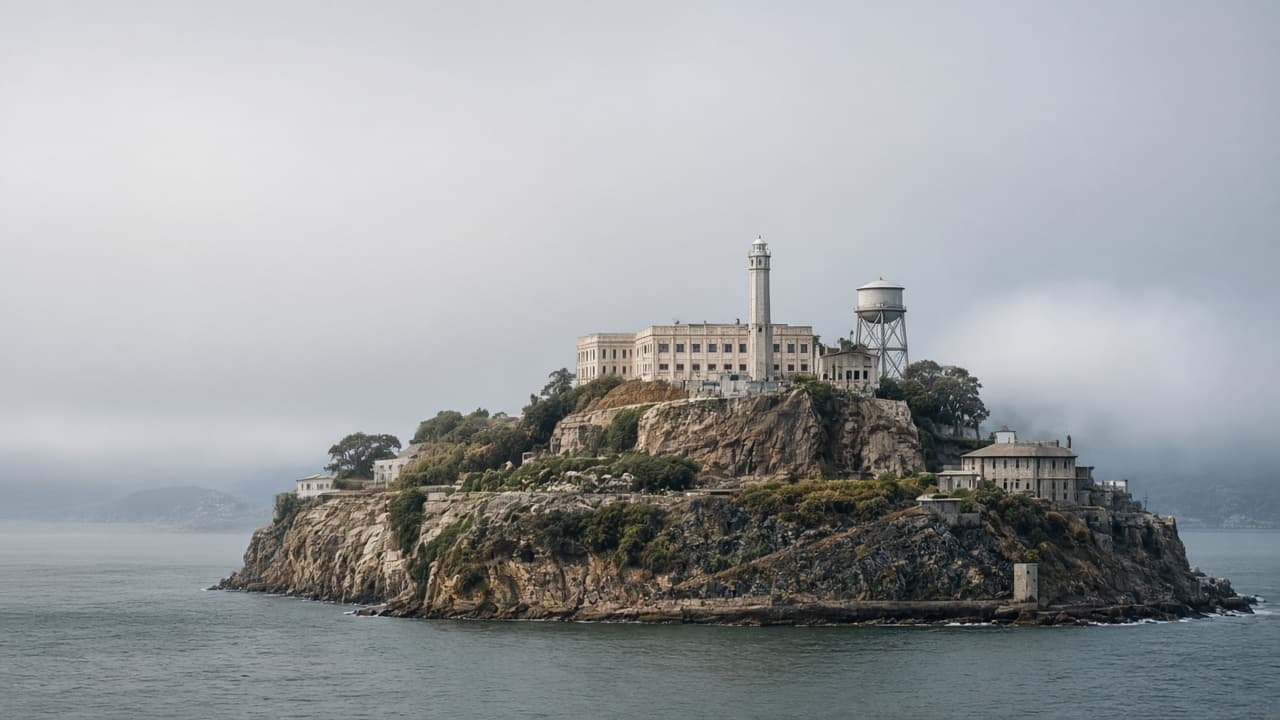
On 11 August 1934, the United States opened Alcatraz Island as a federal penitentiary. The rocky island in San Francisco Bay had already served as a military fort and military prison. The new civilian mission was different: hold the most difficult federal inmates in a place where escape looked almost impossible. Cold currents, strong tides and distance from shore were as much a part of the architecture as steel bars.
Why Alcatraz and why then? The early 1930s were the years of high-profile gangsters, sensational kidnappings and public fear after Prohibition-era crime. The Federal Bureau of Prisons wanted a showcase of control. Alcatraz offered natural moats. Wardens could limit visits, enforce strict routines and isolate men who had caused trouble in other prisons. The island's reputation became a deterrent story the press happily amplified.
When Alcatraz opened as a federal penitentiary in 1934, the Bureau of Prisons wanted a hard-to-escape warehouse for inmates who disrupted other institutions. Cellblocks stacked steel cages in tiers so guards could see walkways and bars at a glance. Rules emphasized silence, routine counts and isolation from the mainland's visitors and newspapers. The island's cold current and fog were part of the security design as much as locks. Escape attempts later entered folklore, but the daily machine was boredom, surveillance and distance.
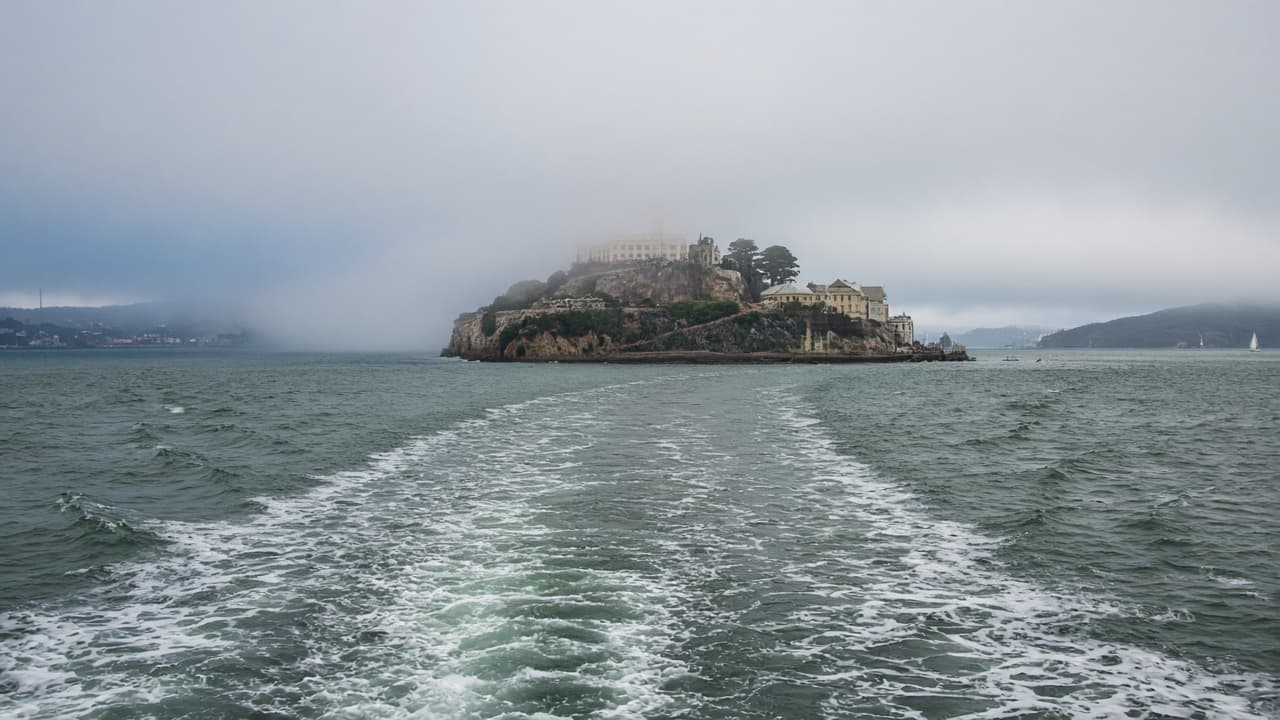
Ferries that now carry tourists still follow the visual lesson administrators intended: the Rock sits alone in San Francisco Bay, close enough to see the city and far enough that swimming looks like a rumor. That contrast was psychological punishment as well as geography. After the prison closed in 1963, occupation by Native American activists and later National Park Service tours reframed the island again. Readers should hold both layers: a federal experiment in maximum custody and a public landmark whose cellblock corridors still explain how the United States once staged incarceration as theater.
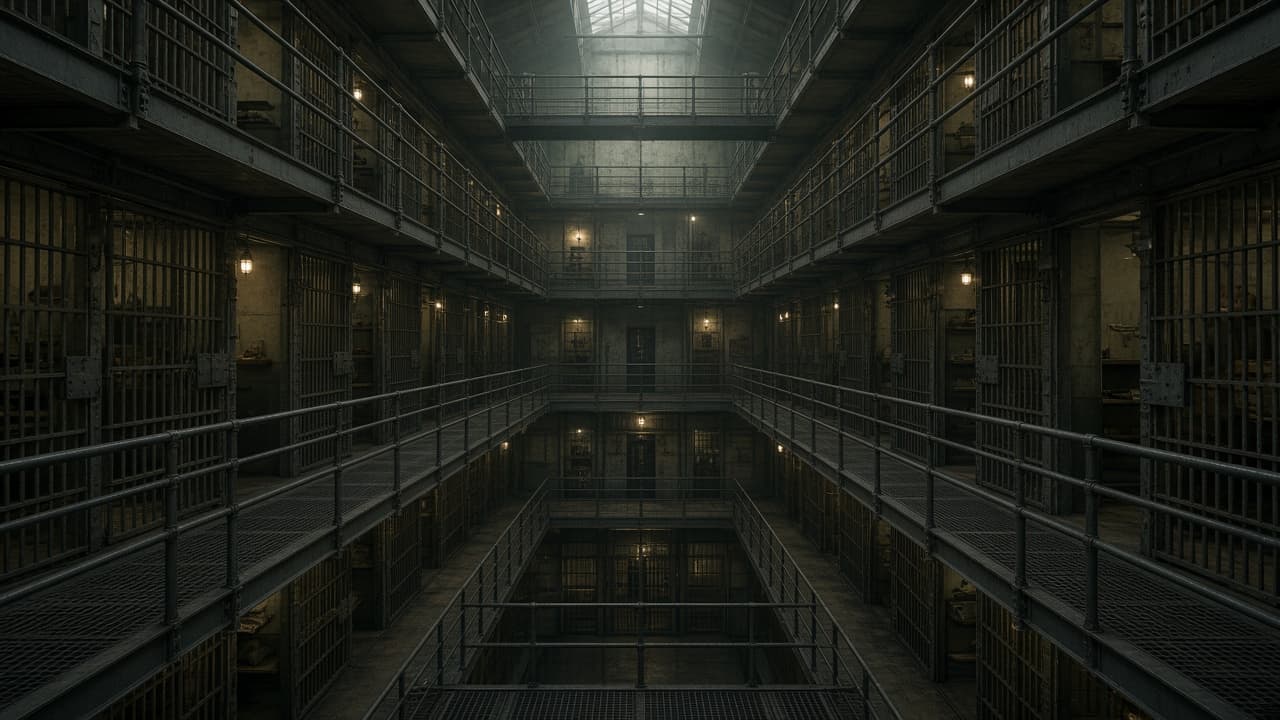
Daily life was regimented. Cells were small. Privileges were earned slowly. Silence rules and counts structured the day. Work details, meals and brief yard time filled the schedule. The prison held far fewer men than large mainland penitentiaries; capacity was measured in hundreds, not thousands. That scale let administrators claim tighter custody. It also made every escape attempt national news.
Famous names burned the brand into popular culture. Al Capone served time there after tax convictions. George "Machine Gun" Kelly and other Depression-era figures passed through. Later, Robert Stroud (often called the Birdman of Alcatraz, though he kept birds mainly at Leavenworth) added to the myth. Hollywood and true-crime books blurred facts, but the core was real: the government wanted a prison that looked final.
Escape attempts defined the legend. Most failed. Some men drowned or vanished in the bay. The June 1962 breakout by Frank Morris and brothers John and Clarence Anglin (improvised tools, dummy heads, a raft of raincoats) remains unsolved in the public mind: official accounts presume drowning; family stories and later tips keep doubt alive. Whatever the truth of that night, the attempt proved that even escape-proof design meets human ingenuity.
Alcatraz closed as a federal prison in March 1963. Operating costs were high because everything had to be barged in: water, food, fuel and staff families' needs. Mainland prisons could hold more people for less money. In 1969-1971, Native American activists occupied the island, citing treaty claims and protest against federal Indian policy. Their occupation reshaped how many Americans saw the Rock: not only as Capone's cage, but as contested Indigenous land in a bay city.
Today Alcatraz is a National Park Service site. Ferries carry tourists to walk the cellhouse, read inmate stories and look back at San Francisco's skyline from the yard. The trip sells atmosphere. A careful visitor also leaves with policy questions: what solitary severity is for, what it costs and how myths of toughness can outrun evidence about rehabilitation.
The 11 August 1934 opening sits at a hinge in American punishment. Reformers and hardliners argued then, as now, about whether extreme isolation protects the public or mainly performs severity. Alcatraz answered with geography. The bay did the talking when wardens wanted an exclamation point at the end of a sentence.
Federal officials marketed Alcatraz as the end of the line for men who had broken rules elsewhere. That branding worked on newspapers even when rehabilitation outcomes were thin. Psychologists later studied how extreme isolation affects minds over years. Historians compare Alcatraz with other supermax experiments and ask whether deterrence requires cruelty or only certainty. The 1934 opening is the start of that American argument in a concrete form on an island tourists now photograph from ferry decks. When Alcatraz closed in 1963, inmates transferred to other federal prisons and the island briefly stood empty before the Native occupation and later park status. Each chapter reused the same geography for a different national argument about punishment, Indigenous rights and public memory. The 1934 opening is where the federal supermax brand began even if the name Alcatraz now sells ferry tickets and audio tours more than fear.
Eagle Frame's takeaway: 11 August 1934 is when Alcatraz became a federal symbol of maximum custody. Know the bay's cold water, know the small strict prison and know that cost and politics, not only escapes, finally closed The Rock.