On this day: the Berlin Wall opens
On 9 November 1989, East German borders opened and crowds poured through the Wall that had split Berlin since 1961.
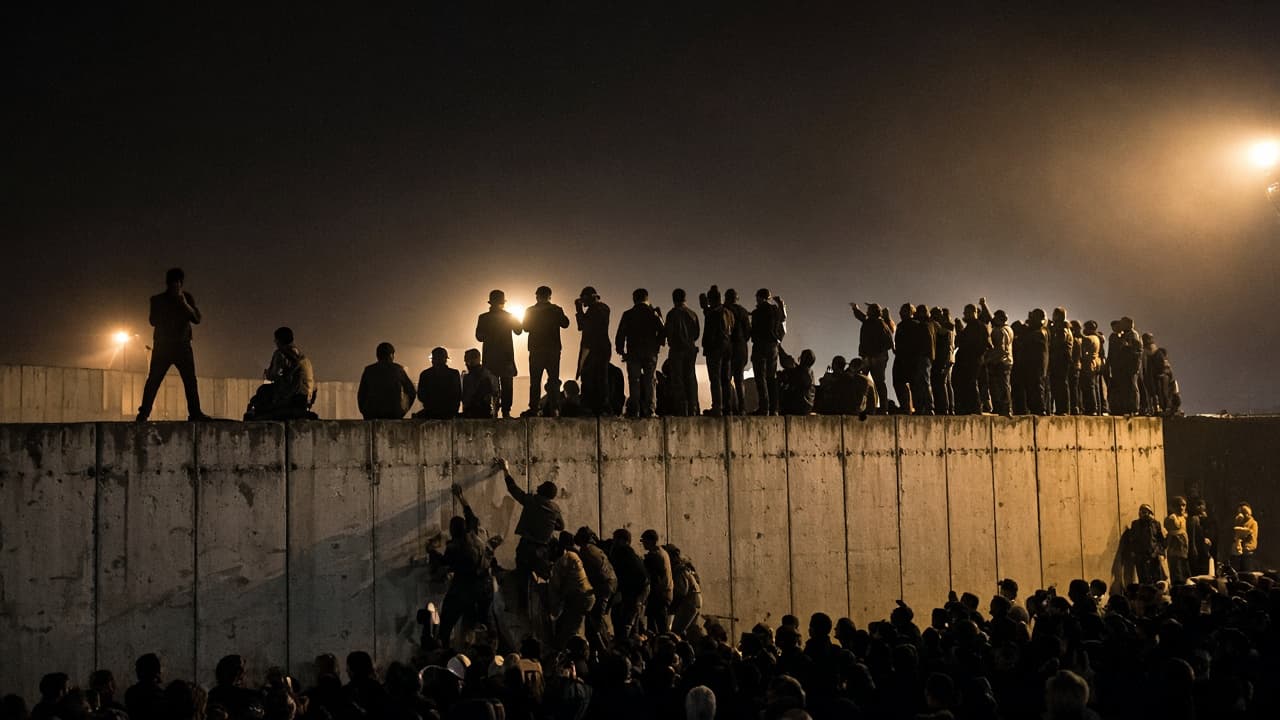
On the evening of 9 November 1989, an East German official misspoke at a press conference about new travel rules. Within hours, crowds pressed against border crossings in Berlin. Guards, lacking clear orders to use force, began letting people through. West Berliners met them with cheers, flowers and disbelief. The Wall that had divided the city since 1961 opened in practice before any treaty said it should.
The Wall was more than concrete. It was the sharpest symbol of the Cold War in Europe: watchtowers, death strips and families split for nearly three decades. Hundreds of people died trying to cross. Millions more lived with the daily fact that a capital city could be sealed by ideology and guns.
The opening did not come from nowhere. Through 1989, peaceful demonstrations in Leipzig and other cities had forced East Germany’s leadership into retreat. Hungary had already opened its border with Austria, punching a hole in the Iron Curtain. Soviet leader Mikhail Gorbachev’s reforms reduced the chance that Moscow would send tanks as it had in earlier decades. When the press conference muddle hit live television, society moved faster than the state.
In the weeks that followed, people danced on the Wall, chipped souvenirs and flooded through checkpoints that had been lethal days earlier. German reunification followed in 1990. Eastern Europe’s communist governments fell in a cascade that redraw maps, alliances and daily life from Prague to Bucharest.
The anniversary is complicated. For many Germans it is a liberation date. For others it sits near the calendar shadow of Kristallnacht on 9 November 1938, which is why official German remembrance often separates joy and mourning with care. History shares dates. Meaning still has to be chosen with precision.
What travels well beyond Germany is the lesson about brittle systems. Borders that look permanent can open in a night when fear stops working and information moves faster than orders. 9 November 1989 is a reminder that political walls are also stories people agree to live inside until they don’t.
Eagle Frame’s note: keep the human scale. The Wall fell in photographs of strangers hugging and in quieter reunions that never made the evening news. The geopolitics matter. So do the people who walked through first.