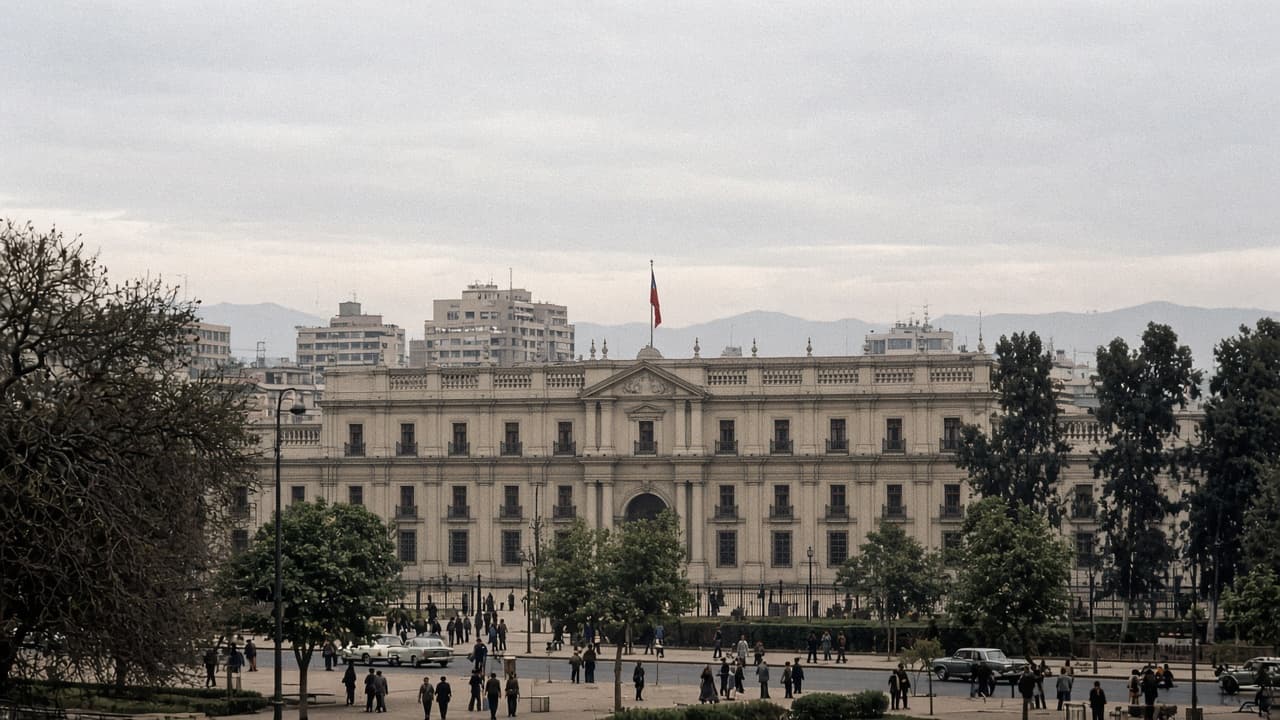
On this day: Chile’s 1973 military coup
On 11 September 1973, Chile’s armed forces overthrew President Salvador Allende. The date still shapes Latin American politics and human-rights memory.
On 11 September 1973, Chile’s military overthrew the elected government of President Salvador Allende. Aircraft struck the presidential palace, La Moneda, in Santiago. Allende died during the assault. General Augusto Pinochet emerged as the central figure of a junta that ruled for years afterward.
Allende’s coalition had won power in 1970 promising a democratic path to socialism: nationalizations, land reform and social programs. Polarization, economic crisis, strikes and foreign pressure—including documented U.S. hostility to the project—filled the years before the coup. Supporters saw a mandate. Opponents saw chaos and confiscation. The military broke the constitutional order rather than wait for the next election.
What followed was dictatorship: censorship, exile, disappearances and a long human-rights struggle. Truth commissions and court cases later documented killings and torture. For Chileans, 11 September is not an abstract foreign-policy seminar. It is family history, street names and arguments about memory that still surface every anniversary.
Outside Chile the date often sits beside another 11 September. Keeping both clear matters. One is a terrorist attack on the United States in 2001. The other is a Latin American coup in 1973. Same calendar day, different crimes, different lessons.
Eagle Frame’s takeaway: read 11 September 1973 as a warning about how democracies can end under pressure—and as a demand to keep victims’ records accurate when politics wants simplified slogans.