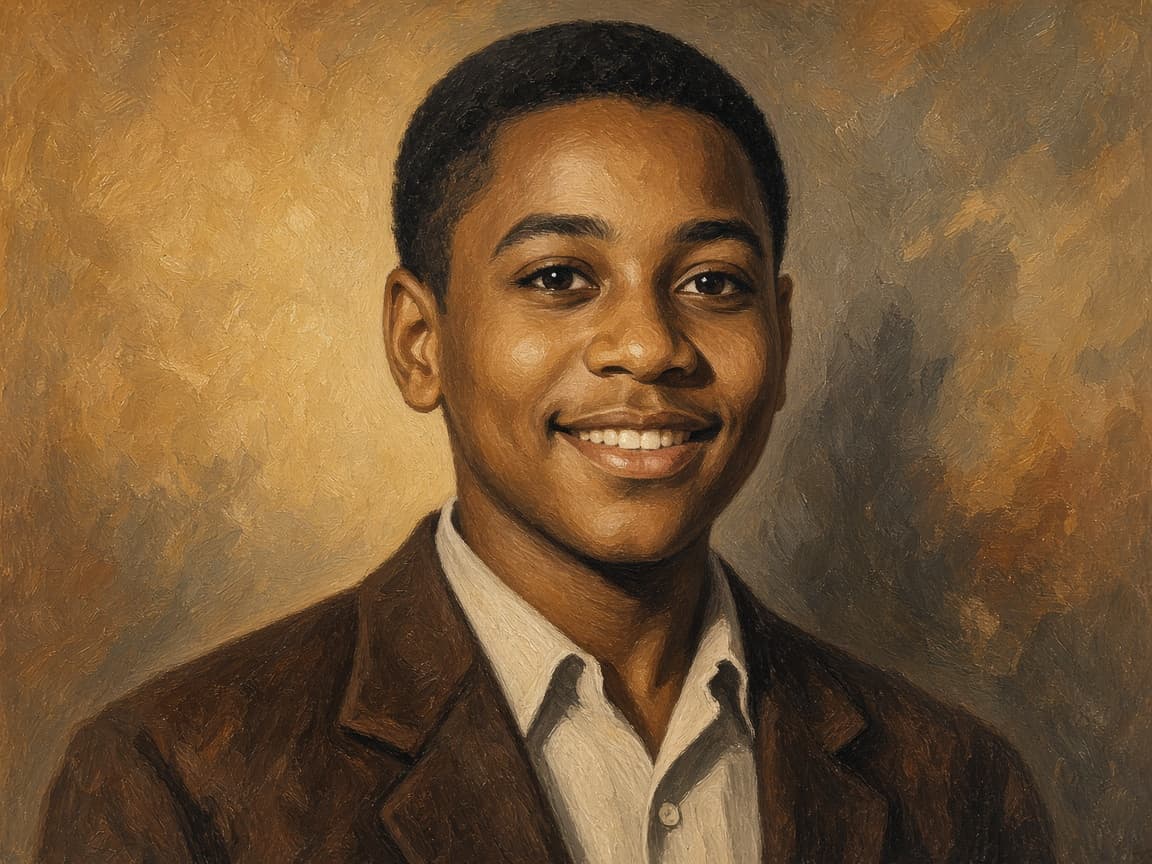
On this day: Emmett Till is murdered in Mississippi
On 28 August 1955, 14-year-old Emmett Till was abducted and murdered in Mississippi after a false accusation. His open-casket funeral in Chicago and the acquittal of his killers galvanized the civil rights movement.
On 28 August 1955, 14-year-old Emmett Louis Till was abducted from his great-uncle's home in Money, Mississippi, tortured and murdered. He had been visiting from Chicago. A white woman, Carolyn Bryant, accused him of offending her at a store; the accusation was later recanted in key parts. Roy Bryant and J.W. Milam took Till in the night. His body was pulled from the Tallahatchie River weighted with a metal fan. The crime became a national reckoning with lynching-era terror in the Jim Crow South.
Emmett Till, a 14-year-old Black boy from Chicago, was abducted and murdered in Mississippi in August 1955 after a white store encounter became a pretext for racist violence. His mother, Mamie Till-Mobley, insisted on an open casket in Chicago so the world could see what had been done. Lines of mourners outside the church turned private grief into national evidence. Jet magazine's photographs shocked readers who had been able to ignore Southern terror as rumor. Northern Black newspapers treated the funeral as obligatory coverage that white dailies could not ignore.
The Mississippi Delta's flat roads and cotton fields were the landscape of Jim Crow power: sharecropping economies, all-white juries and sheriffs who protected white supremacy. Till had been visiting relatives when he was taken. An all-white jury acquitted the killers, who later confessed in a paid magazine interview. The quiet Delta road image is not scenery. It is the geography where a child's murder was treated as local custom until Chicago funerals made it a national reckoning. The acquittal became a recruiting story for a rising generation of civil-rights organizers.
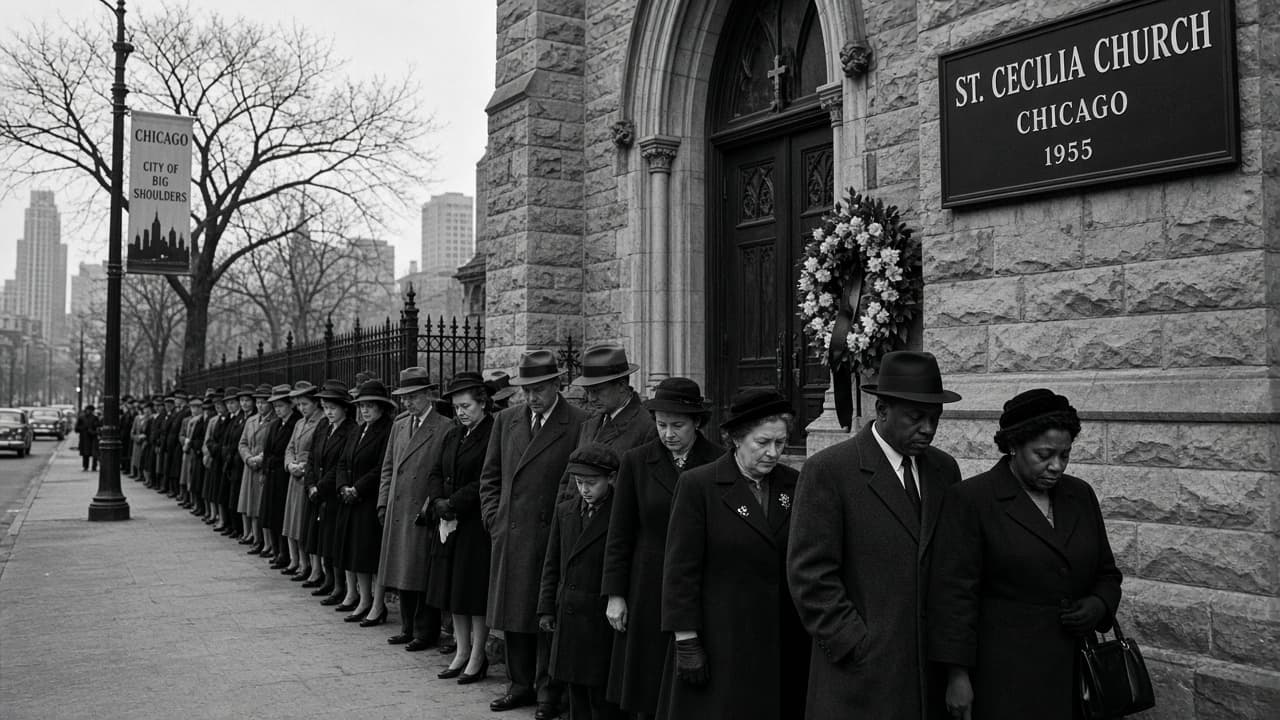

Mamie Till-Mobley, Emmett's mother, insisted on an open casket at the funeral in Chicago so the world could see what had been done to her child. Jet magazine and other Black press published photographs. Tens of thousands filed past the casket. Grief became evidence. Her decision is one of the most consequential acts of public witness in modern U.S. history: she refused to let the murder stay local or polite.
Mississippi's trial of Bryant and Milam in September 1955 ended in acquittal by an all-white jury after a short deliberation. Protected from retrial on the murder charge, the men later sold a confession-style interview to Look magazine describing the killing. The legal insult compounded the crime. Federal civil rights law was weaker then; local power shielded killers who enforced racial caste with violence.
How the case moved a movement: young activists and older organizers alike cited Till when they explained why they joined sit-ins, Freedom Rides and voter drives. The Montgomery bus boycott began months later in December 1955. Till's name appears in speeches, songs and memoirs as a before-and-after marker. Horror did not automatically produce justice, but it produced resolve and northern attention that segregationists could not fully control.
Teaching the story requires care. Till was a child. The sexualized falsehoods used to justify lynching belong in the analysis of racist myth, not in prurient retelling. Recent historical work and the Emmett Till Antilynching Act (signed in 2022) show how long the United States took to name lynching clearly in federal statute. Cold cases and FBI reviews decades later underlined how incomplete earlier investigations were. Place still matters. The store site, the river and the courthouse are pilgrimage points and arguments over monuments. Mississippi and Chicago both claim pieces of the memory: the murder geography and the funeral geography. Visitors should expect sorrow, not spectacle. For Eagle Frame readers, 28 August is not a sensational true-crime date. It is a civic date about truth-telling under terror, a mother's courage and a legal system that failed in public. Holding Till's name with dignity is part of refusing the silence his killers counted on.
Northern and international newspapers amplified what Mississippi authorities hoped to contain. The gap between local acquittal and global disgust became its own pressure system. Activists mailed the Jet photographs into conversations that polite society had avoided. Shame, carefully aimed, became a political instrument without needing a courtroom conviction that white power refused to give.
Till's father, Louis Till, had been executed by the U.S. military in Italy during World War II under contested proceedings; segregationist media later weaponized that history to smear the son. The tactic showed how racist narrative machines work: invent or inflate family stain to excuse present violence. Correcting that record is part of refusing the smear.
Money, Mississippi, was not an anonymous backdrop. It was a plantation-country town where a whisper could summon men with guns and where courts performed legitimacy for caste. Understanding Till's murder means mapping that local power, not only mourning a single night. Geography enforced the crime before the river hid the body.
Federal antilynching bills had failed for decades before Till's death; southern committee chairs bottled them up. The murder renewed lobbying that still took generations to finish. When Congress finally passed an antilynching law bearing Till's name in the twenty-first century, it admitted how long the ledger stayed open.
Eagle Frame's takeaway: 28 August 1955 is when Emmett Till was murdered and when his story began forcing the nation to look. Know Mamie Till-Mobley's open casket, know the acquittal and know why the case still instructs the fight for civil rights.