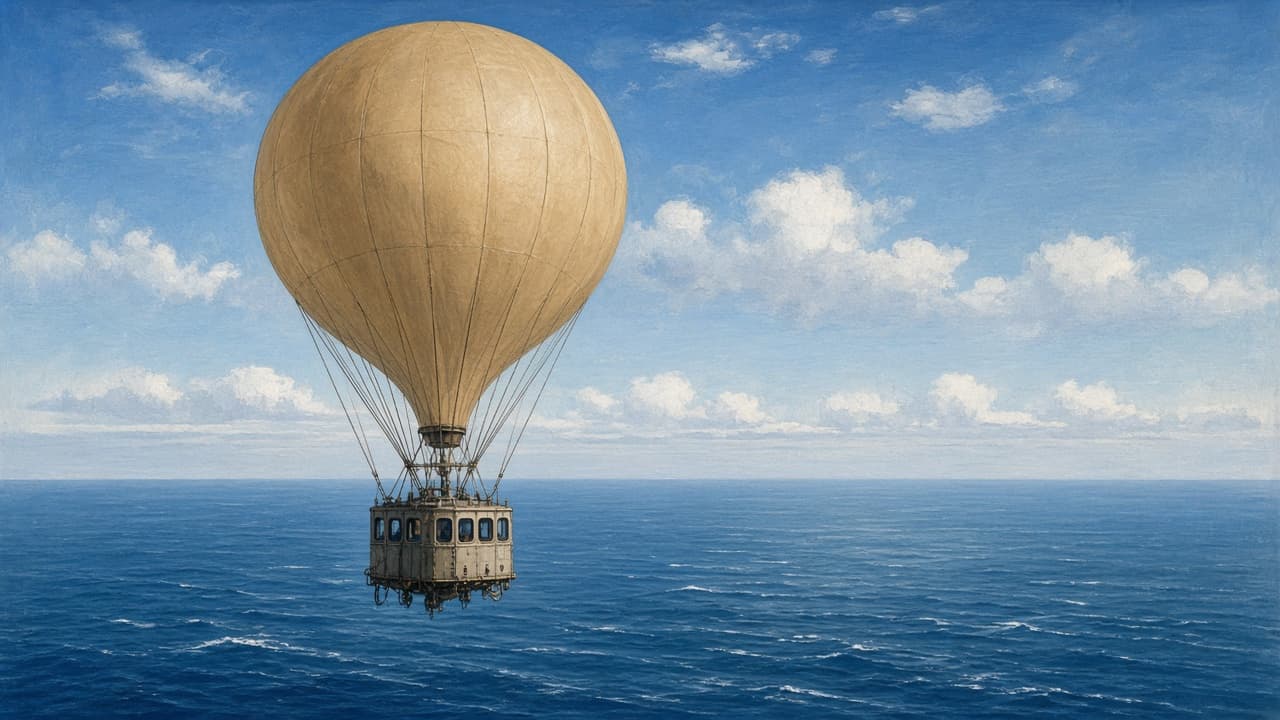
On this day: the first balloon crosses the Atlantic
On 17 August 1978, Double Eagle II landed in France after launching from Maine. Ben Abruzzo, Maxie Anderson and Larry Newman completed the first successful crewed Atlantic balloon crossing.
On 17 August 1978, the helium balloon Double Eagle II touched down near Miserey in Normandy, France. Aboard were Ben Abruzzo, Maxie Anderson and Larry Newman. They had lifted off from Presque Isle, Maine, on 11 August. The flight became the first time a crewed free balloon crossed the Atlantic and landed safely on the far shore. Earlier attempts had ended in the ocean, in fog or in empty margins of lift and ballast.
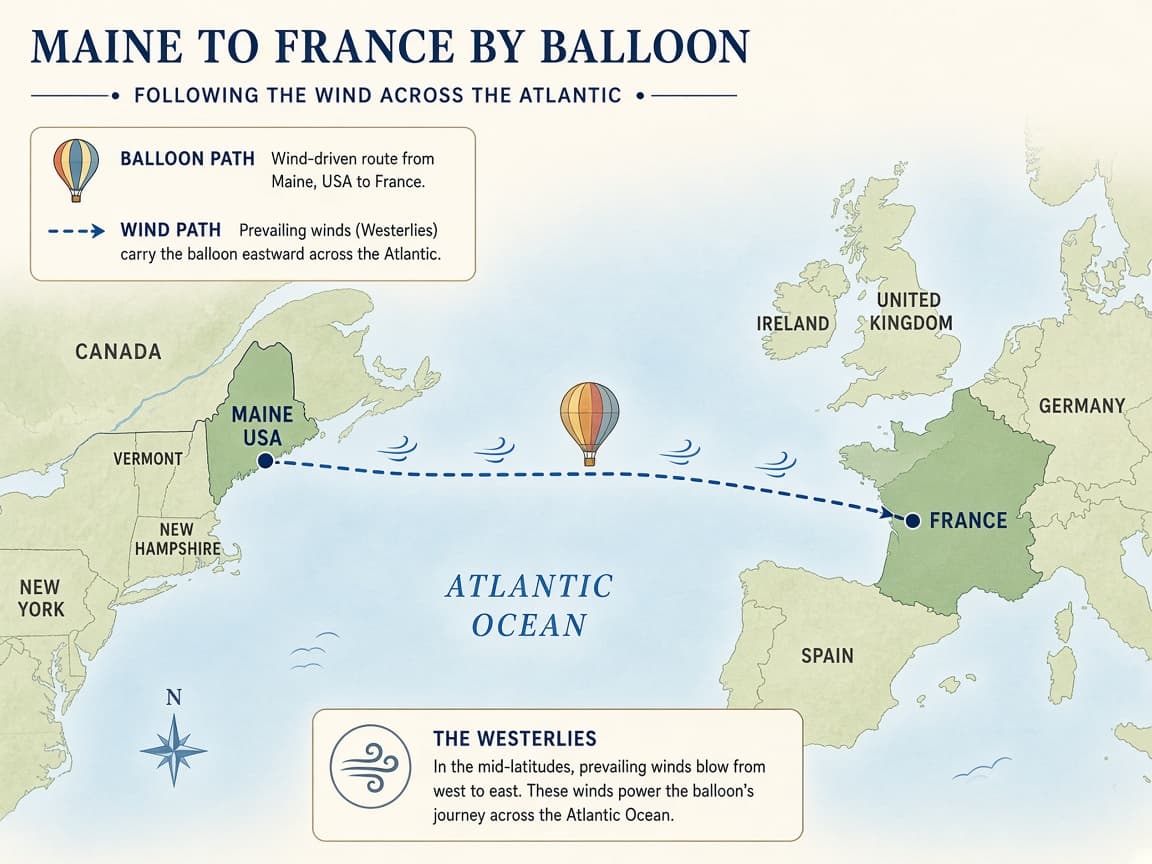
In August 1978, Double Eagle II carried Ben Abruzzo, Maxie Anderson and Larry Newman from Maine toward France on the first successful freestyle balloon crossing of the Atlantic. The route map is a lesson in wind: pilots climb and descend to catch layers that drift east, rather than steering like a ship with a rudder. Fuel for burners, ballast and weather forecasts decide survival. Earlier attempts had ditched in the ocean. This crew managed gas, ice and exhaustion until European land appeared.
Life in the open gondola meant cold, noise, radio schedules and the mental strain of watching empty water for days. The three balloonists shared watches and decisions about when to drop ballast or risk a lower, slower layer. Storm cells and night icing forced constant attention to the burners. Landing in France ended a century-long race that had killed and disappointed many predecessors. Adventure journalism celebrated the feat. Aviation historians filed it as proof that human-rated balloon systems could still rewrite distance records in an age of jets.
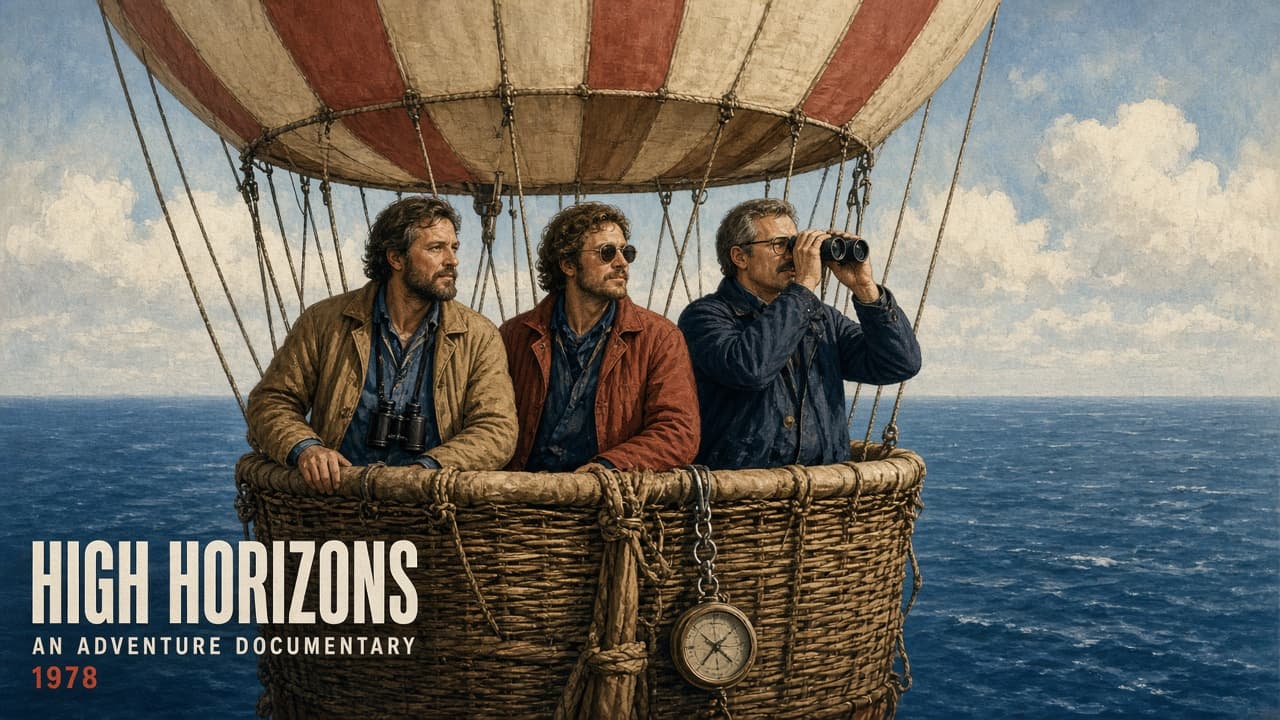
Ben Abruzzo, a New Mexico businessman and balloonist, had already risked Atlantic projects and knew how thin the line was between headline and rescue. Maxie Anderson shared the financing, planning and cockpit stress. Larry Newman, experienced in balloons and hang gliders, completed the successful crew. Their three names belong on the milestone even when short headlines pick a single lead pilot.
How a long-distance helium balloon works, step by step. The envelope holds helium, a gas less dense than air, so the system floats. Pilots do not steer with a ship-style rudder. They change altitude by dropping ballast to climb or by valving a little helium to descend. Winds blow in different directions at different heights. Choosing the right layer is how you aim a balloon toward Europe instead of empty ocean. Weather maps become as important as courage.
Double Eagle II used a large polyethylene helium envelope and an enclosed gondola packed for cold nights, radio contact, navigation charts and limited sleep. The crew watched forecasts and tracked remaining ballast like a bank balance. Dump too much early and you cannot fight a later sink over water. Valve too much helium and you lose lift you cannot replace mid-ocean. The Atlantic punishes sloppy arithmetic as quickly as it punishes bad luck.
The crossing lasted about 137 hours, more than five days in a cramped basket over cold water. Sleep came in shifts. Cloud, icing risk and night navigation tested nerves already worn by earlier failed attempts in the Double Eagle program. When French fields finally appeared beneath the envelope, the landing closed a classic aviation puzzle that newspapers had covered for years. Crowds met three exhausted men who had turned wind layers into a continent-to-continent path.
Why the flight mattered beyond sport: it showed that gas management, weather routing and human endurance could solve a major distance problem without wings or engines providing the main lift. Later balloonists pushed farther, including nonstop circumnavigations with refined designs and materials. Double Eagle II remains the Atlantic first for a free balloon crew and a clean lesson in atmospheric navigation for anyone who thinks balloons only drift at random.
Compare the method with powered flight. An airplane makes its own path with thrust and wing lift. A balloon borrows buoyancy and rides winds it cannot easily fight. That is why the Maine launch latitude, August weather windows and constant altitude decisions were part of the machine as much as courage. Geography and season were hardware. Skill meant reading the sky's layers instead of pushing through them.
Abruzzo kept flying ambitious balloon projects before dying in a 1985 aircraft accident. Anderson also continued and died in a 1983 balloon accident. Newman's career stayed tied to aviation adventure. The 17 August 1978 landing outlived the crew as a technical date: first successful crewed Atlantic balloon crossing, earned by ballast math and wind sense rather than by a propeller.
Meteorologists studied the flight data to refine forecasts for later long-distance balloon projects. Materials science gained notes on polyethylene envelopes in multi-day sun and cold cycles. The crew's log of ballast drops became a teaching example in flight schools that still treat balloons as serious aircraft, not only festival décor. Double Eagle II turned a century-old dare into a repeatable engineering problem. Sponsors and local officials met the crew in France with the kind of welcome usually reserved for astronauts. Newspapers printed route maps showing how jet-stream layers steered the gondola east. The flight entered aviation trivia lists beside Lindbergh's solo plane crossing, proving that lighter-than-air craft could still set ocean records in the jet age.
Eagle Frame's takeaway: 17 August 1978 is when Double Eagle II proved a helium balloon could cross the Atlantic with a living crew. Know ballast and wind layers. Know Abruzzo, Anderson and Newman. Know why altitude choice was their rudder.