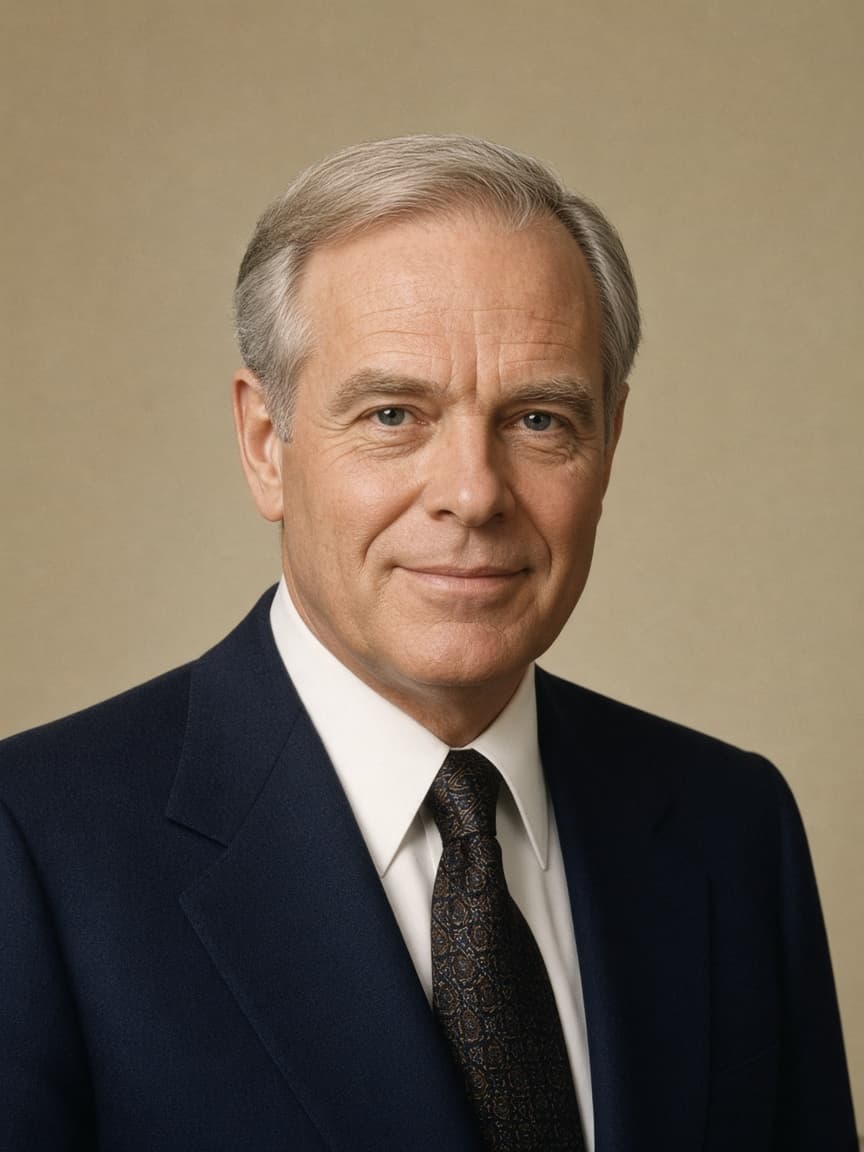
On this day: Gerald Ford pardons Richard Nixon
On 8 September 1974, President Gerald Ford granted Richard Nixon a full pardon for any federal crimes committed while Nixon was president. The decision came a month after Nixon's resignation and remains one of the most debated acts in modern American politics.
On Sunday morning, 8 September 1974, Gerald Ford went on national television from the White House and announced that he was granting Richard Nixon a full, free and absolute pardon for all federal crimes Nixon may have committed or taken part in while president. Nixon had resigned only a month earlier, on 9 August. Ford had been president for a few weeks. The pardon ended the chance of a criminal trial of a former president and immediately became the defining controversy of Ford's short term in office.
Ford was an unlikely president. Born Leslie King Jr. in 1913 and raised in Grand Rapids, Michigan, he was a longtime House Republican and minority leader, known more for legislative dealmaking than for national ambition. He became vice president in December 1973 after Spiro Agnew resigned in a bribery scandal unrelated to Watergate. When Nixon resigned, Ford took the oath without ever having been elected to either national executive office. He told the country that its long national nightmare was over. The pardon tested whether the public believed him.
Watergate needs a short explanation for anyone who knows the word but not the sequence. In June 1972, burglars tied to Nixon's re-election campaign were caught inside Democratic Party offices at the Watergate complex in Washington. Investigators and reporters followed money, hush payments and lies that led into the White House. Nixon had secretly taped his own conversations. When those tapes showed he had tried to block the FBI inquiry soon after the break-in, Republican support in Congress collapsed. Facing certain impeachment and removal, he resigned. Dozens of aides and campaign officials were convicted. The unanswered question in August 1974 was whether Nixon himself would face a jury.
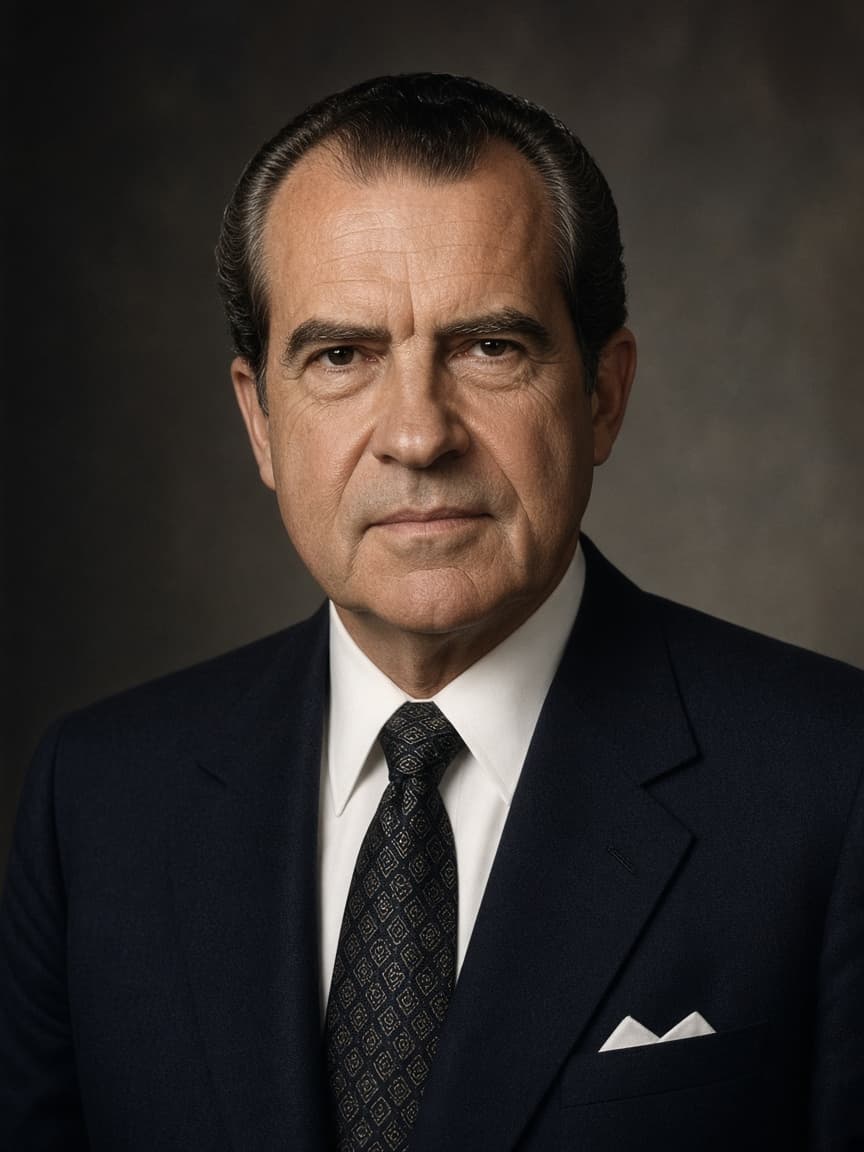
Ford's stated reason was national healing. He argued that a long trial would keep the country fixated on Watergate, distract from inflation and Cold War business and degrade the presidency further. A pardon under the Constitution's Article II power covers federal offenses and does not require a conviction first. Ford also said he had been told Nixon's health was failing under the pressure. Critics heard something else: a deal. Rumors claimed Nixon had resigned only after a promise of clemency. Ford denied any bargain. He later testified to a House subcommittee that there had been no deal, an unusual step for a sitting president.
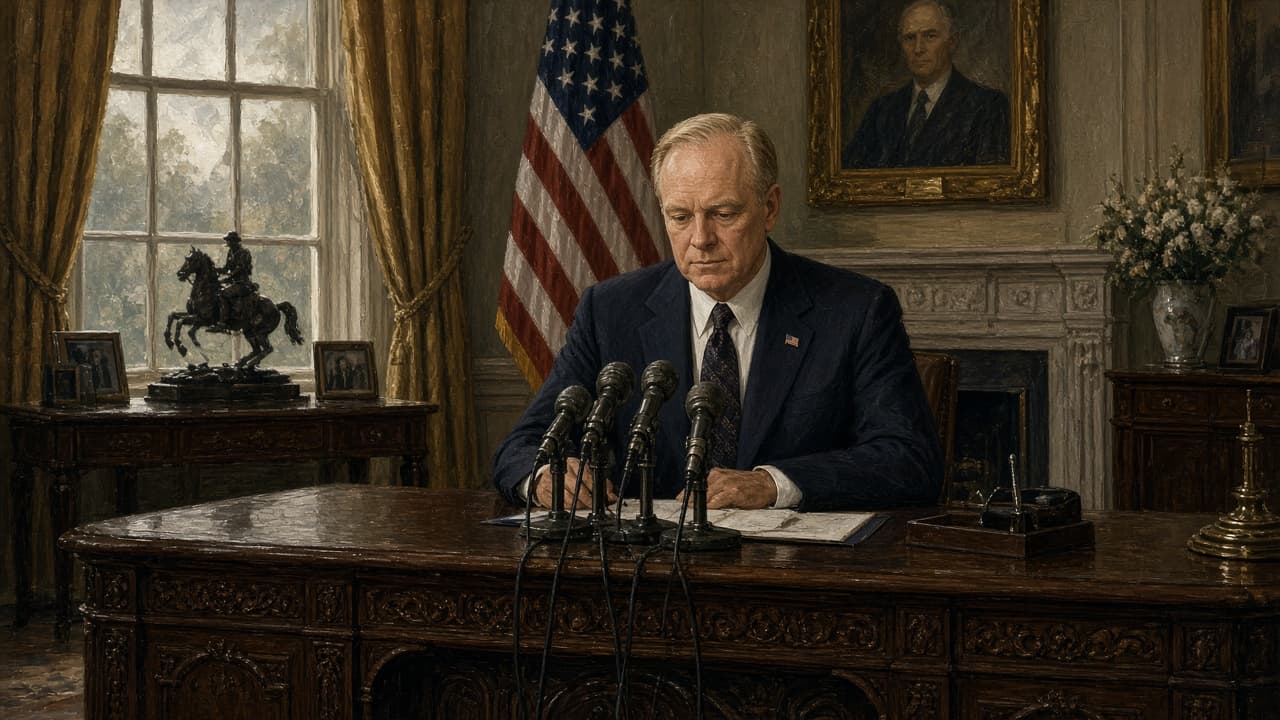
Public reaction was swift and mostly angry. Ford's approval ratings dropped sharply in polls. Editorial pages accused him of placing a former president above the law. Some Nixon opponents wanted a courtroom reckoning. Some Nixon defenders wanted silence. Few were satisfied. In the 1976 election Ford narrowly lost to Jimmy Carter. Many historians and Ford himself later judged that the pardon was a major reason. Carter's campaign made trust in government a central theme, and the pardon was easy to cite.
Legal details still matter. The pardon covered federal crimes from Nixon's time as president. It did not erase state charges, though none of consequence followed, and it did not restore tapes or documents to private control by itself. Nixon accepted the pardon, which some lawyers read as an implied admission because acceptance can be treated that way in pardon doctrine, though Nixon continued to deny criminal guilt in public statements. He spent his later years rebuilding a foreign-policy elder statesman image while Watergate remained the first line of every obituary.
Ford never escaped the association. When he died in 2006, remembrances paired Vietnam's end, Helsinki diplomacy and the Nixon pardon as the core of a brief presidency. Over time a minority view gained ground among some scholars and politicians: that sparing the country a years-long trial of a former president was statesmanship rather than surrender. Others still call it a failure of equal justice. The disagreement is really about what the republic owed itself after a constitutional crisis: punishment of one man or a hard stop on the story.
Context outside the courtroom also pressed on Ford. Inflation was high. South Vietnam was collapsing toward its final defeat in 1975. The Cold War still structured budgets and alliances. Ford believed a televised trial of Nixon would freeze the executive branch in place while those problems grew. Whether that forecast was right is unknowable. What is knowable is that he chose speed over spectacle and paid for it in trust. Press secretaries, congressional mailbags and campus teach-ins all registered the same complaint in different tones: if a president can resign into a pardon, what exactly is the deterrent?
Civics teachers still use the episode to explain that a presidential pardon is broad, political and final for federal offenses, yet it is not the same thing as a finding of innocence. Ford insisted he was closing a national wound. Nixon's critics insisted the wound was the idea that powerful men leave under different rules. Both claims can be taught in the same lesson without turning the anniversary into a referendum on every later scandal.
For readers tracing American executive power, 8 September 1974 belongs next to 9 August. Resignation removed Nixon from office. The pardon removed him from the criminal dock. Together they closed Watergate as a prosecutorial drama and opened it as a permanent argument about accountability. Later presidents facing scandal have lived in the shadow of both dates, whether or not anyone expected another resignation or another preemptive pardon.
Eagle Frame's takeaway: 8 September 1974 is the morning Gerald Ford used the Constitution's pardon power to end the criminal case against Richard Nixon before it began. Hold the Watergate sequence clear (break-in, cover-up, tapes, resignation) and then weigh Ford's healing claim against the lasting charge that nobody that powerful should skip a trial.