On this day: the Gdańsk Agreement is signed
On 31 August 1980, Polish strikers and communist authorities signed the Gdańsk Agreement. The deal recognized independent trade unions and opened the path for Solidarity under Lech Wałęsa.
On 31 August 1980, representatives of striking workers and Poland's communist government signed the Gdańsk Agreement (also called the August Agreements) at the Lenin Shipyard in Gdańsk. The text recognized the right to form independent trade unions, the right to strike and a slate of economic and political demands. From that recognition grew Solidarity (Solidarność), a mass movement that challenged one-party rule without firing a revolutionary army. Lech Wałęsa, an electrician and strike leader, became its most visible face.
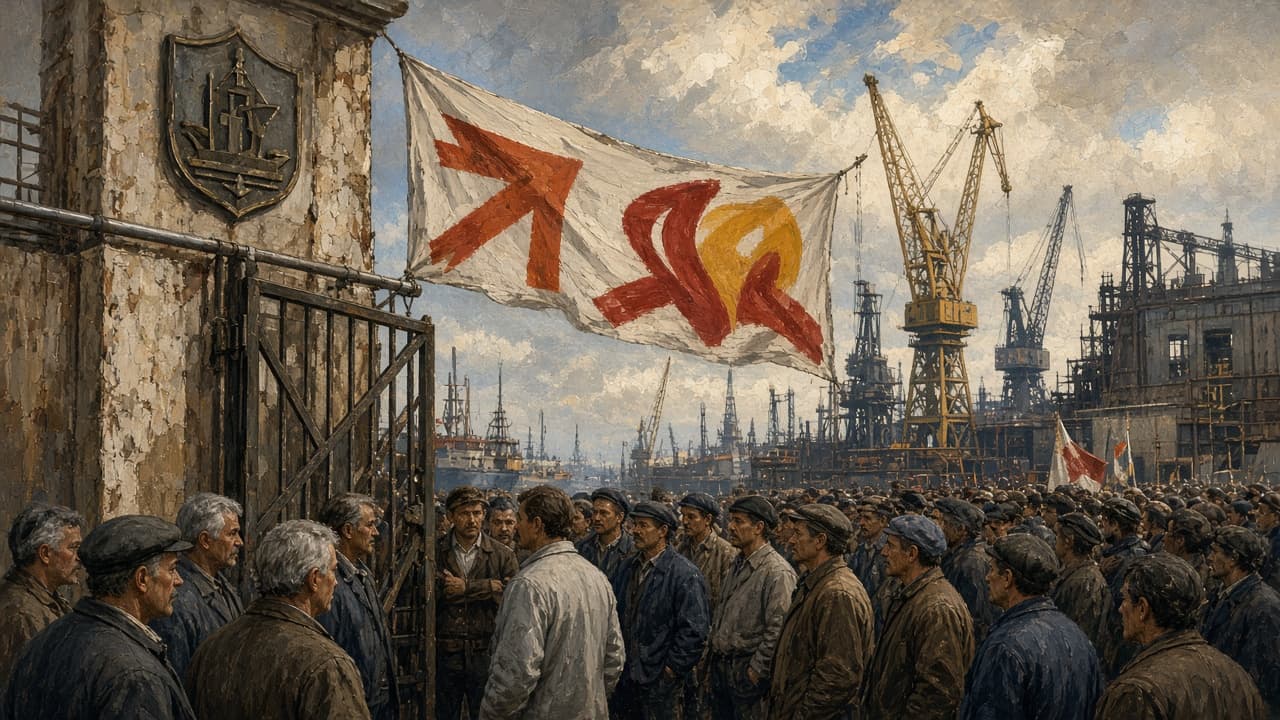
The strike wave began in mid-August after food-price pressures and the firing of crane operator Anna Walentynowicz, a known activist. Workers occupied the shipyard rather than pouring into streets alone. Interfactory strike committees coordinated demands across the coast and then the country. Soft candles, Mass at the gate and a list of 21 demands mixed bread-and-butter issues with free speech and union independence. Discipline mattered: the movement's moral authority rested on staying nonviolent under provocation.
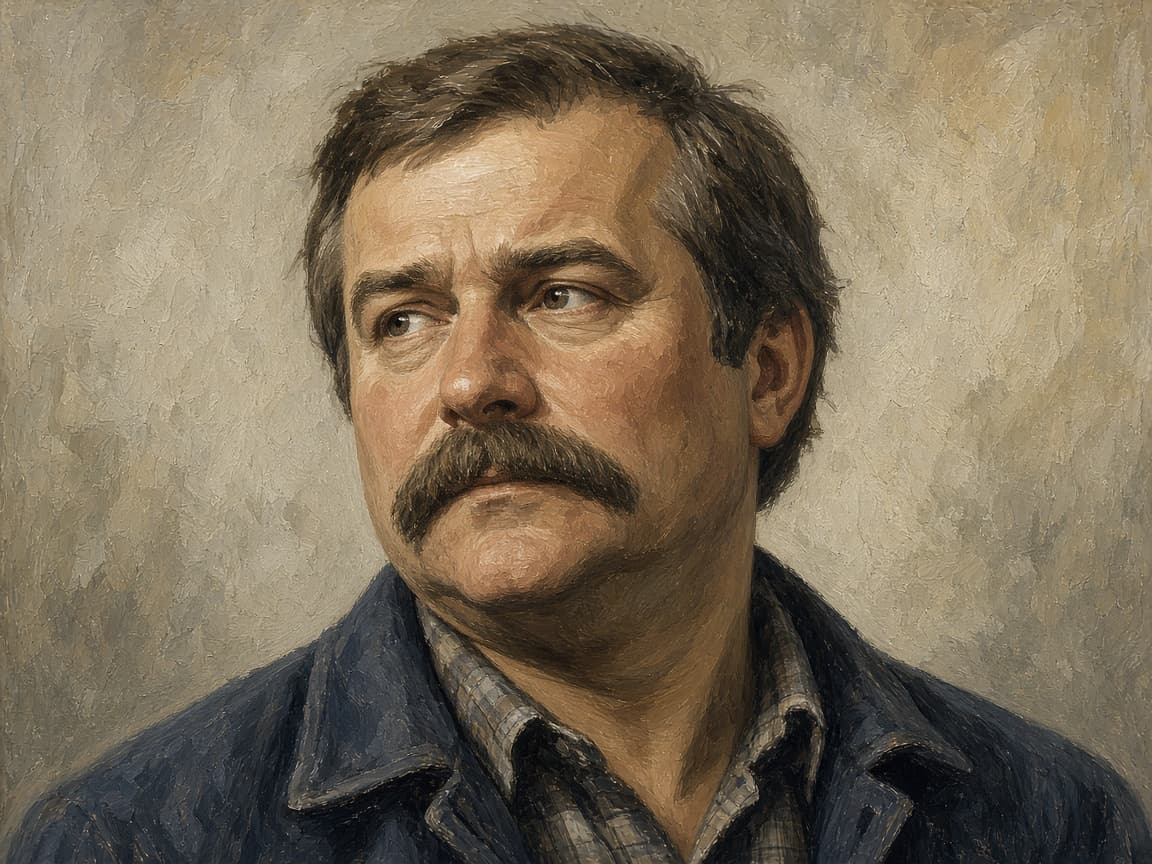
Lech Wałęsa, an electrician and strike leader at the Gdańsk Shipyard, became the public face of Solidarity when the August 1980 accords recognized an independent trade union in communist Poland. His mustache and plain speech traveled on smuggled video and Western broadcasts. The agreement followed days of occupational strikes and handwritten demands on wooden boards. Wałęsa's portrait is not celebrity decoration. It names the negotiator workers trusted across the yard gates. Strike bulletins posted at the gate listed food prices and free Saturdays beside political demands.
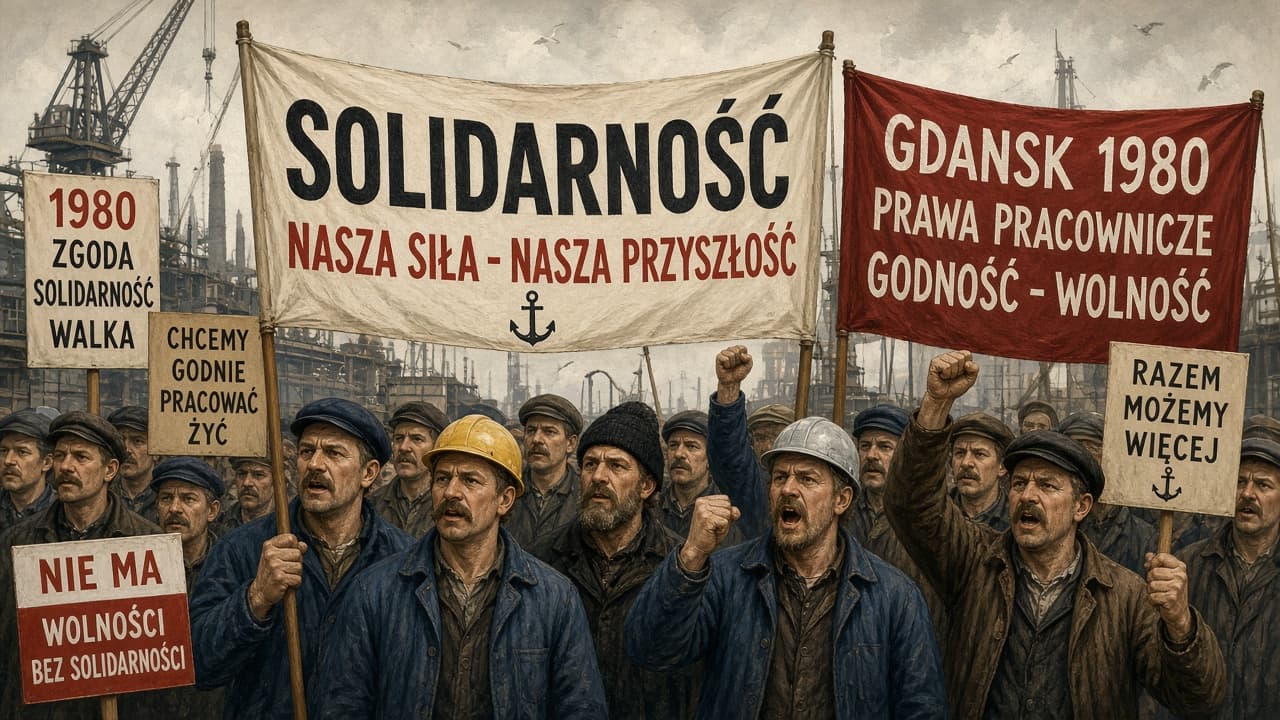
Shipyard crowds with Solidarity banners turned labor dispute into national movement: Catholic rituals, underground printing and a claim that civil society could exist beside the party state. The accords promised union rights and limited free speech openings that the regime later tried to crush with martial law. Even so, 1980 remained the dress rehearsal for 1989. Crowd and leader images together show how a coastal workplace crisis became a European political earthquake. Western unions sent money and printers while Eastern bloc governments watched nervously.
Why the government signed: the Polish United Workers' Party faced a general-strike threat it could not easily crush without Soviet-sized risk and economic collapse. Negotiation bought time. The agreement's ink did not convert Poland into a democracy overnight. It created a legal crack. Millions joined Solidarity within months, building a parallel civic life of unions, newspapers and local organization inside a state that still held the police and the army.
December 1981 brought martial law under General Wojciech Jaruzelski; Solidarity was driven underground. The pause did not erase the August lesson that workers could bargain as a society. Throughout the 1980s, underground publishing and parish networks kept the movement alive until round-table talks and the 1989 elections cracked the system open. Wałęsa later became president of a democratic Poland. The shipyard table of 1980 sits early in that longer chain.
Cold War readers sometimes treat Gdansk as only a U.S.-Soviet chess move. Local facts come first: wages, meat shortages, censorship and the memory of earlier crushed protests in 1956, 1970 and 1976. International radio and the Catholic Church amplified the strikers and John Paul II's Polish papacy mattered as spiritual backdrop. Still, the signatures belonged to people who slept in the yard and counted ballots of their own committees. Today the shipyard cranes remain a pilgrimage site for democracy tours, even as the industrial economy around them has changed. Museums teach the 21 demands line by line. The anniversary is a labor history date as much as a geopolitics date: independent unions were the wedge. For anyone living under managed speech and managed wages, 31 August shows a method: occupy the workplace, publish clear demands, refuse the easy riot and force authority to put concessions on paper. Paper can be broken. It can also be remembered and requoted when the next opening comes.
The 21 demands repaid reading in full: pay, pensions, Saturdays, press freedom, release of political prisoners and union independence sat side by side. Western headlines sometimes reduced the strike to anti-communism. The strikers' own list shows a labor movement insisting that material dignity and civic liberty travel together.
Wałęsa's mustache and victory gesture became global icons, which both helped and flattened the story. Hundreds of named and unnamed committee members negotiated wording, ran mimeographs and kept watch at the gates. A single celebrity cannot occupy a shipyard alone. Anniversary portraits should leave room in the frame for the crowd.
Soviet leaders watched Gdansk with alarm and restraint calculated in tanks not yet rolling. The Brezhnev Doctrine still haunted Eastern Europe after Prague 1968, yet Poland's size, debt and working-class cohesion made a simple invasion less tidy. The agreement bought Warsaw and Moscow a delay. Society used the delay to organize.
Shipbuilding noise returned after the signatures, yet the political silence of the 1970s did not. Factory cells, student groups and rural allies copied the coastal method. August 1980 taught Eastern Europe that a disciplined strike could extract written rights from a party that claimed to rule in labor's name. The contradiction never fully healed.
Eagle Frame's takeaway: 31 August 1980 is when the Gdańsk Agreement recognized independent unions and cracked open communist Poland's monopoly on organization. Know Wałęsa and the shipyard strikes, know Solidarity's rise and know that martial law delayed but did not erase what August began.