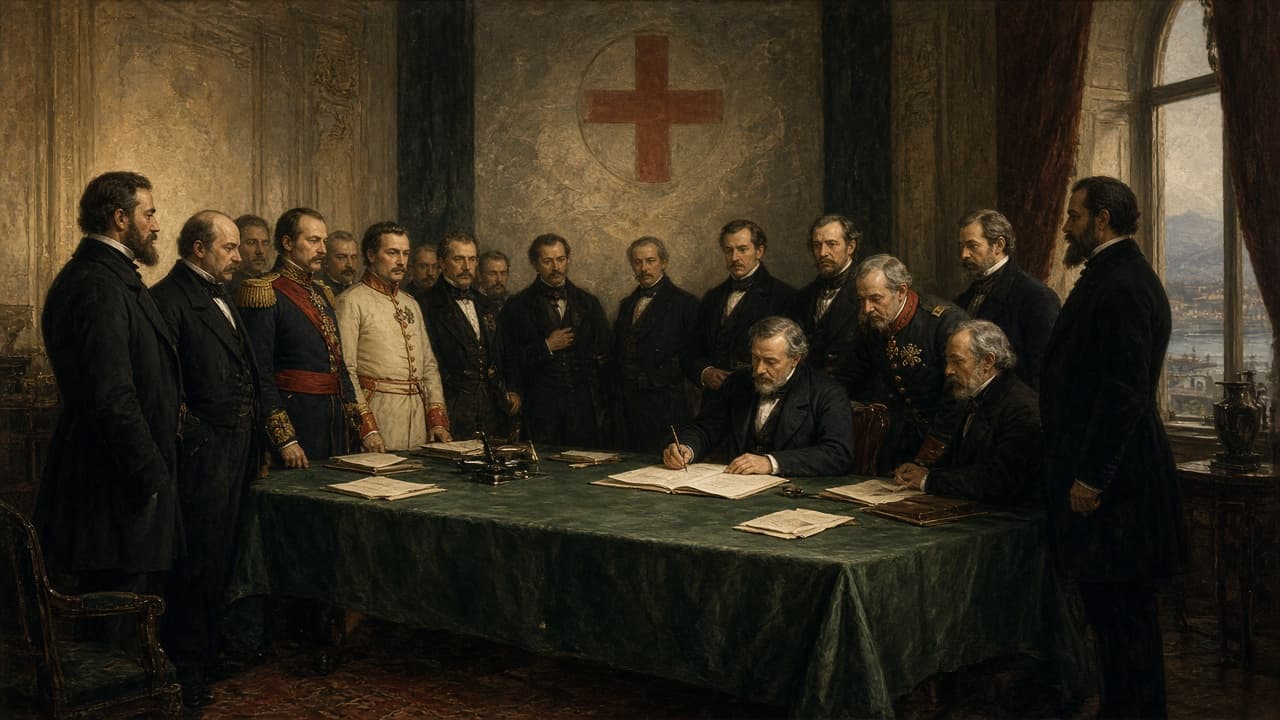
On this day: the first Geneva Convention is signed
On 22 August 1864, twelve nations signed the first Geneva Convention protecting wounded soldiers and medical workers in war. Henry Dunant's advocacy after Solferino helped shape the treaty.
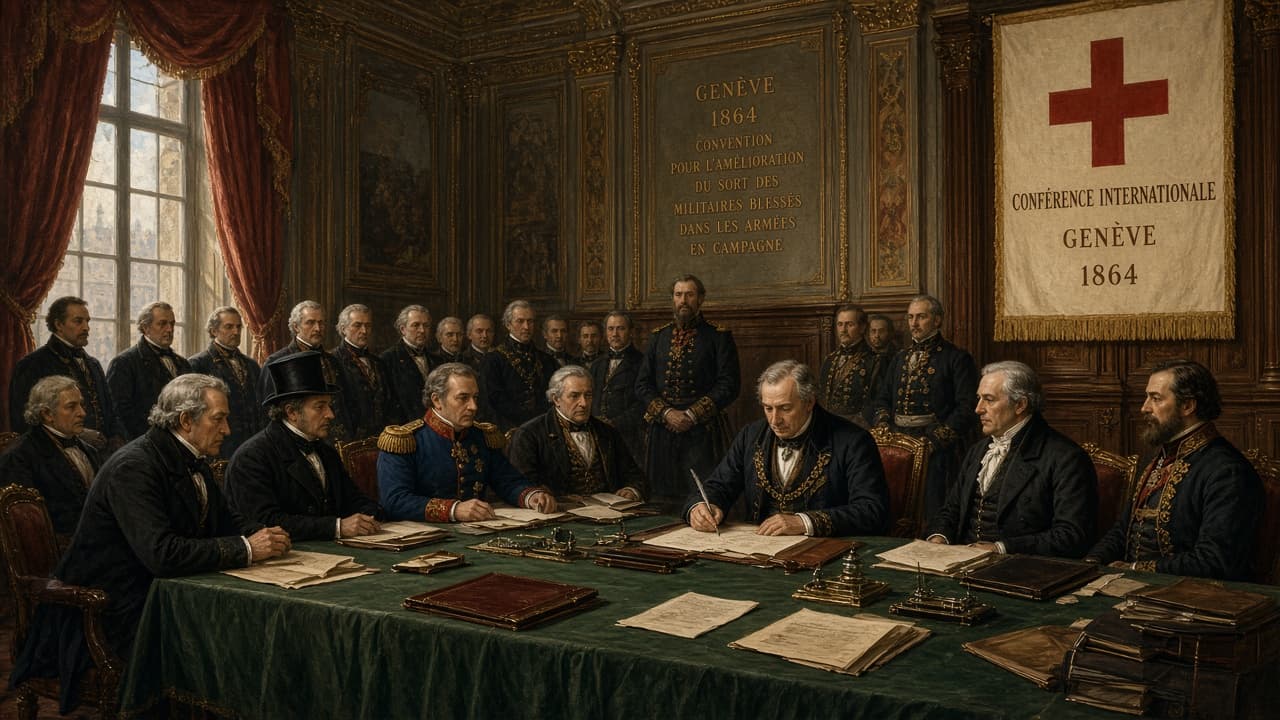
On 22 August 1864, representatives of twelve European governments signed the first Geneva Convention for the Amelioration of the Condition of the Wounded in Armies in the Field. The treaty established that medical personnel and facilities should be neutral in war, that wounded soldiers must be cared for regardless of nationality and that a distinctive emblem (the red cross on a white field) would mark protected persons and places. It was one of the first multilateral attempts to limit war's cruelty by written law.
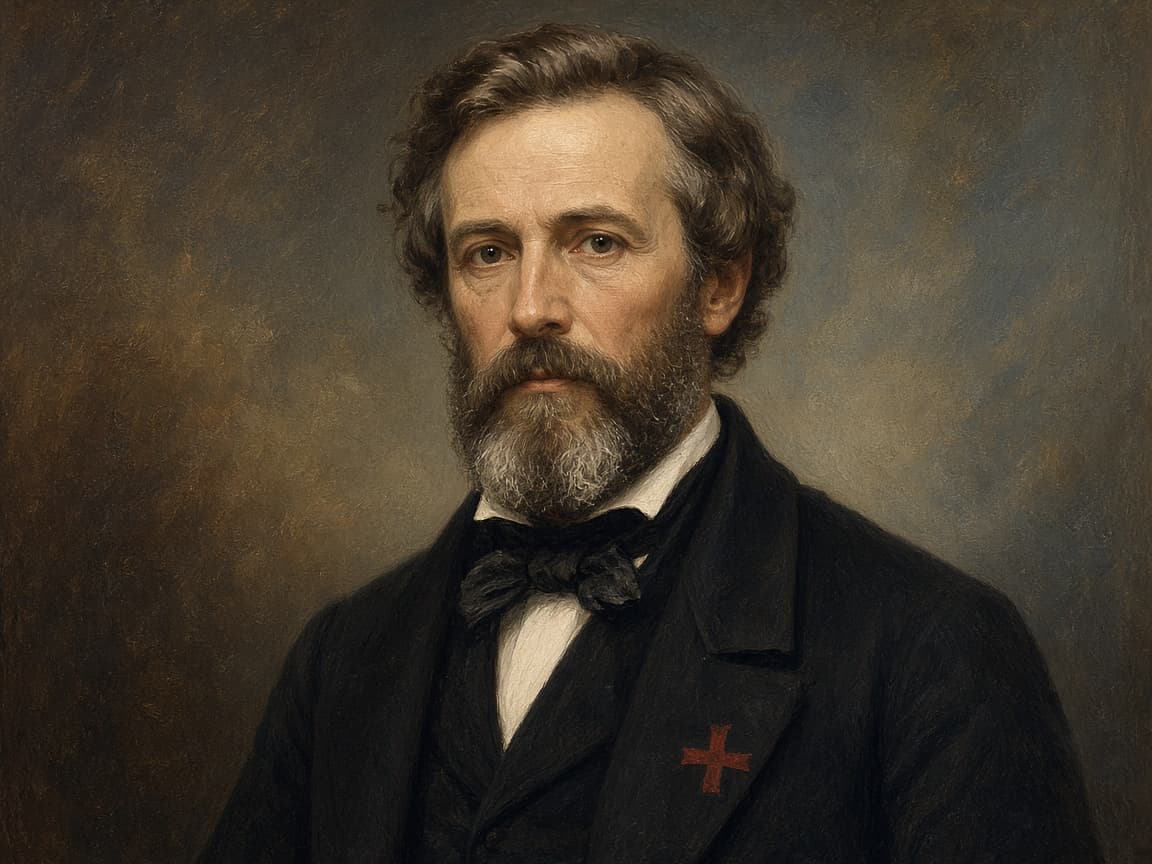
The first Geneva Convention in 1864 asked states to treat wounded soldiers as neutral once they were out of the fight and to respect medical personnel marked with a red cross on white. Battlefield aid scenes of the era still looked brutal, yet the emblem aimed to create a protected zone amid rifle and artillery fire. Henri Dunant's memory of Solferino and Swiss organizing energy pushed governments toward written rules instead of only custom. Law tried to civilize the aftermath of combat without pretending war would end.
Diplomats signing in a Geneva hall turned moral outrage into treaty text that other states could ratify and teach to their armies. Later conventions expanded protections to prisoners, civilians and shipwrecked sailors across land and sea. Compliance has always been uneven and often hypocritical under fire. The 1864 signature still matters as the seed of modern international humanitarian law and of Red Cross and Red Crescent societies that train volunteers worldwide. The hall image is paperwork. The aid image is why the paperwork claimed urgency.
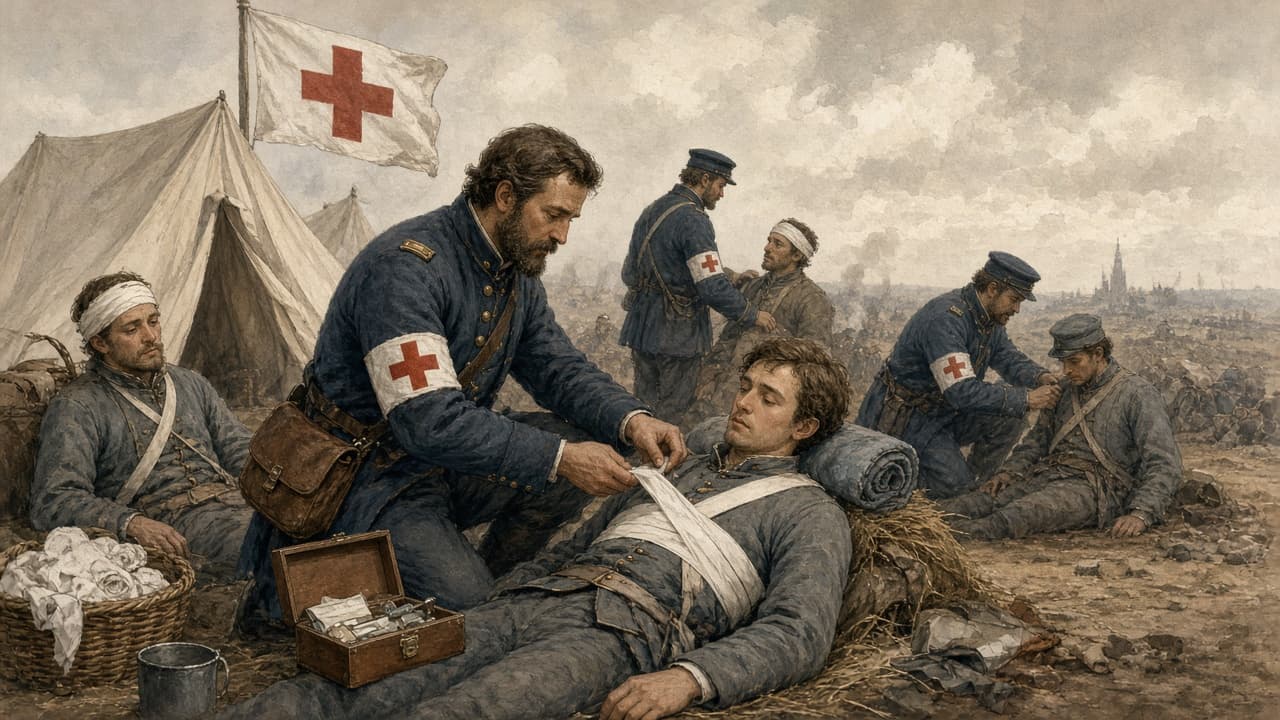
Henry Dunant, a Swiss businessman, had witnessed the 1859 Battle of Solferino in Italy, where tens of thousands were killed or wounded and many suffered without adequate care. His book A Memory of Solferino shocked readers and helped inspire a citizens' movement in Geneva. Dunant, lawyer Gustave Moynier, physician Louis Appia and others pushed governments toward rules that treated the wounded as humans before they were enemies.
What does the Convention do, in plain terms? It says ambulances, hospitals and medical staff may not be attacked if they are caring for the sick and wounded. Captors must treat enemy wounded with the same care as their own, within capacity. Medical units must display the emblem and not use it for military cover. The rules assumed interstate war between organized armies, the dominant European model of the mid-nineteenth century.
The red cross emblem was chosen as a color reversal of the Swiss flag, honoring Dunant's homeland's neutrality. Muslim states later adopted a red crescent in some contexts. Both symbols now mark protected medical work under international humanitarian law expanded far beyond the 1864 text. The International Committee of the Red Cross, born from the same Geneva milieu, still monitors compliance and aids victims.
Twelve signatories in 1864 grew into a web of treaties: revisions expanding protections, later conventions for prisoners of war, maritime wounded and civilians. The Hague Conferences added other laws of war. After World War II, the four Geneva Conventions of 1949 became the modern core. None of it erases battlefield horror. It gives lawyers, medics and prosecutors language to name violations when politics allows.
Limits are real. Governments invoke military necessity, classify detainees outside protections or simply ignore rules in civil wars and insurgencies the original drafters barely imagined. Dunant himself fell into debt and obscurity for years before a late Nobel Peace Prize recognition. The institution he inspired outlived his personal fortune.
For soldiers and medics today, Geneva language appears in training slides, rules of engagement cards and court-martial cases. Hospitals in conflict zones paint roofs and fly flags hoping aircraft will respect them, with mixed results. Knowing 22 August 1864 explains why those symbols exist and why neutral Switzerland still hosts humanitarian diplomacy.
Readers who think war is only won by weapons should still know the parallel track of law. It does not stop every atrocity. It records an international bet that some lines, once drawn on paper in Geneva, might shame or constrain the worst impulses when witnesses and institutions hold firm.
National societies for aid to the wounded sprang up across Europe, wearing the emblem and training volunteers before battle. Commanders who once looted field hospitals faced new expectations from allies and neutral observers. The 1864 text was short because drafters wanted governments to ratify quickly. Brevity did not mean weakness. It meant a first hook that later treaties could enlarge. Battlefield medics who wore the emblem tested whether combatants would respect it under fire. Some did. Some did not. Each violation became evidence for the next diplomatic push to widen protections. The 1864 signing was the start of that incremental habit, not the end of war's cruelty. Anniversaries work best when readers return to primary sources, survivor testimony and later scholarship instead of trusting a single headline from the day. Anniversaries work best when readers return to primary sources, survivor testimony and later scholarship instead of trusting a single headline from the day.
Eagle Frame's takeaway: 22 August 1864 is when the first Geneva Convention protected wounded soldiers and medical workers in war. Know Henry Dunant's Solferino witness, know the red cross emblem and know that later treaties built on that day's humanitarian foundation.