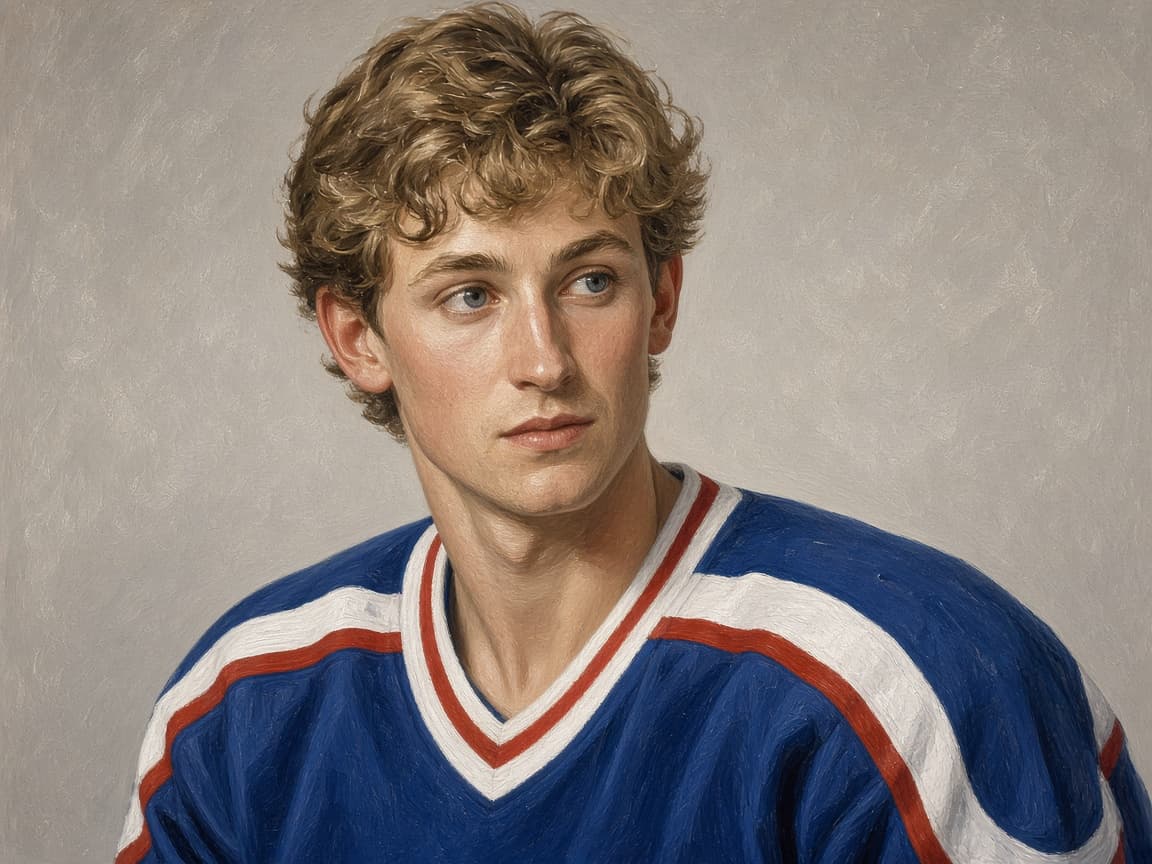
On this day: Wayne Gretzky is traded to the Los Angeles Kings
On 9 August 1988, the Edmonton Oilers traded Wayne Gretzky to the Los Angeles Kings. Canada reacted with shock and NHL hockey's center of gravity shifted toward a warmer market.
On 9 August 1988, the Edmonton Oilers traded Wayne Gretzky to the Los Angeles Kings. The deal also moved teammates Marty McSorley and Mike Krushelnyski south. Edmonton received Jimmy Carson, Martin Gelinas, draft picks and cash. For Canadian fans who had watched Gretzky lead the Oilers to four Stanley Cups in the 1980s, the news felt like a national insult as much as a roster move. Newspapers ran mourning headlines. Callers flooded radio shows. A hockey identity built around The Great One suddenly had to imagine life without him in an Oilers sweater.
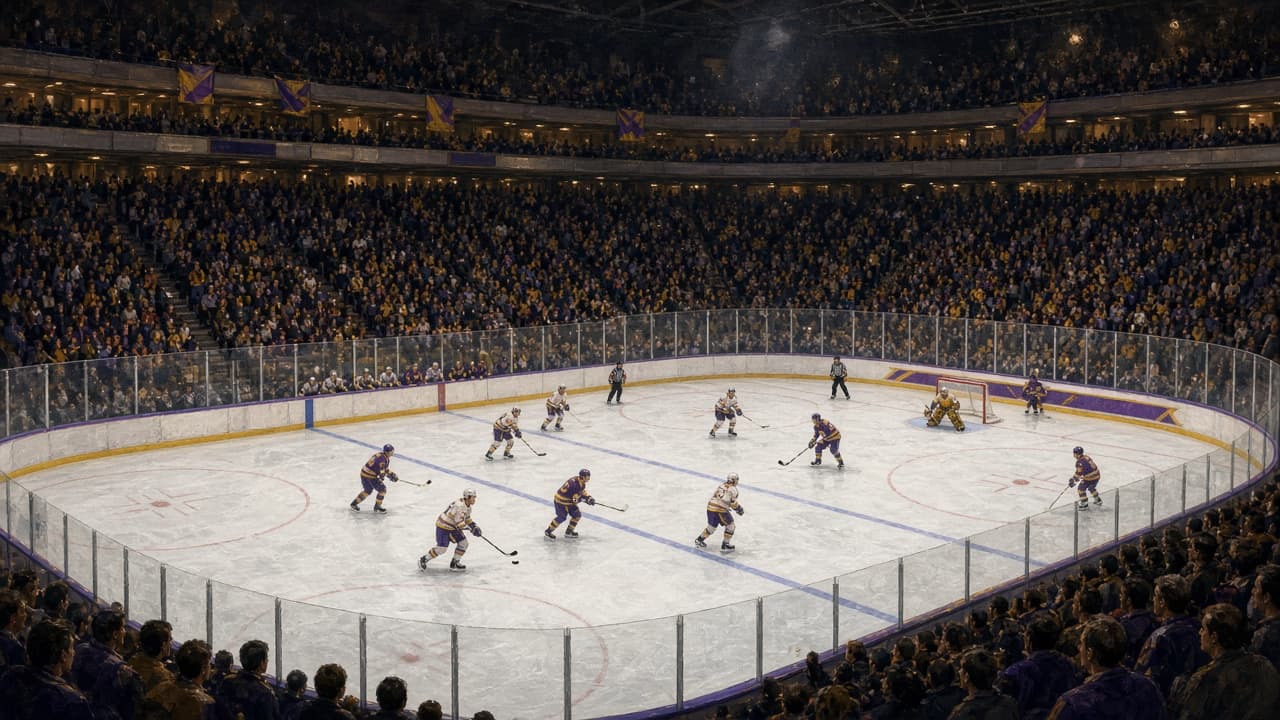
Los Angeles was not yet a proven hockey market when Gretzky arrived. The Kings needed a star who could sell tickets, fill television windows and make California kids lace up skates. Arena nights after the trade looked different: denser crowds, more national broadcasts and a Pacific Division storyline that forced Eastern fans to stay up late. Gretzky's playmaking still relied on anticipation and soft passes more than bulk. The move also reset salary and celebrity expectations for athletes who could carry a franchise into nontraditional cities.
Edmonton's dynasty years had already delivered multiple Stanley Cups with Gretzky as the centerpiece beside Mark Messier, Paul Coffey and a deep supporting cast. The trade's shock in Alberta was partly grief for that unfinished dynasty and partly anger at owner decisions that treated a civic icon as a movable asset. Years later, historians still weigh Oilers championships against the Kings' cultural expansion of the sport. Both frames are true: a northern powerhouse was broken up and a southern market learned to love NHL hockey because the league's best player suddenly wore black and silver.
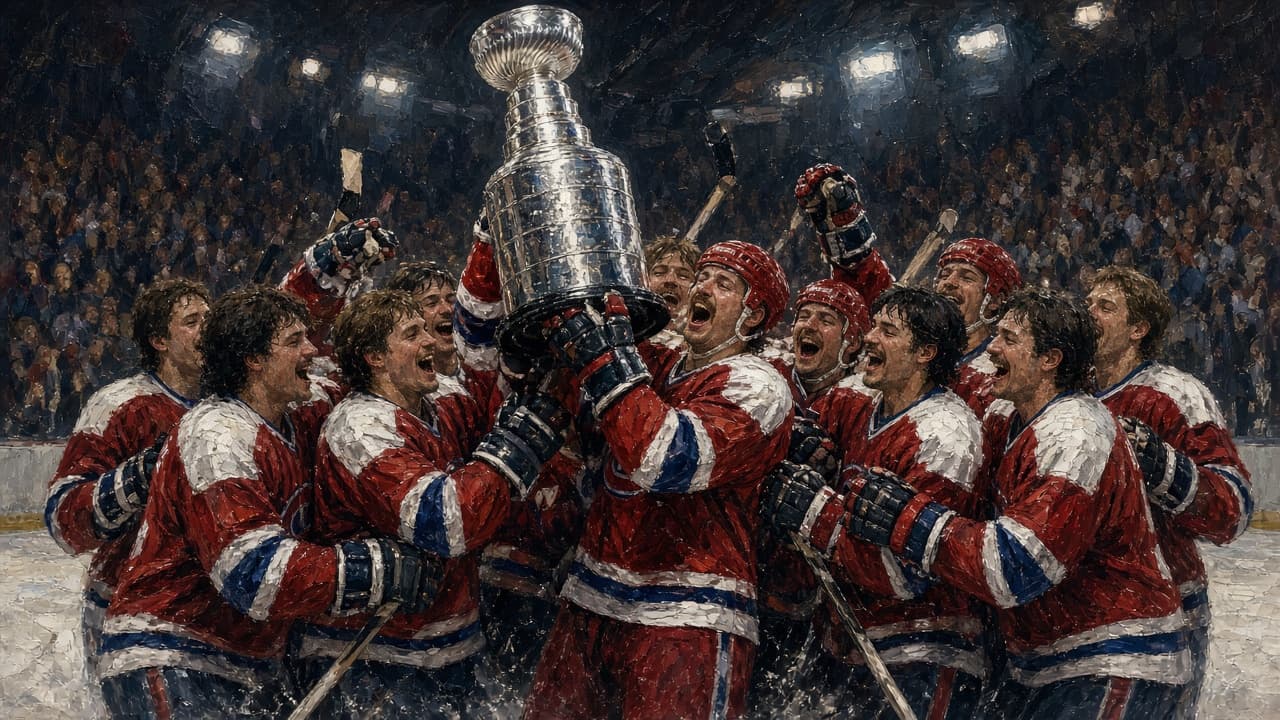
Gretzky was already the face of the sport. Born in Brantford, Ontario, in 1961, he rewrote scoring records with vision and timing more than raw size. In Edmonton he centered a fast, skilled team with Mark Messier, Jari Kurri, Paul Coffey and Grant Fuhr among the supporting stars. The Oilers' dynasty made a mid-sized Canadian market feel like the center of the hockey world. Trading that centerpiece was not a quiet salary tweak. It was a franchise and cultural rupture.
Why did it happen? Owner Peter Pocklington faced financial pressure and saw value in moving Gretzky while his market price was highest. Gretzky himself later described wanting a new chapter and being part of the decision, a point that still sparks argument among fans who preferred a cleaner villain. Kings owner Bruce McNall wanted a superstar who could sell tickets in Southern California, where ice hockey competed with beaches, basketball and entertainment noise. Cash and future assets mattered as much as immediate wins on either side of the ledger.
On the ice, Gretzky still produced at an elite level in Los Angeles. He lifted the Kings' profile, packed buildings and made West Coast road trips feel like events. The Kings reached the Stanley Cup Final in 1993, falling to Montreal. Gretzky never won a Cup with Los Angeles, a fact critics still cite. Supporters answer that he changed what markets the NHL believed could work. Expansion and relocation toward the Sun Belt accelerated in the years that followed. Phoenix, San Jose, Anaheim, Dallas and other non-traditional cities became part of the league's map.
Canada's reaction on 9 August was raw because Gretzky had been treated as shared public property. Politicians commented. Fans burned jerseys. The phrase "the trade" needed no other label in Edmonton for years. That intensity reveals how sport can carry national mood when one player seems to embody a country's winter culture. It also shows the business truth underneath romance: players are assets under contract and owners can move them.
Personal details tangled with the sports story. Gretzky had married actress Janet Jones earlier in 1988. Los Angeles offered a different life as well as a different rink. Tabloids mixed Hollywood and hockey in ways Edmonton never had. For younger fans discovering the 1980s dynasty only through highlight reels, that marriage subplot can distract from the on-ice craft that made the trade valuable in the first place: playmaking, anticipation and a passing game that created teammates' careers.
Numbers still explain the aura. Gretzky finished with 894 regular-season goals and 1,963 assists for 2,857 points, records that still tower over the NHL. He won nine Hart Trophies as league MVP. Four Cups in Edmonton bookend the trade as the peak he left behind. Later stops in St. Louis and New York closed a career that had already rewritten what scoring looked like. The 1988 deal sits in the middle as the day the map changed.
For modern readers, the trade is a case study in sports globalization before that word was common. Move the best player to a huge media market and you grow the product even if you wound the city that raised the dynasty. Edmonton rebuilt and later won again in other eras. Los Angeles learned that star power can plant a franchise in unlikely weather. Both truths can sit together without turning either city into a cartoon.
Eagle Frame's takeaway: 9 August 1988 is when Edmonton sold its dynasty's heart to Los Angeles and forced Canada to watch hockey's business logic outrank hometown myth. Know Gretzky's Oilers peak, know the Kings' growth bet and know why Sun Belt arenas still echo that trade.