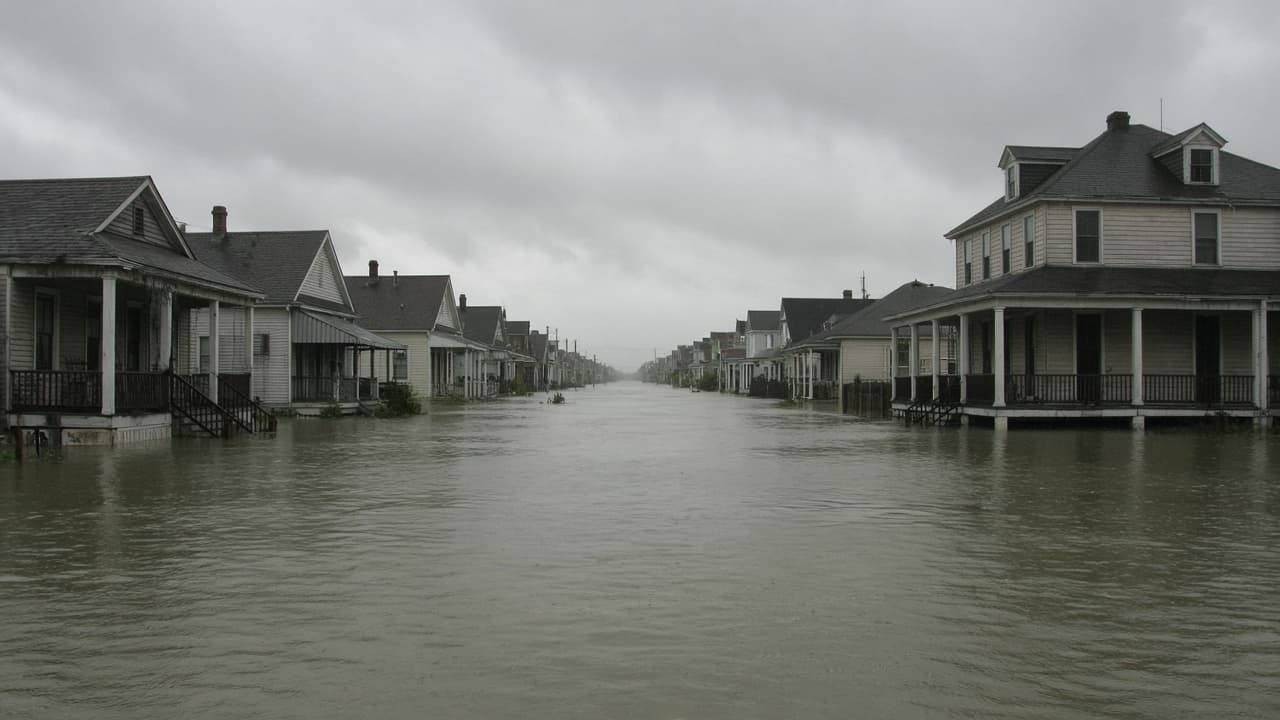
On this day: Hurricane Katrina hits the Gulf Coast
On 29 August 2005, Hurricane Katrina made landfall on the Gulf Coast. Storm surge and levee failures flooded New Orleans; the disaster killed more than 1,800 people and exposed deep failures in planning and response.
On 29 August 2005, Hurricane Katrina made landfall along the U.S. Gulf Coast as a powerful storm that had intensified over the warm Gulf of Mexico. Mississippi coastal towns took a direct, catastrophic surge. New Orleans, much of it built below the level of surrounding waterways, suffered levee and floodwall failures that drowned neighborhoods for days. More than 1,800 people died across the affected region. Hundreds of thousands were displaced. The televised failure of evacuation, shelter and rescue became a lasting political wound. Families searched missing-person lists while mold claimed houses that looked intact from the air.
Start with the storm physics. A hurricane is an organized tropical cyclone: a heat engine that draws energy from warm ocean water and builds spiral rainbands around a low-pressure eye. Storm surge is seawater pushed ashore by winds and pressure; it can kill more people than rain alone. Katrina's surge smashed the Mississippi coast. In the New Orleans area, surge and waves stressed a system of levees, floodwalls and canals meant to keep a bowl-shaped metro dry. When parts of that system breached or overtopped, Lake Pontchartrain and canal waters poured into the city.
New Orleans sits in a bowl beside the Mississippi and Lake Pontchartrain, depending on levees and floodwalls to keep water out. When Katrina's storm surge loaded those structures, some sections breached or overtopped. Water then poured into neighborhoods below sea level and stayed. An educational failure diagram shows why wind damage and flood damage are different stories: the hurricane was the trigger, but wall design, soil and maintenance decided which blocks drowned. Engineering reviews later called many failures preventable. Roof markings and boat rescues became the desperate grammar of the first week after landfall.
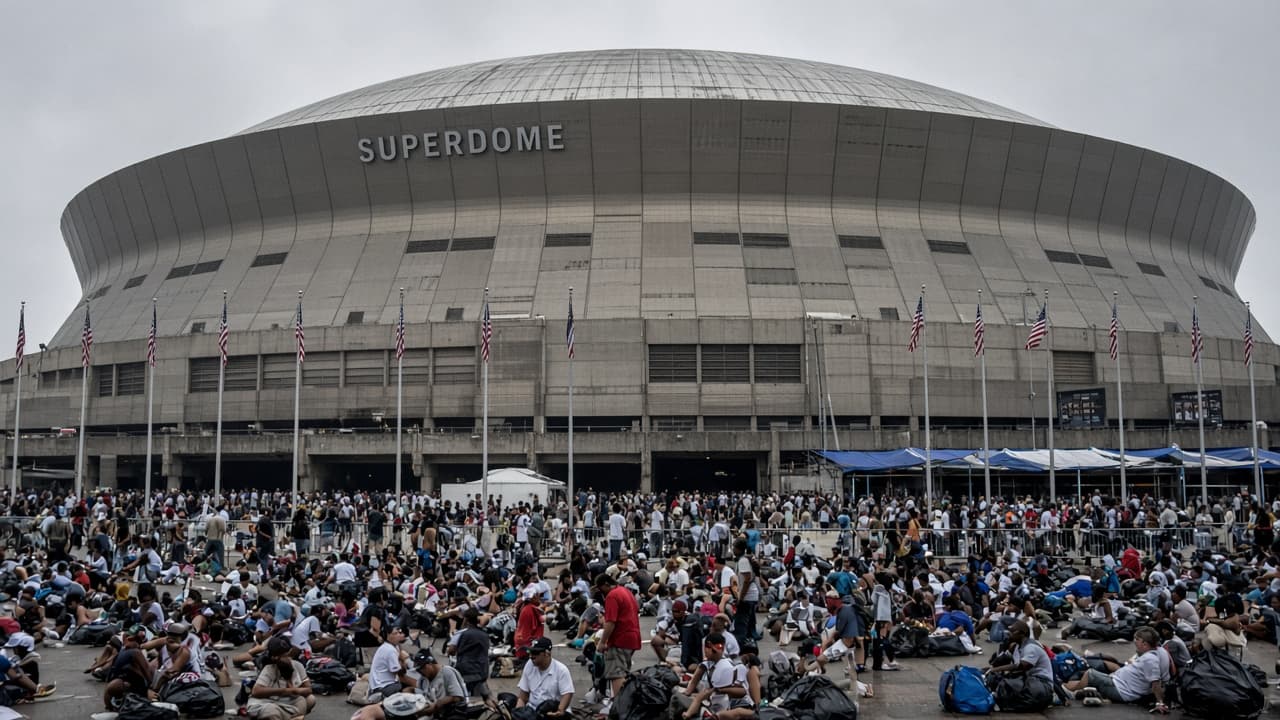
The Superdome became a shelter of last resort when evacuation left tens of thousands behind. Crowds outside and inside faced heat, scarce supplies and collapsing local order while televised images shamed national response. Parallel failures hit the Convention Center and hospitals. Aftermath debates covered race, class, federalism and wetland loss. The Dome exterior in those days is not sports architecture. It is a diagram of who can leave a city and who is told to wait on a roof. Diaspora communities formed in Houston and Atlanta as families waited years to return or rebuild.
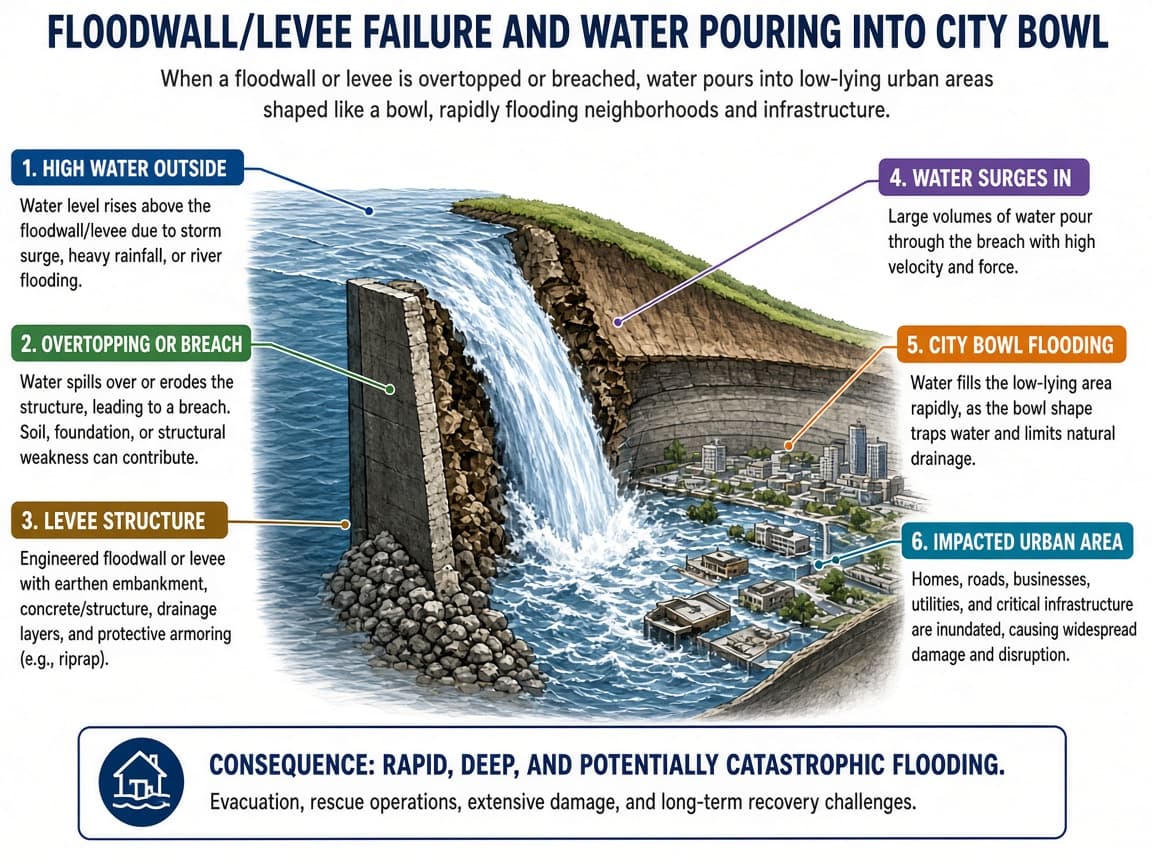
Engineering reviews afterward found design and construction flaws in portions of the protective system, not only an act of nature beyond all prediction. The U.S. Army Corps of Engineers' flood protection network had been treated as stronger than it proved. Canals that carried water through the city became pathways for catastrophe when walls gave way. Understanding Katrina means understanding that "natural disaster" and "infrastructure failure" braided together.
Human systems failed in parallel. Evacuation worked for many with cars and money; it stranded many without. The Superdome and Convention Center became desperate shelters. Federal, state and local coordination broke down in public. Race and class shaped who waited on rooftops and who found a highway out. Journalists showed images that undercut comforting myths about equal vulnerability. Mutual aid from strangers and Coast Guard rescues saved lives even as bureaucracy stalled.
The Mississippi Gulf Coast's story is sometimes overshadowed by New Orleans footage yet was equally brutal: entire beachfront blocks erased, casinos shoved inland, towns such as Waveland and Biloxi gutted. Recovery timelines differed by parish and county. Insurance fights, trailers and rebuilt codes filled years. Some residents never returned. Policy aftermath included a rebuilt and stronger hurricane protection project for New Orleans, debates over wetlands as storm buffers and reforms in emergency management branding that did not erase distrust. Katrina also became shorthand in climate and planning talks: warmer seas can feed stronger storms and coastal cities must match maps to honest engineering. The storm was one year; the vulnerability was older.
Anniversaries should name the dead and the displaced without turning suffering into spectacle. They should also keep the levee diagram in view. Wind is visible. A floodwall's weak soil and poor design are harder to film, yet they decided who drowned inside a city that believed it had walls enough.
Wetlands around the Louisiana coast had been sliced by canals and starved of river sediment for generations, removing natural surge buffers before Katrina arrived. Coastal restoration debates after 2005 tried to reconnect that geological truth to budget lines. A hurricane is weather. A naked coast is a long policy choice.
Charter schools, public housing demolitions and neighborhood returns became battlegrounds in New Orleans recovery politics. Some residents saw opportunity in reform; others saw displacement dressed as revitalization. Anniversaries that only show helicopters and rooftops miss the decade of arguments over who gets to come home and on what terms.
Hospitals, nursing homes and prisons faced lethal choices when power failed and water rose. Some staff improvised heroically; some systems abandoned people in rooms that became traps. Investigations afterward documented both courage and neglect. Any serious anniversary must walk those hallways in memory, not only the iconic highway overpasses. Congress later created the Select Bipartisan Committee to Investigate the Preparation for and Response to Hurricane Katrina and its findings still shape how FEMA and the Corps of Engineers are judged.
Eagle Frame's takeaway: 29 August 2005 is when Katrina's surge and failed protections devastated the Gulf Coast. Know storm surge, know the bowl and the breaches and know that the disaster was social and engineering as much as weather.