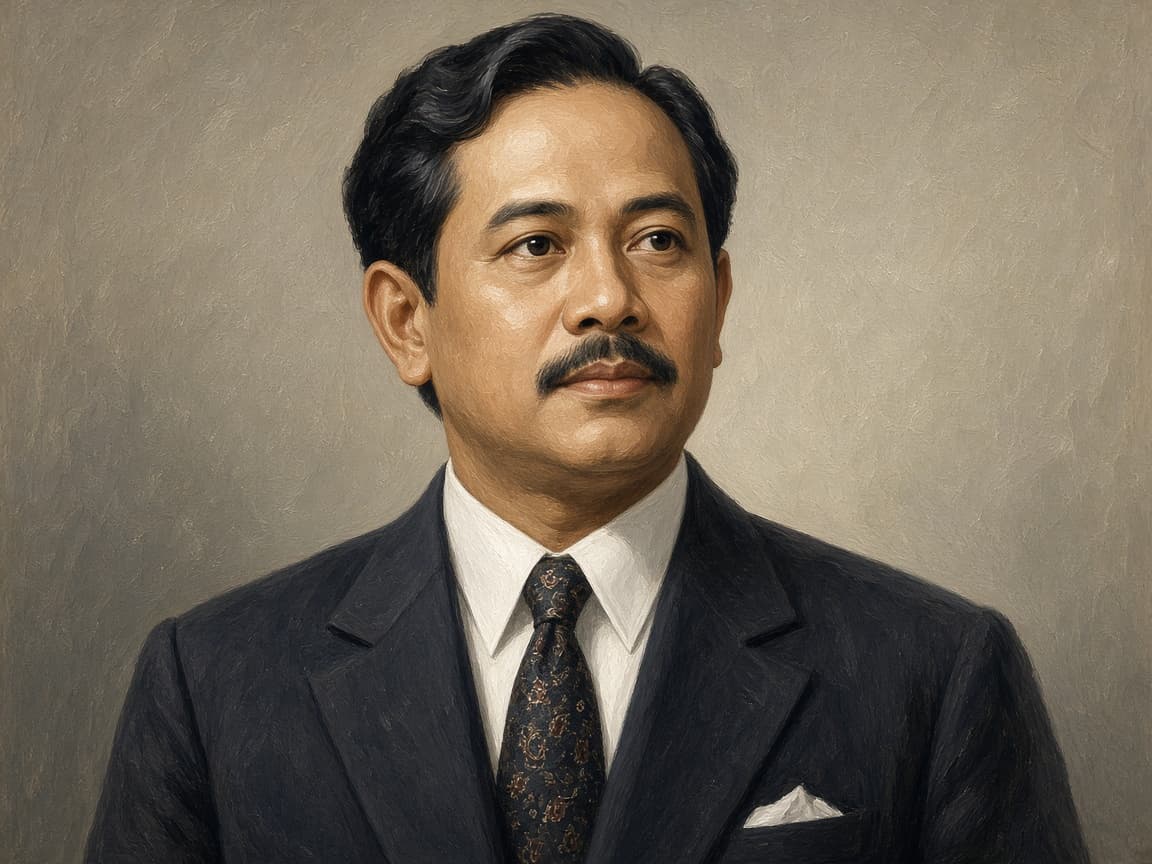
On this day: Indonesia proclaims independence
On 17 August 1945, Sukarno and Mohammad Hatta proclaimed Indonesia's independence in Jakarta as Japan's occupation collapsed. A long revolution against returning Dutch power followed.
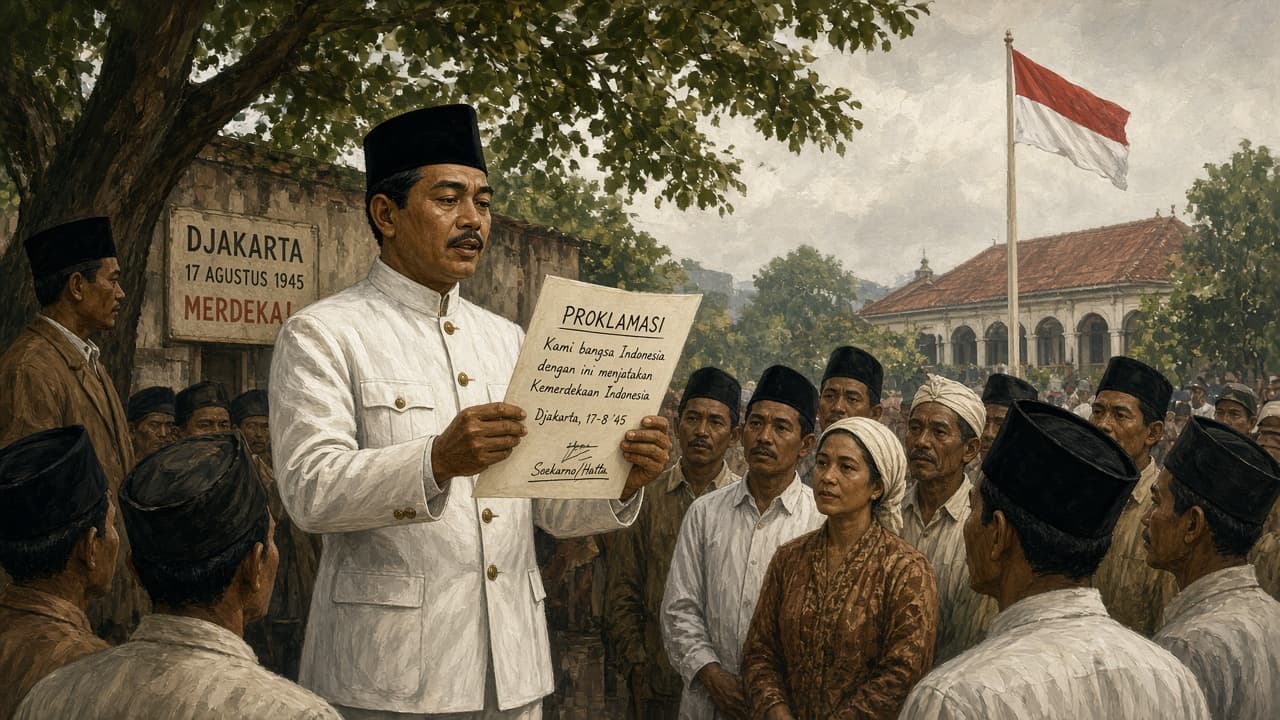
On 17 August 1945, in Jakarta, Sukarno read a short proclamation of independence for Indonesia. Mohammad Hatta stood with him as co-proclaimer. The text was brief on purpose. It declared independence and promised that matters concerning the transfer of power would be settled carefully and in the shortest possible time. The date became Indonesia's Independence Day. Making the claim stick against returning colonial force would take years of war and diplomacy.
On 17 August 1945, Sukarno read Indonesia's proclamation of independence in Jakarta, days after Japan's surrender upended occupation politics in the archipelago. The short text declared freedom from colonial rule and named Sukarno and Mohammad Hatta as leaders of the new government. Dutch authorities rejected the claim and fought a grinding war of reconquest before finally recognizing sovereignty years later. The proclamation moment matters because it fixed a date Indonesians still celebrate, even though diplomacy and battle had to catch up.
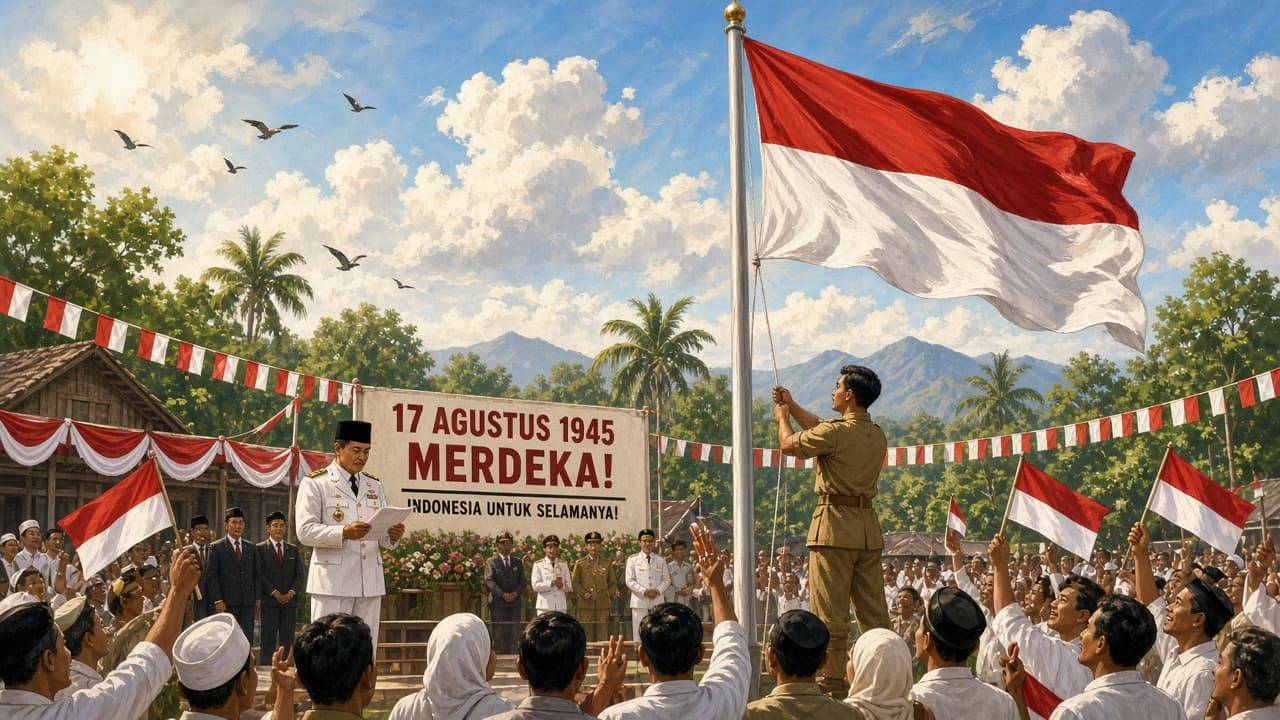
Raising the red-and-white flag at early ceremonies turned cloth into a claim of nationhood across islands that colonial maps had yoked together under the Netherlands East Indies. Youth groups, nationalist parties and Japanese-trained militias all pushed the revolutionary wave with different hopes. The aftermath included diplomacy, guerrilla war and negotiated settlements that still shape Indonesian political memory. Pairing the reading of the text with the flag raising shows both the legal utterance and the public ritual that made independence feel real in the street.
The setting was a wartime vacuum. Japan had occupied the Dutch East Indies after driving out colonial Dutch authority early in the Pacific War. By mid-August 1945 Japan had accepted Allied surrender terms. Across Southeast Asia, old empires tried to walk back in while local nationalists raced to define new states. Indonesian organizers who had worked under and against occupation saw a narrow window: proclaim the republic before European colonialism could fully reassemble its paperwork and troops.
Younger activists pressed Sukarno and Hatta not to wait for permission from Allied or Japanese authorities. The proclamation was prepared overnight and read the next morning at Sukarno's house on Pegangsaan Timur, now remembered along Jalan Proklamasi. A simple flag ceremony followed. Radio broadcasts and messengers carried the news across an archipelago of islands, languages, wartime hunger and political factions that did not all speak with one voice.
The Netherlands rejected the idea that a morning ceremony ended its claim. Dutch forces and administrators sought to restore control as Allied arrangements shifted in the region. What followed is commonly called the Indonesian National Revolution, running roughly from 1945 to 1949: diplomacy, guerrilla war, urban fighting, Dutch military campaigns often labeled "police actions" and rising international pressure. Republican leaders tried to build ministries and armies while cities changed hands. Civilians absorbed bombardment, scarcity and reprisals.
International politics shaped the endgame as much as any single battle map. The United Nations debated the conflict. American and other postwar priorities increasingly discouraged a full European reconquest financed by exhausted treasuries. Negotiations culminated in the Round Table Conference of 1949 and Dutch recognition of Indonesian sovereignty, with bitter leftover disputes, notably over West New Guinea. Through all of it, 17 August remained the republic's moral and calendar anchor.
Sukarno became the dominant public face of early independence, a powerful orator who framed freedom as a break from centuries of colonial extraction. Hatta, more reserved and organizational, was essential to early government. Their partnership and later tensions are part of Indonesian political memory. Neither biography replaces the wider movement that made the proclamation possible: youth groups, Islamic organizations, socialist currents, regional leaders and fighters across Java, Sumatra and beyond.
Readers outside Indonesia often compress the story into a single liberation postcard. Indonesians know the denser timeline. Occupation hardship, revolutionary violence, Dutch military campaigns and negotiated recognition all sit beside the short text of the proclamation. Independence was spoken in a morning. Sovereignty was contested for years and then argued again in domestic politics about what kind of state should follow.
The anniversary still structures ceremonies, school lessons and public debate about what freedom cost and what unfinished business remains. Knowing the Japanese collapse, the Sukarno-Hatta text and the 1945-1949 struggle keeps the day from floating free of cause and effect. After recognition, the new state still had to hold a huge archipelago together across languages, islands and rival visions of the future.
Youth groups (pemuda) sometimes acted faster than older leaders, seizing radio stations and raising flags before formal orders arrived. Japanese military units still on the ground created a dangerous vacuum. Allied command structures were slow to recognize the republic. That messy August explains why Indonesian memory honors both the proclamation text and the fighters who made it real in streets far from Jakarta. Dutch blockades and military campaigns tried to restore colonial trade routes after 1945. Republican diplomats lobbied at the United Nations while guerrillas held countryside. The proclamation was a sentence on paper. Ships, rifles and negotiation tables decided how long independence would take to become recognized fact.
Eagle Frame's takeaway: 17 August 1945 is when Sukarno and Hatta proclaimed a republic into a collapsing occupation. Know the short text, know the long revolution that followed and know why Indonesians treat that morning as the nation's birthday even though full recognition came later.