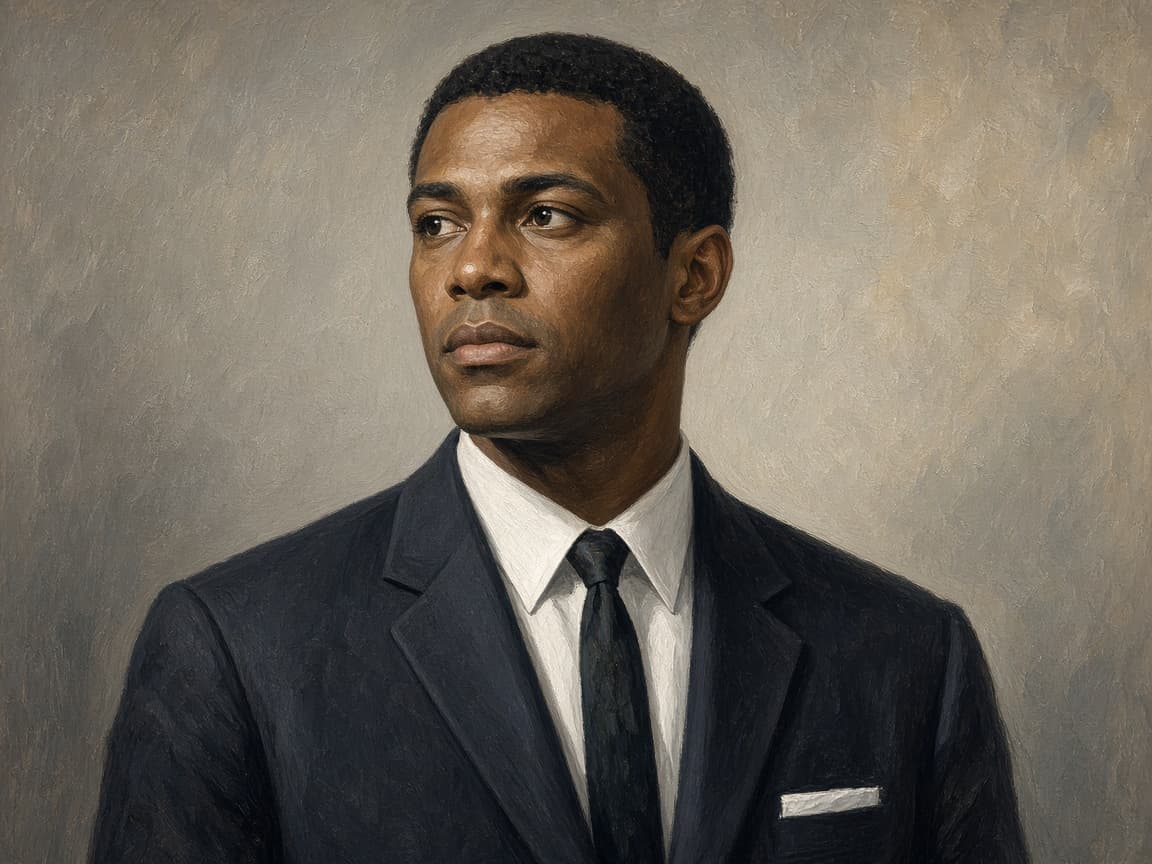
On this day: James Meredith graduates from Ole Miss
On 18 August 1963, James Meredith became the first Black graduate of the University of Mississippi. His enrollment the year before had required federal force against segregationist resistance.
On 18 August 1963, James Meredith received his degree from the University of Mississippi. He was the first Black graduate in the school's history. The ceremony closed an academic grind that had begun under federal protection and daily harassment. It also marked a public defeat for the claim that Ole Miss could remain a whites-only campus by custom and state power.
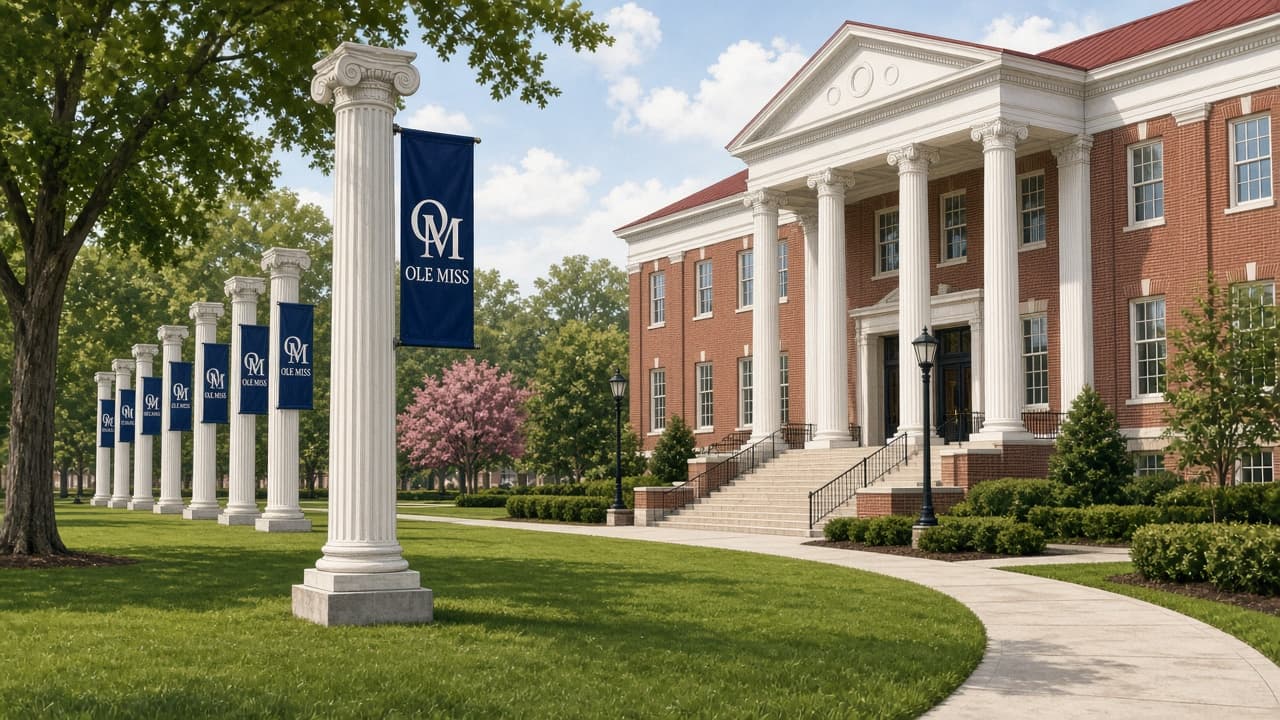
James Meredith's graduation from the University of Mississippi in August 1963 completed a journey that began with his contested enrollment in 1962 under federal protection. Campus columns and lawns that look serene in peacetime photographs had been sites of riot when white mobs tried to block a Black student from registering. Tear gas and federal troops had held the line so classes could continue. Meredith's diploma was academic paperwork and civil-rights evidence at once: the state university could no longer claim a whites-only future without openly defying federal courts.
The enrollment walk in 1962, escorted amid threats, is the image that made Meredith a national figure before commencement. U.S. marshals and troops enforced a court order against a governor's defiance. Meredith endured isolation and hallway harassment while studying under a spotlight he never asked to carry alone. His graduation did not end campus racism, yet it proved that token barriers could be broken by law backed with force. Pairing the calm campus vista with the escorted arrival keeps both the institution's self-image and the conflict that integrated it.
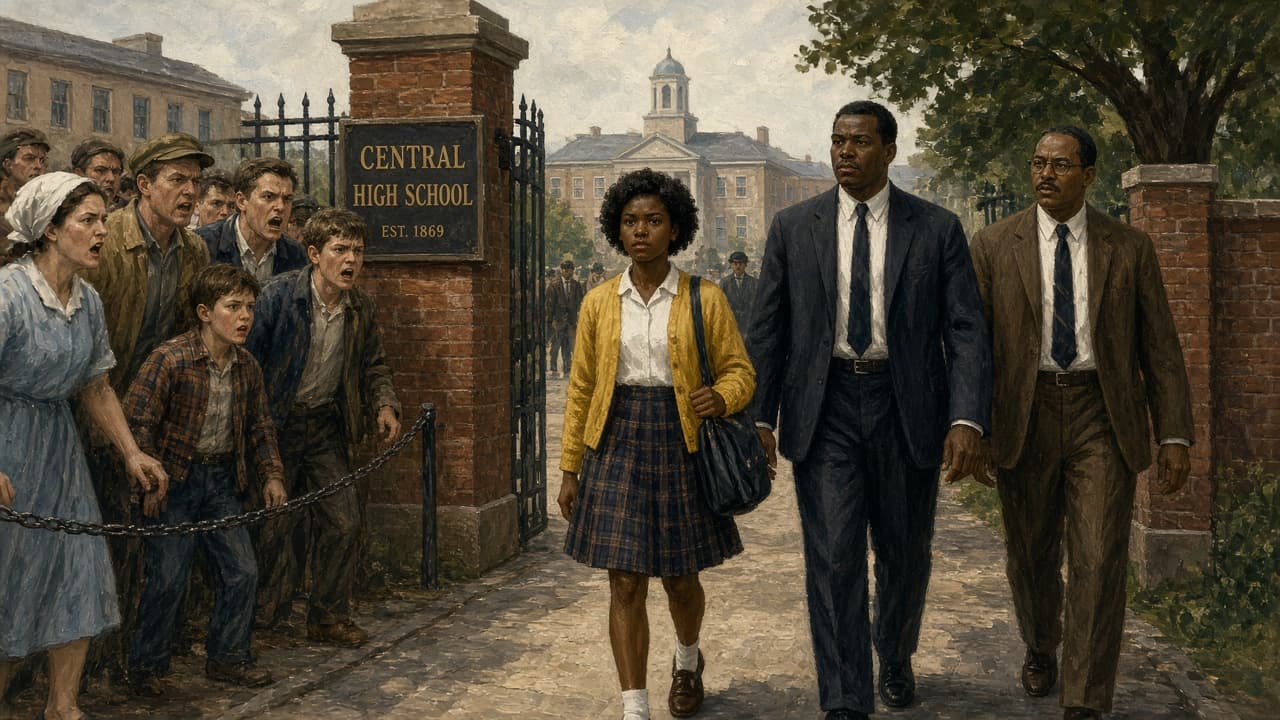
Meredith was a Mississippi-born Air Force veteran who applied to transfer to the university in 1961. State officials blocked him. Federal courts eventually ordered his admission. In late September and early October 1962, when he tried to enroll, Governor Ross Barnett and segregationist crowds turned Oxford into a national crisis. President John F. Kennedy federalized the Mississippi National Guard and sent federal marshals. A deadly campus riot erupted before Meredith could register for classes.
Once enrolled, he studied under protection that never felt like ordinary student life. Insults, isolation and threats were constant. Classmates and townspeople made daily hostility part of the curriculum he had not signed up for. He completed the coursework anyway. Graduation day in August 1963 was quieter than the enrollment crisis, yet it answered the same constitutional question: whether court orders and federal power could make a state university honor a Black student's right to finish.
The wider civil-rights timeline matters. Meredith's Ole Miss battle sat between the Freedom Rides and the March on Washington later in August 1963. It showed that school desegregation after Brown v. Board of Education still required case-by-case force when state politicians chose massive resistance. A diploma did not end racism on campus or across Mississippi. It proved that resistance could lose a specific institutional fight when federal authority held.
Meredith remained a complicated public figure afterward. In 1966 he began a March Against Fear from Memphis toward Jackson and was shot and wounded on the road; other civil-rights leaders continued and expanded the march. His later politics sometimes diverged from mainstream movement organizations. None of that erases the 1962-1963 facts: veteran applicant, court order, riot, federal troops, lonely semesters and a first Black graduation.
For readers who know Ole Miss mainly through sports branding, the Meredith year is the necessary corrective. Integration was not a polite administrative memo. It was a confrontation with tear gas, rifles and a young man walking to class under guard. Remembering graduation day keeps the enrollment crisis from shrinking into a single riot photograph without an ending or a person at the center.
Impact ran beyond one diploma. Other Black students followed into southern universities that had treated exclusion as destiny. Federal authority to enforce court-ordered desegregation gained a vivid case study watched on television. Meredith's name became shorthand for that collision of law and custom on a college campus where football Saturday had long been the louder public story.
Keep the two Augusts of 1963 in conversation without confusing them. Meredith graduated on 18 August. Later that month, the March on Washington put a different civil-rights grammar on the National Mall. Different tactics, same larger struggle over who counted as a full citizen in public institutions built with public money.
University archives now teach the Meredith enrollment as required history, not optional campus lore. Other southern schools that resisted integration faced similar federal pressure in the years that followed. Meredith's diploma proved that a court order plus federal troops could open a door. It did not prove the room beyond the door was safe or welcoming. That distinction still matters when readers measure progress by laws alone. Meredith later enrolled at the University of Mississippi School of Law and continued public life on his own terms. Campus monuments and course materials now name him, though that recognition arrived decades after the riot. Graduation day in 1963 was quiet compared with enrollment week. Quiet did not mean safe or finished. Anniversaries work best when readers return to primary sources, survivor testimony and later scholarship instead of trusting a single headline from the day.
Eagle Frame's takeaway: 18 August 1963 is when James Meredith finished what federal force had opened at Ole Miss. Know the 1962 riot and court order, know the daily cost of staying enrolled and know why a single graduation struck at segregation's claim on public universities.