On this day: the King David Hotel is bombed
On 22 July 1946, the Zionist paramilitary group Irgun bombed the wing of Jerusalem's King David Hotel that housed British Mandate government offices. Ninety-one people were killed. The attack became one of the most disputed episodes of the Mandate's final years.
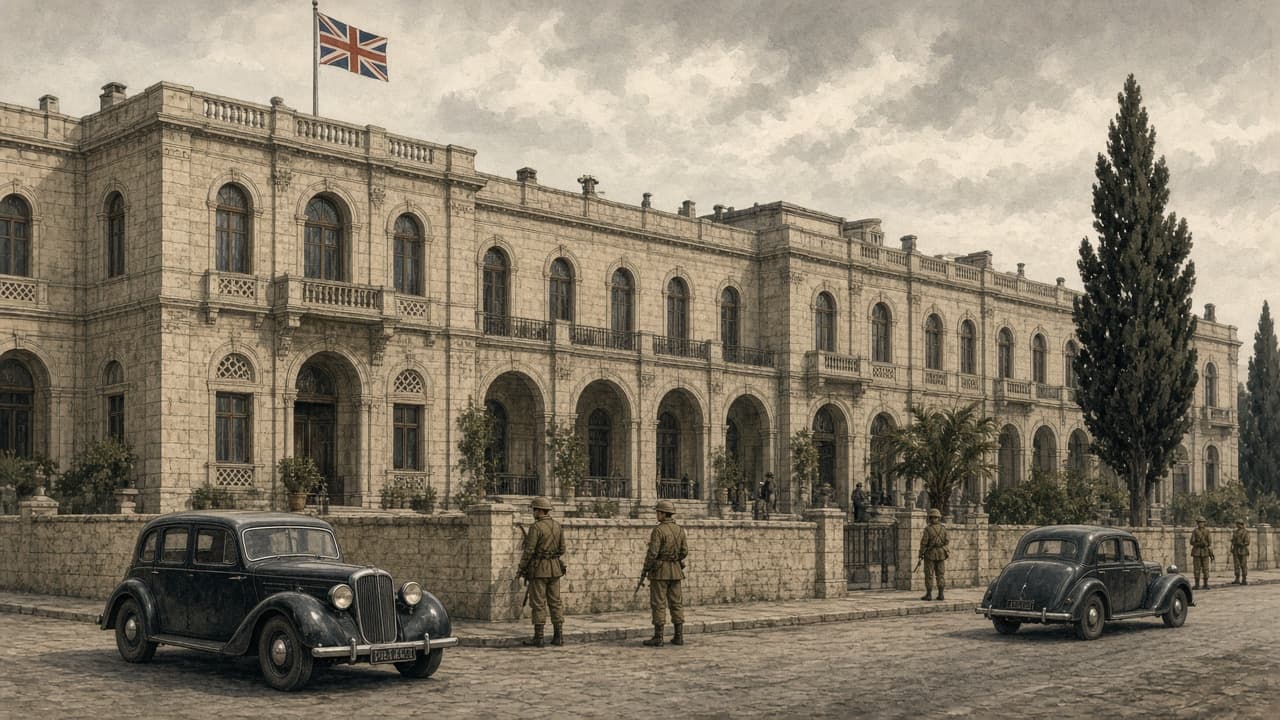
At about 12:37 on 22 July 1946, explosives concealed in milk churns detonated in the basement of the southern wing of the King David Hotel in Jerusalem. That wing housed the central offices of the British Mandate administration in Palestine and part of the military headquarters. Six floors collapsed. Ninety-one people were killed and around 46 were injured. The dead included 41 Arabs, 28 Britons and 17 Jews, along with several people of other nationalities. Most were clerks, typists, messengers and hotel staff.
The attack was carried out by the Irgun, a Zionist paramilitary organization then commanded by Menachem Begin, who would become prime minister of Israel three decades later. A team disguised as Arab workers delivered the churns to the basement of the Regence Cafe beneath the government wing. A supporting operation cut telephone lines and created a diversion in the street outside.
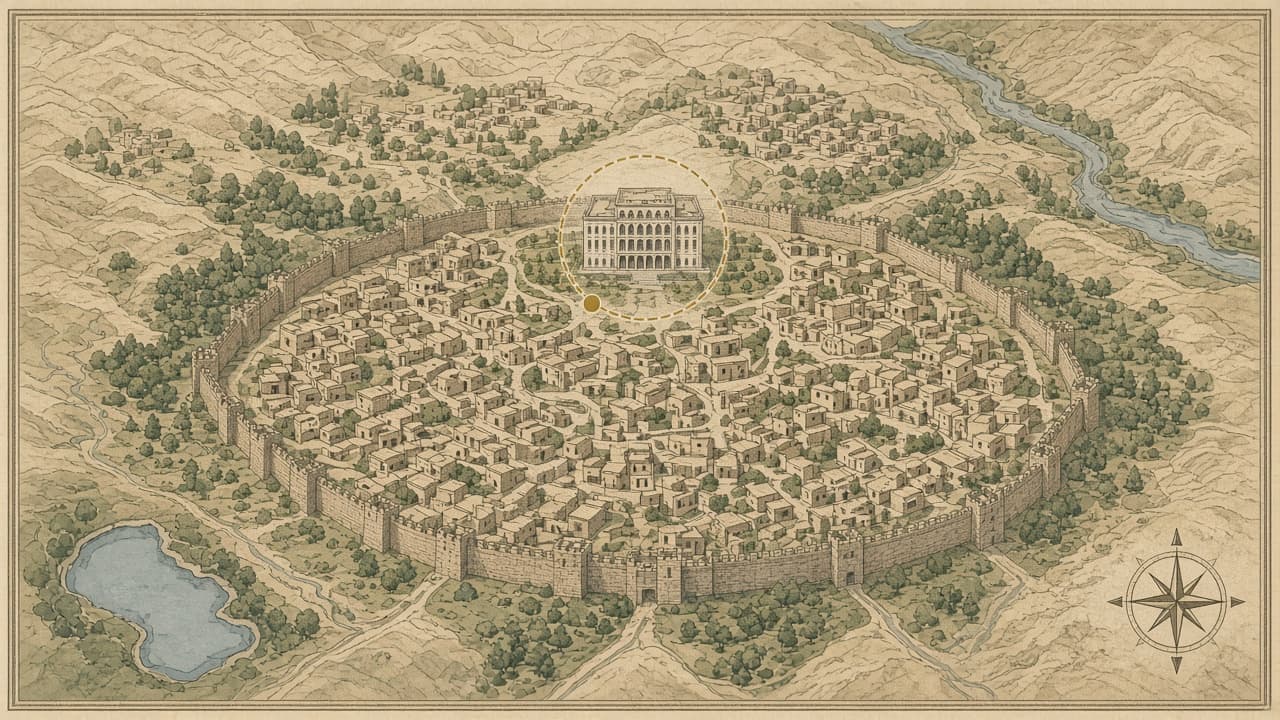
To understand why a hotel was the seat of a government, you need the Mandate. After the First World War and the collapse of the Ottoman Empire, the League of Nations gave Britain responsibility for administering Palestine. Britain had committed in the 1917 Balfour Declaration to a national home for the Jewish people there while also promising not to prejudice the rights of the existing non-Jewish population. Those two commitments pulled against each other for thirty years, and Britain's attempts to balance them satisfied nobody.
The specific grievance in 1946 was immigration. The 1939 White Paper had capped Jewish immigration sharply, and Britain kept that cap in force after the Second World War, when hundreds of thousands of Holocaust survivors in European displaced persons camps had nowhere to go. Ships carrying survivors were intercepted and passengers were interned in Cyprus. For the Jewish community in Palestine, the Yishuv, that policy was intolerable, and armed groups had been attacking British installations since 1944.
Three weeks before the bombing, on 29 June 1946, Britain launched Operation Agatha, known among Jews as Black Sabbath. British forces raided Jewish institutions across Palestine, arrested more than 2,500 people and seized documents from the Jewish Agency that were taken to the King David Hotel for analysis. Irgun cited the destruction of those documents as an objective of the attack, alongside striking at the administrative centre of British rule.
The warnings are the most disputed element and have been argued about for seventy-five years. Irgun has consistently said that telephone warnings were given to the hotel switchboard, to the French consulate next door and to the Palestine Post, and that the British ignored them. British accounts and subsequent inquiries dispute the timing and whether any warning reached an official who could act. What is not disputed is that the government wing was not evacuated. There is also a persistent account that a British official dismissed the warning, though the sourcing for that remains contested.
The Jewish political leadership condemned the attack. The Jewish Agency and the Haganah, the larger mainstream defence organization, denounced it publicly. The three armed groups had been cooperating loosely in a United Resistance Movement, and that cooperation collapsed after the bombing. The Haganah had earlier approved operations against British infrastructure, and the precise chain of authorization for this one has been the subject of decades of claim and counterclaim between the Irgun's and the Haganah's successors.
Britain's response hardened its position without strengthening its hold. Curfews, searches and a fortified zone in central Jerusalem nicknamed Bevingrad followed. The attacks continued. By early 1947 the British government concluded it could not govern Palestine at acceptable cost and referred the question to the United Nations. The UN partition plan followed in November 1947, the Mandate ended on 14 May 1948 and the first Arab-Israeli war began the next day.
The bombing sits inside a long argument about political violence that has never been settled. Britain classified Irgun as a terrorist organization. Irgun described the hotel as a legitimate military and administrative target and the deaths as a failure of warning. Critics point out that a lunchtime bomb under an occupied office building with civilians in it cannot be separated from its foreseeable result. Both framings are still used in public debate, including whenever anniversaries are marked.
Marking it has caused its own controversies. In 2006, a sixtieth anniversary event organized by Israeli figures including Benjamin Netanyahu prompted formal objections from the British ambassador, who argued that celebrating an attack that killed civilians was not acceptable and that a plaque describing British failure to heed a warning was disputed. The plaque's wording was amended after the protest. Menachem Begin's own memoir The Revolt defends the operation and expresses regret for the deaths.
The hotel itself reopened and still operates as a luxury hotel in Jerusalem. The rebuilt southern wing is indistinguishable from the rest of the building. Visitors pass through a lobby where the events of 22 July 1946 are commemorated in a way that different guests read very differently.
Eagle Frame's takeaway: 22 July 1946 is the day a paramilitary bomb destroyed the administrative wing of British rule in Palestine and killed 91 people, most of them civilian office workers of three nationalities. The disputes over warnings and authorization are real and unresolved. What is not in dispute is the outcome: Britain concluded within a year that it could no longer govern the Mandate.