On this day: the Lascaux cave paintings are found
On 12 September 1940, teenagers in southwest France found the Lascaux cave and its prehistoric animal paintings.
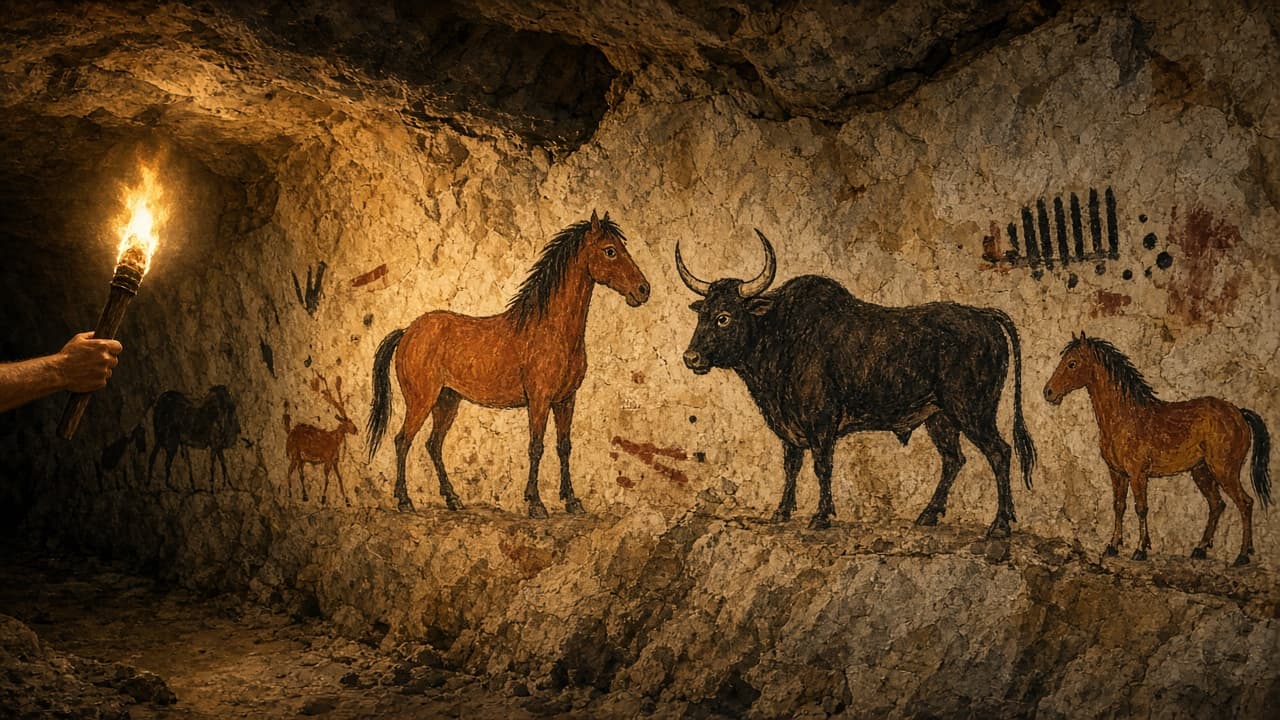
On 12 September 1940, near Montignac in France’s Dordogne, teenage explorers following a dog found a cave later called Lascaux. Inside were vivid prehistoric paintings of horses, aurochs, deer and other animals, made tens of thousands of years ago on limestone walls.
The discovery mattered because it was not a single scratched figure. Lascaux showed planned compositions, motion and color on a grand scale. It forced a wider public to treat Ice Age people as artists with skill and intention, not only as toolmakers.
Scholars still debate exact dates and meanings. Some scenes may track animals people hunted or respected. Others may mark ritual. What is not in doubt is technical skill: contour, overlapping forms and use of the cave’s natural curves.
Tourism later threatened the art. Breath, lights and microbes damaged the cave. Authorities closed the original to general visitors and built replicas so people could still see the work without destroying it. Conservation is now part of the Lascaux story as much as discovery.
Eagle Frame’s takeaway: 12 September 1940 is a reminder that deep human history includes beauty. The walls still teach humility about how long people have been trying to make meaning in the dark.