On this day: Leningrad votes to become Saint Petersburg again
On 6 September 1991, Soviet authorities formalized the result of a city vote restoring the name Saint Petersburg to Leningrad. The change marked a break with the Lenin-era brand as the USSR itself was unraveling.
On 6 September 1991, the name Saint Petersburg returned to official use for the city that had been called Leningrad for decades. Voters in a June referendum had already backed the change. The September confirmation came as the Soviet Union staggered after the failed August coup against Mikhail Gorbachev. Renaming a city was symbolism. In 1991 symbolism was also power. Street signs, schoolbooks and shipping labels began a slow conversion that everyday speech only partly followed.
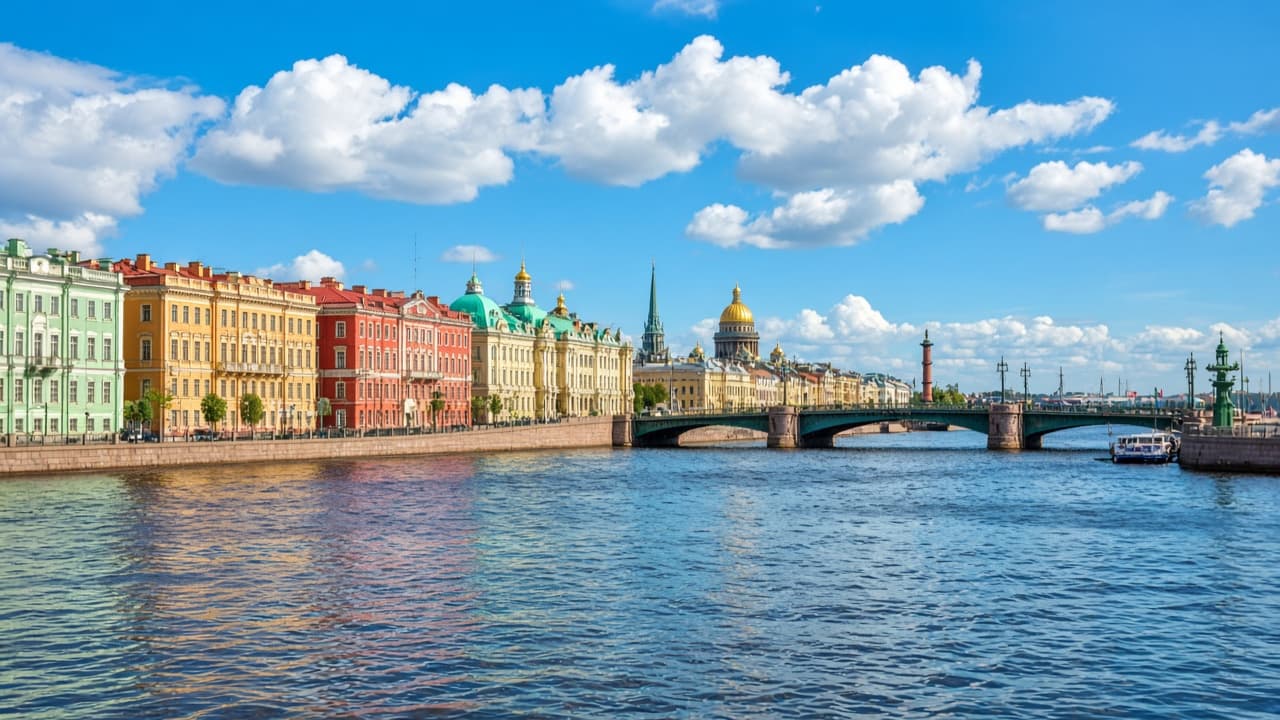
Saint Petersburg sits on the Neva River delta, a canals-and-islands capital founded by Peter the Great and later renamed Petrograd and then Leningrad through war and revolution. An educational city map makes the water geography visible: bridges, embankments and a center planned as an imperial window on Europe. Restoring the older name in 1991 was therefore also a claim about which past the city would honor after Soviet power loosened. Street signs and metro maps changed in waves as printers caught up with the referendum result.
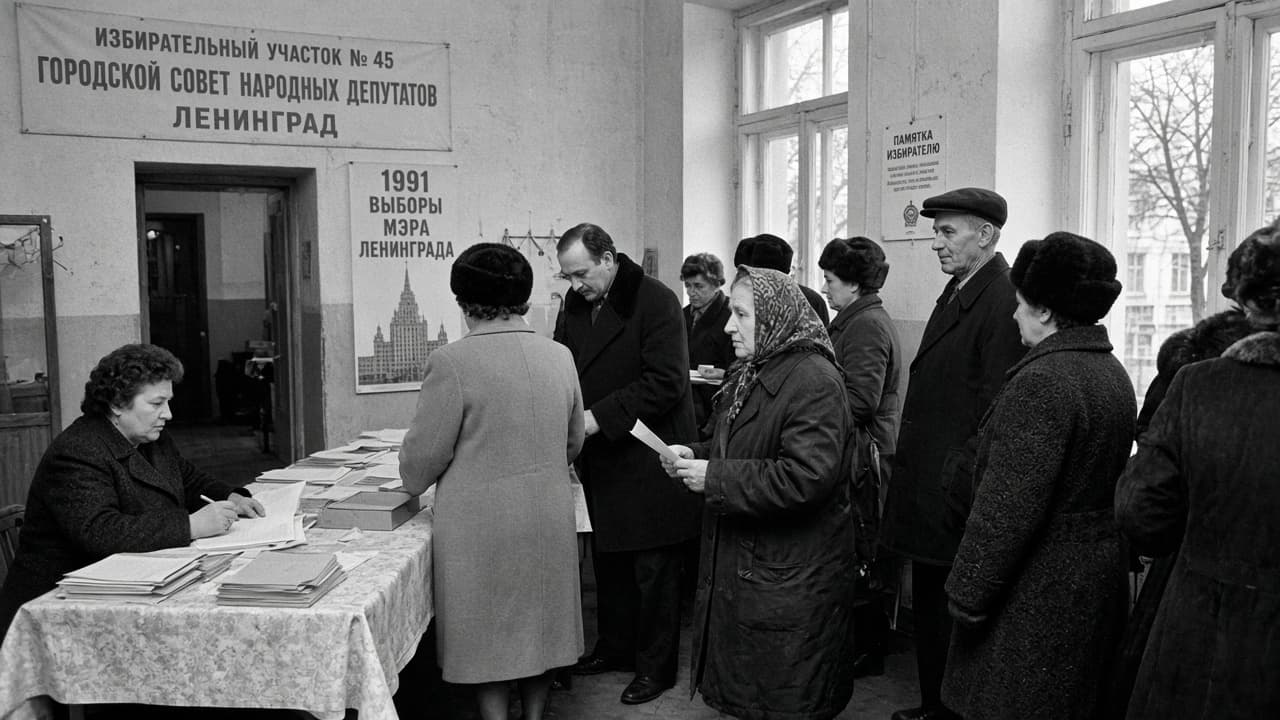
A referendum in 1991 let residents choose to return to Saint Petersburg, even as the surrounding region kept the Leningrad name for a time. Voters lined up while the Soviet Union itself was unraveling after the August coup. Renaming was local identity politics inside a collapsing federation. Polling-station scenes capture ordinary paperwork with extraordinary symbolism: a ballot about a city's name during a state's last months. Older residents still said "Leningrad" in conversation while younger voters favored the restored name.
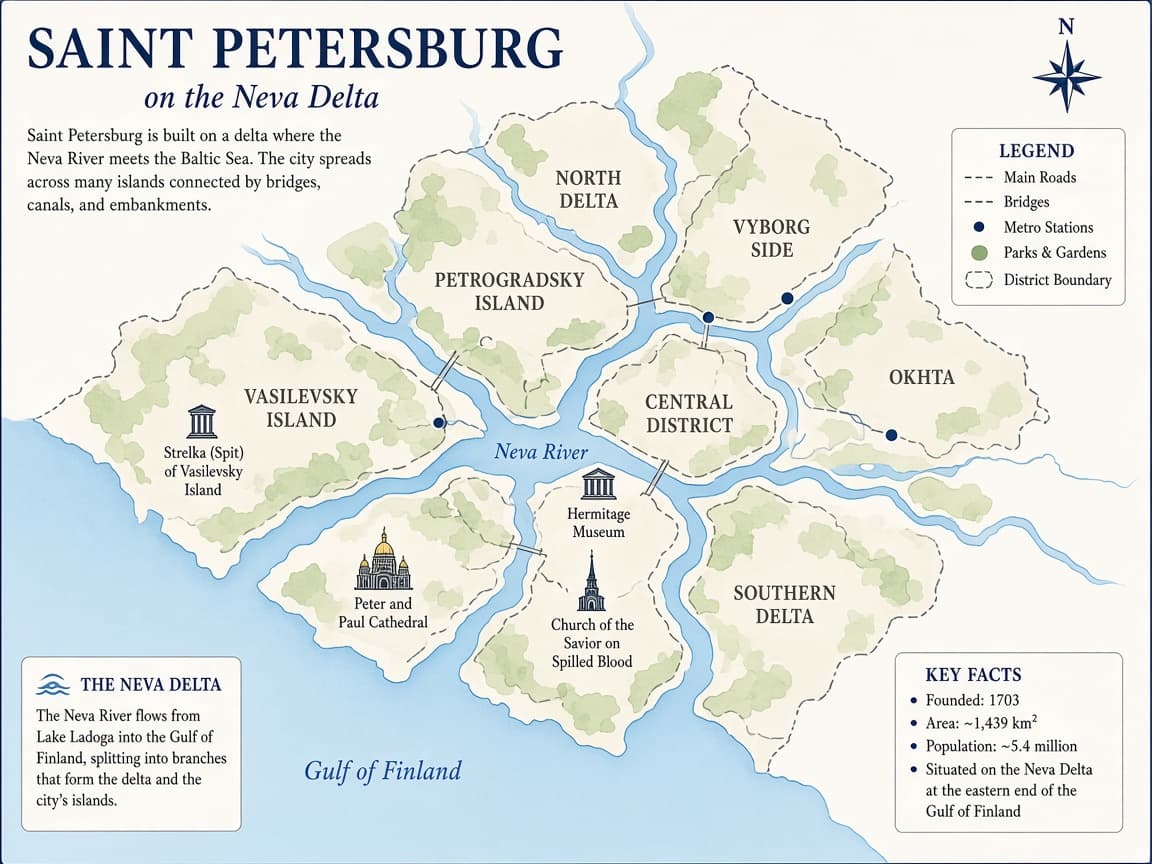
Peter the Great founded the city in 1703 as his window on the Baltic, a planned imperial capital with canals, palaces and a European-facing ambition. It was Saint Petersburg for two centuries, then briefly Petrograd during World War I when a German-sounding name felt awkward. After Vladimir Lenin's death in 1924 the Bolshevik government imposed Leningrad, binding the skyline to the revolutionary leader.
Leningrad's Soviet chapter included the siege of 1941-1944, when German and Finnish forces encircled the city and hundreds of thousands died of hunger and bombardment. That trauma remained central to local identity even among people who later voted to drop Lenin's name. Restoring Saint Petersburg was not a denial of the siege. It was a choice about which past to put on letterheads and maps. Metro stations and district names lagged behind the city's new title, so residents lived for a while inside overlapping labels on the same streets.
The 1991 vote happened amid economic crisis, political experiment and the collapse of Communist Party authority. Boris Yeltsin's Russia was rising as the Soviet center failed. City leaders such as Anatoly Sobchak pushed a more open, market-leaning image. A tsarist-era name signaled Europe, tourism and a break from obligatory Lenin branding. Critics heard nostalgia for empire or a slight to wartime sacrifice. Ballots settled the legal question.
Name changes are never only cosmetic. Schools, factories, metro stops and paperwork all shift. Older residents kept saying Leningrad in daily speech for years. Younger branding leaned into Petersburg. Maps, airline boards and foreign newspapers had to catch up. The dual memory still appears when veterans speak of the siege and tour guides speak of the Hermitage. Foreign ministries updated cables and atlases while émigré communities that had always said Petersburg felt briefly vindicated. Across the former Soviet space, other cities shed or kept Soviet names according to local politics: some erased commissars from street signs; some kept them. Petersburg's restoration was among the most famous because the city is Russia's second metropolis and a cultural showcase. The date therefore teaches how late-Soviet public opinion used history as a tool. Geography stays while ideology moves. The Neva still splits the islands. The Peter and Paul Fortress still marks the founding core. What changed in 1991 was the story the state told about those stones. Understanding that gap keeps readers from treating renaming as trivia.
Within months the Soviet Union dissolved. Saint Petersburg entered the 1990s as a Russian Federation city facing crime, poverty and cultural ferment. The name did not fix those problems. It did announce which ancestors the city preferred to claim in public.
Legal formalities after the referendum still needed the Soviet and Russian institutional machinery to catch up. By early September that machinery was reeling from the coup's failure. Passing the name change in that window tied local identity politics to the wider end of Communist monopoly.
Tourism marketers soon leaned into palaces, White Nights and the imperial brand. Factory towns and cramped Soviet apartments remained part of daily reality. The postcard city and the lived city diverged in advertising long before they diverged in speech.
Some siege survivors kept Leningrad as a badge of honor earned in starvation and defense. Their insistence reminds outsiders that renaming can feel like theft even when ballots are fair. Democratic procedure and emotional legitimacy do not always move in lockstep. Poets and museum directors argued in essays about which ghosts the city should invite back.
Eagle Frame's takeaway: 6 September 1991 is when Leningrad's return to Saint Petersburg became official after a popular vote in a collapsing Soviet order. Keep Peter's founding, Lenin's imposed brand and the siege memory that still sits beside the new old name in view. Renaming is politics written on a map.