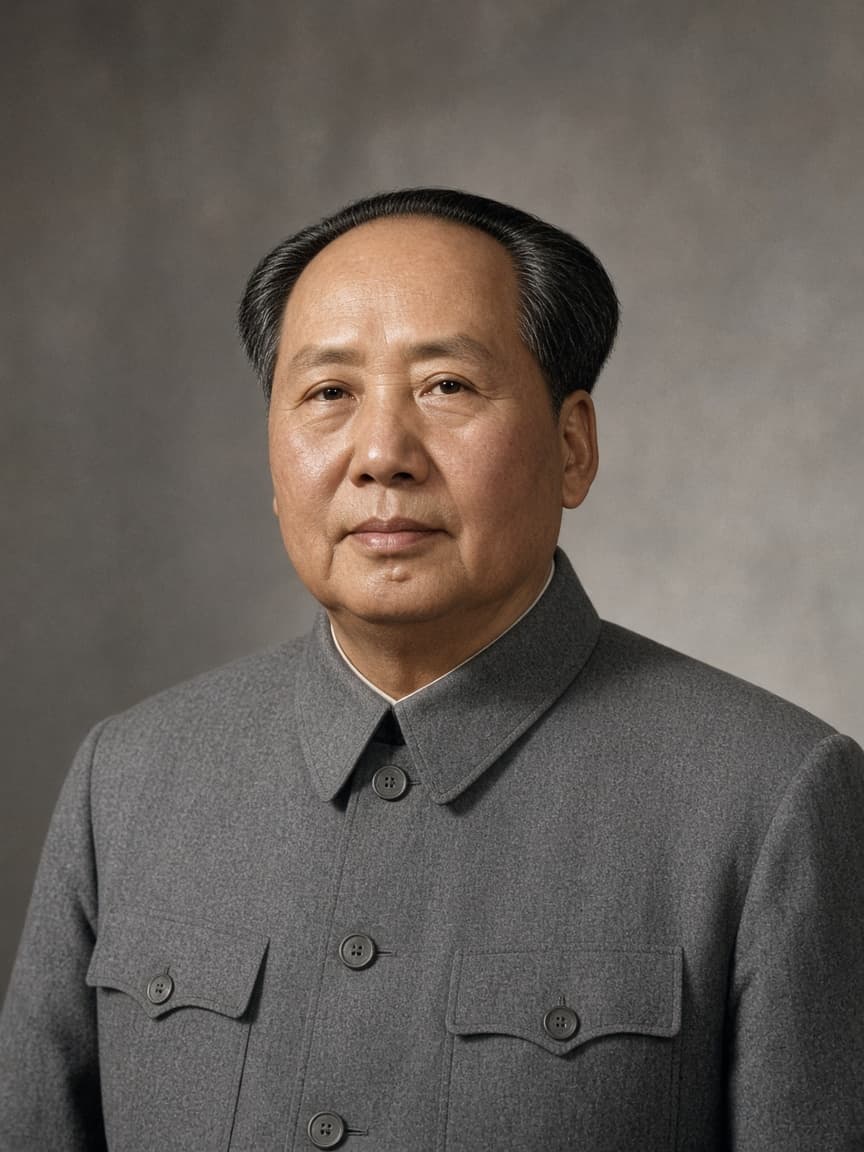
On this day: Mao Zedong dies
On 9 September 1976, Mao Zedong died in Beijing at 82. He had led the Chinese Communist Party to power in 1949 and shaped the People's Republic through decades of revolution, campaigns and upheaval that remade China and the Cold War map.
On 9 September 1976, Mao Zedong died in Beijing. He was 82. Official announcements said he had been ill for some time. Across China, radio broadcasts interrupted ordinary programming. Crowds gathered in public squares. Foreign governments that had spent a generation treating him as either ally, enemy or puzzle issued careful statements. For hundreds of millions of Chinese people he was the face of the state they had grown up under. For the rest of the world he was the man who had founded the People's Republic of China in 1949 and kept it on a revolutionary path through famine, factional struggle and a late opening to the United States.
Who was he, in plain terms? Mao was born in 1893 in a farming family in Hunan province. He became a teacher and librarian, then a founding member of the Chinese Communist Party in 1921. After the party split with the Nationalists, he helped build rural bases and guerrilla armies rather than relying only on city workers. The Long March of the mid-1930s, a forced retreat across China, made him the party's central figure. During the war against Japan and the civil war that followed, Communist forces expanded. On 1 October 1949 Mao stood in Tiananmen Square and proclaimed the People's Republic. The Nationalist government retreated to Taiwan. China had a new capital, a new flag and a new ruling party with Mao as its chairman.
That founding mattered because it ended a century of foreign encroachment, warlord rule and civil conflict for the mainland, at least in the official story the party told. Land reform redistributed property from landlords to peasants. Literacy campaigns and public health drives reached villages that had seen little of either. Industry was rebuilt under state plans. The cost was political monopoly: rival parties were suppressed, landlords and critics were punished and the Communist Party claimed the right to define loyalty. Mao's portrait went up in schools, offices and homes. His writings, especially the Little Red Book of quotations, became required reading during later campaigns.
Two huge domestic projects define the middle of his rule and need careful, non-sensational language. The Great Leap Forward, launched in 1958, tried to leap past gradual industrialization by organizing peasants into large communes, setting ambitious steel and grain targets and pushing backyard furnaces and collective kitchens. The plan collapsed into economic chaos and a catastrophic famine. Tens of millions died from hunger and related hardship between roughly 1959 and 1961. Historians still debate exact numbers and how far local officials exaggerated output, but the failure was vast and Mao's prestige inside the party was damaged.
The Cultural Revolution, which he launched in 1966, was a different kind of campaign. Mao feared that the party was growing bureaucratic and that rivals were reversing revolution. He called on students and workers to criticize officials, teachers and cultural figures labeled as revisionist. Schools closed. Red Guard groups formed. Many people were publicly denounced, sent to the countryside or imprisoned. Institutions from universities to ministries were disrupted for years. The campaign wound down in stages after 1969, but its scars in families and workplaces lasted far longer. Saying that plainly is enough: it was a political upheaval that turned neighbor against neighbor under the banner of purifying socialism.
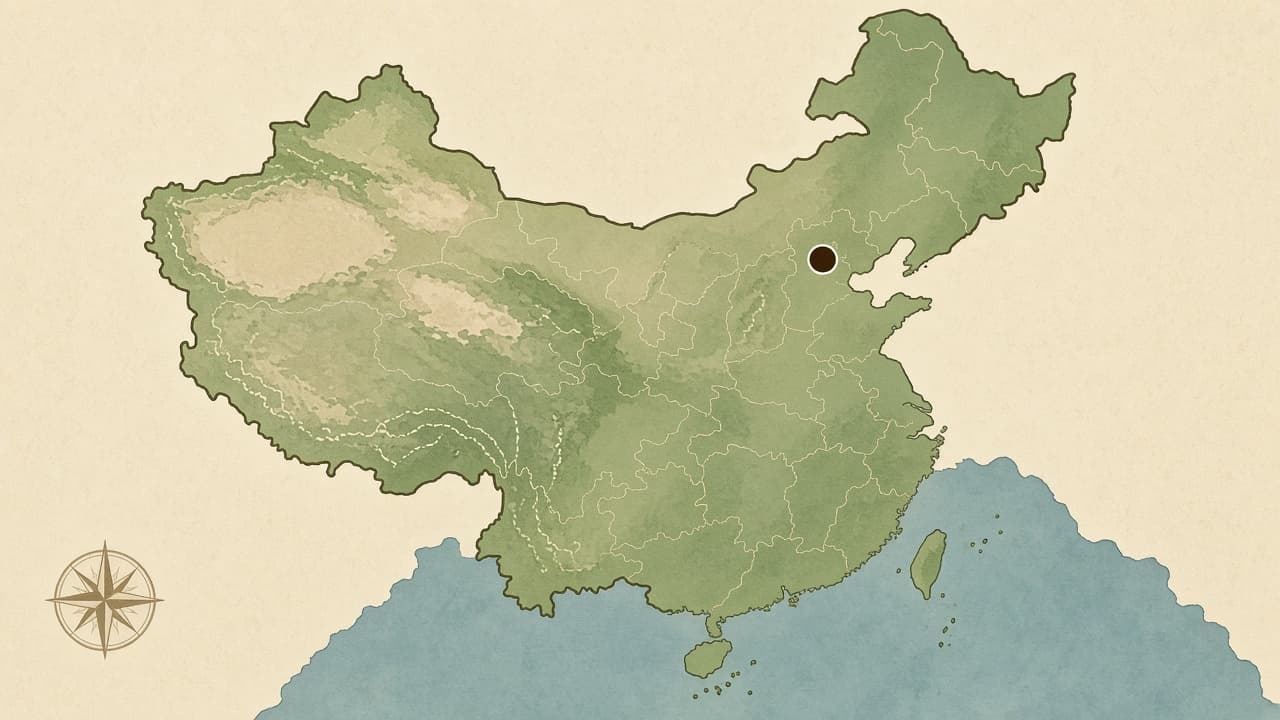
Foreign policy under Mao shifted more than slogans suggested. Early years leaned on the Soviet Union. By the late 1950s the Sino-Soviet split left China isolated from both superpowers. In 1971 the People's Republic took China's seat at the United Nations. In 1972 Richard Nixon visited Beijing, a meeting that began a long thaw with the United States. Mao's China tested nuclear weapons, backed revolutionary movements abroad and fought a border war with India in 1962. By 1976 the country was still poor by Western measures, still tightly controlled and already preparing for a succession fight that Mao's death would unlock.
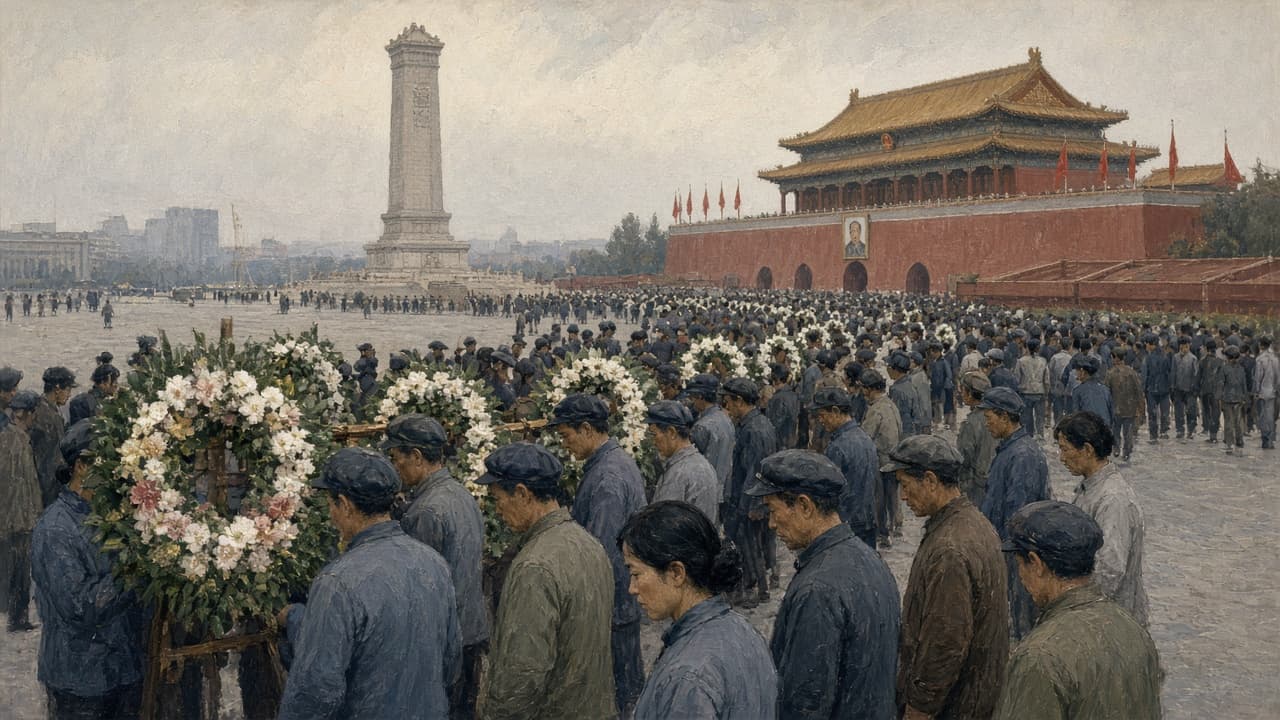
The succession was not orderly. Mao's last years had raised the so-called Gang of Four, including his wife Jiang Qing, who pushed Cultural Revolution politics hard. Within a month of his death they were arrested. Hua Guofeng briefly held the top posts. Deng Xiaoping, twice purged and twice returned, soon steered policy toward market reforms and opening to foreign investment. The China that grew into a manufacturing giant in later decades was built by leaders who kept Mao's founding myth while discarding many of his economic methods. His body was placed in a memorial hall on Tiananmen Square, where visitors still file past.
Judging Mao remains one of the hardest tasks in modern history writing. Supporters stress national unity, ending foreign domination of the mainland and mass education. Critics stress the famine, the Cultural Revolution's cruelty and the absence of political freedom. Both sets of facts belong in the same account. He ruled a fifth of humanity for a generation. Decisions made in Beijing changed harvests, school curricula, diplomatic alignments and the daily fear or hope of ordinary families. September 1976 closed that chapter without closing the argument.
Outside China the news landed differently depending on the capital. Moscow watched a former ally whose split had reshaped communist politics. Washington measured a relationship still young after Nixon's visit. Governments in Asia recalculated borders, trade and ideology. Diaspora communities debated whether mourning or relief was the honest response. The single date on the calendar was simple. The man it marked was not.
Eagle Frame's takeaway: 9 September 1976 ended the life of the man who founded the People's Republic in 1949 and drove China through the Great Leap Forward and the Cultural Revolution. Read him as a nation-builder and as the author of campaigns that cost millions of lives, because both truths sit in the same biography.