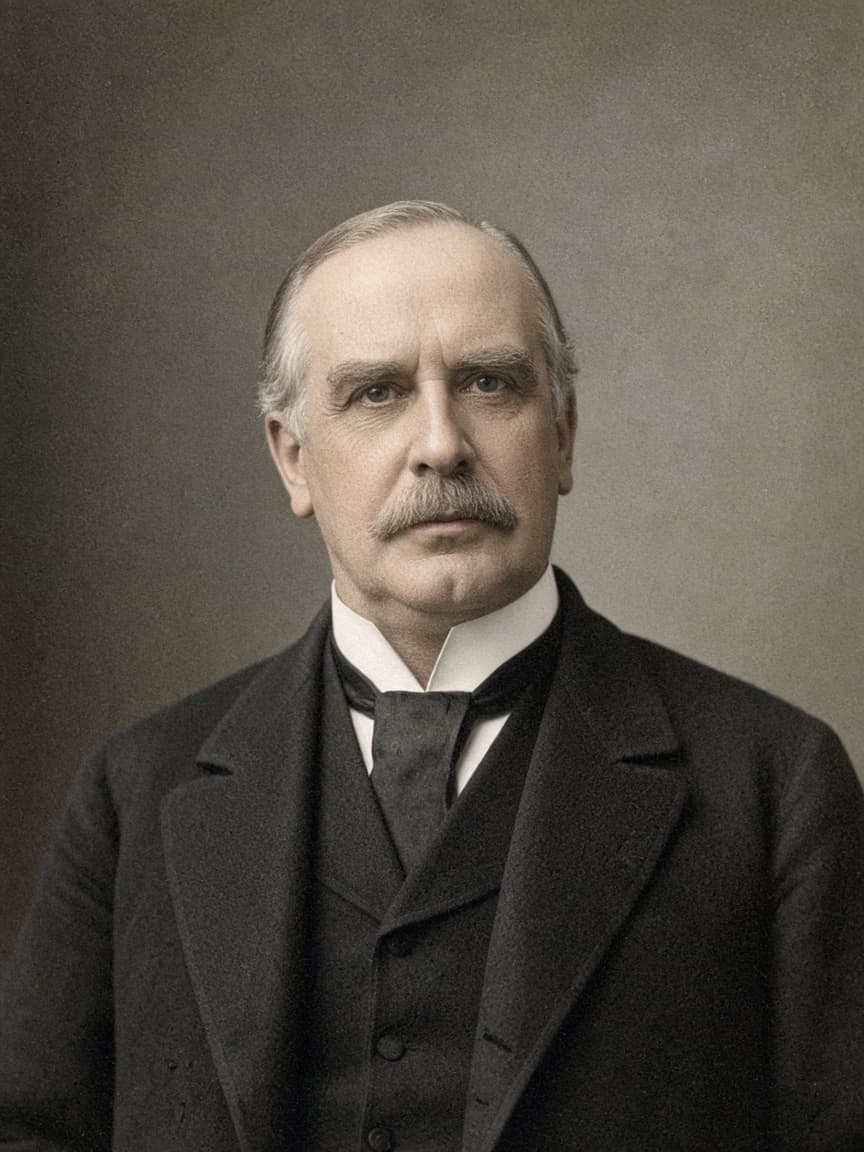
On this day: President McKinley dies and Roosevelt succeeds
On 14 September 1901, President William McKinley died in Buffalo eight days after an assassin shot him at the Pan-American Exposition. Theodore Roosevelt took the oath at the Wilcox House and became the youngest U.S. president to that point.
On 14 September 1901, President William McKinley died in Buffalo, New York, eight days after he was shot at the Pan-American Exposition. Vice President Theodore Roosevelt took the presidential oath at the Ansley Wilcox house in the same city. At 42, Roosevelt became the youngest person to that date to hold the office.
The Pan-American Exposition was meant to showcase industry, electricity and hemispheric trade. Crowds came for lights and exhibits. On 6 September, inside the Temple of Music on the grounds, McKinley greeted the public in a receiving line. Leon Czolgosz, an anarchist who had concealed a revolver, fired at close range. The president was hit. Secret Service agents and bystanders seized the shooter. The fair's promise of progress collided with a political murder in a public hall.
Doctors operated. Early bulletins sounded hopeful. McKinley seemed to rally and officials spoke as if recovery were likely. Infection and gangrene set in as the second week began. Without modern antibiotics, abdominal wounds of that kind often turned fatal even after surgery. The president failed on 14 September. The nation that had followed optimistic medical reports had to absorb a sudden succession.
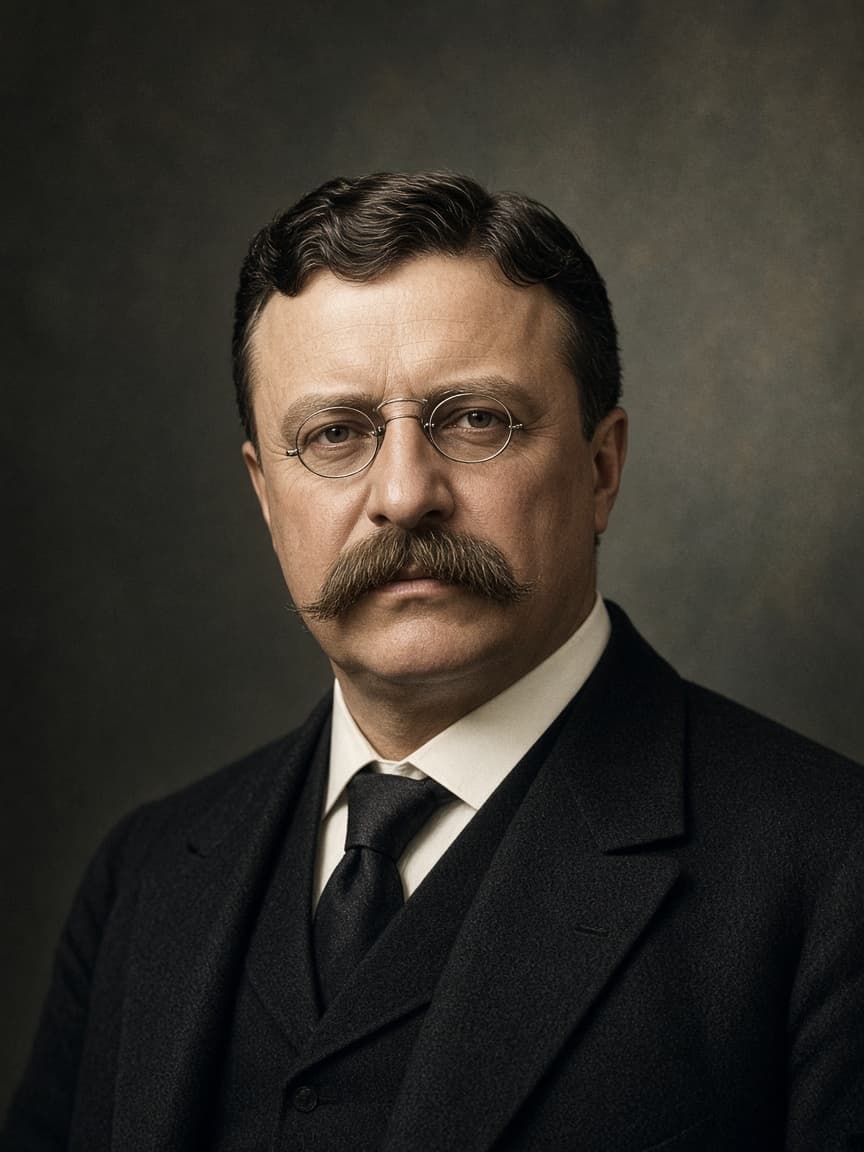
McKinley's record already defined a high-tariff, business-aligned Republican politics and a wider American role abroad. The Spanish-American War of 1898, the debates over the Philippines and other acquisitions and a prosperity message aimed at industrial voters shaped his presidency. He won reelection in 1900 with Roosevelt as his running mate. Party managers had partly intended the vice presidency as a quiet parking place for the energetic New York reformer and Rough Rider celebrity.
That calculation failed when the bullets flew. Roosevelt rushed to Buffalo and took the oath at the Wilcox House. Continuity still mattered. He kept several of McKinley's policy lines while adding a different temperature: publicity, pressure on large corporations, conservation of public lands and a louder presidential stage. The Square Deal shorthand later gathered his domestic themes of fair rules among capital, labor and the public. Trust-busting cases and national parks politics became part of how Americans remember the turn.
Security lessons followed in slower motion. Presidential protection had already involved Secret Service agents at times, but the Buffalo attack strengthened the case for fuller, more formal coverage of the president. Over the following decades, after further violence against American leaders, the protective mission hardened into the familiar modern detail. For Buffalo, the exposition that was meant to showcase progress became fixed in memory as the place a president was mortally wounded in a receiving line.
The hinge of 14 September 1901 is therefore personal and institutional. One Republican president died of wounds from an anarchist's gun. Another Republican, younger and more restless, inherited an office party elders had not planned to give him so soon. Knowing the Temple of Music, the false medical hope and the Wilcox House oath keeps the date concrete.
Czolgosz's anarchism belonged to a wider late-nineteenth-century climate of political violence in Europe and America. That context does not romanticize the murder. It explains why a public receiving line at a world's fair felt, to the assassin, like a stage. McKinley's openness to crowds was a democratic habit that suddenly looked like a vulnerability.
Roosevelt's accession changed the temperature of the office more than the party label. Conservation of forests and wildlife, suits against combinations of capital and a taste for the bully pulpit made the presidency a louder instrument. Historians still argue how much was personality and how much was the Progressive Era catching up with industrial America. The Wilcox House oath is the clean date when that argument begins in power.
Buffalo's temporary fairgrounds made an odd stage for a constitutional crisis. Electric lights and exhibition halls framed a nineteenth-century crime that forced a twentieth-century presidency into view. Newspapers tracked the medical bulletins hour by hour, then pivoted to Roosevelt's travel and the oath. Succession, in that sense, was both a legal formality and a public drama the whole country watched.
Eagle Frame's takeaway: 14 September 1901 is the day McKinley's Buffalo wounds ended his presidency and Roosevelt's Wilcox House oath began another. Remember the exposition shooting, the gangrene that followed hope and the Square Deal era that arrived years earlier than party managers had intended.