On this day: President McKinley is shot in Buffalo
On 6 September 1901, anarchist Leon Czolgosz shot President William McKinley at the Pan-American Exposition in Buffalo. McKinley died eight days later; Theodore Roosevelt became president.
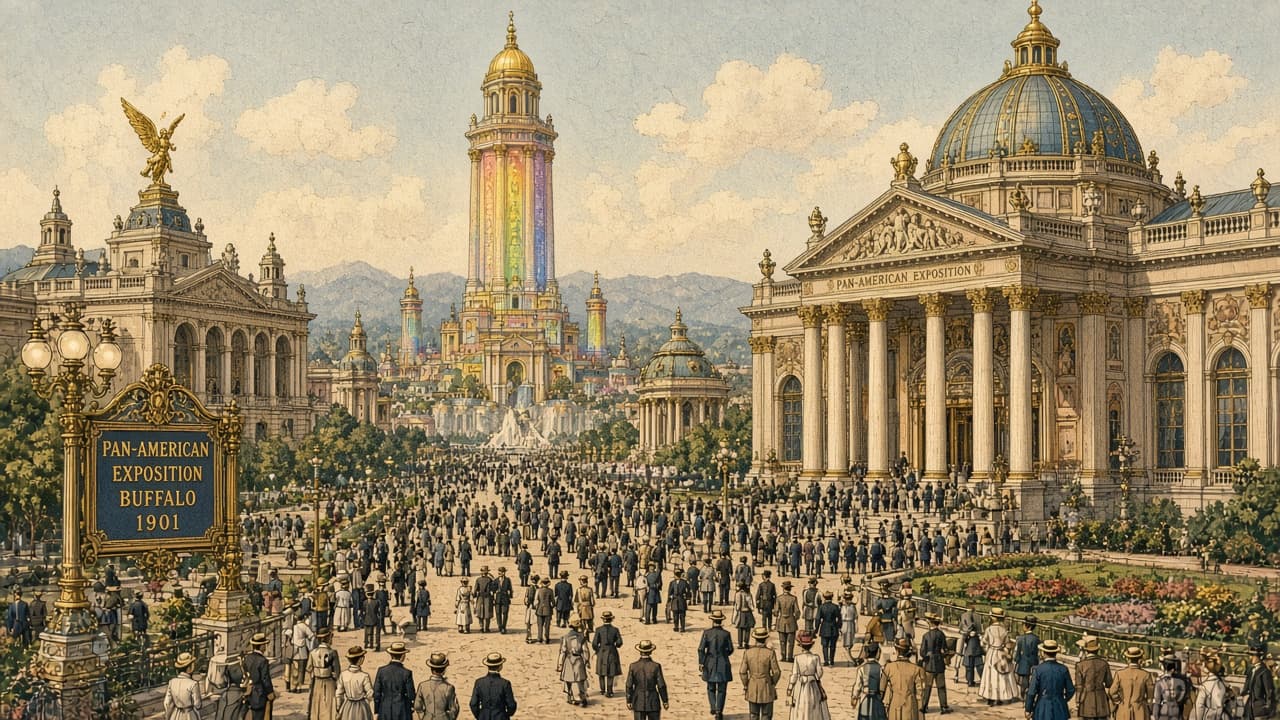
On 6 September 1901, President William McKinley stood in a receiving line inside the Temple of Music at Buffalo's Pan-American Exposition. Crowds had come to shake the president's hand under the fair's electric lights. Leon Czolgosz, an anarchist who had wrapped a revolver in a handkerchief, fired at close range. McKinley was hit twice. The cheerful showcase of progress turned into a crime scene in seconds. Secret Service agents and bystanders tackled the shooter while the wounded president urged the crowd not to harm him, a detail often repeated in contemporary reports.
President William McKinley was shot on 6 September 1901 while greeting the public at the Pan-American Exposition in Buffalo, a world's fair of ornate halls, electric light displays and crowds celebrating industrial progress. The fair's cheerful architecture became the stage for anarchist violence when Leon Czolgosz fired at close range in a receiving line. McKinley died of his wounds days later. The exposition image explains the setting: democracy as open handshake culture, suddenly lethal. Secret Service protection rules tightened after the fair receiving line proved how close a killer could stand.
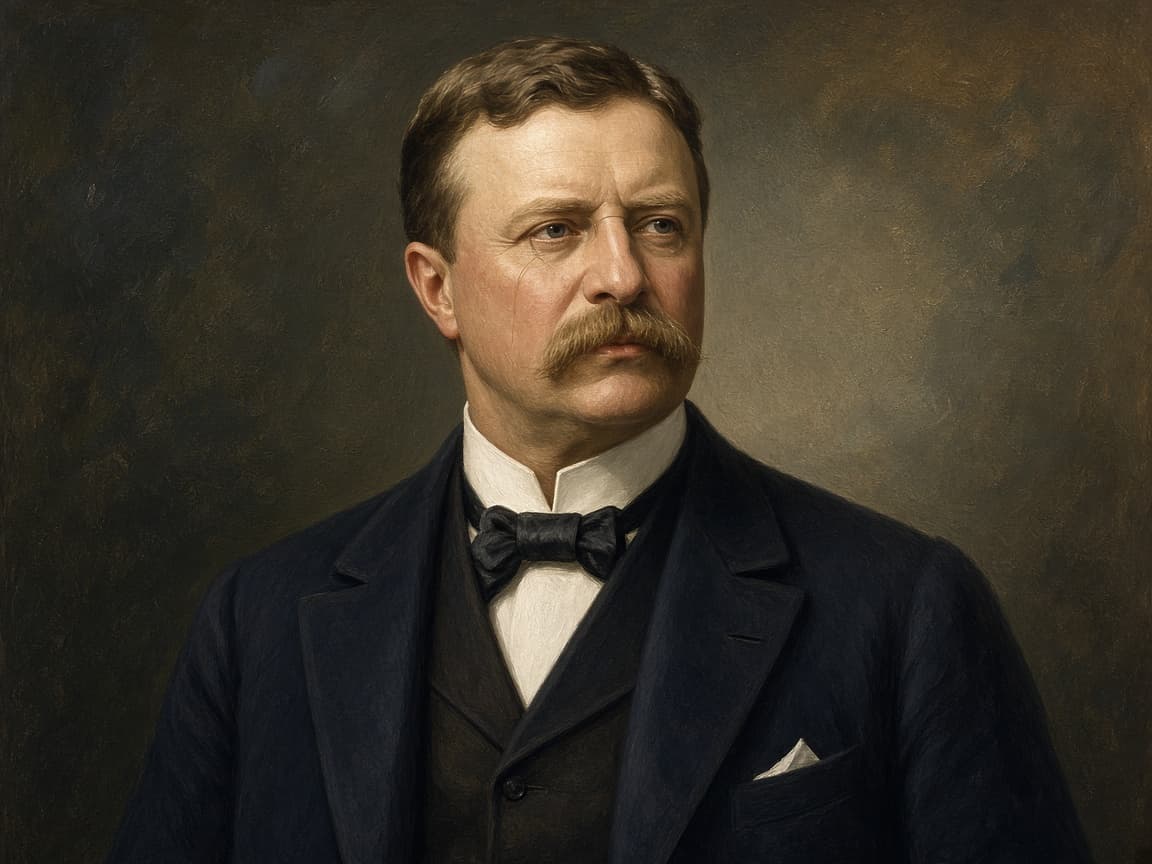
Vice President Theodore Roosevelt took the oath and brought a new energy to the presidency: trust-busting rhetoric, conservation, a larger global posture. McKinley's death thus transferred power to a younger Progressive-era figure who would dominate the next decade's politics. Roosevelt's 1901 portrait marks the succession hinge. Assassination did not only end one life. It accelerated a different style of executive leadership already waiting in the wings. Newspapers ran medical bulletins for days as the nation waited on infection and hope.
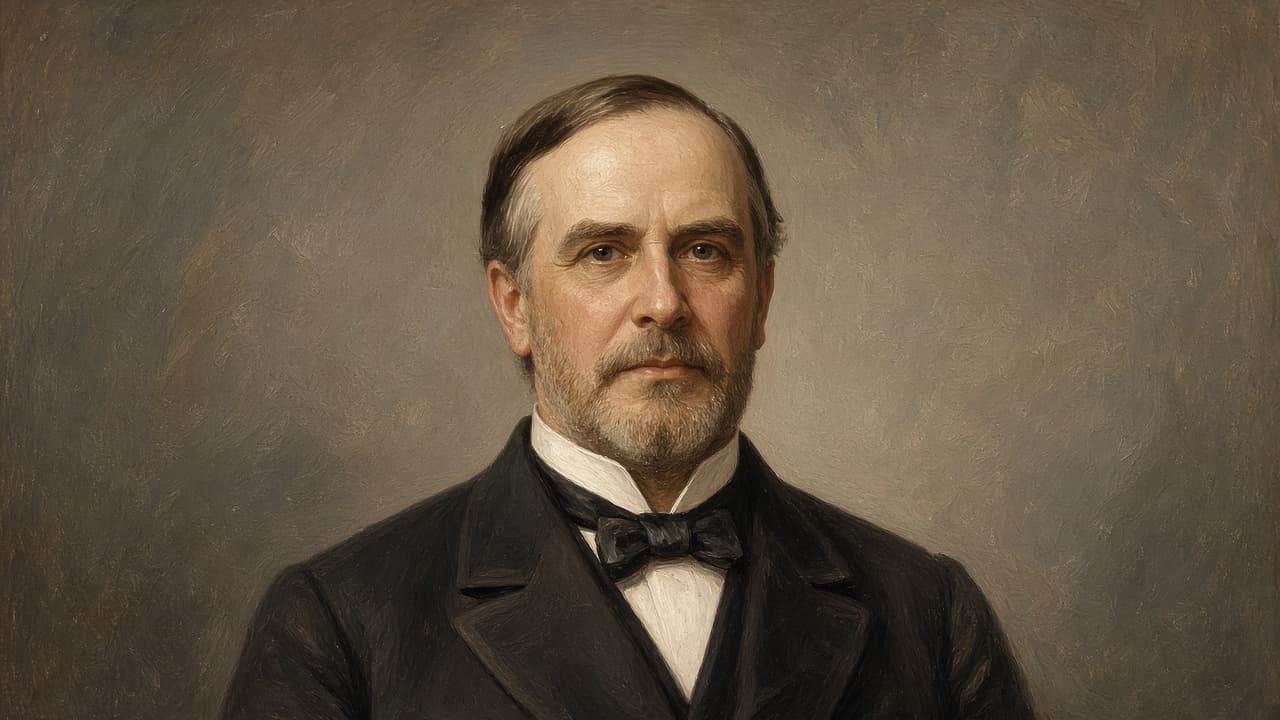
McKinley was 58, a Civil War veteran, former Ohio governor and the winner of the 1896 and 1900 elections. His politics favored high tariffs and close ties to industrial prosperity. The Spanish-American War of 1898 had expanded American power overseas. In Buffalo he was doing what popular presidents did in that era: meeting the public without the hardened security bubble later generations would recognize.
Czolgosz later said he acted for anarchist ideas that rejected rulers and concentrated power. He had been influenced by the climate of assassin politics in Europe and by speeches that treated heads of state as legitimate targets. Bystanders and Secret Service agents subdued him immediately. The fair's promise of hemispheric friendship collided with a domestic political murder. Surgeons worked without the infection control and drugs later generations would take for granted, so even a president's wound could turn fatal after an apparently hopeful first week.
Doctors operated on the president. Early reports sounded hopeful. Gangrene and infection set in without modern antibiotics. McKinley died on 14 September 1901. Vice President Theodore Roosevelt took the oath in Buffalo and became, at 42, the youngest U.S. president to that time. The shots of 6 September thus redirected national leadership as well as ending a life.
Security culture changed slowly, then more firmly after later attacks on American leaders. The Secret Service's protective role expanded over the following decades. Buffalo's fair, meant to advertise electricity and trade, remained fixed in memory as the place a president was mortally wounded while greeting citizens. Fair organizers extinguished festive plans and turned the grounds into a place of anxious vigils and rumor. Anarchist violence in this period was a transnational scare: bombs, plots and assassinations from Europe to America fed police powers and public fear. Most anarchists never killed anyone. The handful who did shaped laws and headlines out of proportion to their numbers. Czolgosz's act sits in that grim pattern. For McKinley's reputation, the assassination froze a presidency associated with prosperity politics and imperial aftermath before Roosevelt's louder reform energy took the stage. Continuity and change both followed the oath at the Wilcox House. The bullet did not invent Progressivism, but it accelerated who held the bully pulpit.
Teaching 6 September separately from 14 September helps students track cause and delay. The shooting is the crime. The death is the medical and political consequence. Roosevelt's accession is the succession. All three belong to the same story without being the same calendar fact.
The Pan-American Exposition celebrated electricity with the Tower of Light and exhibits from across the Americas. McKinley's visit was meant to bless that optimistic story. Czolgosz chose the Temple of Music receiving line precisely because the president was accessible. Democratic ritual became vulnerability.
Newspapers printed extra editions within hours. Stock markets jittered. Prayers were ordered in churches. The country had already lost presidents to assassination in living memory (Lincoln, Garfield). Buffalo added a third shock at the century's turn and revived arguments about radical speech, immigration panic and the limits of open public contact.
Roosevelt was hiking in the Adirondacks when news of the shooting's turn toward fatality pulled him back to Buffalo. The logistics of succession (finding the vice president, gathering a judge, choosing a parlor for the oath) underline how personal and improvised presidential continuity still was. Official bulletins swung from reassurance to alarm as fever charts worsened.
Eagle Frame's takeaway: 6 September 1901 is the day Czolgosz shot McKinley in Buffalo's Temple of Music. Keep the exposition setting in view, along with the eight days until death and Roosevelt's oath. Read the attack as both a personal murder and a hinge in presidential protection and succession.