On this day: the Mona Lisa is stolen from the Louvre
On 21 August 1911, Vincenzo Peruggia stole Leonardo da Vinci's Mona Lisa from the Louvre. The painting was recovered in Italy in 1913 and returned to Paris.
On 21 August 1911, Leonardo da Vinci's Mona Lisa vanished from the Louvre in Paris. A museum employee later identified as Vincenzo Peruggia had hidden the painting under his coat and walked out. Guards assumed routine maintenance. For more than two years one of the world's most famous portraits sat in a trunk and on a wall in Italy while Paris police chased false leads across Europe. The theft turned a respected Renaissance panel into a global celebrity.
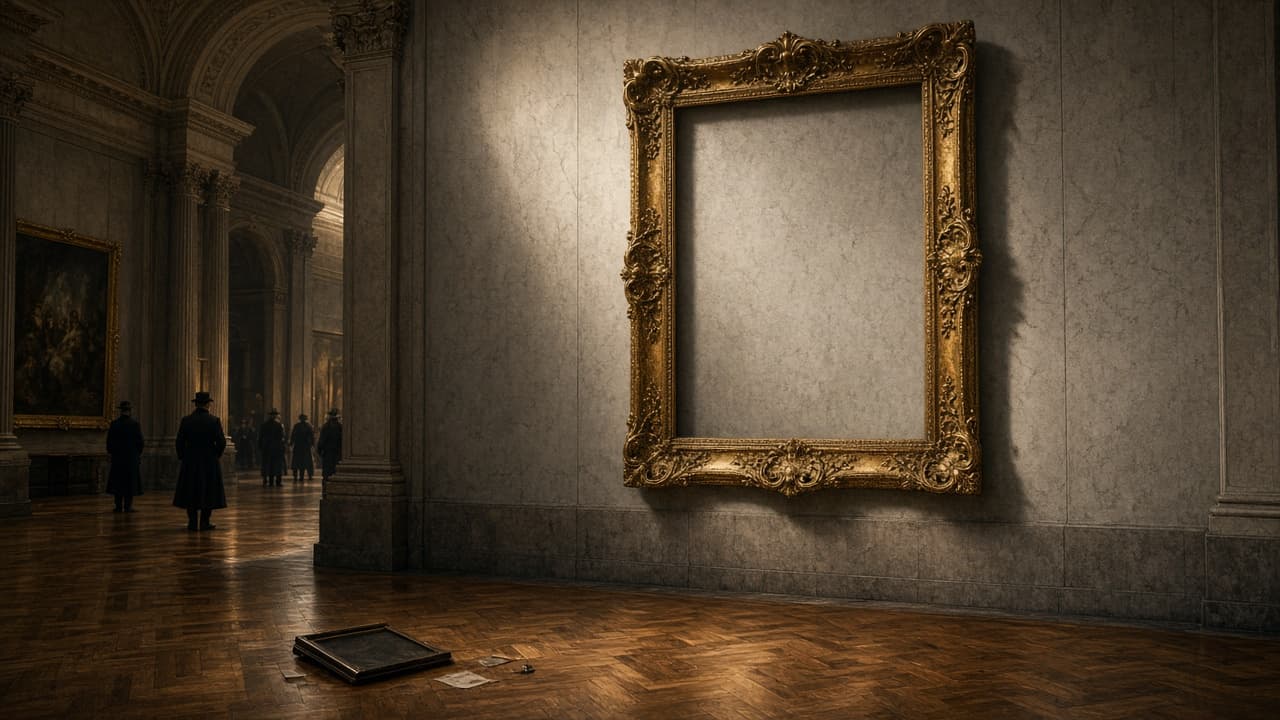
When the Mona Lisa vanished from the Louvre in August 1911, the empty wall became as famous as the painting. Guards and curators had treated the gallery as a secure temple of art. The theft exposed casual security and turned a Renaissance portrait into front-page crime news worldwide. Crowds came to stare at the vacant space as if absence itself were an exhibit. Police chased false leads for months while the canvas stayed hidden. Museum prestige suddenly looked fragile in the age of mass newspapers.
Vincenzo Peruggia, an Italian handyman who had worked around the Louvre, later claimed patriotic motives for taking Leonardo's work back toward Italy. He kept the panel hidden for years before trying to sell it through contacts in Florence, where dealers and authorities recovered it. The portrait returned to Paris as a bigger celebrity than before the crime. Peruggia's name remains attached to the heist that proved fame can grow from absence. Naming him keeps the story from floating as a victimless riddle about a missing smile.
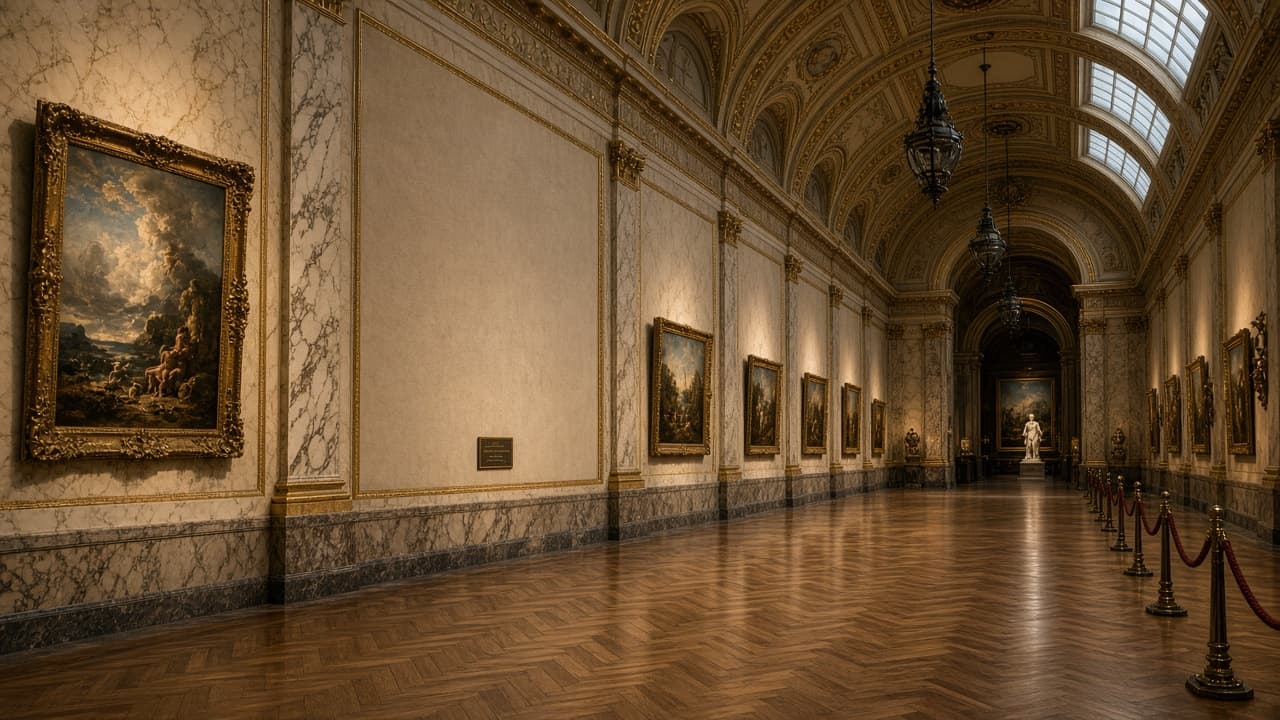
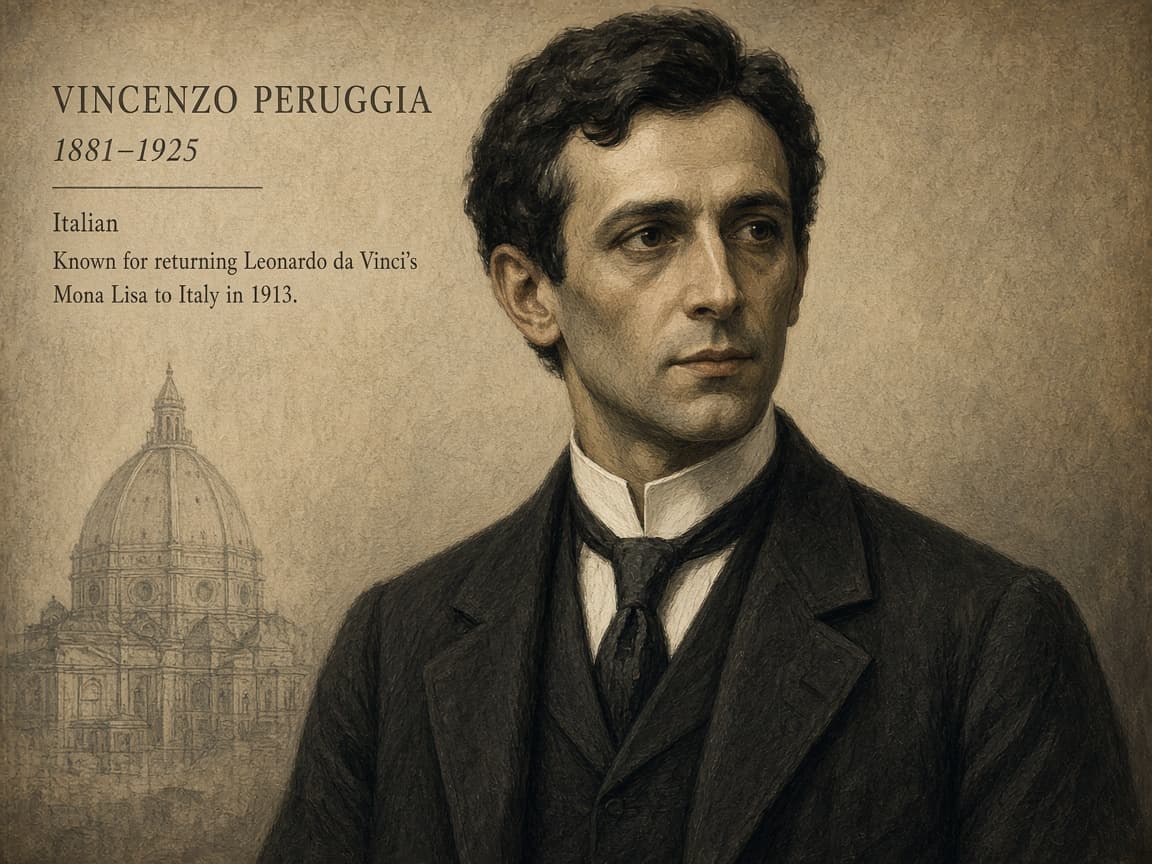
Vincenzo Peruggia was an Italian handyman who had worked at the Louvre installing glass cases. He knew the building's rhythms and which rooms were lightly watched on a Monday morning when the museum was closed to the public. He entered a stairwell, lifted the painting from its hooks, removed the frame in a service area and left with the panel under his work coat. The crime was bold and simple: no elaborate heist crew, mostly opportunity and familiarity.
Why steal the Mona Lisa? Peruggia later claimed patriotic motives: he wanted to return Leonardo's work to Italy, which he believed had been wrongly taken during Napoleonic seizures. Scholars note that Leonardo brought the painting to France late in his life and that it entered the royal collection by purchase and inheritance, not by a single clean story of theft. Peruggia's nationalism was sincere to him even if law and art history judged it differently.
The absence made headlines. Newspapers speculated about American millionaires, German agents and phantom collectors. Pablo Picasso and Guillaume Apollinaire were even questioned briefly in a tangled subplot about other missing art. Tourists who had ignored the painting on previous visits now lined up to see the empty space where it had hung. Fame, as many artists learn, can depend on scandal as much as on brushwork.
Peruggia kept the Mona Lisa in a Paris boarding room, then smuggled it to Florence. In December 1913 he contacted an art dealer claiming he wanted to return the work to Italy. The dealer and a museum director verified the panel and alerted police. Peruggia was arrested. The painting toured briefly in Italy as a recovered national treasure before France secured its return. He served a short prison sentence. The panel went back behind glass, more famous than ever.
Leonardo painted the portrait in the early 1500s, likely of Lisa Gherardini, wife of Florentine merchant Francesco del Giocondo. The sfumato technique (soft transitions without hard lines) and the sitter's ambiguous smile have fed centuries of analysis. None of that technical history required theft to be interesting. Yet the 1911 crime fixed the Mona Lisa in mass culture: reproductions on postcards, mugs and memes all owe something to the two years it was missing.
Museum security changed worldwide after the embarrassment. The Louvre tightened procedures, though no system is perfect against determined insiders. Modern climate-controlled cases, sensors and crowds make a repeat walk-out unlikely. The story still appears in heist films and conspiracy threads because it combines a household name with a solitary thief and a happy recovery.
For readers visiting Paris today, the Mona Lisa sits in the Salle des Etats behind bulletproof glass, often surrounded by phones held high. Knowing Peruggia's Monday walk helps explain the crowd: people come for the masterpiece and for the legend. Art history and true crime share the same frame.
French investigators fingerprinted suspects and chased tips across Europe while the Louvre reopened with tighter guards. Art historians used the publicity to reassess Leonardo's technique once the panel returned. The theft did not improve the painting's brushwork. It did fix the Mona Lisa at the center of modern celebrity culture where fame and security costs rise together. Peruggia served roughly seven months in Italy before release, treated by some as a patriot and by prosecutors as a common thief. The Louvre later installed climate cases and crowd controls that balance access with protection. Every selfie in the Salle des Etats inherits the 1911 shock that taught museums they could lose their most famous wall.
Eagle Frame's takeaway: 21 August 1911 is when Vincenzo Peruggia stole the Mona Lisa from the Louvre and hid it for two years. Know the inside-job method, know the 1913 Florence recovery and know why the theft made Leonardo's portrait a global icon.