On this day: the Montreal Protocol is agreed to protect the ozone layer
On 16 September 1987, nations finalized the Montreal Protocol to phase out chemicals that destroy stratospheric ozone. Here is what the ozone layer does and why the treaty worked.
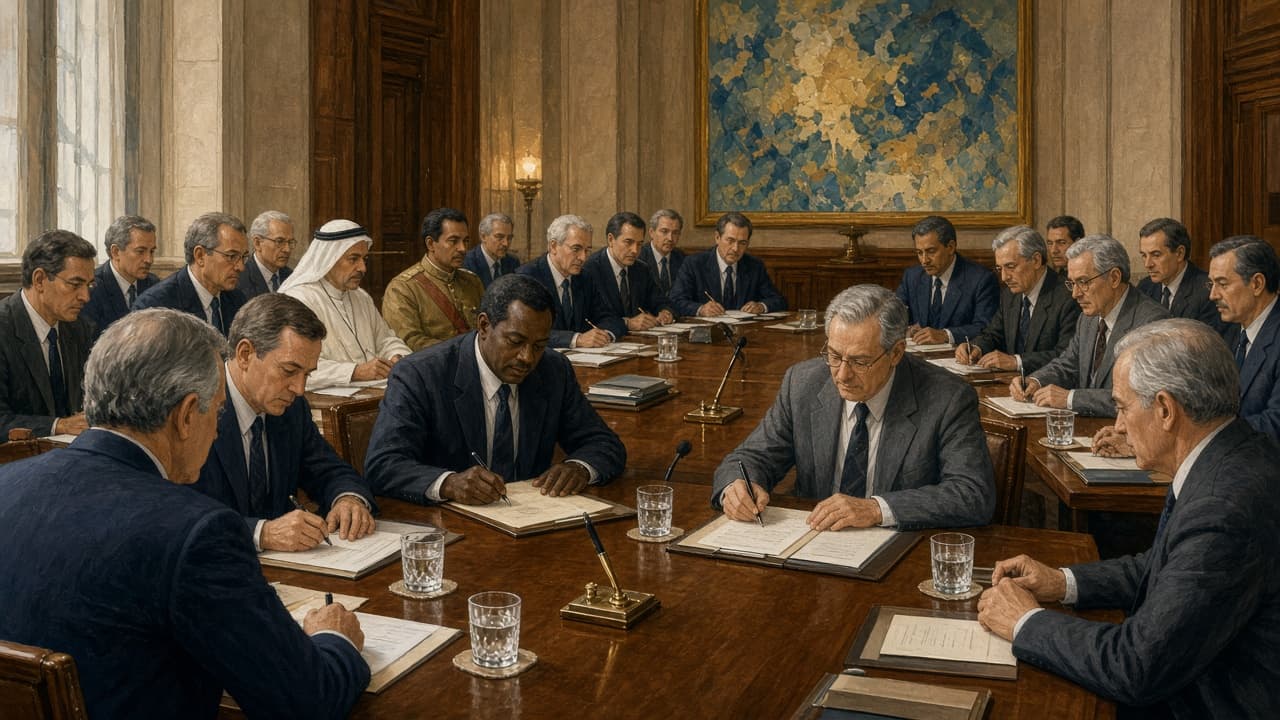
On 16 September 1987, delegates in Montreal finished negotiating a treaty that would become the Montreal Protocol on Substances that Deplete the Ozone Layer. The deal set binding schedules to cut and later phase out chlorofluorocarbons (CFCs) and related chemicals used in refrigeration, aerosol sprays and foam blowing. It is widely cited as the most successful global environmental agreement of the late twentieth century.
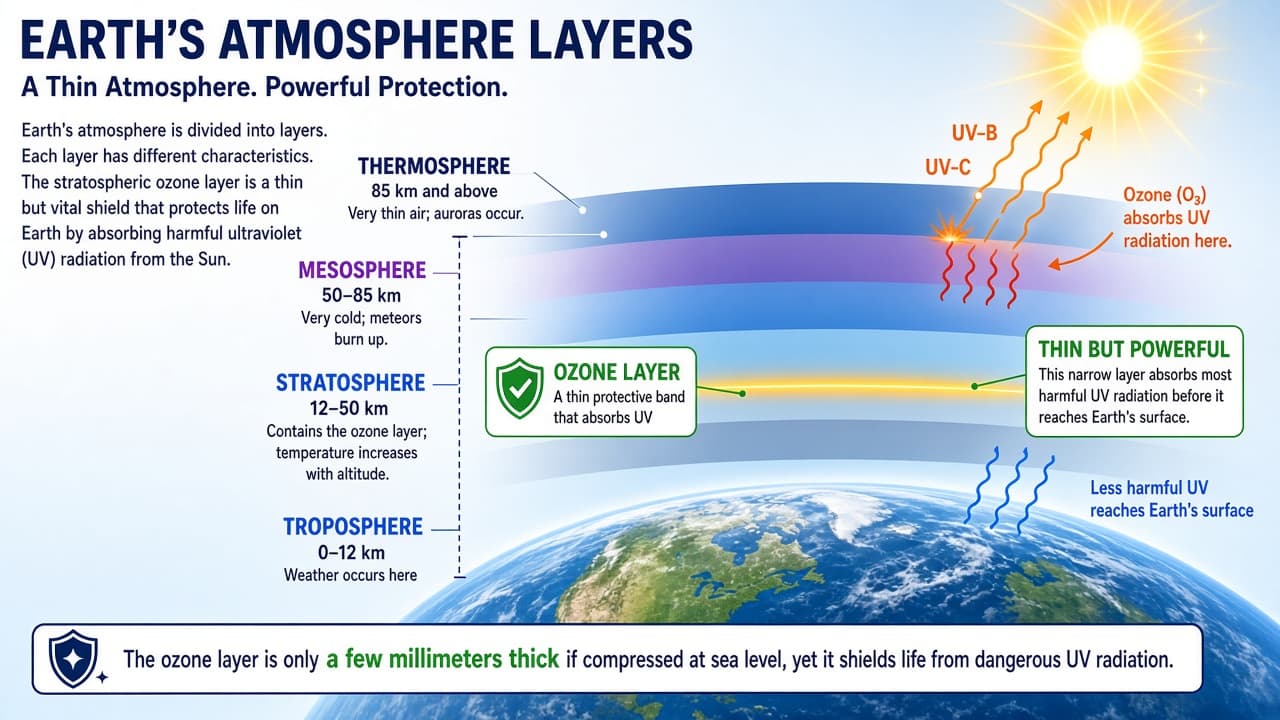
Start with the sky. High in the stratosphere, a thin band of ozone (O3) molecules absorbs much of the Sun's harmful ultraviolet-B radiation before it reaches the ground. That shield is not a solid roof. It is a concentration of gas maintained by chemical reactions driven by sunlight. When the shield thins, living tissues face higher UV doses linked to skin cancers, eye damage and harm to plankton and crops.
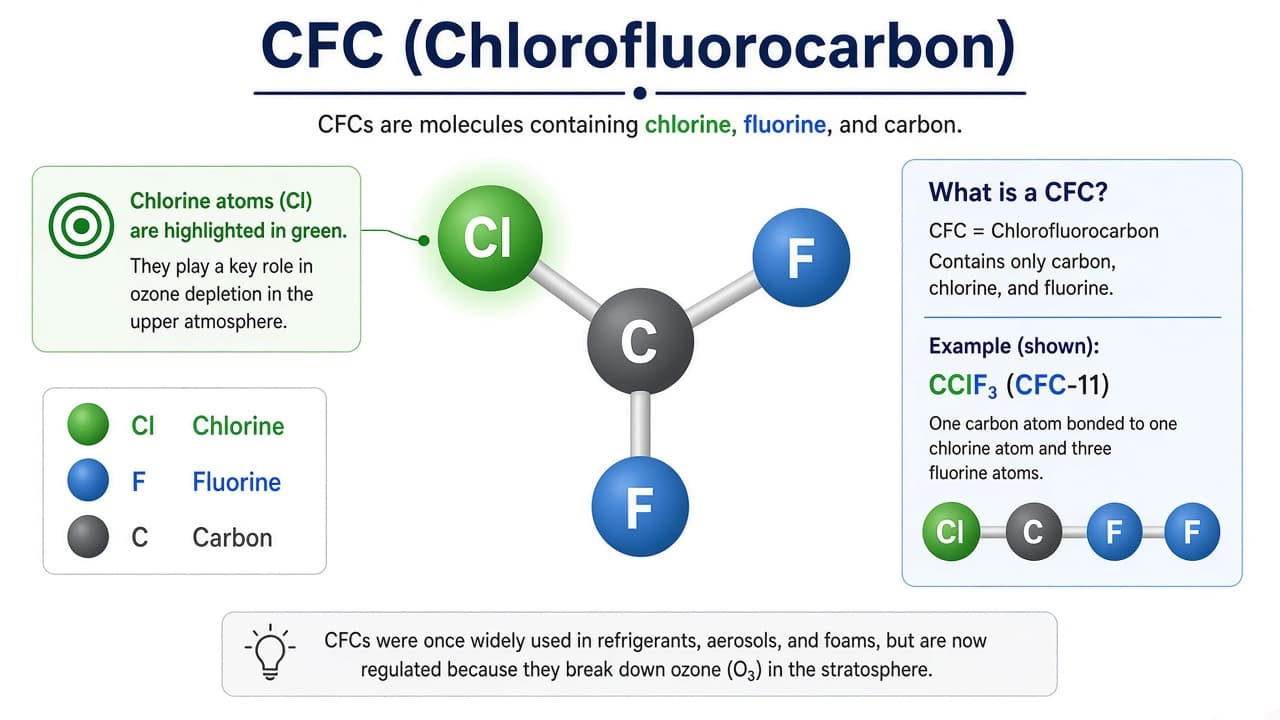
In the 1970s, chemists Mario Molina and F. Sherwood Rowland warned that CFCs could rise unchanged into the stratosphere. There ultraviolet light can break them apart and release chlorine atoms that destroy ozone in catalytic cycles: one chlorine can remove many ozone molecules before it is tied up in a safer compound. The theory was contested until measurements, including the dramatic Antarctic ozone hole reported in the 1980s, made the risk undeniable to policymakers.
The Montreal Protocol did not ban everything overnight. It listed controlled substances, set different timetables for industrialized and developing countries and created a Multilateral Fund to help transitions. Later amendments accelerated phaseouts and added new chemicals as science and industry evolved. Companies reformulated refrigerants and propellants. The treaty's design rewarded participation: trade provisions discouraged free riding by countries that stayed outside the regime.
Results take decades because ozone chemistry is slow and CFCs are long-lived. Assessments by the World Meteorological Organization and UN Environment Programme report that the ozone layer is healing and that the Antarctic hole is trending toward recovery this century if compliance continues. The same chemicals are also greenhouse gases, so the phaseout had a large side benefit for climate even though climate was not the original target.
Why teach the mechanism on the anniversary? Because the story is easy to flatten into a slogan about banning spray cans. The real lesson is measurement, industry substitutes, differentiated duties and amendments when new threats appear. It is a case study in matching a physical process (chlorine catalysis in cold stratospheric clouds) to a legal schedule humans can actually keep.
Eagle Frame's takeaway: 16 September 1987 is when the Montreal Protocol locked in a global phaseout path for ozone-destroying chemicals. Ozone high in the stratosphere blocks UV. CFCs release chlorine that catalytically destroys that shield. The treaty worked because science, substitutes and fair timelines moved together.