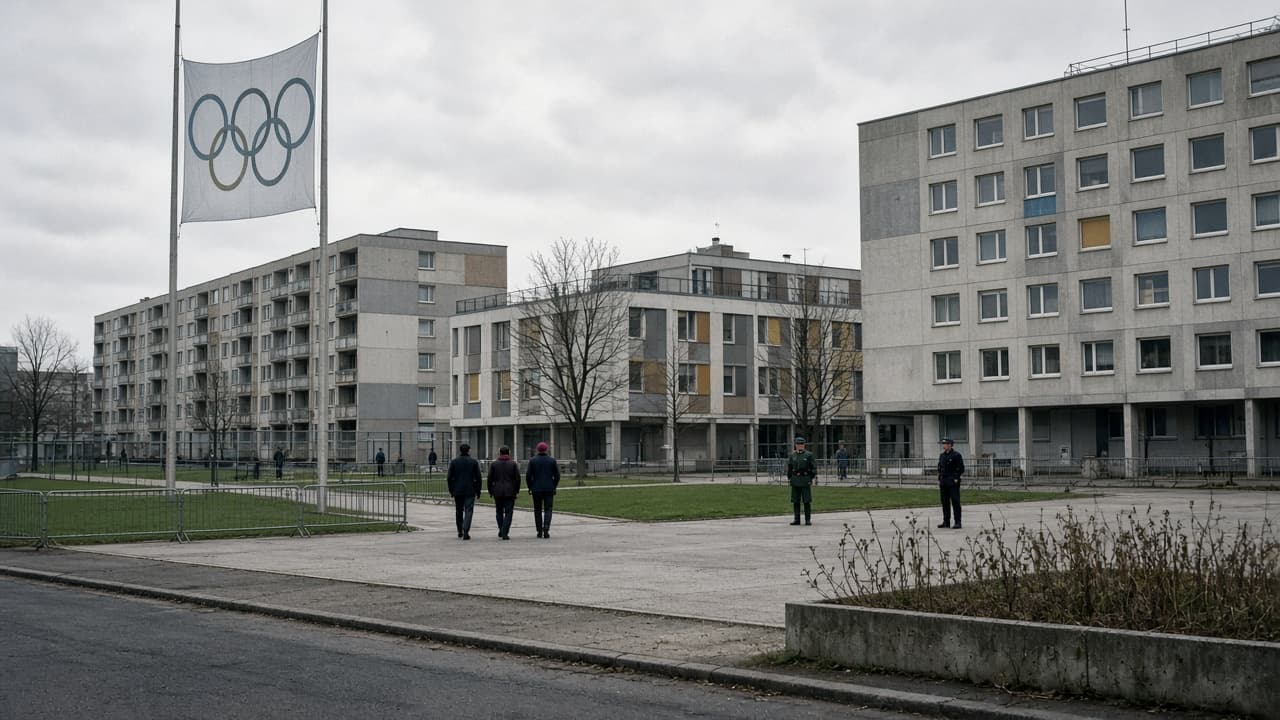
On this day: the Munich Olympics attack begins
On 5 September 1972, Black September gunmen took Israeli athletes hostage in the Munich Olympic Village. A bungled rescue at Fürstenfeldbruck airfield ended with the murder of the hostages and a permanent scar on the Games.
On 5 September 1972, members of the Palestinian terrorist group Black September climbed into the Israeli team's quarters in the Munich Olympic Village. They killed two team members in the initial assault and took others hostage. The attack shattered the image of the Olympics as a sealed festival of peace. For the next day the Games and the world watched a crisis that ended in massacre. Competition schedules froze in the public mind even when events later resumed under protest from athletes and families who wanted a fuller stop.
On 5 September 1972, the Palestinian militant group Black September attacked the Israeli team in the Munich Olympic Village, taking hostages in a sequence that ended with athletes and a German officer dead after a failed rescue. A simple village map helps readers see how proximity of apartments and security gaps shaped the assault without turning the page into a tactical manual for harm. The Games' open, cheerful design collided with terrorism on live television. Sport's supposed truce broke in a housing block.
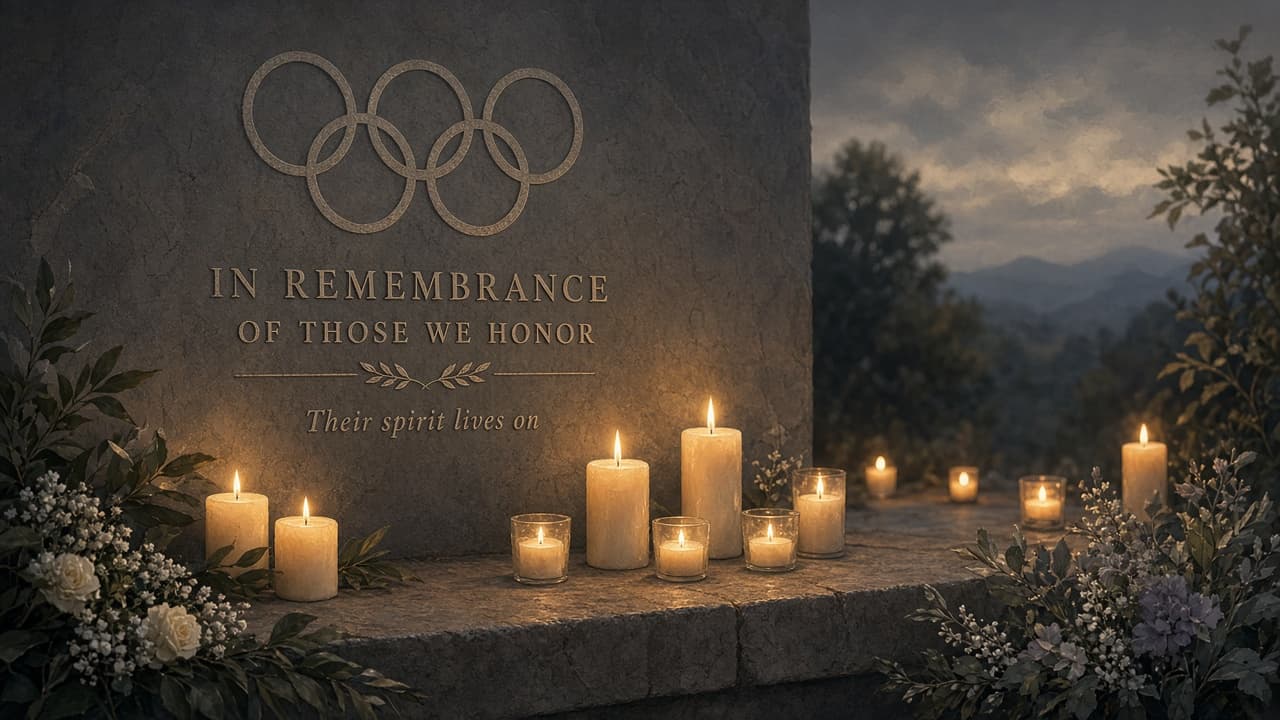
Memorials with rings and candles now mark the murdered Israeli athletes and the wound left on the Olympic movement. Families fought for years for fuller recognition during later Games. Security architecture at global events changed permanently. Holding a quiet memorial image beside the village diagram keeps remembrance centered on victims rather than on sensational assault details. 5 September remains a date when a festival of nations had to admit it was not sealed from politics or violence. Israeli athletes' teammates and families carried the names forward when official silence felt too long.
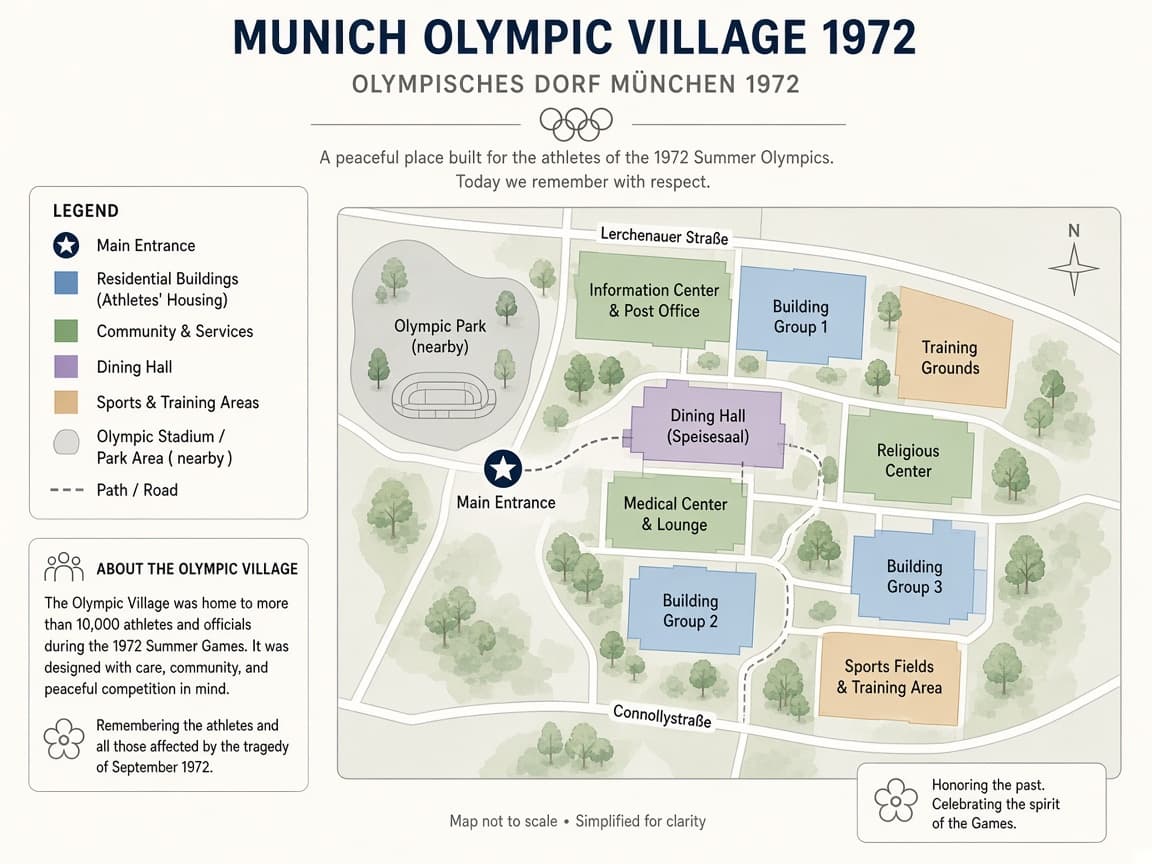
West Germany had designed Munich as a bright, open Olympics meant to replace memories of the Nazi 1936 Berlin Games. Security was deliberately light to avoid a militarized look. That choice left fences and procedures too weak for a determined armed squad. Athletes from many nations lived in a compact village that was supposed to feel welcoming. It became a trap.
The hostage-takers demanded the release of prisoners held by Israel and other concessions, plus safe passage. Negotiations stretched through the day under television cameras. German authorities planned a rescue when the group was moved to Fürstenfeldbruck airfield, supposedly for a flight out. The operation was poorly prepared: too few trained snipers, bad information about the number of terrorists and inadequate coordination. International Olympic Committee president Avery Brundage insisted the Games must go on, a decision that still draws anger from those who wanted a longer halt for mourning.
At the airfield the rescue collapsed into a firefight. All the remaining Israeli hostages were killed. Most of the attackers died; three were captured and later released in a hijacking exchange. Eleven members of the Israeli Olympic delegation died in total across the village assault and the airfield. A German police officer also died. The Olympics paused, then controversially continued after a memorial service.
Israel responded with intelligence and strike operations against people it held responsible, a campaign later dramatized and debated for years. Palestinian factions and Arab states faced diplomatic fallout. The International Olympic Committee faced lasting questions about security, politics and when sport should stop. Munich became shorthand for the end of innocence around Olympic safety. For athletes and families the names matter more than the geopolitics. Coaches, weightlifters, wrestlers, a fencing referee and others died far from competition floors. Their teammates' grief sat beside medal ceremonies that suddenly felt obscene to many viewers. Sportswriting that treats Munich only as a security case study misses the murdered people at the center. Security doctrine at later Games changed: heavier screening, restricted village access, closer work with intelligence services. Those measures create their own tensions with the Olympic ideal of openness. Munich is why the tradeoff exists in modern form.
Readers should resist simplifying the attack into a single slogan about the Middle East. It was a terrorist operation against civilians at a global sports event, carried out by a named group, enabled by security failures and ended by a failed rescue. Holding those facts together is the honest way to teach the date.
ABC Sportscaster Jim McKay's long on-air vigil became part of how American audiences experienced the crisis, culminating in the grim line that the hostages were all gone. Real-time television bound living rooms to a terror event in a way earlier decades had rarely known. The medium's power and its helplessness shared the same screen.
German police lacked a dedicated elite hostage-rescue unit of the kind later created as GSG 9 after the disaster. Training, communications and night-fighting equipment at Fürstenfeldbruck were inadequate for the scenario they faced. Institutional reform followed tragedy, a pattern repeated in other countries after their own shocks.
The Israeli team had included athletes who survived the Holocaust era as children or were children of survivors. Murder at the Olympics therefore carried a layered historical horror for many Jewish families. That context does not change the tactical facts. It deepens why the names are still read aloud at memorials.
Eagle Frame's takeaway: 5 September 1972 is when Black September turned the Munich Olympic Village into a hostage site and a failed airfield rescue killed the Israeli athletes. Keep the light-security design that failed and the Fürstenfeldbruck disaster in view. Treat later Olympic security as a direct reply to that night.