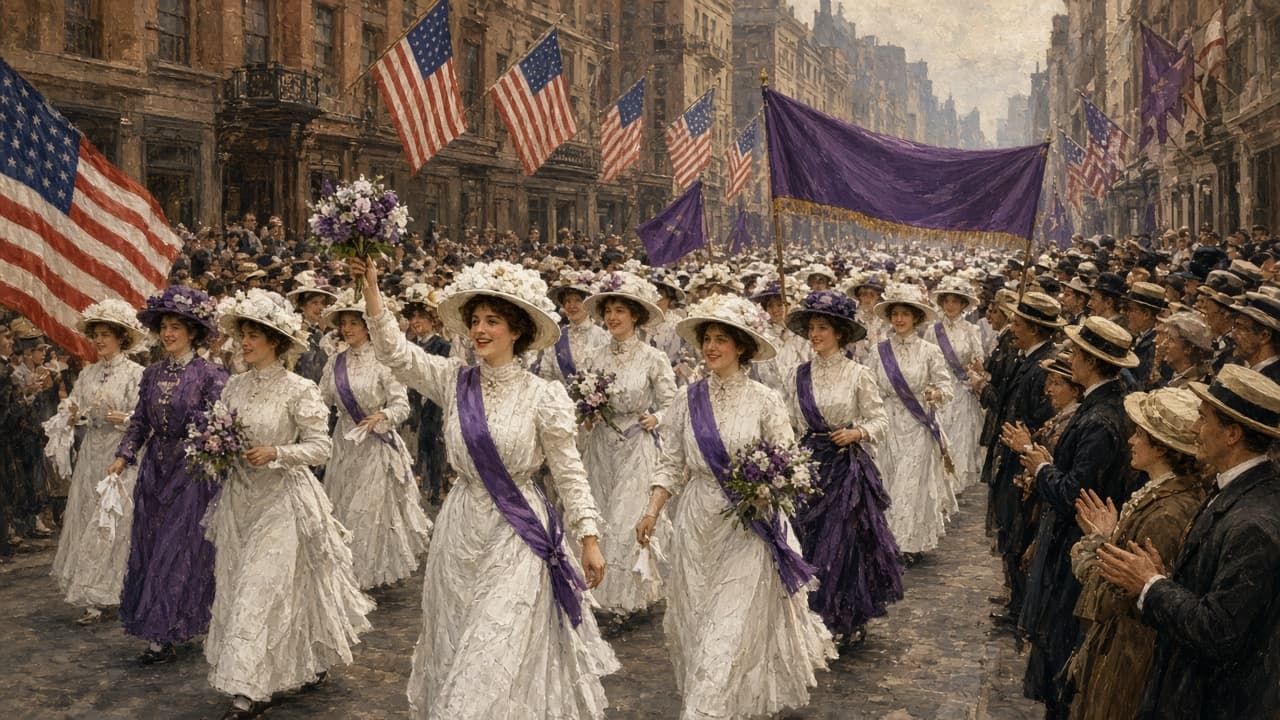
On this day: the 19th Amendment is certified
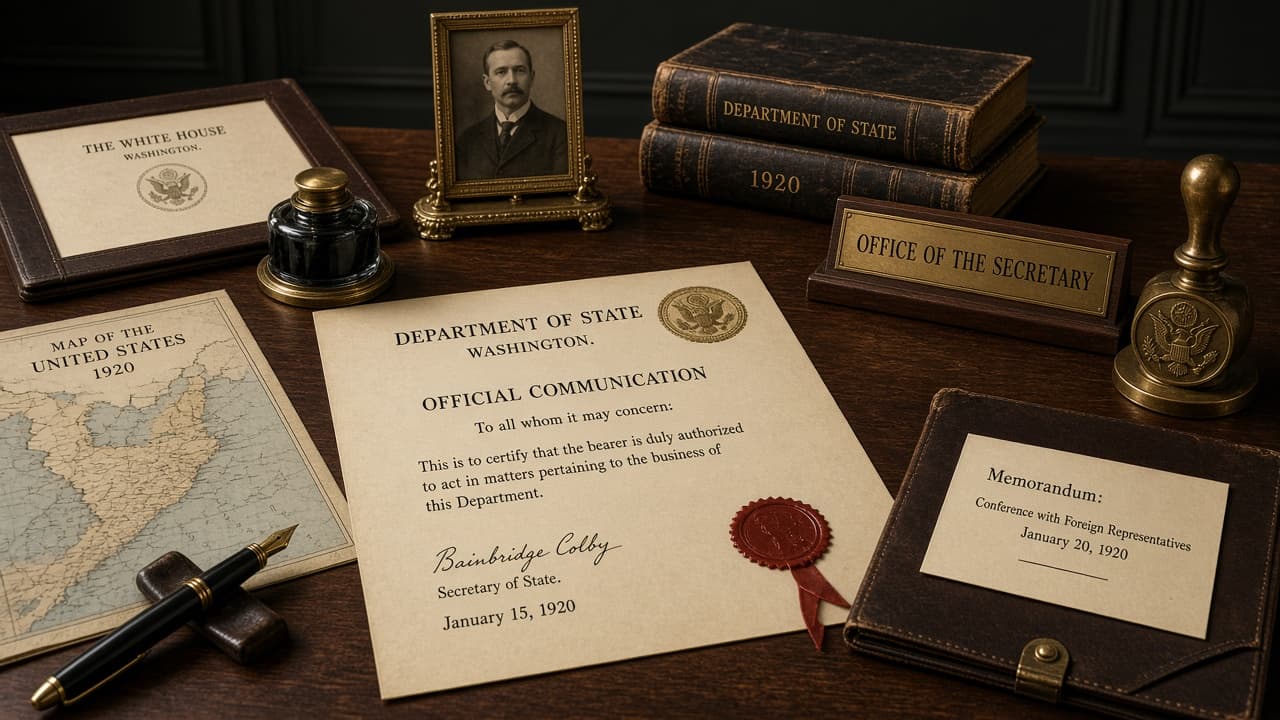
On 26 August 1920, U.S. Secretary of State Bainbridge Colby certified the 19th Amendment. Women's suffrage became part of the Constitution; Carrie Chapman Catt and a long movement stood behind the paperwork.
On 26 August 1920, U.S. Secretary of State Bainbridge Colby signed the proclamation certifying the Nineteenth Amendment to the Constitution. The text bars denying or abridging the right to vote on account of sex. After Tennessee's dramatic ratification days earlier supplied the final state needed, certification made the amendment operative. Women's Equality Day in the United States later marked this calendar date so the paperwork would not be forgotten behind parade photographs.
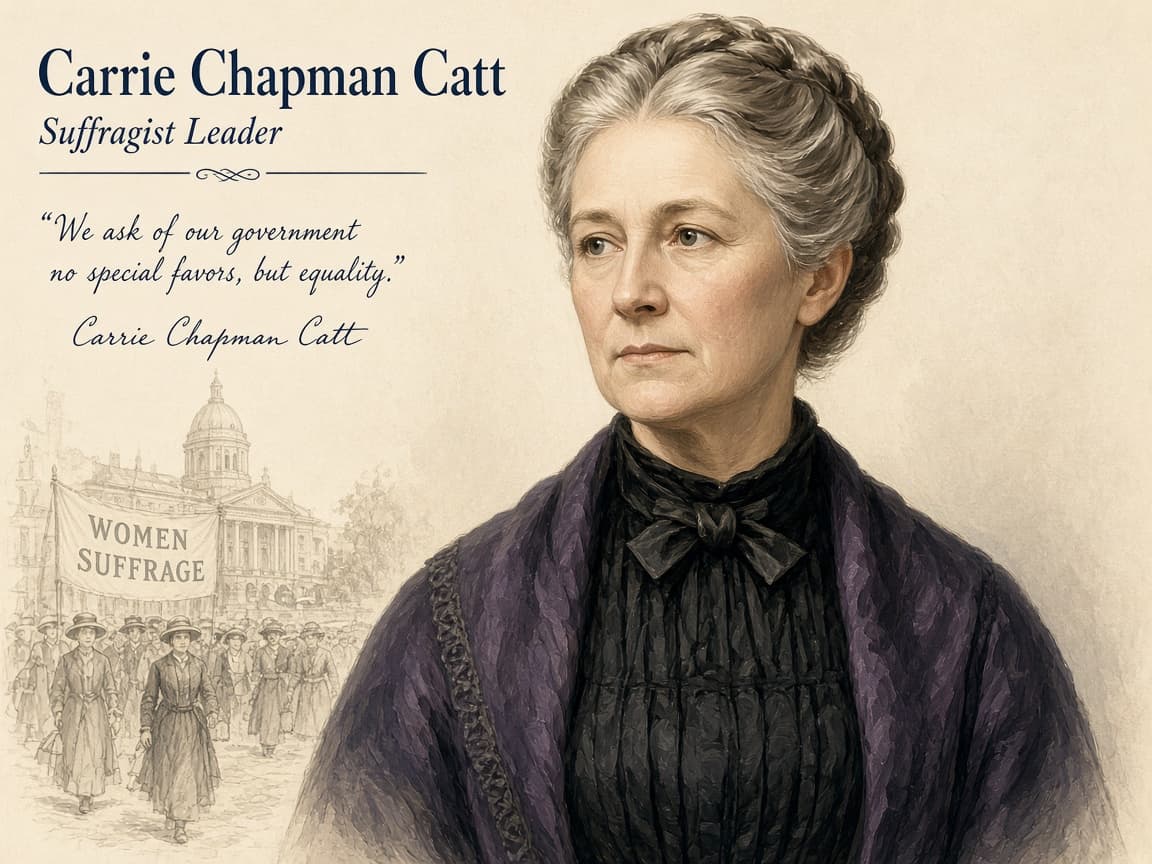
Carrie Chapman Catt led the National American Woman Suffrage Association through the endgame with a dual strategy: win state campaigns and press a federal amendment. She was a planner more than a romantic orator, organizing lobbying, funding and message discipline after decades of split tactics among suffragists. Alice Paul's National Woman's Party used pickets and civil disobedience at the White House. Different methods shared one constitutional target. Catt's "Winning Plan" helped turn scattered energy into ratification math.
Carrie Chapman Catt led the mainstream National American Woman Suffrage Association through the final state ratification push, practicing careful lobbying and coalition work that complemented more militant tactics elsewhere. When Tennessee's narrow vote tipped the Nineteenth Amendment over the edge, Catt's long organizational grind met its paperwork climax. She had spent years stitching state campaigns into a national majority. Certification by the State Department on 26 August 1920 made the amendment operative. Catt's portrait belongs beside that bureaucratic finish line.
Certification was a desk act: seals, signatures and an official proclamation that women had the constitutional right to vote in federal terms across the states. It did not automatically register every woman or dismantle racist barriers at local polls in the Jim Crow South. It did bind election officials to a new baseline and give organizers a date to celebrate as Women's Equality Day. The document scene looks quiet compared with marches. Quiet is how constitutions often change: ink after years of noise.
The amendment did not appear overnight. Seneca Falls in 1848, Reconstruction-era debates, the split over the Fifteenth Amendment, Western state victories, World War I service arguments and anti-suffrage campaigns all belong in the backstory. Southern and national opponents warned about race, family roles and political purity. Black women organizers such as Ida B. Wells fought for the vote while facing exclusion from some white suffrage spaces. Certification opened a federal door; enforcement and access remained contested.
Tennessee's vote showed how thin the margin was. Legislator Harry Burn changed to "aye" after a letter from his mother, a story often retold because it humanizes dry procedure. Anti-suffrage forces tried to reverse or stall. Colby's quiet certification in Washington, without a giant public spectacle, frustrated some activists who wanted a ceremony and protected the result from last-minute theater. Law sometimes advances in ink, not fireworks.
What changed on the ground depended on place. Many white women voted in 1920. Jim Crow literacy tests, poll taxes and intimidation still blocked many Black women and men in the South until the Voting Rights Act of 1965 and later struggles. Native American and immigrant eligibility followed other statutes and court fights. Honest teaching of 26 August names both the breakthrough and the unfinished map of who could actually cast a ballot. Politically the amendment remade party calculus. Candidates had to court women as voters, not only as moral symbols. Organizations shifted from suffrage to the League of Women Voters and issue campaigns. Later amendments and laws on voting age, poll taxes and discrimination continued the franchise story. Catt herself kept working on peace and civic education, treating the vote as a tool rather than a trophy.
For readers today the date is a reminder that constitutional text is won by organizers who count states, write letters and endure ridicule for years. A signature on a proclamation looks small beside a march. Without it the marches would not have rewritten who "We the People" includes at the polling place.
State-by-state maps before 1920 already showed Western territories and states where women voted in local or full elections. The federal amendment nationalized a floor. It also disappointed activists who wanted stronger enforcement language and who watched poll taxes and white primaries continue to warp democracy. Legal text is a beginning. Election administration is the daily fight.
International context mattered. Wartime labor and Allied talk of democracy made denying half the adult population the vote harder to defend in speeches, even as empires still ruled millions abroad without ballots. U.S. suffragists compared notes with campaigns in Britain and elsewhere, trading tactics while arguing over race and immigration at home. Catt's victory parade shared the calendar with unfinished freedom struggles.
Ballots in November 1920 tested the new amendment under real party machines. Some women voted in blocs that surprised local bosses; others faced husbands, employers or registrars who still treated female citizenship as optional. Turnout varied by region and by whether states made registration easy. The certification of 26 August made obstruction harder to justify in court, even when custom tried to keep the old queue.
Eagle Frame's takeaway: 26 August 1920 is when certification made the Nineteenth Amendment law of the land. Know Catt's Winning Plan, know Tennessee's narrow ratification and know that the vote's promise still had to be fought for in practice.