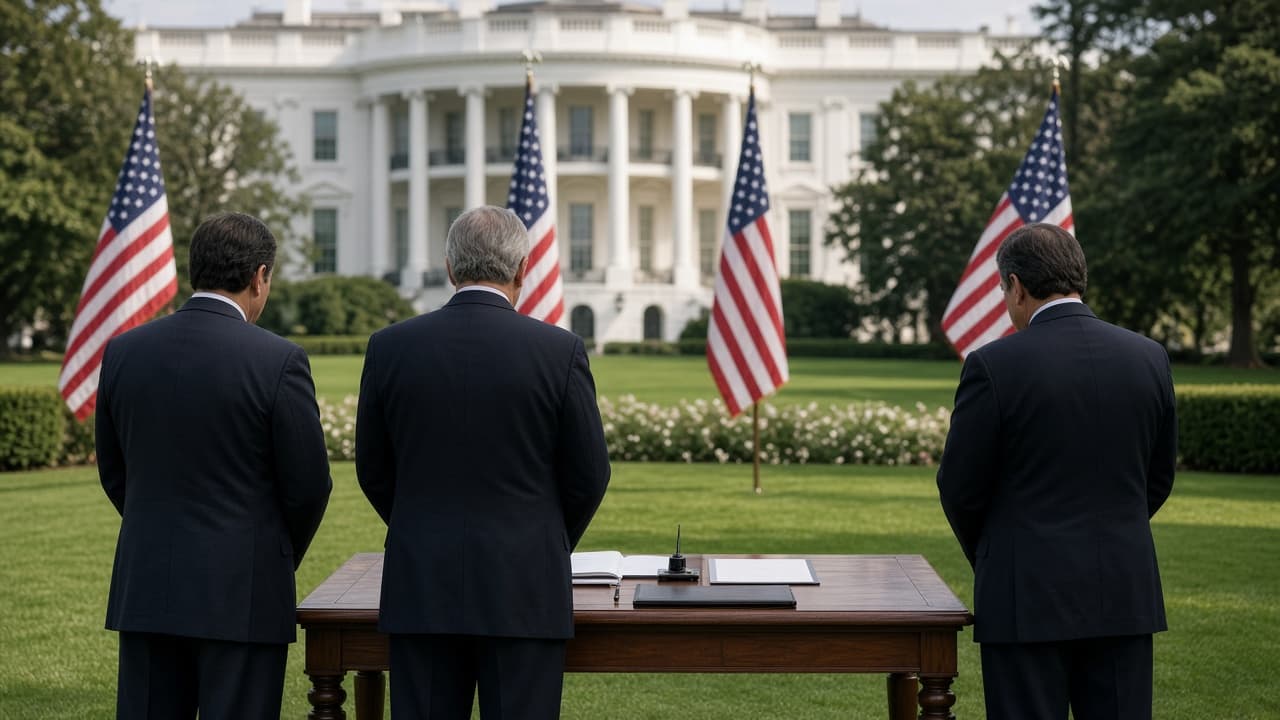
On this day: the Oslo Accords are signed
On 13 September 1993 at the White House, Israel and the PLO signed the Declaration of Principles known as Oslo I. Mutual recognition and a staged interim plan went public after secret talks in Norway.
On 13 September 1993, Israeli Prime Minister Yitzhak Rabin and Palestine Liberation Organization chairman Yasser Arafat joined U.S. President Bill Clinton on the White House lawn for the public signing of the Declaration of Principles on Interim Self-Government Arrangements, often called Oslo I. The ceremony followed secret talks hosted in Norway and a mutual recognition exchange between Israel and the PLO that cleared the way for the handshake the world watched on television.
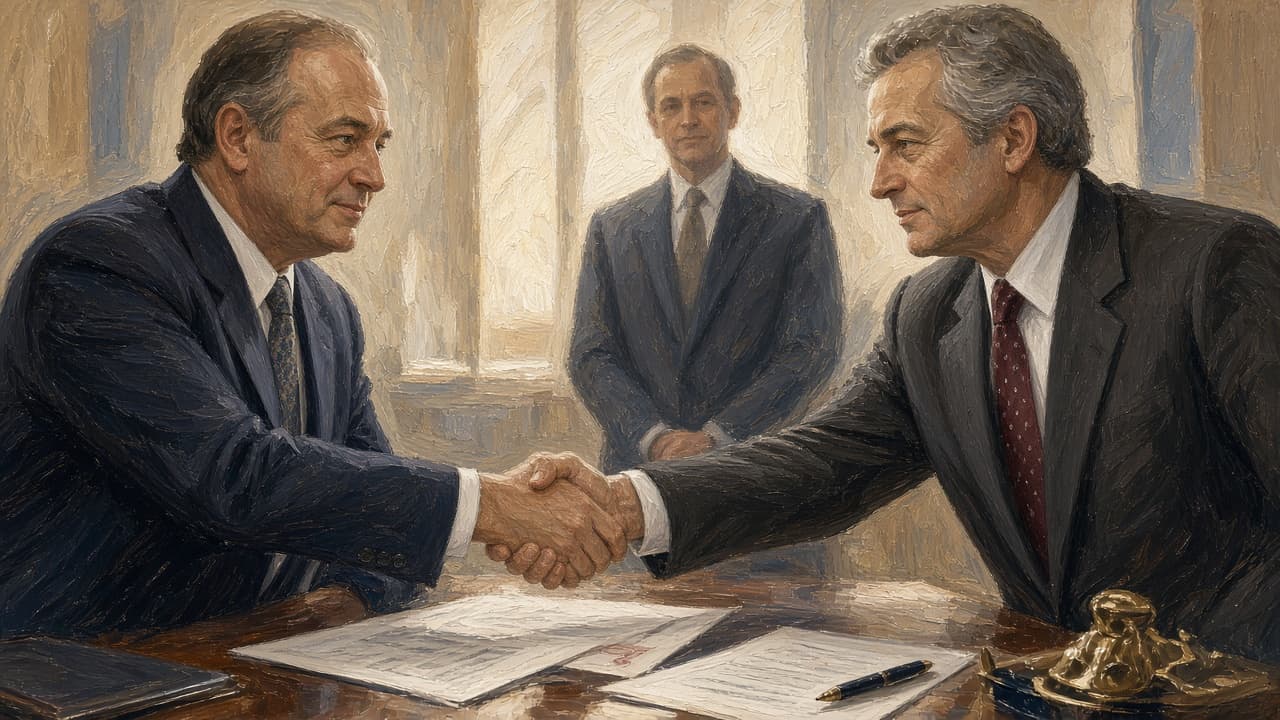
The Norway channel mattered because cameras make compromise harder. Norwegian facilitators and Israeli and Palestinian negotiators tested language away from public deadlines. Israeli Foreign Minister Shimon Peres was central to bringing the track into official politics. On the Palestinian side, Mahmoud Abbas (also known as Abu Mazen) was a key figure in the negotiating team that shaped the text. When the deal reached Washington, the photographs became the memory most people keep. The legal document was denser: timelines, committees, redeployments and interim authorities.
Mutual recognition came in letters exchanged just before the ceremony. Israel recognized the PLO as the representative of the Palestinian people. The PLO recognized Israel's right to exist in peace and security and committed to a political path that renounced terrorism as a strategy. Those letters were not a final border map. They were the diplomatic door that let the Declaration of Principles be signed in public.
What the Declaration tried to do, in careful outline: it set a framework for limited Palestinian self-rule over an interim period, with early focus on Gaza and Jericho as first areas of transfer, then further redeployments and an elected Palestinian council. Harder "final status" issues were listed for later talks. Those included borders, settlements, refugees, Jerusalem and security arrangements. Oslo I was a process map more than a finished peace treaty. Supporters hoped stepwise trust and institutions could make later compromises possible. Critics on several sides argued the gaps were too large or the security risks too high.
Context matters. The early 1990s followed the Gulf War, a shifting Cold War map and an intifada that had already changed daily life for Israelis and Palestinians. Madrid conference diplomacy had opened multilateral tracks. Oslo's bilateral secrecy moved faster than some expected. The White House lawn made the gamble look complete. The text itself left the hardest questions open on purpose.
What followed was unfinished and often violent. Further agreements, including the Oslo II accords of 1995, expanded interim arrangements and divided West Bank areas into categories with different levels of Palestinian and Israeli control. Some transfers of authority took place. Suicide bombings, settlement expansion, political assassinations and repeated breakdowns of talks eroded public faith. Rabin was assassinated by an Israeli extremist in November 1995. Later rounds, including the Camp David summit in 2000, did not close a comprehensive final-status deal.
Historians still argue over how much Oslo changed facts on the ground versus how much it postponed hard choices. Readers should resist slogan versions of the day. Oslo I was a diplomatic gamble with concrete interim aims and known open questions. It neither ended the conflict nor was a meaningless photo opportunity. It created a negotiating architecture that later events strained, broke and sometimes revived in pieces.
Readers should keep the interim and final-status lists separate in their heads. Interim arrangements were about transferring limited civil powers, creating Palestinian institutions and sequencing Israeli redeployments. Final status was about the end-state of the conflict: where borders run, what happens to settlements, how refugees are addressed, how Jerusalem is shared or divided and how security is guaranteed. Oslo I scheduled the hard list. It did not settle it.
Peres and Abbas illustrate the working layer beneath the lawn photographs. Foreign ministers and negotiators turn secret drafts into signatures; prime ministers and chairmen carry the political risk. When violence and politics later tore at public support, that working layer frayed too. Understanding 13 September means understanding both the ceremony and the unfinished checklist it left on the table.
Eagle Frame's takeaway: mark 13 September 1993 for what it was: a public commitment to a staged process after mutual recognition and Norway's quiet channel. Know Gaza-Jericho first steps, know the unfinished final-status list and read Rabin, Oslo II and Camp David as contested history rather than as a single moral cartoon.