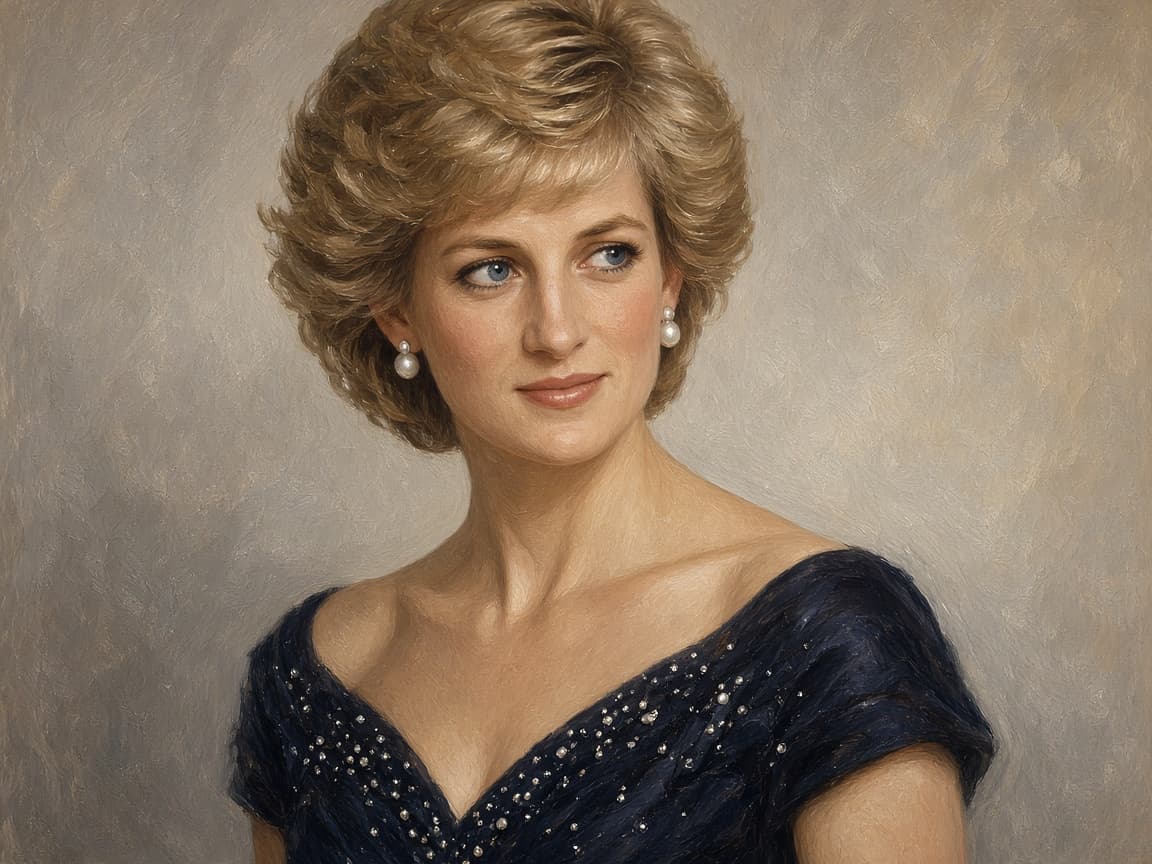
On this day: Princess Diana dies in Paris
On 31 August 1997, Diana, Princess of Wales, died after a car crash in the Pont de l'Alma tunnel in Paris. The death triggered a week of public mourning that reshaped how many people saw the British royal family.
On 31 August 1997, Diana, Princess of Wales, died in Paris after a high-speed car crash in the Pont de l'Alma road tunnel. She was 36. Her companion Dodi Fayed and driver Henri Paul also died. Bodyguard Trevor Rees-Jones survived with serious injuries. Within hours, newsrooms and living rooms across the world were locked on the same story: a woman who had been both royal and relentlessly public was gone. She left behind two sons and a public that had followed her through wedding spectacle, marital breakdown and a restless second act as a global celebrity advocate.
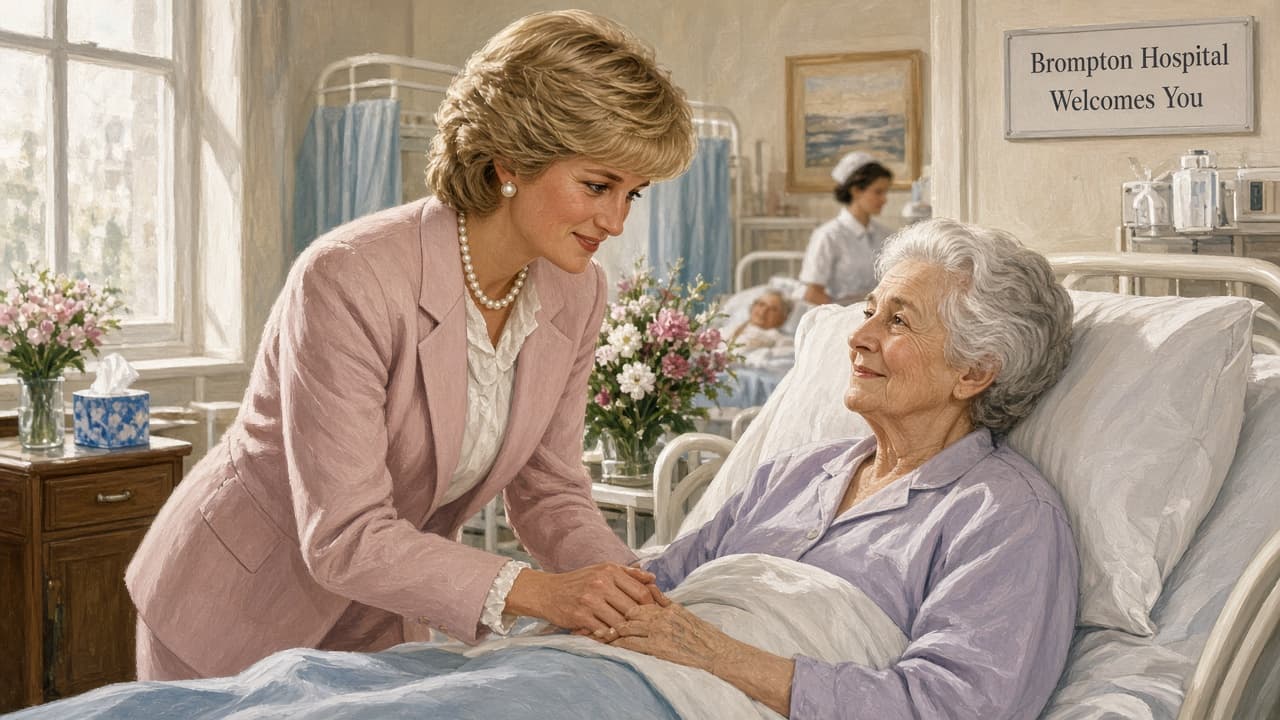
Diana, Princess of Wales, died in a Paris car crash on 31 August 1997 after years as a global media figure who had redefined royal charity work. Hospital visits, landmine campaigns and HIV/AIDS stigma-breaking gestures made her image as much about touch and advocacy as about titles. Mourners remembered that public warmth as personally as they remembered tabloid pursuit. Naming the charity-ward Diana keeps the death from shrinking into only paparazzi argument. Prime ministers and palace aides argued over flags at half-mast while queues for the book of condolence grew.
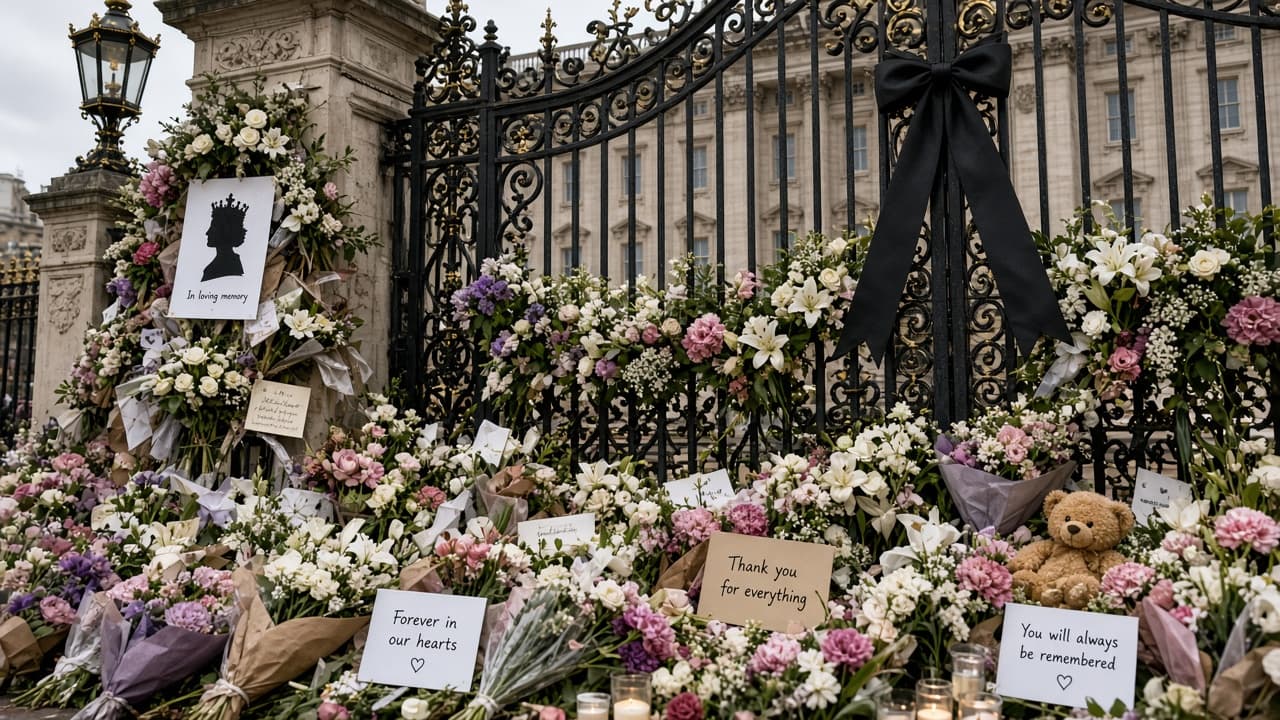
Seas of flowers at Kensington Palace gates turned London sidewalks into a spontaneous memorial. Notes, teddy bears and candles stacked against ironwork while the monarchy faced criticism for seeming slow to share the grief. Funeral week remade how Britain performed public mourning on television. The palace gates image is the people's verdict in petals. It sits beside the hospital-visit image as aftermath and life's work in one story. Charities she had championed saw donation spikes as mourners looked for a practical way to answer grief.
Diana Spencer married Charles, Prince of Wales, in 1981. The wedding was watched by hundreds of millions. The marriage later collapsed in public view through interviews, separations and a formal divorce in 1996. She kept the style of Princess of Wales and kept a platform that no longer depended on a marriage certificate. Cameras followed her into hospitals, minefields and charity events as closely as they followed her into nightclubs.
What made her unusual was not only fashion or glamour. She used proximity. She sat with people living with AIDS when stigma was still thick. She walked carefully marked paths in Angola to draw attention to landmines. She talked about mental health and bulimia in language that ordinary readers could recognize. Admirers saw empathy. Critics saw media management. Both readings lived beside the same photographs.
The crash itself remains a dense file. The Mercedes was fleeing paparazzi photographers on motorcycles. Investigators later found that Paul had been drinking and that the car was traveling far too fast for the tunnel. Conspiracy theories bloomed almost immediately and still circulate. Official French and British inquiries rejected the idea of a planned murder and pointed to speed, alcohol and the chase. Readers should separate verified findings from rumor when they revisit the night.
The week that followed changed British public ritual. Flowers piled outside Kensington Palace and Buckingham Palace. Queues for books of condolence stretched for hours. The monarchy, often careful and distant on camera, faced anger that the flag was not flying at half-mast in the way many expected. Queen Elizabeth II returned to London, spoke on television and walked among mourners. The funeral at Westminster Abbey on 6 September mixed state formality with Elton John's rewritten "Candle in the Wind" and a raw eulogy from Diana's brother, Earl Spencer. Media ethics became part of the story as well as coverage of it. Editors debated how far pursuit photography could go. Laws and industry codes around privacy and harassment tightened in later years in several countries, partly under the shadow of that tunnel. Fans and critics still argue over how much blame belongs to individual photographers versus a market that paid for every snatched frame. Diana's sons, William and Harry, were 15 and 12. Their grief was private and then, over decades, partly public. Later interviews and documentaries returned to how the crash shaped their view of press power and protection. For many people outside the family, the date fixed a memory of where they were when they heard: a kitchen radio, a holiday television, a newspaper board.
History should not flatten her into a saint or a soap character. She was a divorced royal with enormous soft power, real charity impact and a difficult private life that the press treated as open property. The Pont de l'Alma crash ended that life. It also forced institutions that had treated public feeling as background noise to reckon with it in daylight.
France and Britain ran parallel investigations. The Ritz hotel, the tunnel geometry and the pursuing photographers all entered the official record. What did not hold up under scrutiny were claims of a staged assassination by intelligence services. Readers who want the date clear should keep the verified mechanical causes in one column and the tabloid mythology in another. Grief made people hungry for a plot. Evidence pointed to a preventable crash under pressure.
Charity boards that had worked with her lost a uniquely famous advocate overnight. Landmine campaigns, hospital visits and HIV stigma work continued through organizations she had amplified, but without her camera magnet. That gap is part of why mourners insisted the funeral acknowledge more than titles. They were burying a media figure and a working patron at once.
For Eagle Frame's lifestyle brief, the lasting lesson is about public intimacy. Millions felt they knew Diana because cameras sold that feeling. When she died, the same machinery that had hunted her tried to lead the mourning. The contradiction still sits inside celebrity culture: audiences demand closeness and then act shocked when closeness becomes chase.
Eagle Frame's takeaway: 31 August 1997 is the day Diana died in a Paris tunnel chase and a global audience turned mourning into pressure on the Crown. Keep the charity record beside the inquiry findings on speed and alcohol. Treat conspiracy shortcuts as noise beside the harder facts of fame, pursuit and grief.