On this day: Sacco and Vanzetti are executed
On 23 August 1927, Nicola Sacco and Bartolomeo Vanzetti were executed in Massachusetts after a controversial murder trial. Their case became a global symbol of injustice.
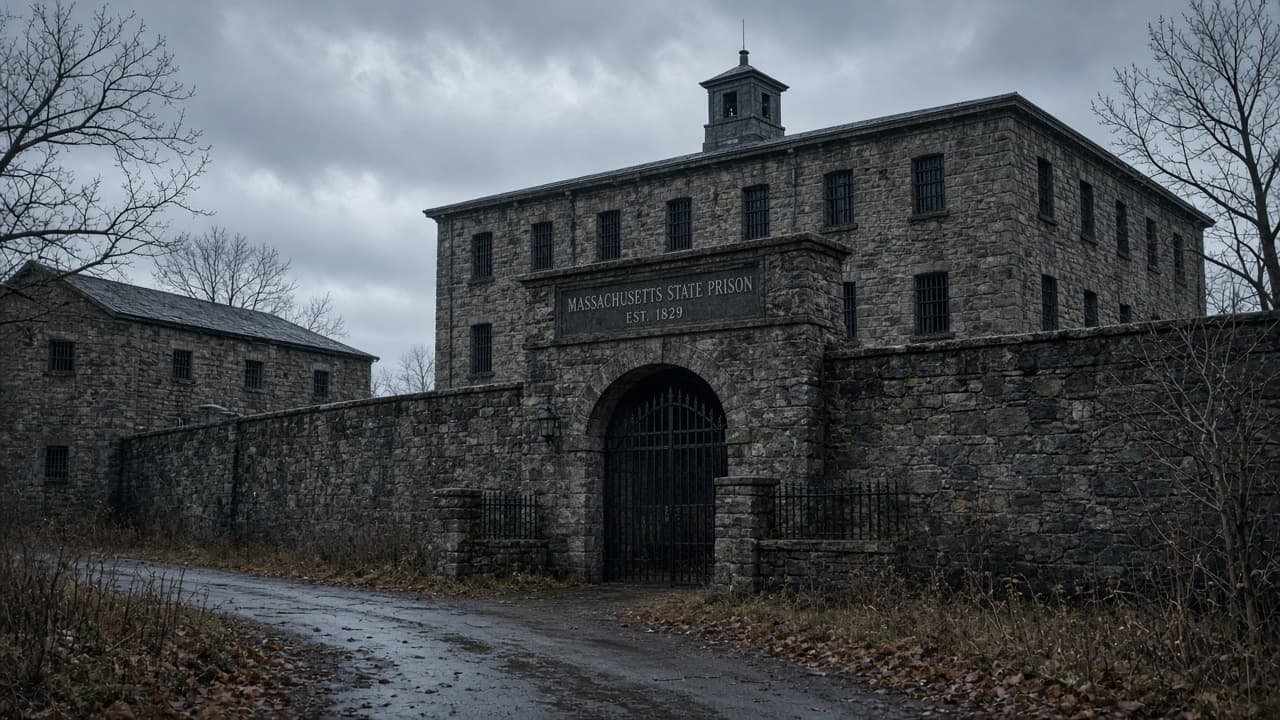
Nicola Sacco and Bartolomeo Vanzetti were executed in the electric chair at Charlestown State Prison in Massachusetts on 23 August 1927. They had been convicted of murdering a paymaster and a guard during a 1920 shoe-factory robbery in Braintree. The evidence was circumstantial. The trial occurred amid Red Scare fears of immigrant anarchists. For millions at home and abroad, the executions proved American justice could not be trusted when politics and prejudice entered the courtroom.
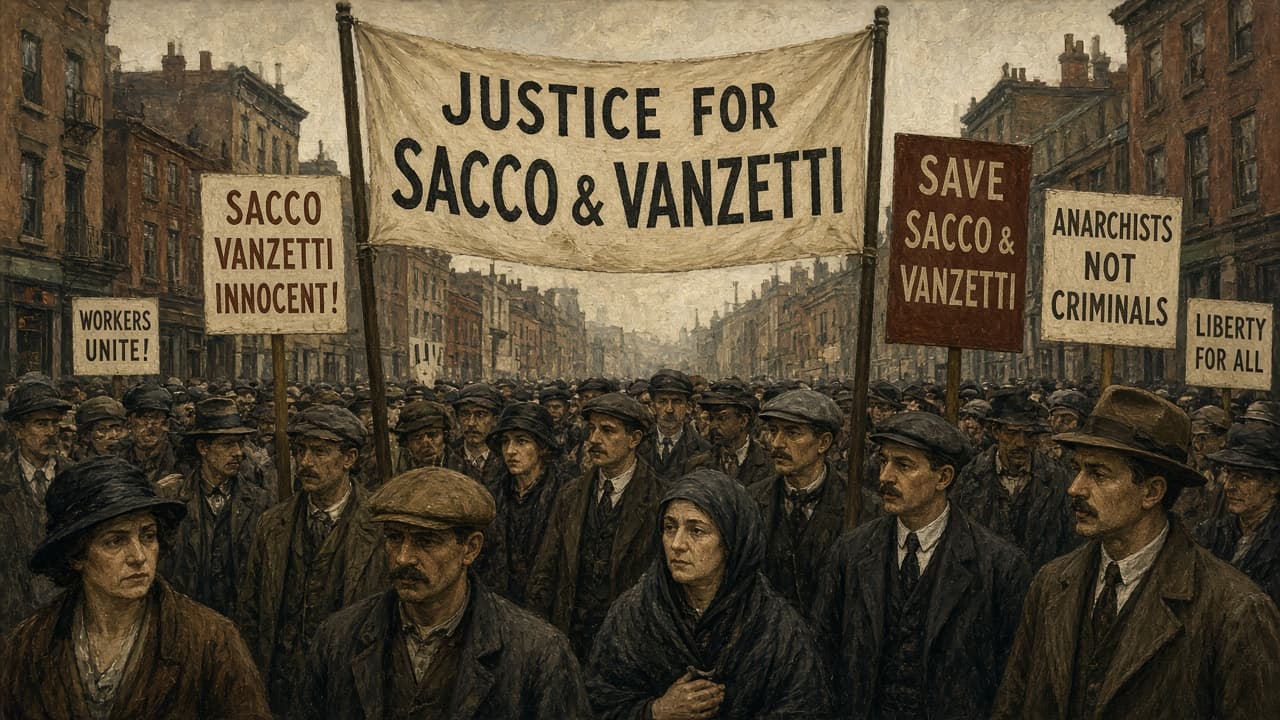
Nicola Sacco and Bartolomeo Vanzetti, Italian immigrant anarchists, were executed on 23 August 1927 after convictions for a 1920 Massachusetts robbery-murder that many critics called a frame-up driven by fear of radicals. Global protests filled streets with banners demanding a new trial or clemency before the chair. Writers, workers and diplomats argued that evidence was thin and prejudice was thick. The case became a referendum on American justice in the Red Scare's long shadow across the Atlantic world. Defense committees raised funds across immigrant neighborhoods that saw the case as their own trial.
Charlestown State Prison was where the death sentences were carried out, turning a gray stone exterior into a landmark of contested memory for decades. Later governors and scholars revisited the fairness of the trial and the conduct of the judge. Some still argue guilt on the robbery. Many argue the process failed basic fairness. The prison walls and the protest crowds belong together: one is the state's final machinery, the other is the public refusal to accept that machinery as neutral.
Sacco was a shoemaker, Vanzetti a fish peddler. Both were Italian immigrants active in anarchist circles that opposed capitalism and state violence. Neither denied radical beliefs. Both denied the Braintree killings. Police arrested them in May 1920 while investigating radical activity; ballistic evidence linked Sacco's gun to the crime in the prosecution's story. Defense lawyers argued mishandled evidence, biased witnesses and a judge who should have recused himself.
Judge Webster Thayer presided and reportedly made hostile comments about foreigners and radicals. The jury convicted in 1921. Appeals dragged for years. New reviews of ballistics and witness credibility fueled doubt. Intellectuals, labor unions and foreign governments petitioned for clemency. Harvard law professor Felix Frankfurter wrote a widely read critique of the proceedings. Governor Alvan Fuller appointed an advisory committee that upheld the convictions. On 23 August the state carried out the sentences.
Protests circled the globe. Bombs exploded at embassies in Europe. Workers marched in Paris, Buenos Aires and Tokyo. American liberals who wanted to believe in rule of law faced a painful case where procedure ran to the end and mercy never came. The story fed socialist and communist propaganda for decades. It also pushed some Americans to examine how immigration status and ideology shaped courtroom outcomes.
Later historians and ballistics experts remain divided. Some believe Sacco was probably guilty and Vanzetti at least complicit; others argue both were framed because they were convenient radicals. Partial confessions and forensic re-tests in the late twentieth century did not produce unanimous closure. The legal record is messy. The moral record for many observers is clearer: even if guilt were certain, the trial's atmosphere poisoned fair process.
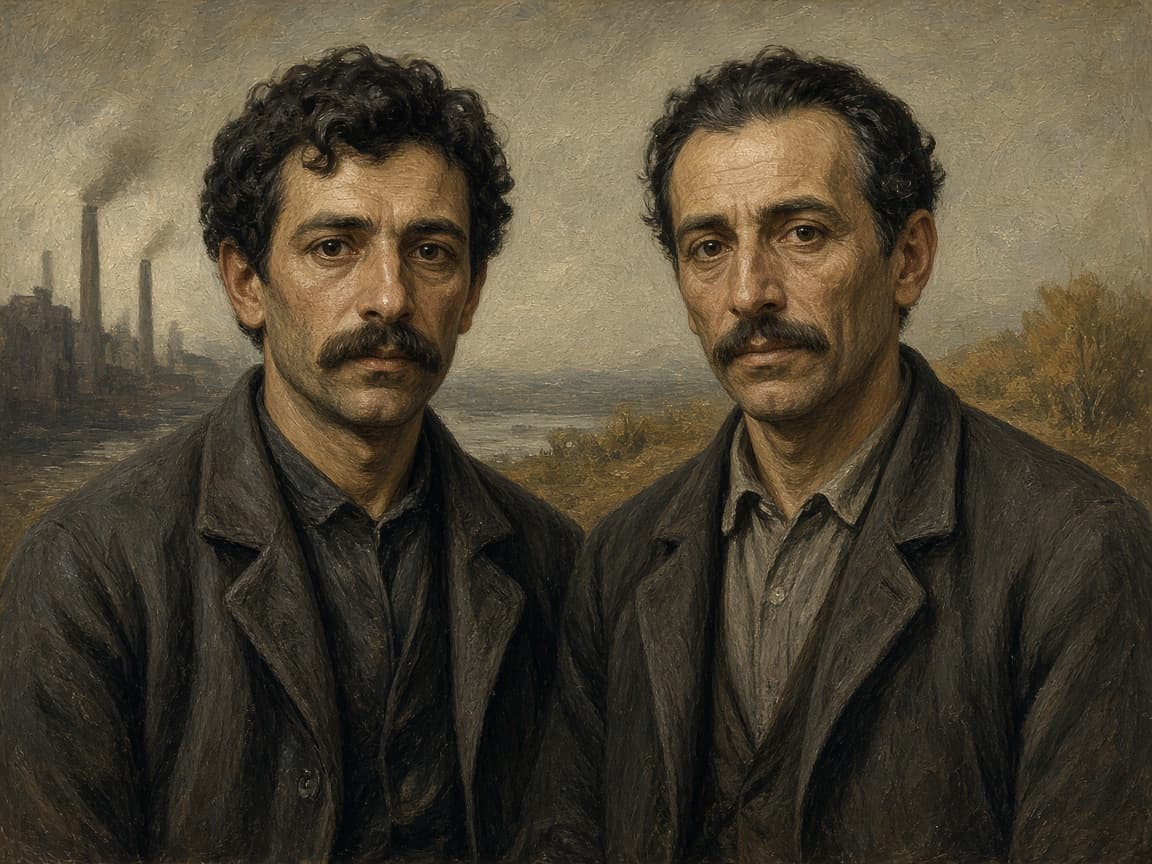
The case sits in the same era as the Palmer Raids, immigration quotas and union battles in textile and shoe towns. Massachusetts was not the only place where judges and newspapers called anarchists enemies of civilization. Sacco and Vanzetti became names on posters because they condensed a larger fear of postwar upheaval into two faces behind glass.
Literature and music kept the story alive. Upton Sinclair's novel Boston dramatized the trial. Joan Baez and others sang ballads. Museums and memorials in Massachusetts mark the centennial with exhibits that present evidence on both sides while naming the trial's flaws. Italian American communities remember the men as cousins who could have been any hardworking immigrant swept into a political storm.
For readers today, 23 August 1927 is a lesson in how courts look when the public has already decided who the enemy is. Radical beliefs are not murder convictions. Ballistics must be handled cleanly. Judges who mock defendants poison appeals. The electric chair ends lives; it does not always end arguments.
Massachusetts lawmakers later reviewed forensic standards partly because the case would not fade. Italian American civic groups pressed for apologies and exhibitions. Defense attorneys cited Sacco and Vanzetti in other capital trials where ideology and immigration status shadowed the evidence. The 1927 executions ended two lives but extended a legal debate about fair process that courts still reference. Annual commemorations in Boston and Italian American communities keep the names alive for new generations who never saw the trial. Historians still file Freedom of Information requests for ballistics notes. The case remains a classroom example of how fear can tilt a courtroom before the first witness speaks. Anniversaries work best when readers return to primary sources, survivor testimony and later scholarship instead of trusting a single headline from the day. Anniversaries work best when readers return to primary sources, survivor testimony and later scholarship instead of trusting a single headline from the day.
Eagle Frame's takeaway: 23 August 1927 is when Sacco and Vanzetti were executed after a trial many considered biased. Know the Braintree robbery charges, know the Red Scare atmosphere and know why the case still stands for contested justice in America.