On this day: the Social Security Act becomes law
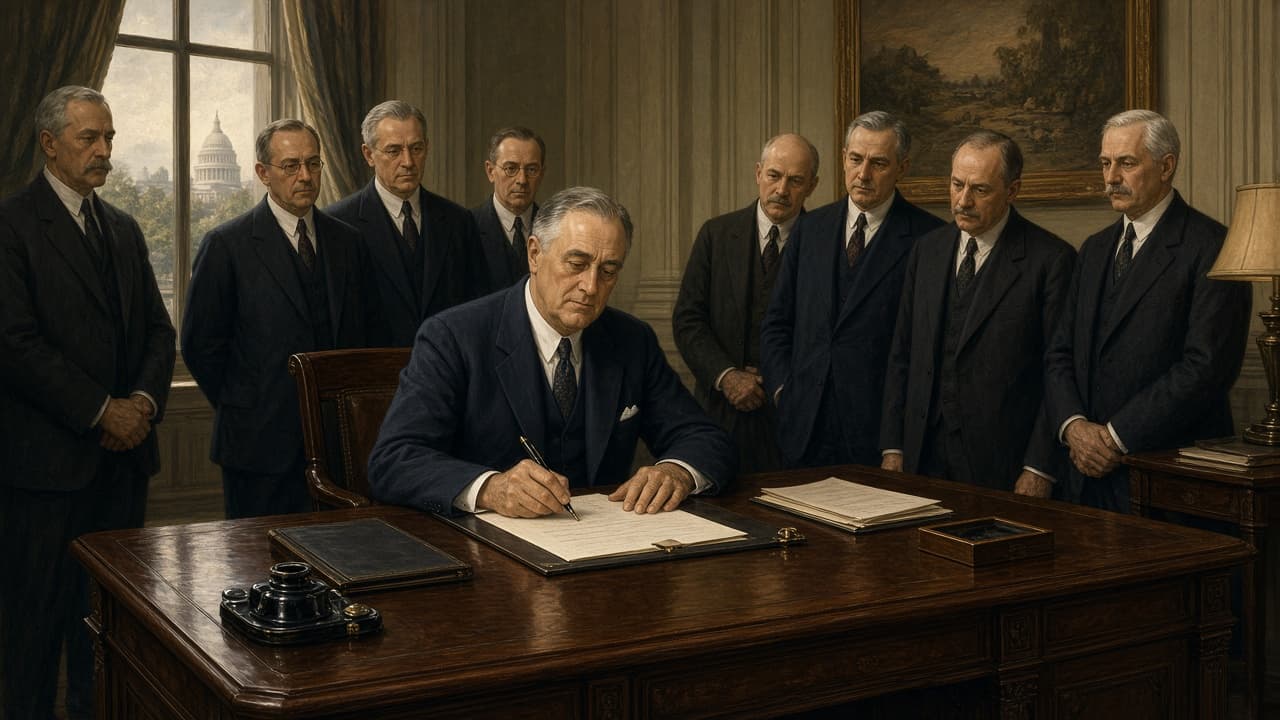
On 14 August 1935, President Franklin D. Roosevelt signed the Social Security Act. Federal old-age insurance and new welfare frameworks became lasting parts of American life.
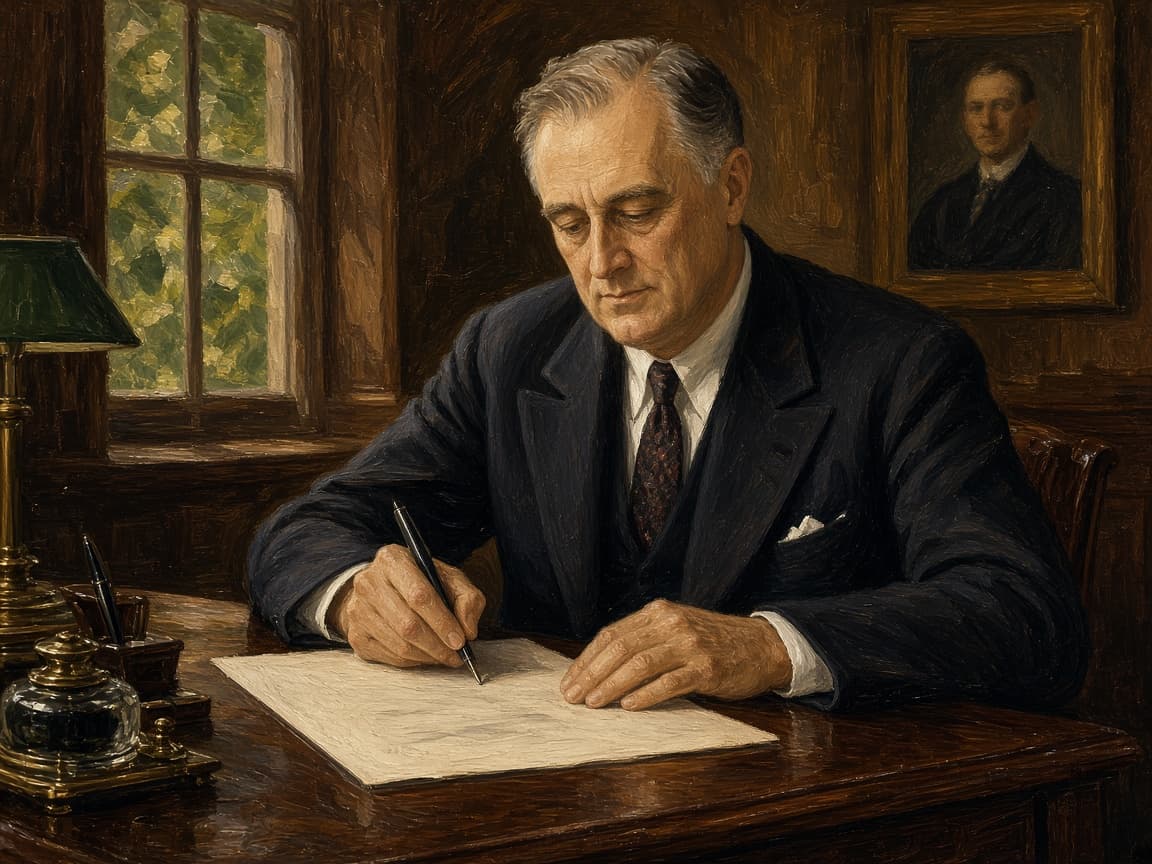
On 14 August 1935, President Franklin D. Roosevelt signed the Social Security Act into law. The statute created a federal system of old-age benefits funded by payroll contributions, plus unemployment insurance frameworks and aid programs for dependent children, the blind and other groups in need. It was a pillar of the New Deal response to the Great Depression, when banks failed, jobs vanished and older Americans often faced poverty without pensions. Roosevelt framed the law as protection against the hazards of modern economic life.
What problem was the Act trying to solve? Before 1935, retirement security in the United States depended mostly on savings, family support, local charity or rare private pensions. When the Depression wiped out savings and jobs, that patchwork failed in public view. Reformers looked partly at European social insurance models. Critics called the idea socialist. Supporters called it insurance: workers and employers would pay in during working years so benefits could be paid later.
Franklin D. Roosevelt signed the Social Security Act on 14 August 1935 as a New Deal response to old-age poverty, unemployment risk and the collapse of private charity during the Great Depression. The law created federal-state unemployment insurance and a national old-age benefits framework funded by payroll taxes. It was not a full welfare state overnight. It was a bureaucratic bet that government could track wages and mail checks across a continental economy. Opponents called it socialism. Supporters called it insurance against market cruelty.
The Social Security card became the everyday token of that bet: a number that followed a worker from first job to retirement. Early benefits were modest and excluded many agricultural and domestic workers, which meant large numbers of Black and women workers waited for later expansions. Amendments widened coverage and added disability and health-related programs over decades. The 1935 signature still matters because it normalized the idea that dignity in old age was a public claim, not only a family hope.
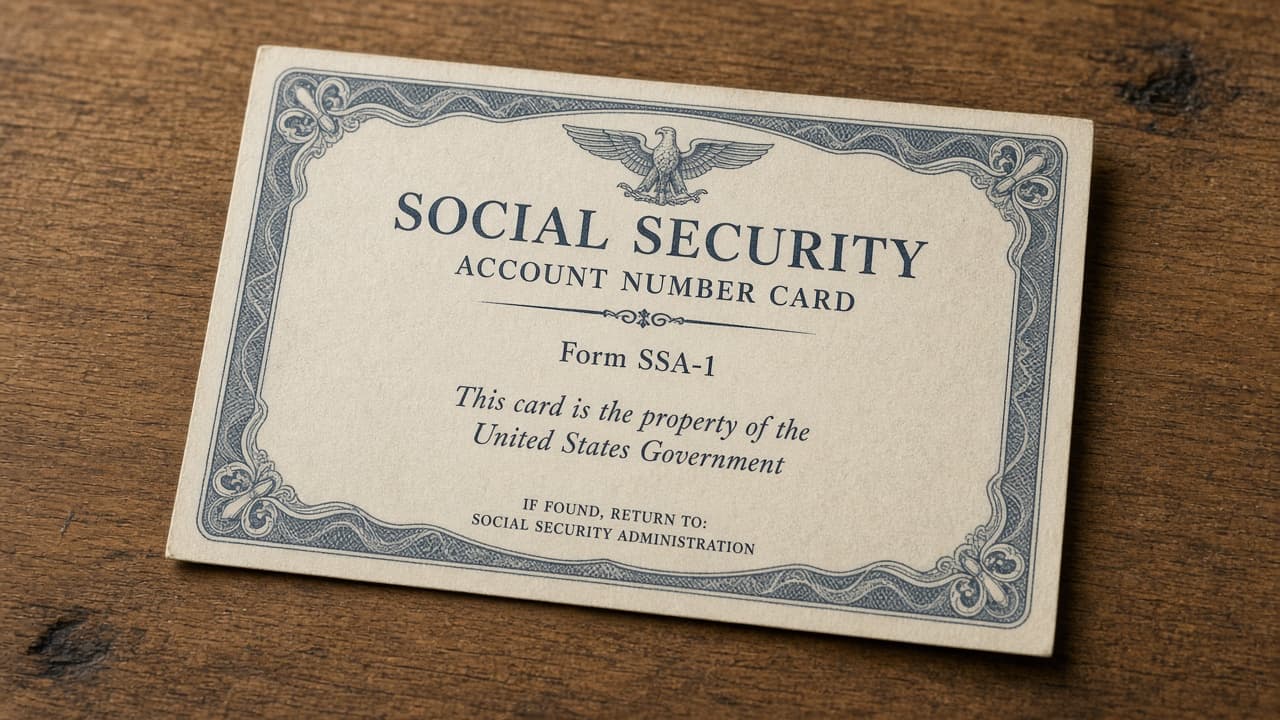
How the old-age piece worked in plain language: a payroll tax on wages (shared by worker and employer under the design) created a dedicated funding stream. Eligible workers who reached retirement age could claim monthly benefits based on their earnings history. The first regular monthly benefits under the mature system began later in the decade after setup; early years included lump-sum payments while the bureaucracy and trust funds stood up. Social Security numbers entered American life as the tracking tool for contributions.
The Act was broader than pensions. Title programs supported unemployment insurance run largely through states with federal standards and public assistance categories that later evolved into other welfare frameworks. Amendments over decades added survivors' benefits, disability insurance and Medicare's neighboring health programs in the 1960s. The 1935 law was a foundation, not the finished house Americans know today.
Exclusions in the original design mattered. Many agricultural and domestic workers (disproportionately Black workers in the South) were left out of old-age insurance at first, a compromise shaped by Southern Democratic power in Congress. Coverage expanded in later amendments. Honest history marks both the breakthrough and the people initially denied it.
Politically, Social Security became almost untouchable in later campaigns because millions planned lives around the checks. Debates never ended: Is the trust fund solvent? Should the retirement age rise? How should benefits be taxed or adjusted for inflation? Those fights assume the program's existence. 14 August 1935 is why the assumption holds.
Roosevelt signed surrounded by the Committee on Economic Security's architects and congressional allies. Frances Perkins, the labor secretary and first woman cabinet member, had pushed social insurance for years. The photograph of the signing is New Deal iconography; the quieter story is clerks, actuaries and local offices that made a national promise operational.
For readers under thirty, Social Security can sound like an old brand on a pay stub. For readers over sixty-five, it can be the difference between rent and eviction. Understanding the 1935 bet (share risk across a working population so old age is not a private catastrophe) clarifies why payroll lines still appear on modern payslips.
Employers and workers learned a new paperwork rhythm: withhold, report, match. Actuaries projected trust-fund balances decades ahead. Courts later tested whether Congress could tax wages for future benefits. The answers shaped how later programs borrowed the same contributory logic. Social Security's anniversary is therefore not only a poverty story. It is also the day a payroll line became normal in American life. Rural counties and small businesses adjusted to withholding and reporting rules that urban factories had pioneered. Women who worked outside the home gained numbered records tied to future benefits. The Act did not cover every worker at first, yet it normalized the idea that old age should not mean destitution in a modern industrial economy. Anniversaries work best when readers return to primary sources, survivor testimony and later scholarship instead of trusting a single headline from the day.
Eagle Frame's takeaway: 14 August 1935 is when federal Social Security became law under FDR. Know the Depression poverty it answered, know who was first left out and know that later disability and Medicare-era expansions grew from that day's foundation.