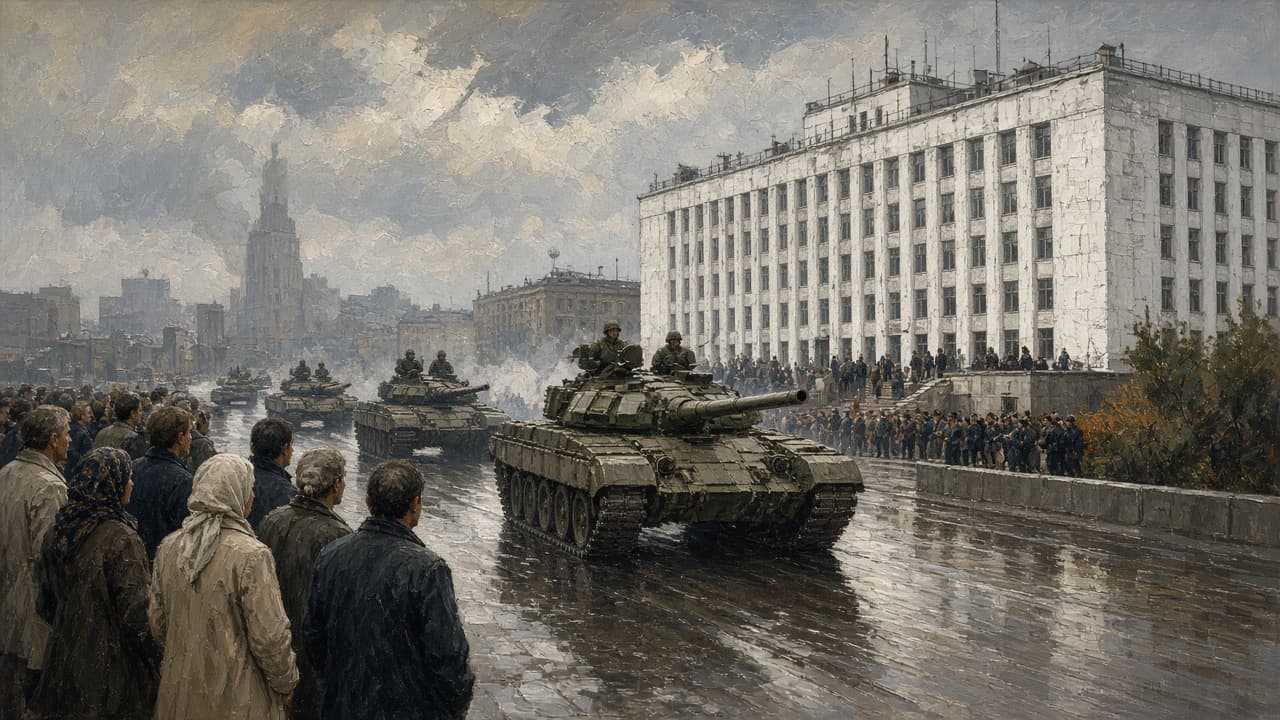
On this day: hard-liners attempt a coup in the Soviet Union
On 19 August 1991, Soviet hard-liners detained Mikhail Gorbachev and declared emergency rule. The August Coup collapsed within days as crowds defended the Russian White House and the USSR's breakup accelerated.
On 19 August 1991, a group of Soviet hard-liners announced that Mikhail Gorbachev was unable to perform his duties as president and that an emergency committee would run the country. Tanks rolled into Moscow. State television broadcast the committee's statement. For millions who had lived under one-party rule their entire lives, the scene looked like a return to the old Soviet script: generals, curfews and the language of order imposed from above.
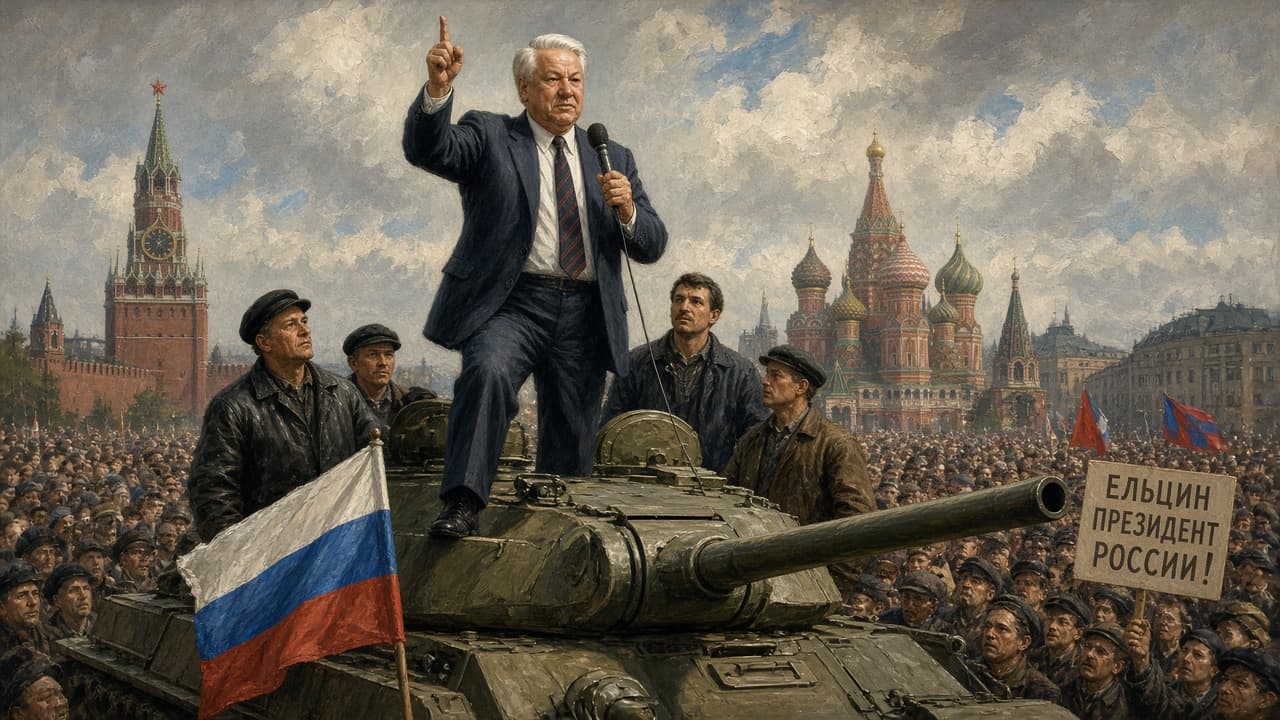
On 19 August 1991, hard-line Soviet officials tried to seize power from Mikhail Gorbachev, announcing an emergency committee and putting tanks into Moscow. Boris Yeltsin, as Russian republic president, climbed onto an armored vehicle outside the Russian White House and called for resistance. The improvised speech and the crowd that ringed the building turned a coup plot into a televised legitimacy contest. Some units refused to fire. Republic leaders ignored orders from the plotters. Within days the committee folded, accelerating the Soviet Union's collapse.
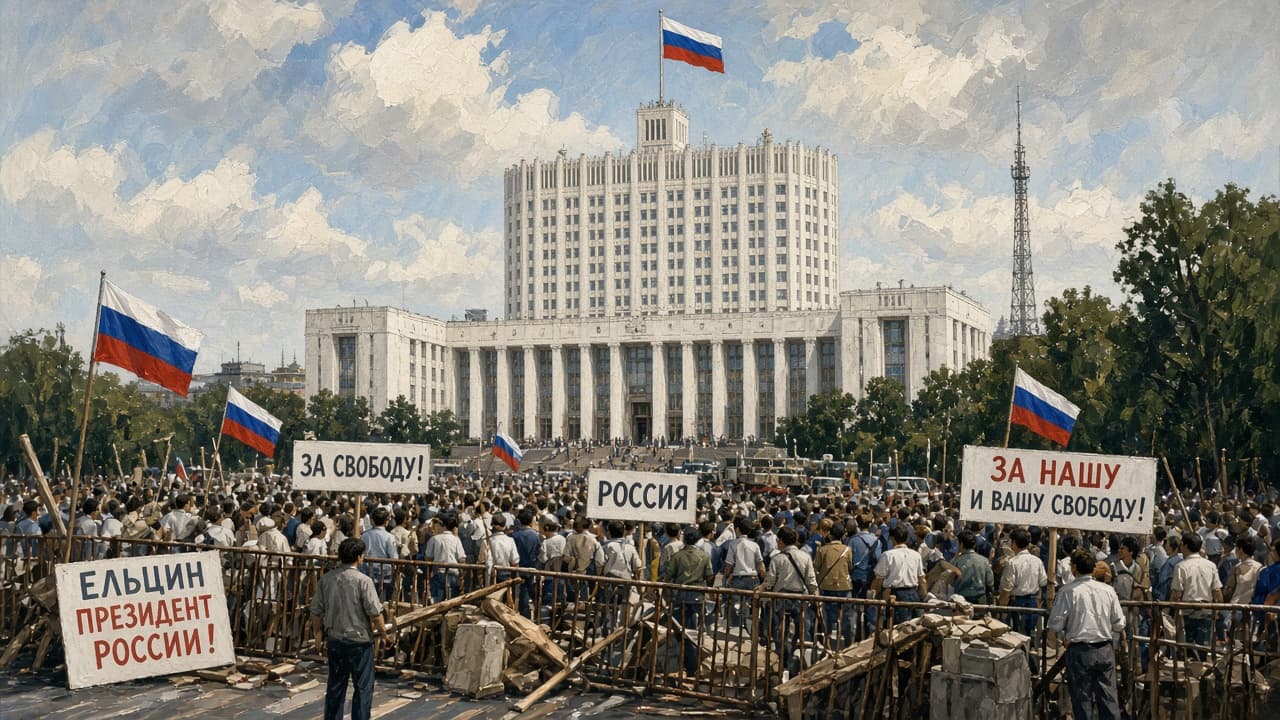
Barricades around the White House of Russia mixed trams, concrete and citizen volunteers who slept in shifts against expected assault. Radio and foreign TV carried images that made the coup look shaky even when official channels claimed control. Aftermath included Gorbachev's return to a diminished office, bans on the Communist Party's leading role and independence surges among republics. Yeltsin's tank moment became the personal emblem of that week, but the barricade landscape explains why the putsch failed in the streets as well as in the ministries.
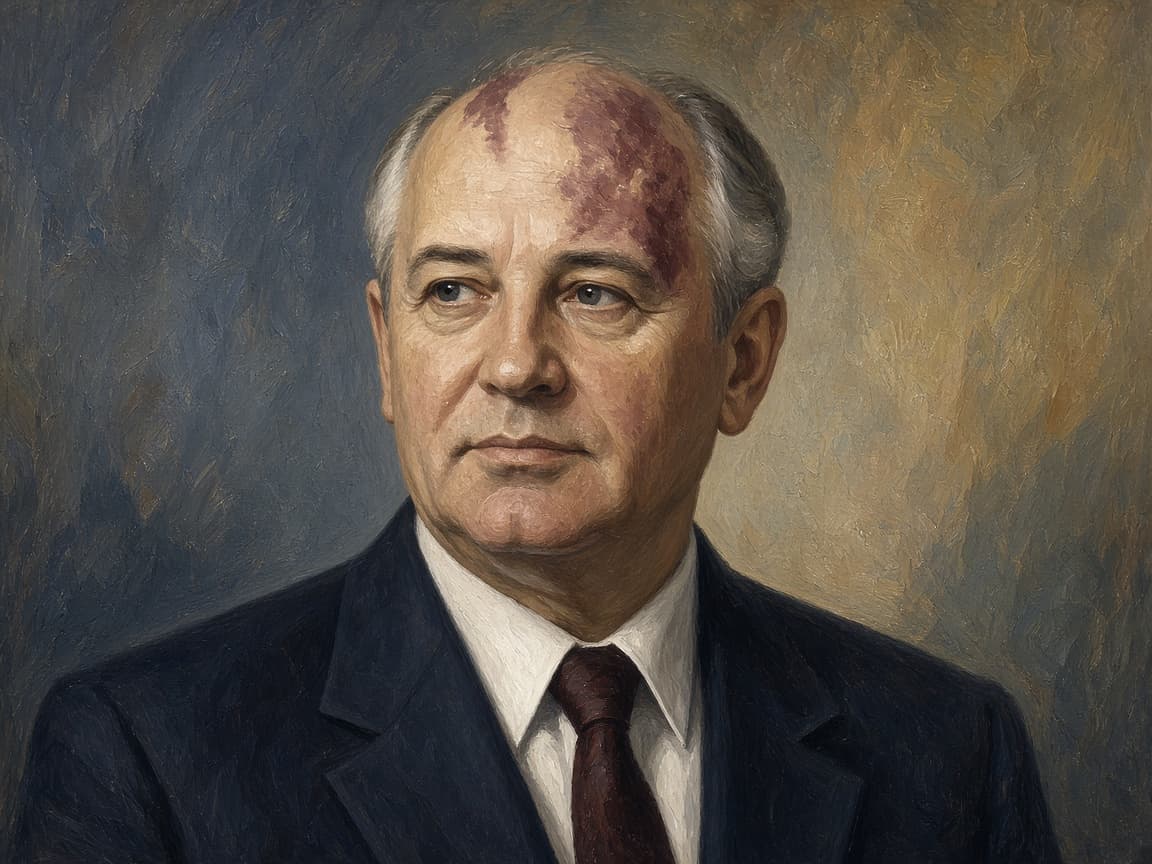
Mikhail Gorbachev, general secretary of the Communist Party and president of the Soviet Union, had been at his vacation residence in Foros on the Crimean coast when he was isolated by KGB and military figures. The plotters wanted to stop his reforms: glasnost (openness in public life) and perestroika (economic restructuring) had loosened censorship, allowed contested elections in parts of the union and encouraged nationalist movements in the republics. To the coup committee, those changes threatened the unity of the USSR and the privileges of the party-state elite.
The emergency committee included vice president Gennady Yanayev, defense minister Dmitry Yazov, KGB chief Vladimir Kryuchkov and others tied to the old security apparatus. They declared a state of emergency, banned demonstrations and claimed they were saving the country from chaos. What they did not have was a clear plan for governing a restless union or for winning public consent. Gorbachev refused to endorse the takeover. Reformers inside Moscow began organizing resistance almost immediately.
Boris Yeltsin, president of the Russian Soviet Federative Socialist Republic, became the visible face of opposition. He climbed atop a tank outside the White House (the Russian parliament building on the Moscow River) and called the coup illegal. Crowds gathered to defend the building with barricades made of buses, construction materials and human bodies. Ordinary citizens, journalists and younger officers faced down uncertainty with radios, telephones and courage. The image of Yeltsin on the tank became the postcard of the coup's failure before the history books were written.
Why did the coup fail so quickly? The plotters misread the mood of the army, the republics and the street. Some units obeyed orders to move; others hesitated or fraternized with protesters. Communications technology had changed since older Soviet crises: fax machines, satellite television and foreign broadcasts leaked information past the censors. Republic leaders from the Baltic states to Central Asia condemned the committee. Even many party officials who disliked Gorbachev's reforms did not want to be seen defending tanks against unarmed citizens in the capital.
By 21 August the committee was collapsing. Yanayev and others were arrested. Gorbachev returned to Moscow diminished in authority while Yeltsin emerged strengthened. The coup intended to preserve the Soviet Union as a centralized state. Its defeat instead accelerated the centrifugal forces already pulling the republics apart. Latvia, Estonia and others moved faster toward independence. The Communist Party's monopoly on power looked finished in practice even before it was banned in Russia later that year.
Within months the Soviet Union itself unraveled. On 8 December 1991, leaders of Russia, Ukraine and Belarus announced the creation of the Commonwealth of Independent States, effectively dissolving the USSR Gorbachev had tried to reform. He resigned on 25 December. Fifteen successor states emerged on the map. Borders, currencies, nuclear weapons and ethnic minorities inside those borders would generate crises for decades. The August days were the hinge when collapse became visible to everyone watching television.
For readers who remember only the Cold War's peaceful end, the coup is the violent middle chapter. It showed that Soviet dissolution was not a gentle seminar on democracy. It involved risk, miscalculation and the possibility of civil war. Russians who lived through those three days still debate whether the plotters were fools, whether Yeltsin was a democrat or an opportunist and whether the West understood what it was cheering. The questions belong to politics. The date belongs to anyone trying to understand how empires end.
Eagle Frame's takeaway: 19 August 1991 is when Soviet hard-liners tried to reverse Gorbachev's reforms and lost in Moscow within days. Know the Foros detention, know Yeltsin's White House stand and know that the failed coup sped the USSR toward its December dissolution.