On this day: Nasser nationalizes the Suez Canal
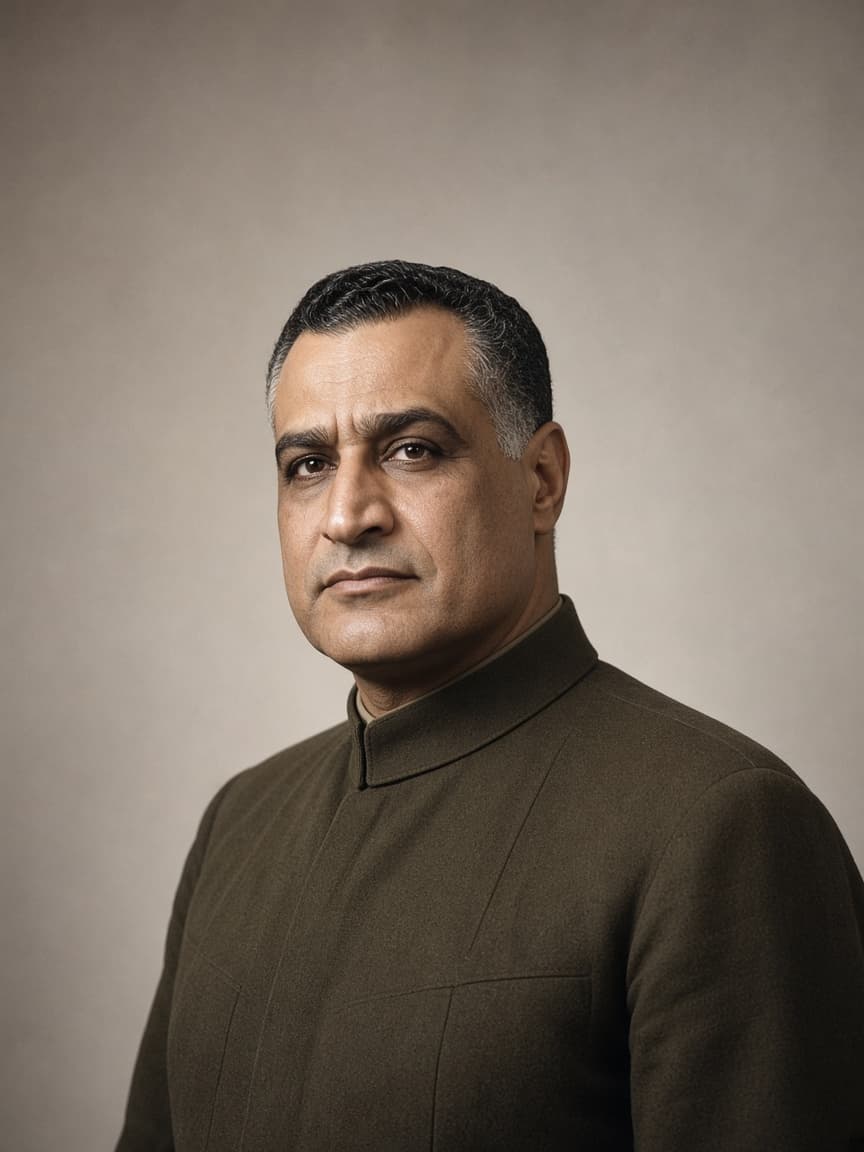
On 26 July 1956, Egyptian president Gamal Abdel Nasser announced in Alexandria that Egypt was taking over the Suez Canal Company. The decision triggered an invasion by Britain, France and Israel and ended in a humiliating retreat for the two old empires.
On the evening of 26 July 1956, Gamal Abdel Nasser stood in Manshiya Square in Alexandria and spoke for around three hours. Partway through, he began talking about Ferdinand de Lesseps, the French engineer who had built the Suez Canal in the nineteenth century. The name was a prearranged signal. As Nasser said it, Egyptian officials moved on the offices of the Suez Canal Company across the country. By the time the speech ended, Egypt had seized the canal.
Nasser was 38 and had been in power in practice since the Free Officers overthrew King Farouk in July 1952. He picked 26 July for the speech because it was the fourth anniversary of Farouk's departure from Egypt. He had become president formally in June 1956. He was the most prominent voice of Arab nationalism, a movement that wanted Arab states out from under European tutelage and, in his version, aligned with neither Cold War bloc.
The canal itself needs a word of explanation. It opened in 1869, a 160-kilometre sea-level cut through Egyptian territory linking the Mediterranean to the Red Sea. Ships bound from Europe to Asia could skip the whole voyage around Africa, saving thousands of kilometres. It was built with enormous Egyptian labour and financed with debt that helped bankrupt Egypt, after which Britain bought the Egyptian shareholding in 1875 and occupied the country in 1882. By 1956 the operating company was still mostly British and French owned, and it ran a waterway inside Egypt.
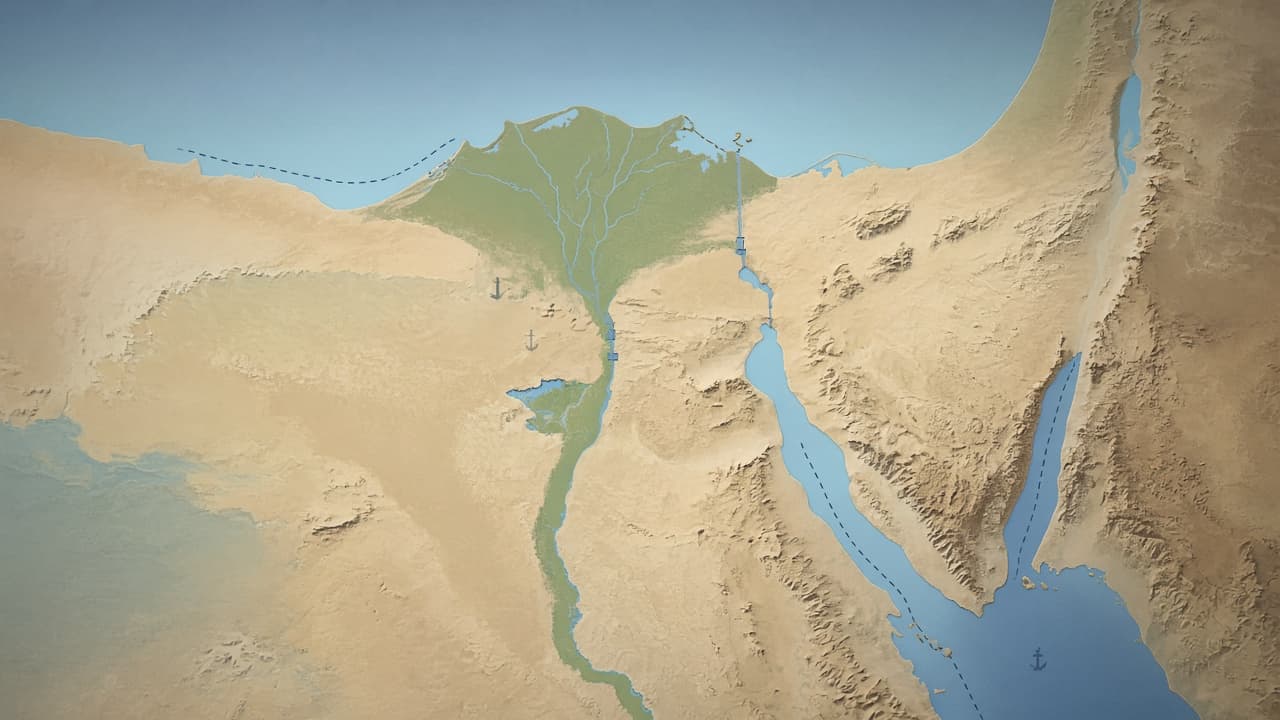
The immediate trigger was money for a dam. Nasser wanted to build the Aswan High Dam on the Nile to control flooding, irrigate new land and generate electricity. Britain and the United States had offered finance. In July 1956, irritated by Nasser's arms purchase from Czechoslovakia and his recognition of communist China, Washington withdrew the offer and London followed. Nasser's answer was to take the canal and use its tolls to pay for the dam. He also promised compensation to shareholders at market prices.
Britain and France reacted as if the world had shifted. Prime Minister Anthony Eden compared Nasser to Mussolini and Hitler and convinced himself that appeasement was the only alternative to force. France was fighting a war in Algeria and blamed Nasser for arming the rebels. Both governments also had a practical fear: roughly two thirds of western Europe's oil came through the canal. In secret talks at Sevres outside Paris in October, Britain, France and Israel agreed a plan.
The plan was a piece of theatre. Israel would invade Egypt across Sinai. Britain and France would then issue an ultimatum to both sides to withdraw from the canal zone, which Egypt would obviously refuse since the canal was Egyptian. The two powers would then land troops to "separate the combatants" and retake the waterway. Israel attacked on 29 October. The ultimatum followed. British and French aircraft bombed Egyptian airfields and paratroopers landed near Port Said on 5 November.
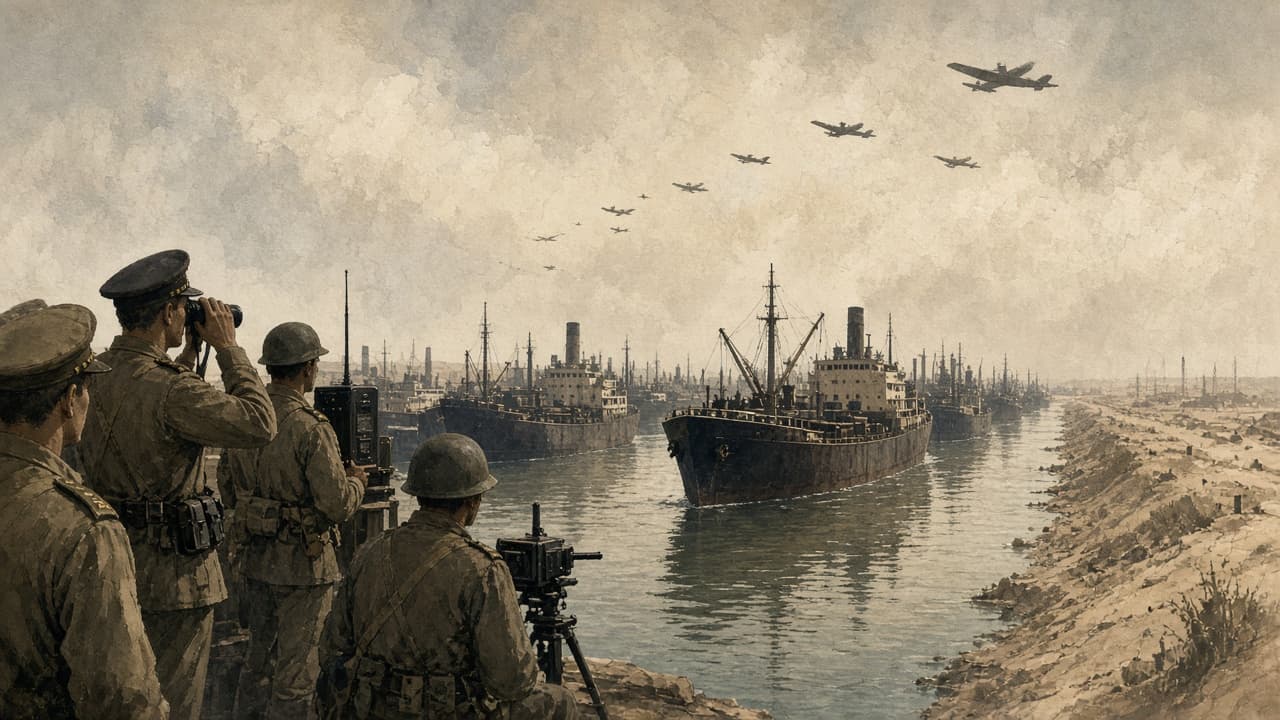
Militarily it worked. Politically it collapsed within days. The United States was furious at being kept in the dark, especially with a presidential election days away and Soviet tanks crushing the Hungarian uprising at the same moment. President Eisenhower refused to support the operation and went further: the United States blocked International Monetary Fund help for the pound and let a run on sterling build. Britain was financially exposed and had to stop. The Soviet Union added nuclear threats. A ceasefire took effect on 7 November and the last Anglo-French troops left in December.
Egypt lost the battles and won everything else. Nasser had sunk ships to block the canal and kept control of it when the invaders left. He emerged as the dominant figure in the Arab world and a founding voice of the Non-Aligned Movement. Britain's claim to act as an independent great power was finished; Eden resigned in January 1957 with his health broken. France concluded that it could not rely on Washington, an argument that fed directly into its nuclear programme and its later distance from NATO command structures.
The crisis also created something new at the United Nations. Canadian foreign minister Lester Pearson proposed an international force to supervise the withdrawal and keep the parties apart. The United Nations Emergency Force deployed in Sinai and became the model for modern peacekeeping. Pearson won the Nobel Peace Prize for it in 1957. The blue helmet as an instrument of crisis management traces directly to November 1956.
Suez is now shorthand for the moment European empires discovered their limits. Britain and France had assumed they could still settle a dispute in the Middle East by sending troops. They found that the financial and diplomatic ground had moved under them, and that the two superpowers, for different reasons, would not allow it. Decolonization accelerated through Africa and Asia in the years that followed.
Eagle Frame's takeaway: 26 July 1956 is the day Egypt took the Suez Canal and forced a test of who actually ran the postwar world. Nasser lost the fighting and won the argument. The lasting lesson is about leverage: Britain was stopped not by Egyptian troops but by pressure on the pound, and the age when London and Paris could settle Middle Eastern questions with gunboats ended that winter.