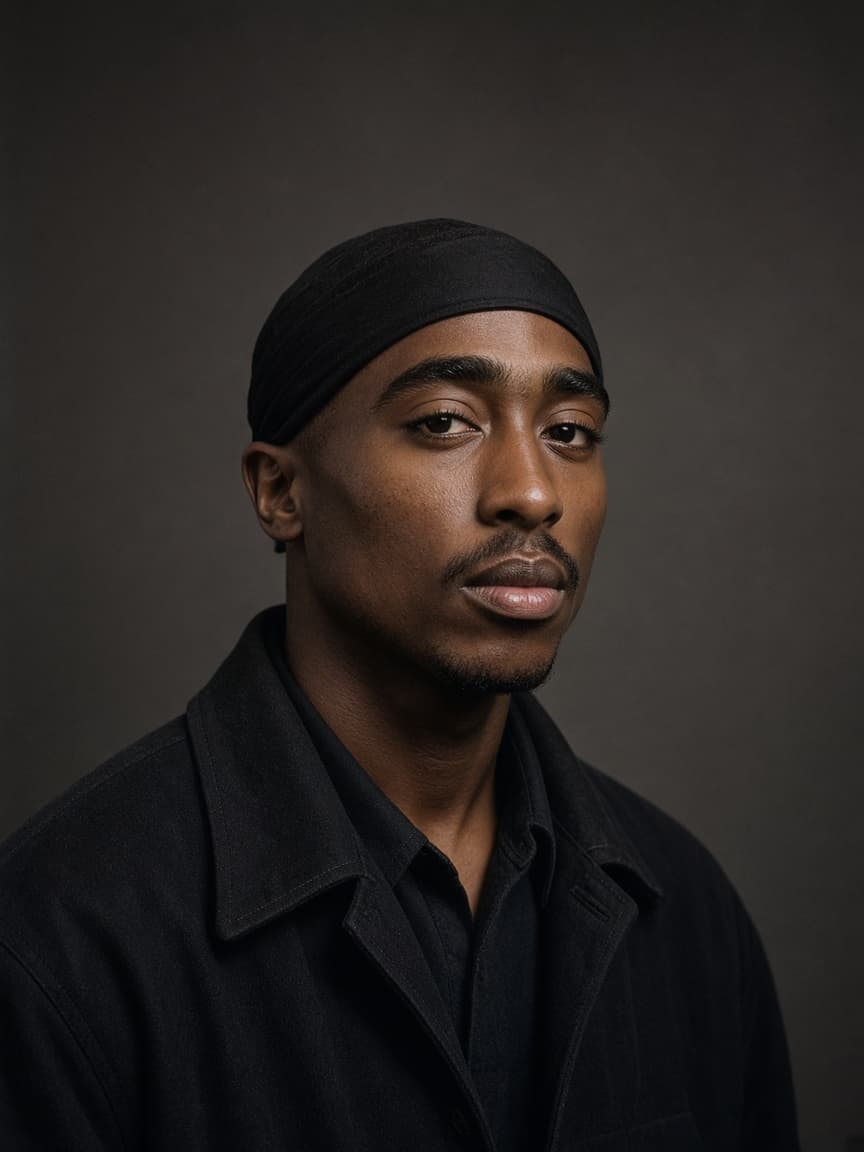
On this day: Tupac Shakur is shot in Las Vegas
On 7 September 1996, Tupac Shakur was shot while riding in a car on the Las Vegas Strip after a boxing match. He died six days later in hospital. The attack froze a generation's soundtrack and left a murder case that stayed officially unsolved for decades.
On the night of 7 September 1996, Tupac Shakur left the MGM Grand in Las Vegas after the Mike Tyson-Bruce Seldon heavyweight fight and was riding toward the Strip when another vehicle drew alongside. Shots were fired into the car in which he was a passenger. He was taken to University Medical Center. On 13 September he died from his injuries. He was 25. The date that began the week is the one calendars mark, because that is when a global pop culture figure was attacked in public view on one of America's most filmed streets. This account stays with the timeline, the music and the unanswered questions. It does not dwell on wounds or weapons.
Tupac Amaru Shakur was born in New York in 1971 to parents active in Black radical politics, and he was named after the Inca rebel Tupac Amaru II. He studied arts in Baltimore, moved to California and first reached a wide audience with Digital Underground before his own albums and film roles. 2Pacalypse Now, Strictly 4 My N.I.G.G.A.Z., Me Against the World and All Eyez on Me mixed street reportage, political anger, tenderness toward women and children and a sense that fame and danger were arriving together. He could write a protest anthem and a radio love song in the same career season. That range is why his catalog still sells and streams long after 1996.
By the mid-1990s he was also a symbol in a media-stoked rivalry between coastal hip-hop scenes. After a 1994 attack in New York that he survived, he signed with Death Row Records in Los Angeles and released All Eyez on Me as a double album that topped charts. Public insults traded between artists and labels filled magazines and music television. Fans and journalists later argued over how much of the East Coast-West Coast conflict was marketing and how much was real threat. Shakur's Las Vegas trip sat inside that tense climate even when no single theory ever satisfied investigators or the public.
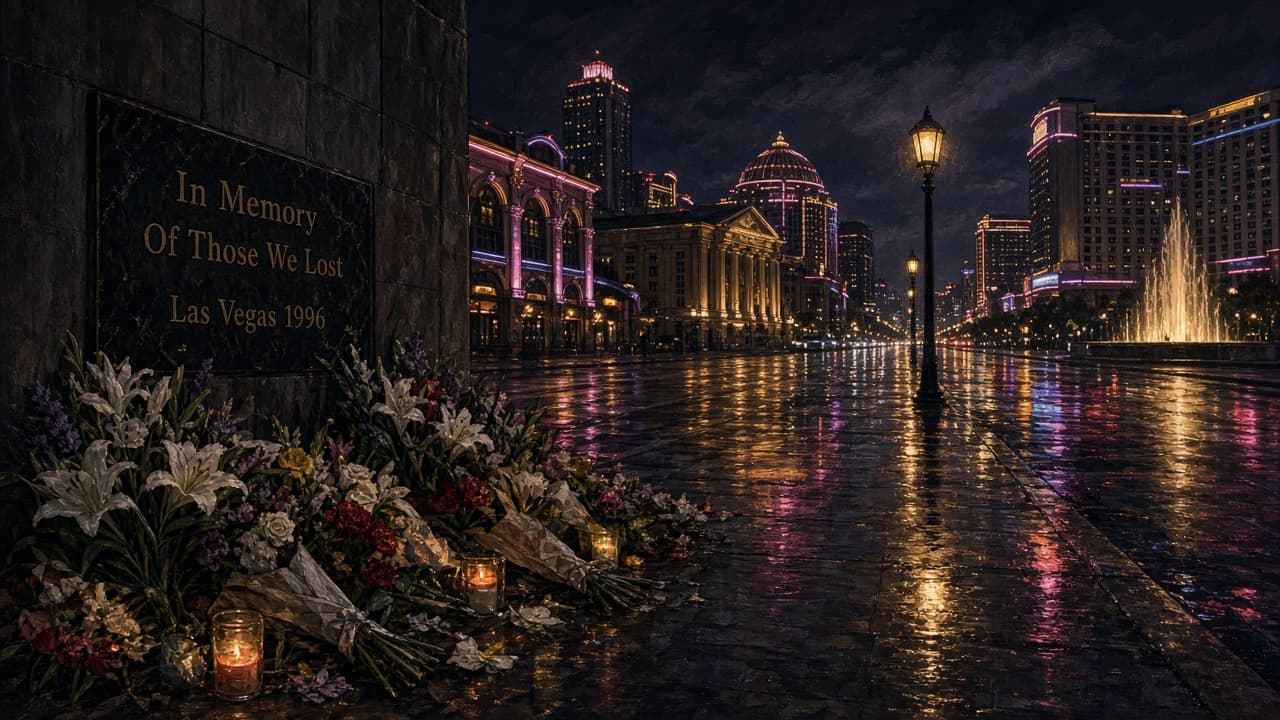
The hours around the shooting have been reconstructed from hotel cameras, witness statements and later reporting. Shakur attended the fight with Death Row founder Marion Knight and others. There was a scuffle in the hotel linked to a man from a rival Las Vegas circle. Later, on a ride near the Strip, the fatal attack occurred. Police opened a homicide investigation that stretched across years without a conviction at the time. Witnesses were reluctant. Stories conflicted. The case became a magnet for documentaries, books and online speculation, some careful and some reckless.
What can be said without turning rumor into fact is simple. A famous musician was killed in a drive-by attack after a public sporting event. Law enforcement collected evidence and names. For a long time no one was convicted. In 2023 Las Vegas police arrested a suspect in connection with the killing, and court proceedings brought new attention to old files. Readers should treat charging documents and trial evidence as the place for detail, not anniversary essays. The cultural fact does not depend on naming every alleged participant: Tupac's death removed an artist at the height of his powers and froze his public image at 25.
After he died, unreleased recordings kept appearing. Don McLean's phrase about the day the music died never quite fit, because Shakur's voice did not leave the radio. Posthumous albums, film roles already shot and endless reissues meant new listeners met him as a present-tense star. Murals went up in cities far from California. Academic courses treated his lyrics as primary texts on race, gender and American violence. Fashion and tattoo culture borrowed his imagery. The myth machine sometimes erased the working writer who revised verses and studied acting. The better anniversary habit is to play the records and notice the craft.
His mother, Afeni Shakur, fought to control and protect parts of his estate and legacy until her own death in 2016. Fans argued over which posthumous releases honored his intent. Biographers traced how a child of activists became a platinum artist who still talked about revolution and still chased Hollywood roles. The contradiction was the point of his appeal: tenderness and threat, party tracks and eulogies, vulnerability on Me Against the World and bravado on Death Row singles.
Comparing the Las Vegas date with other music tragedies needs care. Airplane crashes and overdoses produce different public rituals. A shooting on a casino corridor of neon produces conspiracy culture almost automatically, especially when tied to an industry feud already covered like a war. Responsible history separates verified chronology from fan fiction. It also refuses to turn another person's death into entertainment gore. The respectful frame is loss, influence and unfinished work.
For a generation of listeners, 7 September 1996 is less a crime-scene anniversary than a before-and-after line in the soundtrack of the 1990s. Before it, Tupac was a living rival, collaborator and headline. After it, he became a closed catalog that somehow kept growing. Hip-hop's mainstream ascent continued. The questions about who ordered what in Las Vegas never fully quieted. The songs did not need the mystery to last. They needed speakers, headphones and people willing to hear the arguments inside the rhymes.
Eagle Frame's takeaway: 7 September 1996 marks the night Tupac Shakur was shot in Las Vegas and the start of the week that ended with his death on 13 September. Remember the artist and the unresolved case without turning the anniversary into a graphic true-crime story; the durable fact is a voice that still shapes hip-hop long after the Strip went quiet that night.