On this day: British forces burn Washington
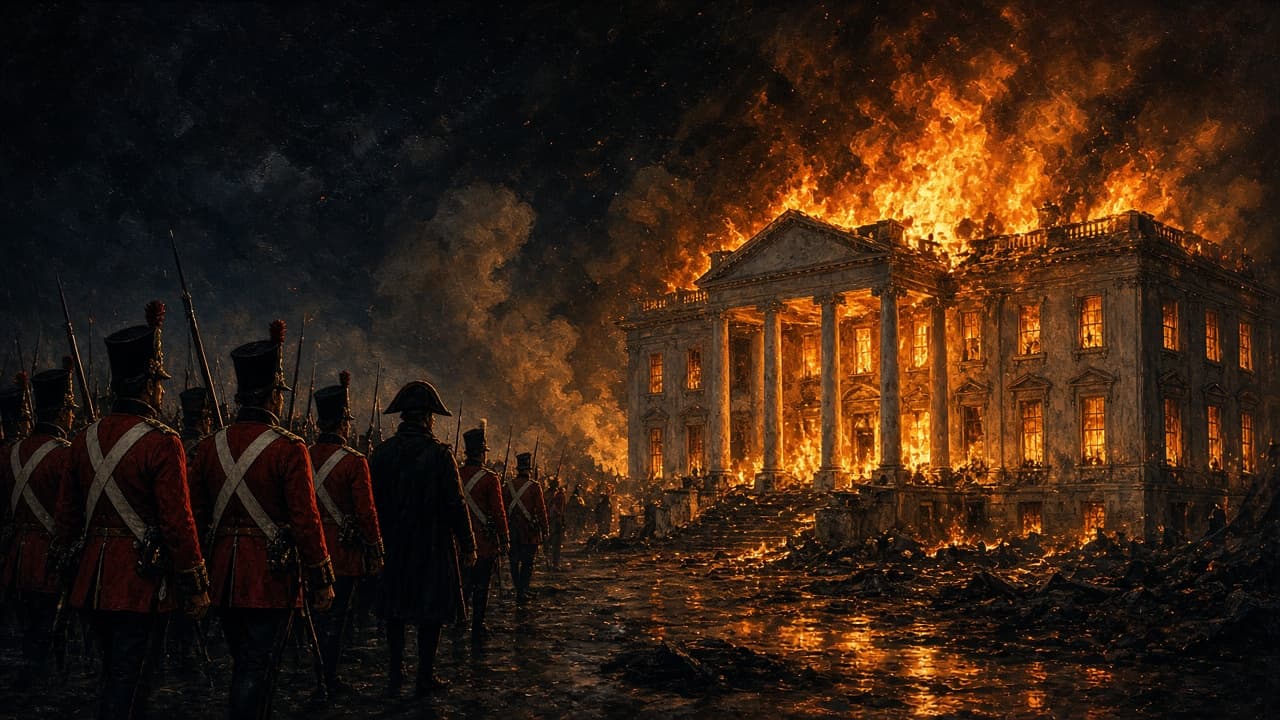
On 24 August 1814, during the War of 1812, British troops entered Washington and set fire to public buildings including the Capitol and the President's House. Dolley Madison helped save national symbols as the city emptied.
On 24 August 1814, British forces under Major General Robert Ross entered Washington after defeating American militia at Bladensburg, Maryland. In retaliation for American raids in Canada and as pressure in the wider War of 1812, troops set fire to public buildings. The Capitol, the President's House (later called the White House) and other federal offices burned. Rain later helped quench some flames, but the political shock lasted longer than the smoke.
Dolley Madison, wife of President James Madison, became the human face of the evacuation story. As British columns approached, she oversaw the removal of cabinet papers and the famous Lansdowne portrait of George Washington attributed to Gilbert Stuart. Popular memory sometimes turns the day into a single heroic dash with a painting under one arm. The fuller record is administrative courage under panic: staff, enslaved laborers and officials moving what could be saved while the government fled into the Maryland and Virginia countryside.
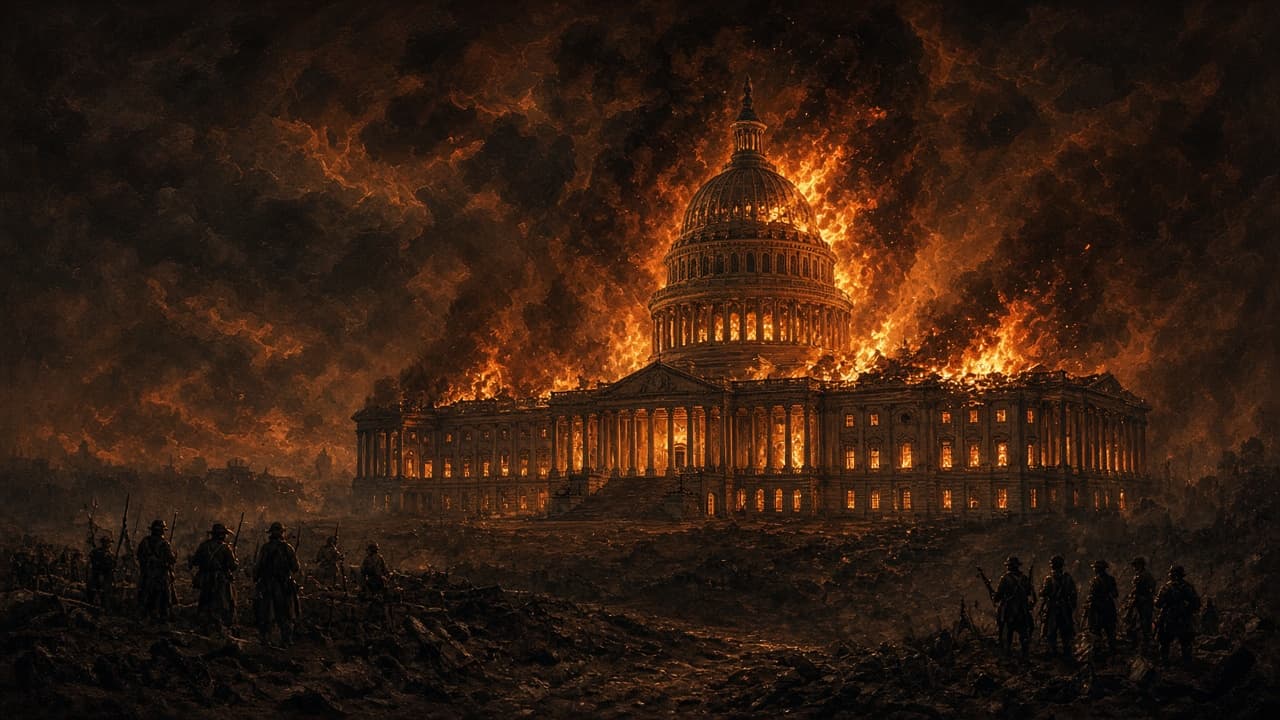
On 24 August 1814, British forces entered Washington during the War of 1812 and set fire to public buildings after American militia broke at Bladensburg. The Capitol's flames became a propaganda image on both sides of the Atlantic: punishment for American raids in Canada and humiliation for a young capital. Occupiers treated the burning as measured retaliation against government seats rather than a general sack of private homes, though the distinction meant little to a city watching its political heart ignite at night.
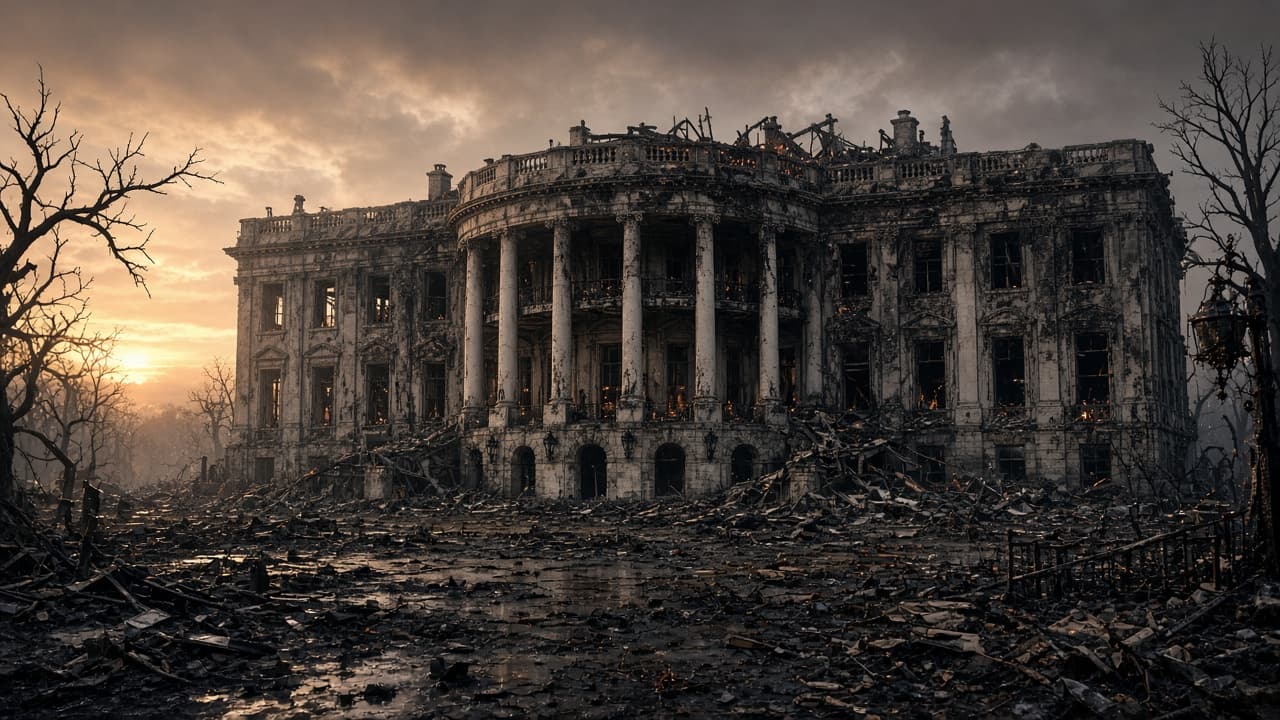
The White House (then often called the President's House) was gutted by fire and left a scorched shell by dawn. Dolley Madison's flight with valuables entered national lore as a story of salvage under pressure. Reconstruction took years and shaped how Americans thought about vulnerability on their own soil. British withdrawal did not erase the image of smoke over the Potomac. The twin pictures of Capitol and executive mansion burning explain why the Chesapeake campaign stung more than many frontier skirmishes.
The War of 1812 had begun in 1812 over maritime rights, impressment of sailors and frontier conflict with Britain and Indigenous nations allied to the Crown. By 1814 Napoleon's European war was collapsing, freeing British ships and veterans for North America. Washington was still a young capital: unfinished grandeur beside muddy streets and half-built ambitions. Burning its public core was meant to humiliate the United States and advertise British reach after years of coastal raids and Great Lakes fighting.
American defense at Bladensburg collapsed in confusion. Regulars, militia and cabinet amateurs mixed poorly against disciplined British infantry fresh from European campaigns. President Madison rode near the field and then had to accept that the road to the capital lay open. Once Ross's column advanced, there was little left to stop it. Civilians fled with carts. Government clerks stuffed papers into trunks. The occupation of the city was brief but spectacular enough to fill British and American newspapers for months.
Not every building burned. Private houses were largely spared compared with public targets, though looting and fear spread through the streets. The Library of Congress collection inside the Capitol was lost to fire; Thomas Jefferson later sold his personal library to help restock the nation. The President's House was gutted enough that later rebuilding and whitewashed sandstone helped fix the "White House" name in public speech. Scorch and repair became part of the building's biography.
Within weeks the war's tone shifted again. British forces moved on Baltimore, where Fort McHenry's defense in September inspired Francis Scott Key's poem that became "The Star-Spangled Banner." Negotiators in Europe were already shaping the Treaty of Ghent, signed in December 1814. News of that peace crossed the Atlantic slowly enough that the Battle of New Orleans still flared in January 1815. The Washington fire did not win the war for Britain. It did prove the capital could be reached and shamed.
For U.S. political culture the burn became a founding trauma of the federal city: proof that institutions must be rebuilt, defended and remembered. Guides still point to rebuilding stories when visitors ask why marble and myth sit so close together. The date pairs military failure with civilian salvage. Ross's soldiers lit the matches. Madison's household and unnamed workers carried out the portrait and the papers that let a government claim continuity the next morning.
Indigenous nations were parties to the same war even when Washington's marble got the headlines. British alliances with Native partners on the frontiers shaped campaigns from the Great Lakes to the South and American expansionist aims were never only about sailors' rights. Burning the capital fits inside that continental struggle for land and sovereignty, not only a duel of two English-speaking navies.
Rebuilding became a statement. Congress returned. Scaffolding rose. The blackened stones taught a lesson in vulnerability that later fortifications, capital planning and national mythmaking all tried to answer. Tour guides who point to 1814 are pointing to a moment when the United States learned its seat of government could be treated as a target, not a sanctuary.
Eagle Frame's takeaway: 24 August 1814 is when the War of 1812 brought fire into the U.S. capital. Know Bladensburg, know the burning of the Capitol and President's House and know Dolley Madison's rescue work and the young republic's vulnerability comes into focus.