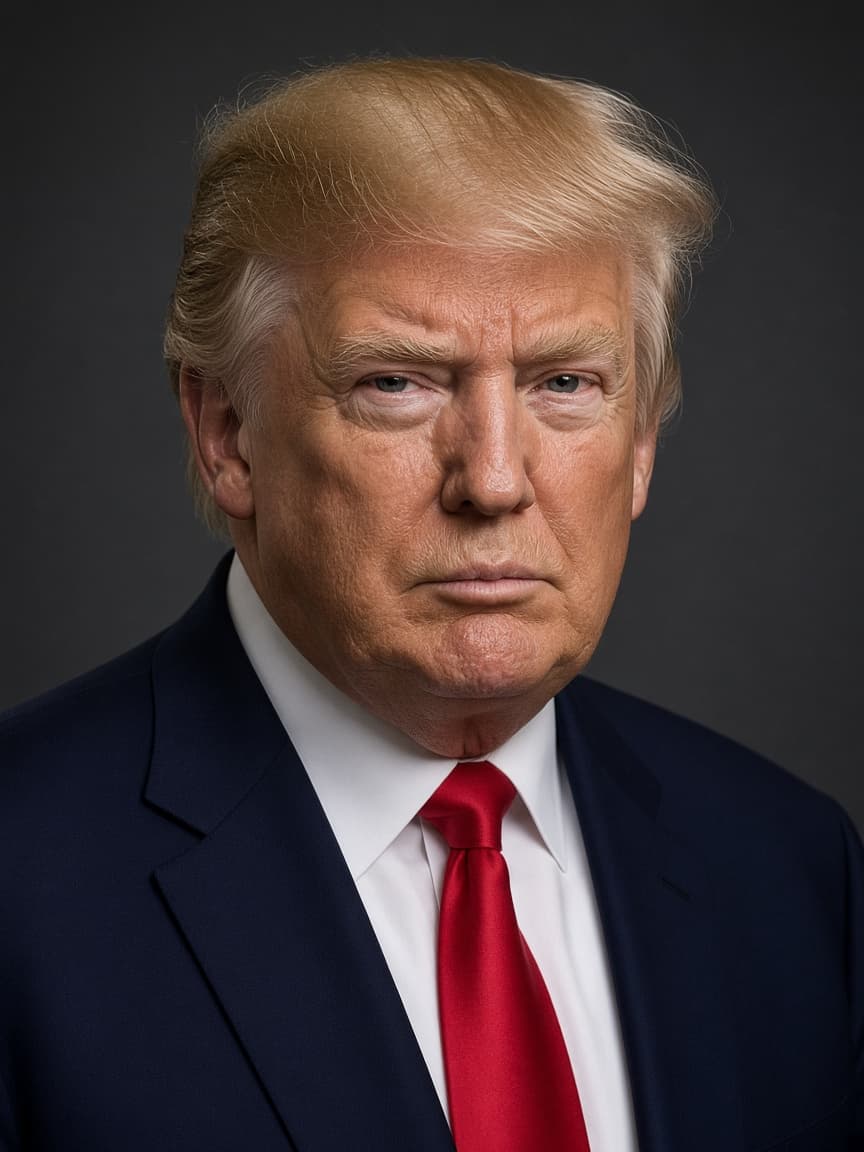
Donald Trump: the Queens developer who became the 45th and 47th president
Family dynasty, disputed fortune, reality television, two impeachments, a felony conviction, overseas strikes and two non-consecutive terms. A fuller account of Donald Trump's life, wealth and foreign conflicts through September 2026.
Donald Trump has spent five decades keeping his name in front of the American public, first on buildings, then on television and then on ballots. He is the only person in United States history to be impeached twice, the first former president convicted of a felony and only the second to win non-consecutive terms in the White House. Behind the campaigns sit a family business that predates him, a fortune that has always been harder to measure than he claimed and a foreign-policy record built on tariffs, pressure diplomacy and occasional use of force. Supporters see a disruptive outsider who broke a complacent political class. Critics see a leader who strained democratic norms. Both readings draw on the same well documented record, which is set out below.
He was born Donald John Trump on 14 June 1946 in Queens, New York, the fourth of five children of Fred Christ Trump and Mary Anne MacLeod Trump. Fred Trump built and managed middle-income rental housing across Brooklyn and Queens and became wealthy doing it. Mary Anne had emigrated from the Isle of Lewis in Scotland as a teenager and worked as a domestic before marrying into the family business world. Their children were Maryanne, Fred Jr, Elizabeth, Donald and Robert. Maryanne Trump Barry later became a federal judge. Fred Jr struggled with alcoholism, left the family firm and died in 1981 at 42. Donald has said that watching his older brother fail at the business pushed him harder into it. Robert worked with the Trump Organization for years. Elizabeth largely stayed out of the public brand.
Donald attended the Kew-Forest School and, at thirteen, was sent to the New York Military Academy in upstate New York. He studied at Fordham University for two years before transferring to the Wharton School at the University of Pennsylvania, where he graduated in 1968 with a degree in economics. He received student draft deferments during the Vietnam War and a medical exemption for bone spurs, a detail that later became a political liability when he criticised other public figures' service records.
He joined his father's firm after graduation and later renamed it the Trump Organization. His ambition was Manhattan rather than the outer boroughs. His first major deal was the redevelopment of the derelict Commodore Hotel next to Grand Central Terminal into the Grand Hyatt, which opened in 1980 with the help of a large and controversial city tax abatement. Trump Tower opened on Fifth Avenue in 1983 with a brass and pink marble atrium that became a personal signature. He moved into Atlantic City casinos, opening Trump Plaza, Trump Castle and, in 1990, the heavily leveraged Taj Mahal.
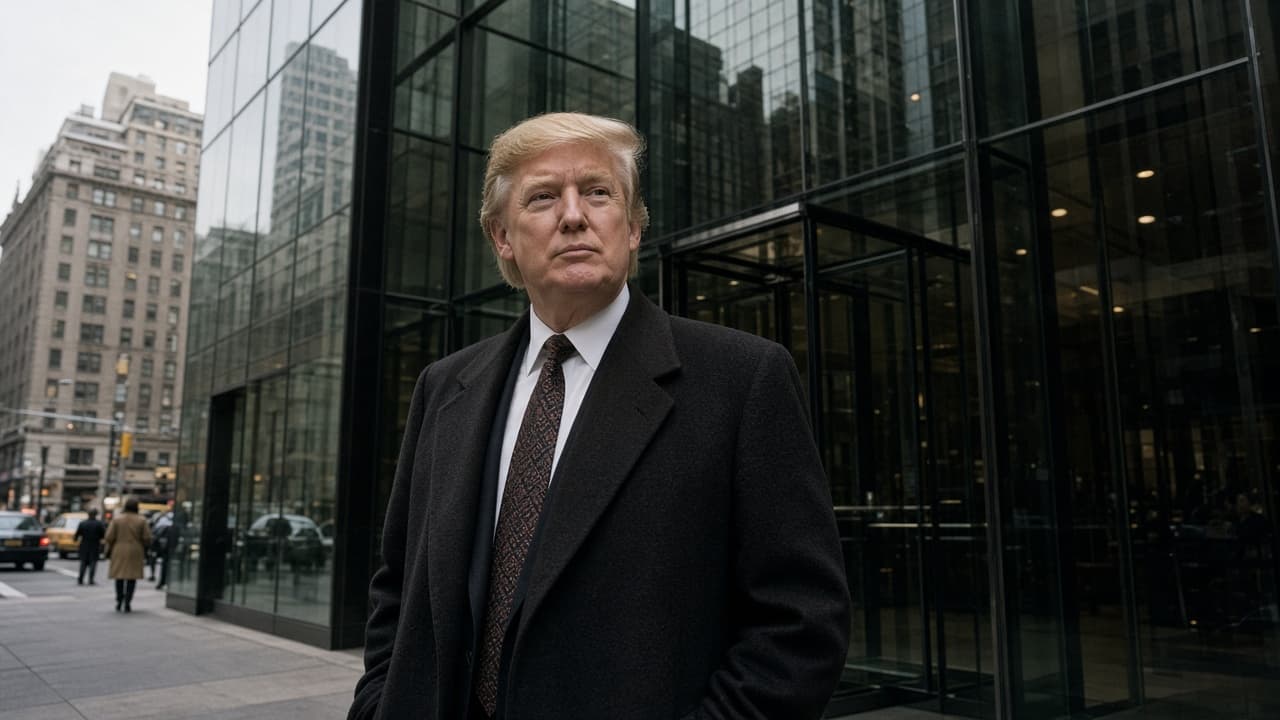
The early 1990s nearly ended the empire. Casino debt and a soft property market pushed several Trump businesses into Chapter 11 reorganisation. Six of his companies filed for corporate bankruptcy protection over the years, including the Taj Mahal in 1991 and Trump Entertainment Resorts in 2004 and 2009. Trump himself never filed personal bankruptcy, and he consistently described the filings as ordinary corporate tools. He also pivoted toward licensing, putting his name on buildings, hotels and products owned by other people, which produced fee income without construction risk.
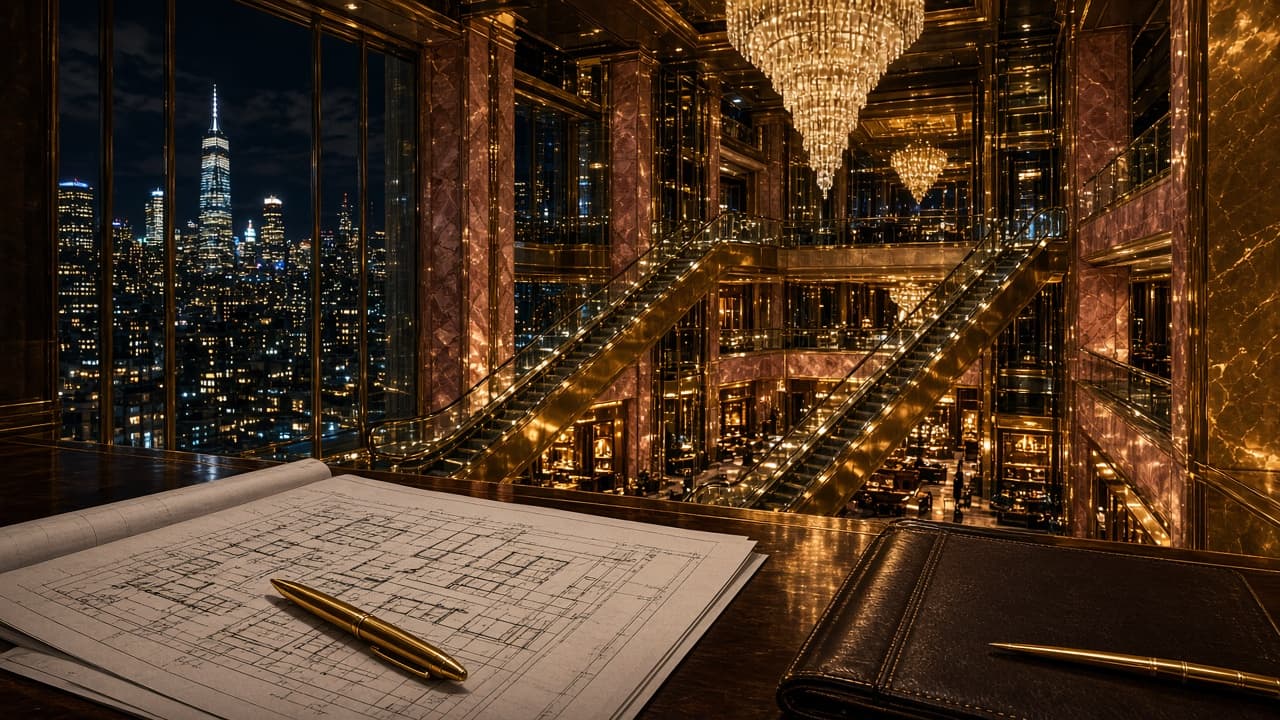
Wealth has always been part of the performance. Trump spent decades telling interviewers he was a billionaire, while critics and some Forbes assessments argued the figure was inflated by optimistic property valuations and the inclusion of brand value that lenders would not treat as cash. The Trump Organization came to rest on a mix of owned properties, management contracts and licensing deals from New York and Florida to Dubai, Istanbul and other markets. Mar-a-Lago in Palm Beach, bought in 1985 and later run as a private club, became both residence and political stage. Golf resorts in Scotland, Ireland and across the United States extended the brand into tourism. When he entered politics he filed financial disclosure forms listing assets in broad ranges rather than audited net-worth statements. New York civil fraud proceedings in the 2020s alleged that he and his company systematically inflated asset values to obtain better loan and insurance terms. Trump denied wrongdoing and appealed large judgments. Outside the courthouse, independent estimates still clustered him in billionaire territory by the mid-2020s, even after accounting for legal costs and political spending, but the precise number has never been as solid as the claim that he is "very rich."
Celebrity carried the brand. "The Art of the Deal," ghostwritten by Tony Schwartz and published in 1987, became a bestseller and fixed his public persona as a dealmaker. He bought the Miss Universe Organization, appeared in films and professional wrestling storylines and cultivated the New York tabloids. The biggest amplifier arrived in 2004, when NBC launched "The Apprentice." The show ran for fourteen seasons in its original and celebrity formats, gave him the catchphrase about firing contestants and introduced him to a national audience as a decisive executive rather than a regional developer.
His personal life was public throughout. He married the Czech model and later business executive Ivana Zelnickova in 1977. Their three children, Donald Jr, Ivanka and Eric, grew up inside the company and later took operational roles. That marriage ended in a widely covered 1992 divorce after Trump's affair with the actress Marla Maples became tabloid news. He married Maples in 1993. Their daughter Tiffany was born the same year, and they divorced in 1999. In 2005 he married the Slovenian-born model Melania Knauss. Their son Barron was born in 2006. Melania Trump served as first lady during both of his terms, kept a limited public schedule and focused her initiatives on child welfare messaging rather than a heavy policy portfolio.
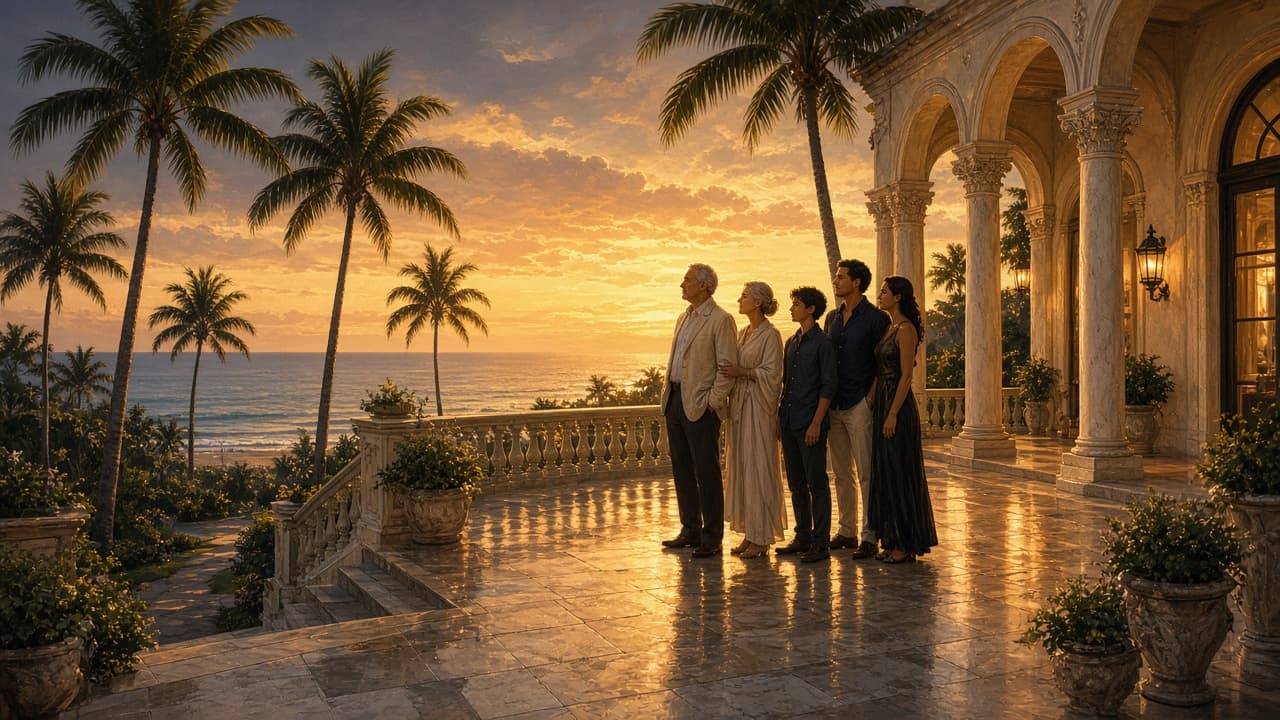
The adult children became part of the political machine. Donald Jr and Eric Trump helped run the Trump Organization while their father was in office and later became regular campaign surrogates. Ivanka Trump and her husband Jared Kushner held White House adviser roles in the first term, with Kushner involved in Middle East diplomacy and domestic initiatives that supporters praised and ethics critics attacked as a blurred line between family, business and government. Tiffany Trump kept a lower profile. Barron Trump remained largely private through his father's campaigns. Ivana Trump died in July 2022. Fred Trump had died in 1999, leaving an estate that later featured in reporting about how Donald and his siblings handled inheritance taxes. Mary Anne MacLeod Trump died in 2000.
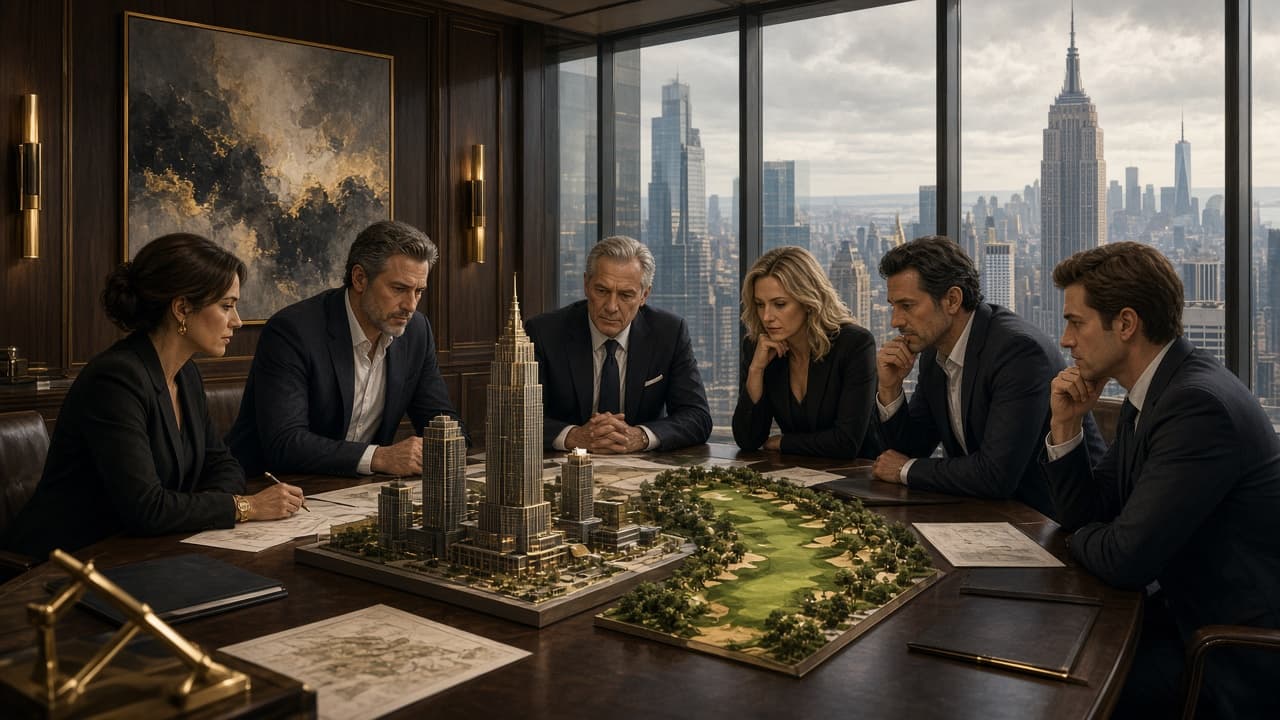
Trump had flirted with running for office since the late 1980s, but his political identity hardened in 2011 when he promoted the false claim that Barack Obama was not born in the United States. He formally launched a presidential campaign on 16 June 2015 in the lobby of Trump Tower, running on immigration restriction, trade protection and hostility to the Washington establishment. He defeated sixteen rivals for the Republican nomination and then beat Hillary Clinton on 8 November 2016, winning 304 electoral votes while losing the national popular vote by roughly 2.9 million.
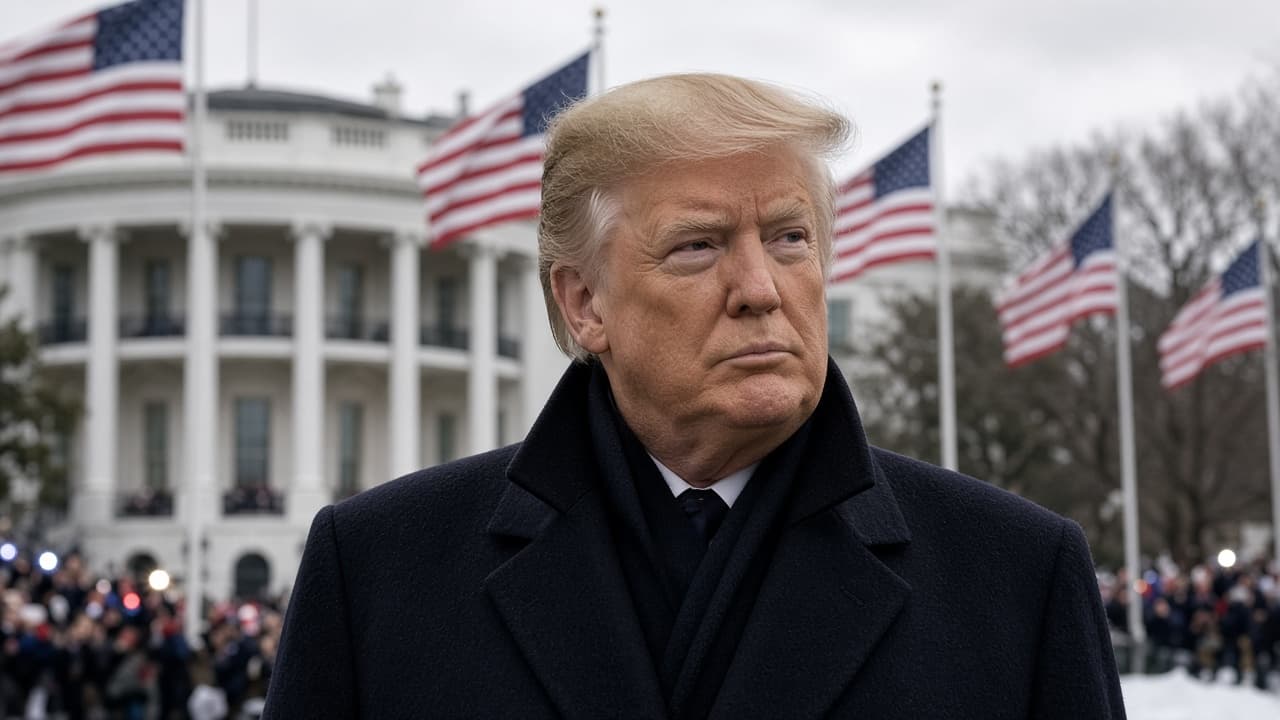
The first term, from January 2017 to January 2021, delivered a conventional Republican tax cut and an unconventional everything else. The Tax Cuts and Jobs Act of 2017 lowered corporate and individual rates. He appointed three Supreme Court justices, Neil Gorsuch, Brett Kavanaugh and Amy Coney Barrett, shifting the court's balance for a generation, and filled the lower federal courts at speed. He imposed tariffs on Chinese goods and on steel and aluminium, withdrew from the Paris climate agreement and the Iran nuclear deal, restricted travel from several majority-Muslim countries and pursued an enforcement-first immigration policy whose family separation practice drew widespread condemnation in 2018.
Foreign policy and overseas conflict defined large stretches of that term even when domestic headlines dominated. He authorised missile strikes on Syrian government targets after chemical weapons attacks in 2017 and 2018. In January 2020 a US drone strike near Baghdad airport killed Iranian general Qasem Soleimani, after which Iran retaliated with missile attacks on bases hosting American forces in Iraq. Trump ordered a further strike on Syrian sites linked to Iranian interests later that year. Against ISIS, his administration continued the campaign begun under Barack Obama and claimed credit when the group's territorial caliphate collapsed. In Afghanistan he signed the February 2020 Doha agreement with the Taliban that set a timetable for US withdrawal, a deal that shaped the chaotic exit carried out under Joe Biden in 2021. He pressed NATO allies to spend more on defence, recognised Jerusalem as Israel's capital, moved the US embassy there and later brokered the Abraham Accords between Israel, the United Arab Emirates and Bahrain, with Sudan and Morocco following related normalisation steps. He met North Korea's Kim Jong Un three times, including a historic summit in Singapore in 2018, without securing a lasting denuclearisation deal. On Venezuela he recognised opposition leader Juan Guaido over Nicolas Maduro and tightened sanctions. Trade with China became an economic conflict of its own: rounds of tariffs, a "phase one" purchase deal and unresolved fights over technology and intellectual property.
The Russia investigation shadowed most of the first term. Special counsel Robert Mueller's 2019 report documented extensive Russian interference in the 2016 election and numerous contacts with Trump associates, did not establish a criminal conspiracy and declined to reach a conclusion on obstruction of justice. In December 2019 the House impeached Trump over his attempt to press Ukraine to investigate Joe Biden, and the Senate acquitted him in February 2020. Two weeks later the coronavirus pandemic reached the United States. His administration launched Operation Warp Speed, which accelerated vaccine development, while his public handling of the outbreak, including repeated conflicts with health officials, was heavily criticised.
He lost the November 2020 election to Joe Biden and refused to concede. He and his allies filed dozens of lawsuits alleging fraud, nearly all of which were dismissed, and no court found evidence of fraud sufficient to change the result. On 6 January 2021, after he addressed supporters near the White House and told them to march to the Capitol, a crowd broke into the building as Congress met to certify the results. The House impeached him a second time for incitement of insurrection. The Senate voted 57 to 43 to convict, short of the two-thirds required, and he was acquitted in February 2021.
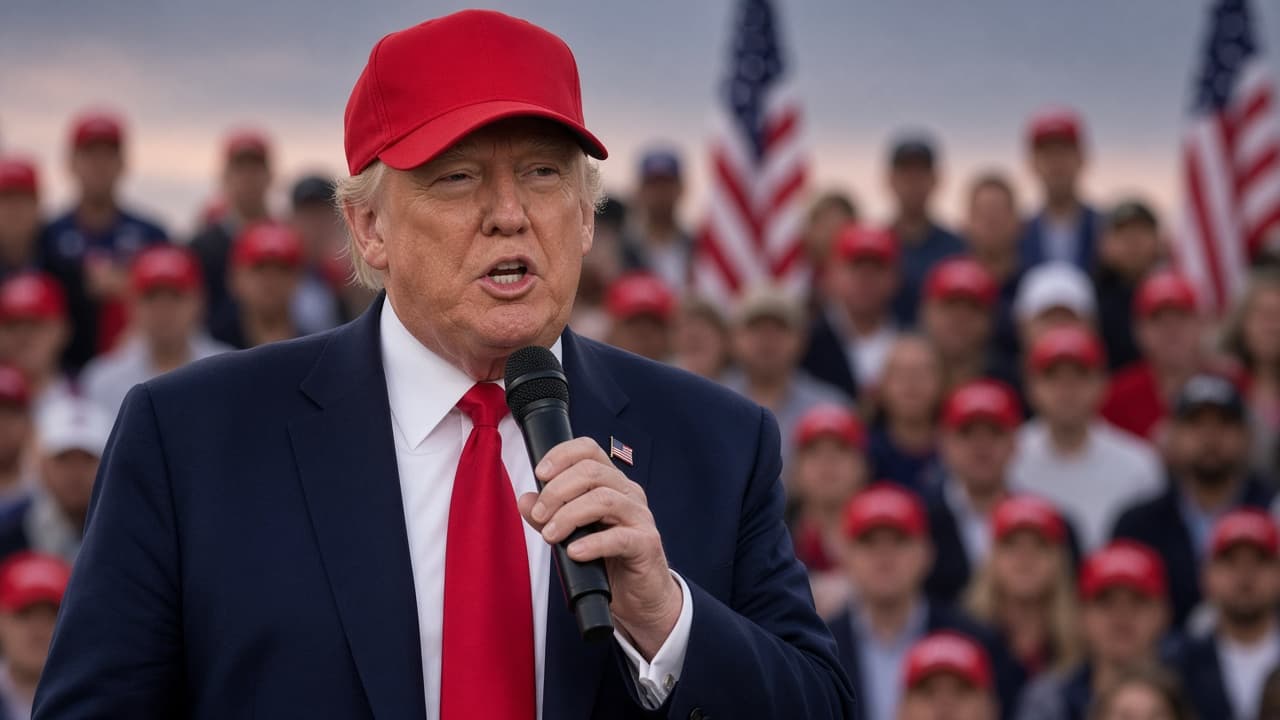
The legal calendar between 2023 and 2025 had no precedent in American public life. In May 2024 a Manhattan jury convicted him on thirty-four felony counts of falsifying business records connected to a hush-money payment before the 2016 election. He was sentenced in January 2025 to an unconditional discharge, meaning no prison, fine or probation, and he has appealed. A federal case over retention of classified documents was dismissed in July 2024 by a district judge on appointment-clause grounds. The federal election-interference case and the Georgia state racketeering case were wound down or stalled after his election win, under long-standing Justice Department policy against prosecuting a sitting president. In separate civil proceedings, juries found him liable for sexual abuse and defamation of the writer E. Jean Carroll, and a New York judge issued a large fraud judgment against his company that remains under appeal.
The 2024 campaign ran through all of it. On 13 July 2024 a gunman shot at him during a rally in Butler, Pennsylvania, grazing his ear and killing an attendee, and the photograph of him raising his fist afterwards became the defining image of the race. A second apparent attempt was foiled in Florida in September. Joe Biden withdrew from the race in July and Vice President Kamala Harris became the Democratic nominee. On 5 November 2024 Trump won 312 electoral votes and, for the first time in his three campaigns, a plurality of the national popular vote. He returned to office on 20 January 2025 as the 47th president, with JD Vance as vice president.
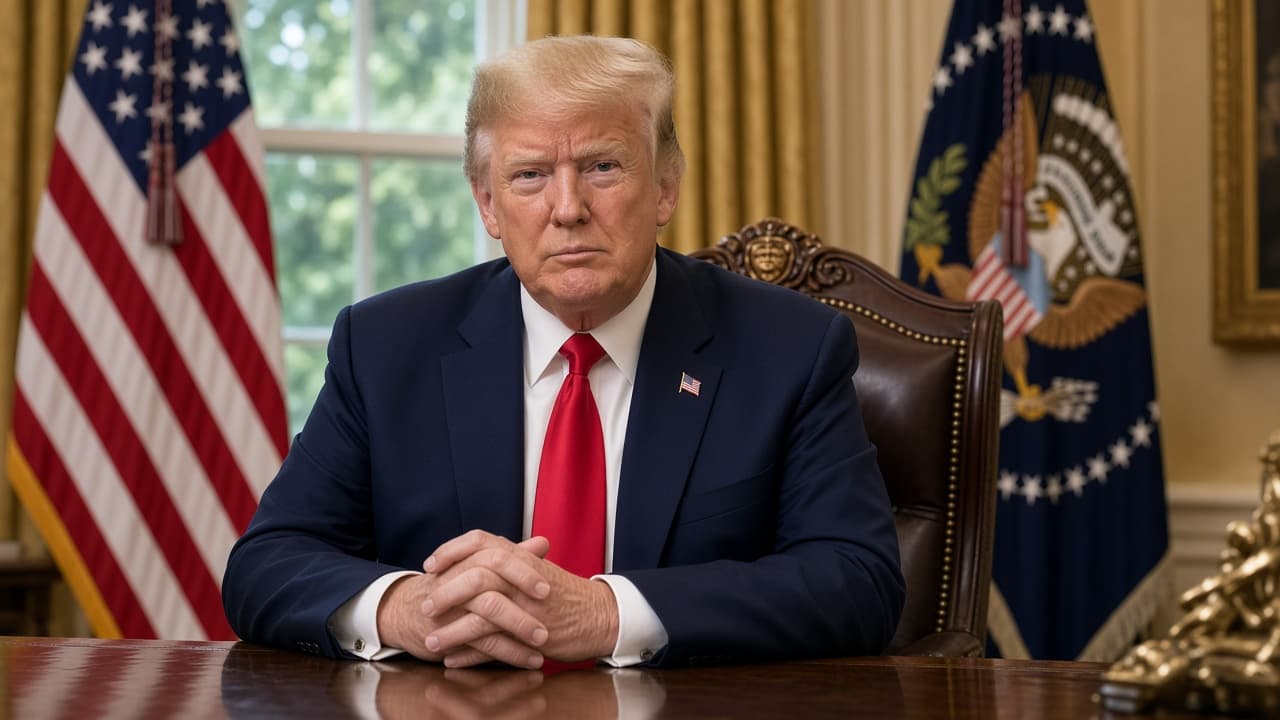
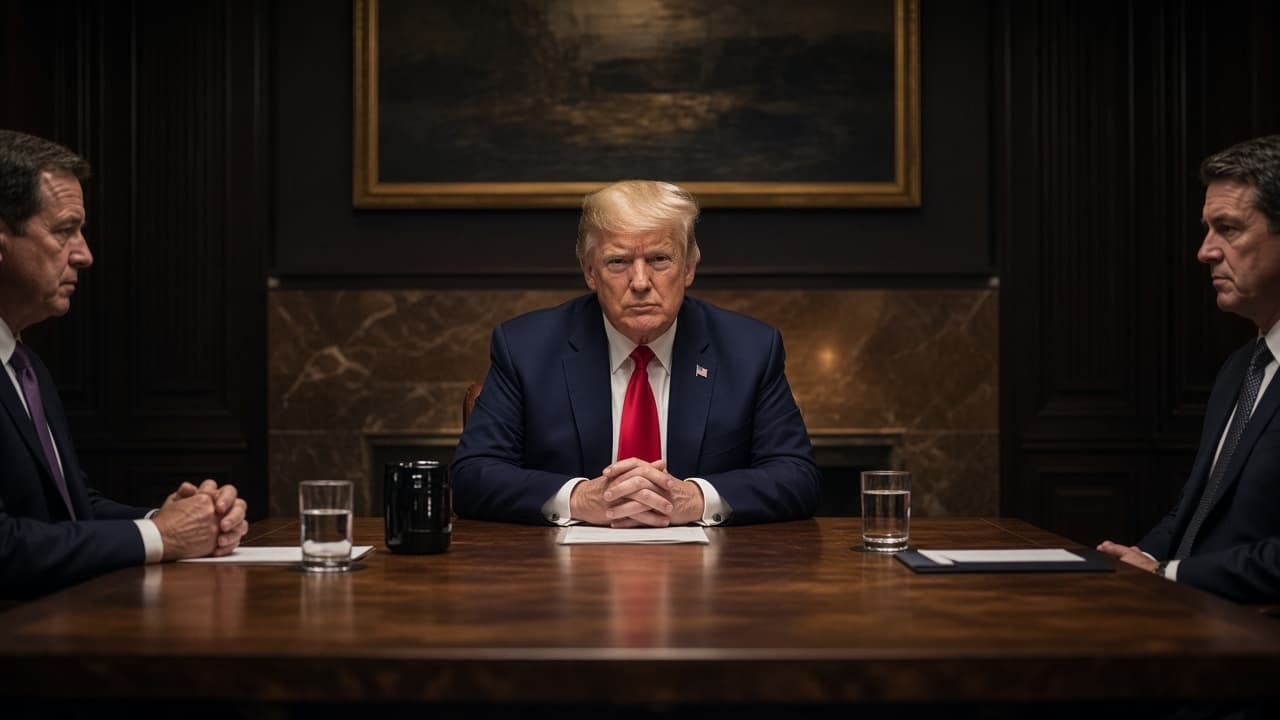
The second term has been defined by speed and executive power. He signed an unusually large volume of executive orders in his opening weeks, restructured and reduced parts of the federal workforce, expanded immigration enforcement and deportations and made tariffs the centrepiece of economic policy, including broad duties announced through 2025 that triggered market volatility, retaliation from trading partners and a run of legal challenges. On overseas conflicts he pushed hard for a negotiated end to Russia's war in Ukraine, tying continued American support to pressure on both Kyiv and Moscow, while European allies argued over how far to follow. In the Middle East he backed Israeli military campaigns against Hamas and related Iranian-aligned networks after the October 2023 attacks, sought ceasefire and hostage deals and kept maximum pressure on Iran's nuclear programme. Relations with China stayed framed as strategic competition over trade, Taiwan and technology. Many of the signature measures remain contested in the courts, and their long-term effects are still being argued over by economists and constitutional lawyers as of September 2026.
Any honest summary has to hold several things at once. Trump inherited a Queens rental empire, turned it into a global brand and a disputed fortune, put his children into the business and then into politics, reshaped the Republican Party around immigration, tariffs and grievance toward institutions, won two presidential elections eight years apart and appointed a third of the Supreme Court. He also became the first American president impeached twice, the first convicted of a felony and the central figure in the events of 6 January 2021, while using American power in Syria, Iraq, Afghanistan diplomacy, Israel and trade wars with China. Whichever conclusion a reader reaches, the factual spine is the same, and it is the part worth keeping when the noise moves on.