
How to prepare for a job interview in one evening
Do a light company review, rehearse a few STAR stories and your pitch, prep questions and logistics, then sleep. Cramming facts all night usually hurts more than it helps.
One focused evening is enough to prepare for most interviews if you already know your own work history. The aim is calm clarity: why this role, what proof you bring and what you want to learn from them. All-night cramming of every product detail rarely reads as confidence the next morning.
Spend your hours on company research that matters, three to five stories in the STAR shape (Situation, Task, Action, Result), a short "tell me about yourself" pitch, questions you will ask and the boring logistics of clothes, tech and route. Then stop and sleep.
If the interview is highly technical, swap one story block for a short practice set in your field. Still protect sleep. A sharp brain beats a third extra bullet you will not remember.
Use the steps as a single evening checklist. Start at least the night before. If you only have two hours, keep the pitch, three stories, questions and logistics and skim the company research.
Step-by-step guide
Time: 2.5 to 4 hours in one evening, then sleep
What you need
- Job description and your resume
- Company website, recent news and LinkedIn profiles of interviewers if known
- Notebook or doc for STAR stories
- Timer for practice answers
- Outfit and tech checklist
Before you start
- Do not invent metrics or employers. Interviews dig in.
- If you are sick or in crisis, reschedule when you can. Pushing through can lock in a weak first impression.
Step 01
Skim the company and role with a purpose
Five sharp lines about the company and role beat a stack of unread tabs.
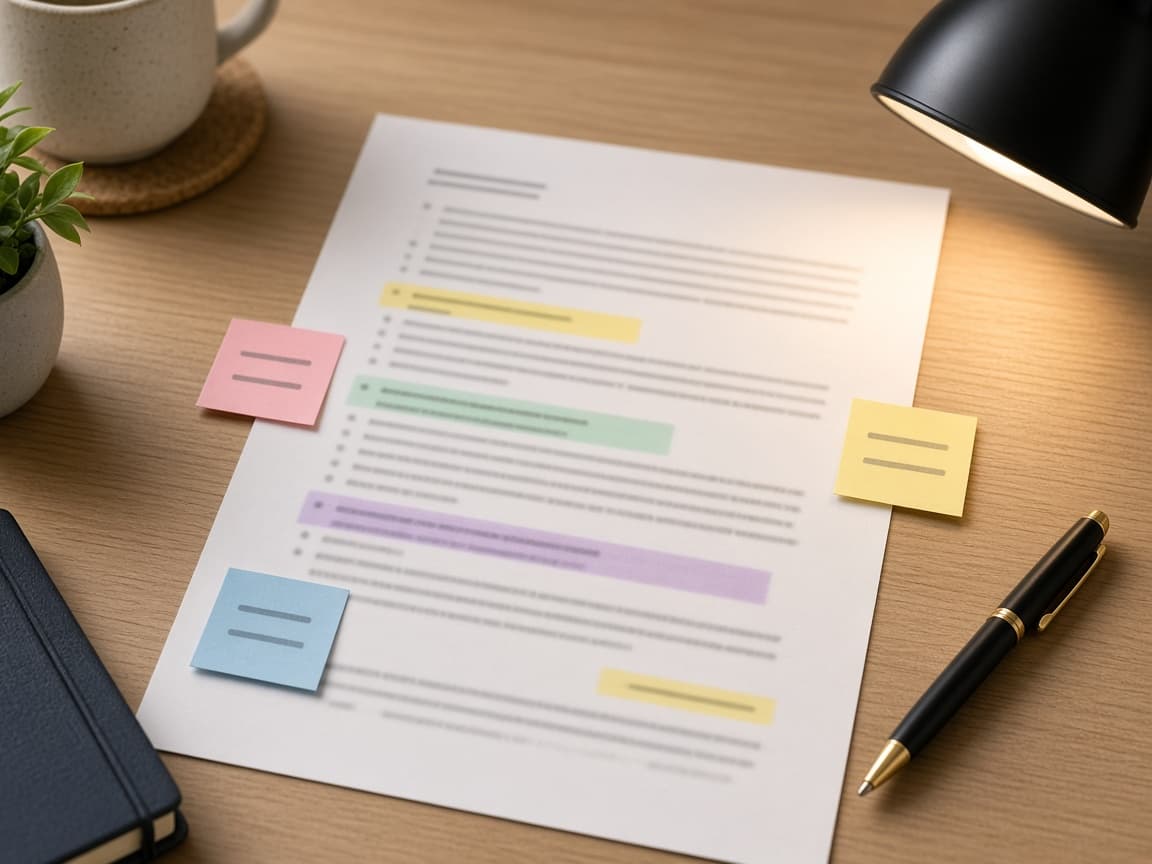
Five sharp lines about the company and role beat a stack of unread tabs. Do this step in order
1a
Highlight the top five requirements in the posting
Read the job post again and mark the five needs that matter most. Those marks drive which stories you rehearse later. Ignore trivia that will not come up.
1b
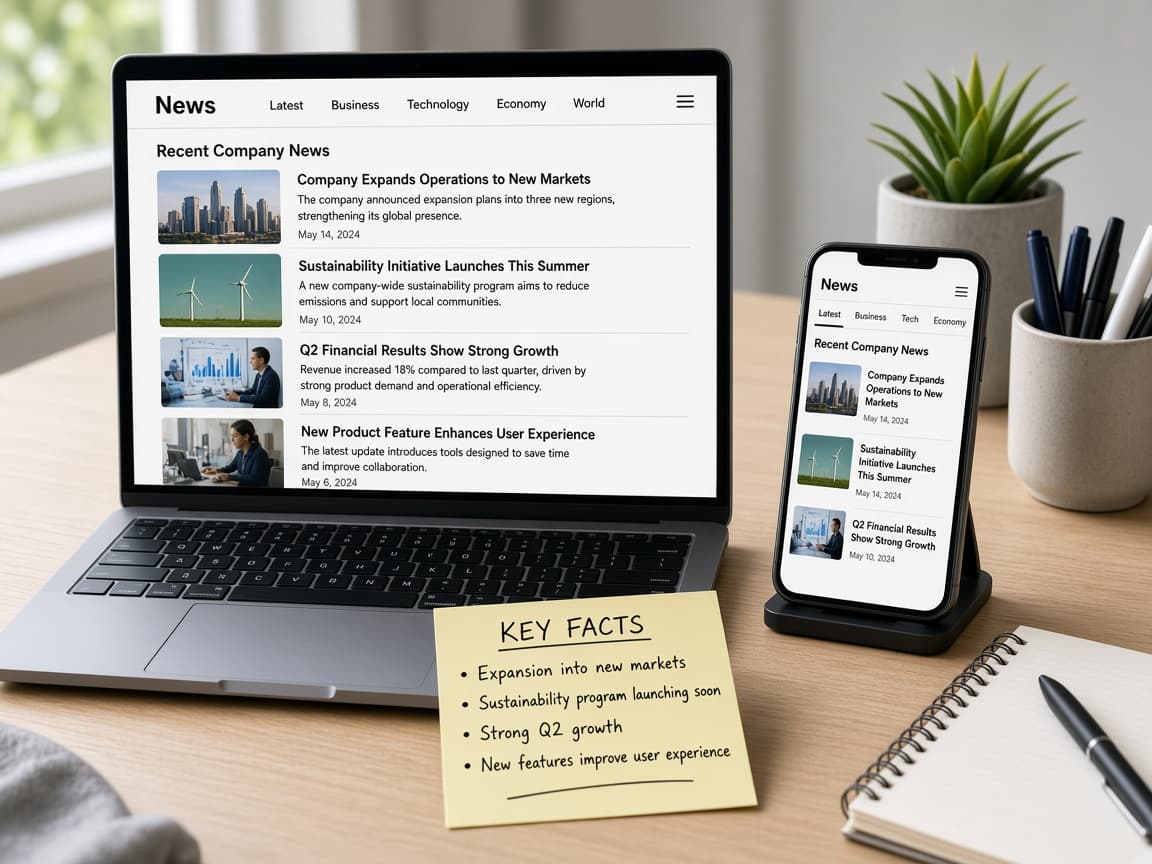
Capture product, customers and one recent news item
Skim the company site for what they sell, who they serve and one recent news or blog item you can mention naturally. Check interviewer profiles only if names are known.
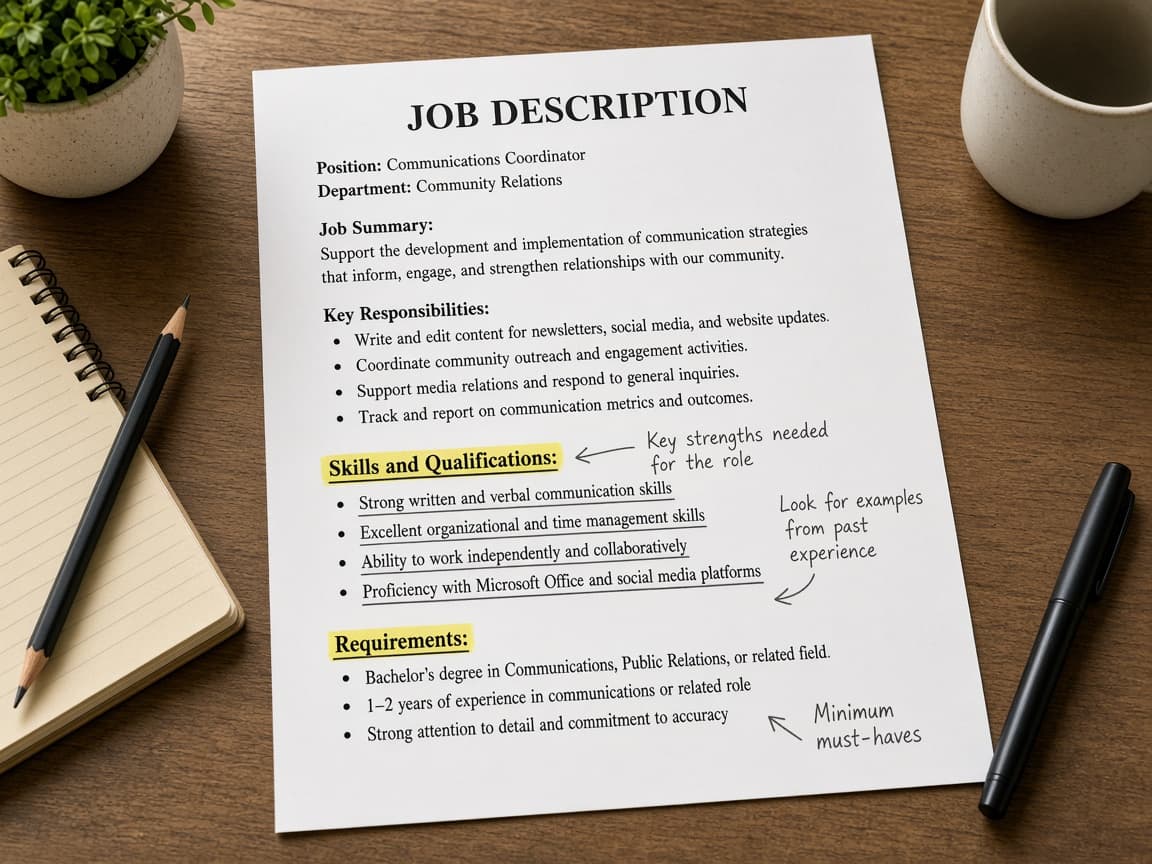
One concrete detail beats memorizing unused features. 1c
Write five lines only, then close extra tabs
Write what they do, why the role exists, how you map to the top requirements and one thoughtful observation. Common mistake: memorizing founding dates while skipping the problems in the job description.
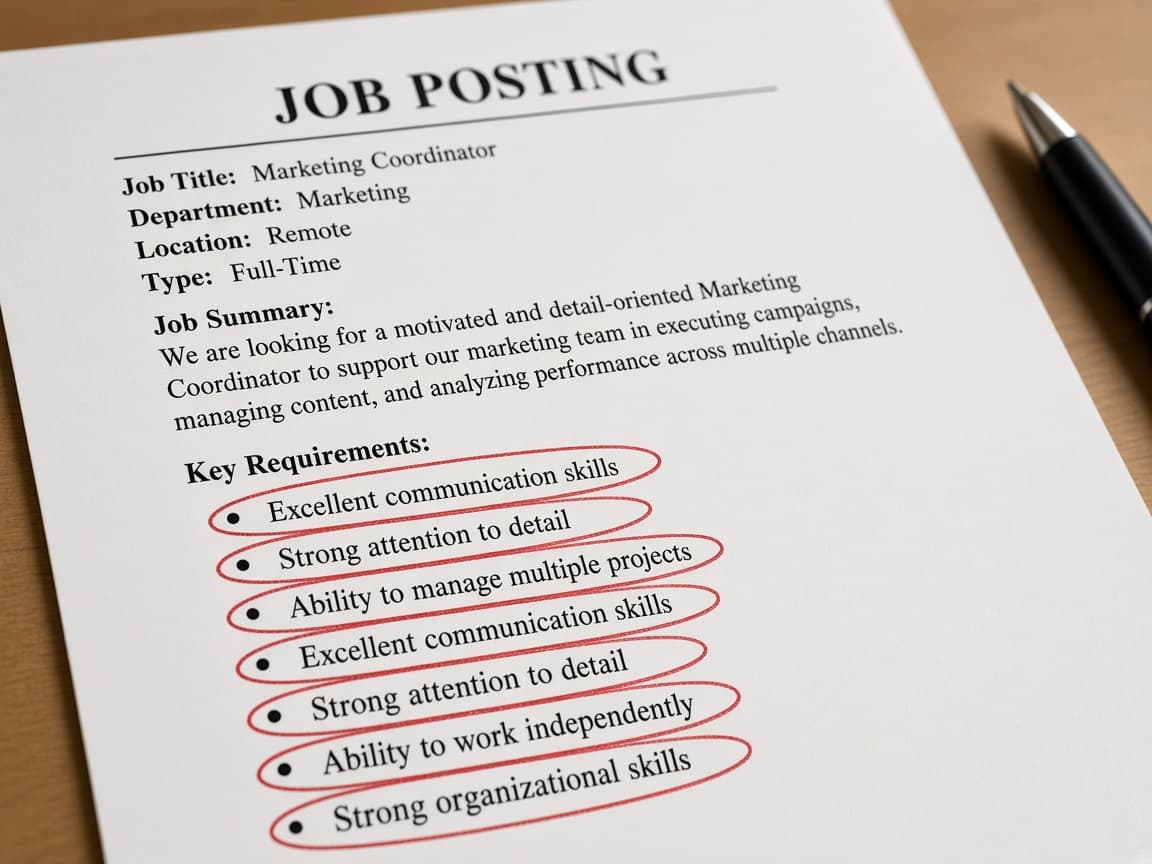
Research ends when the five lines are done.
Step 02
Build three to five STAR stories
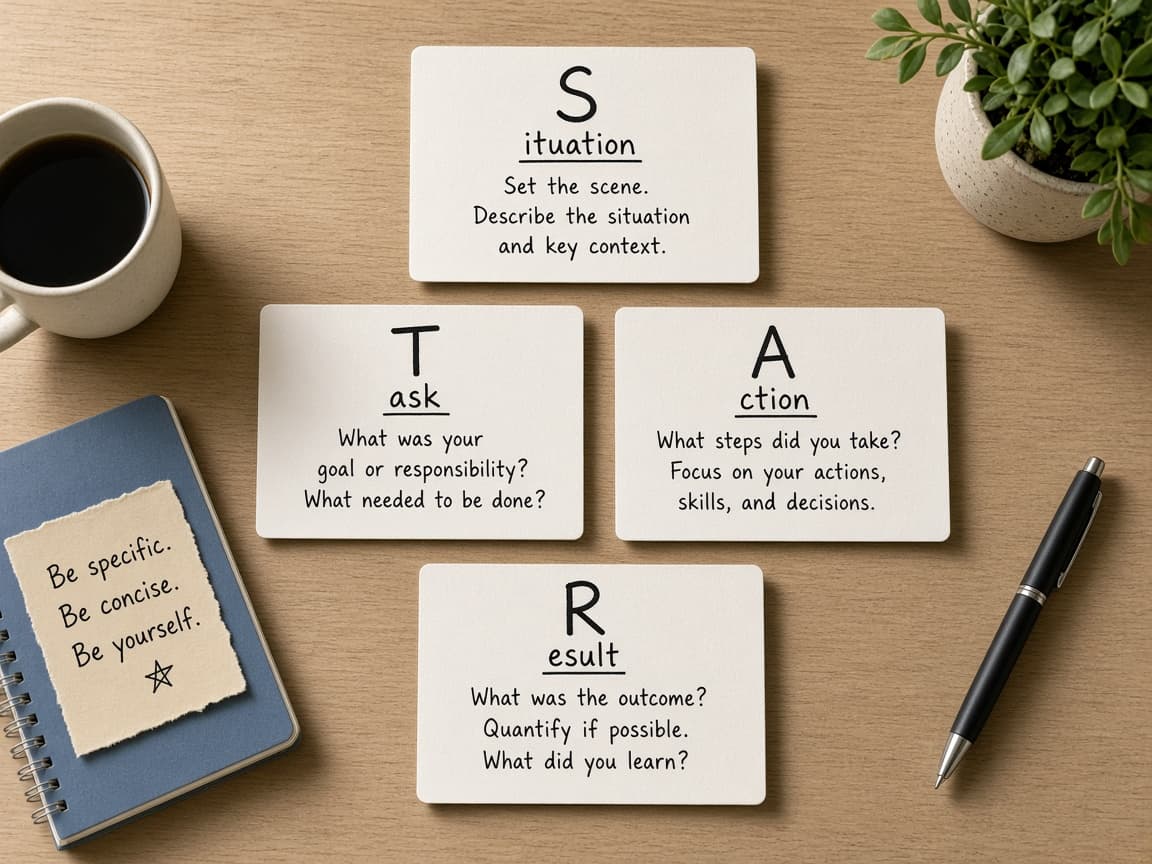
Short STAR cards keep answers concrete when your mind goes blank.

Short STAR cards keep answers concrete when your mind goes blank. Do this step in order
2a
Pick stories that show different strengths
Cover a win with numbers, a tough stakeholder, a mistake and recovery, leading without authority and a craft problem you solved. Different angles beat five versions of the same success.
2b
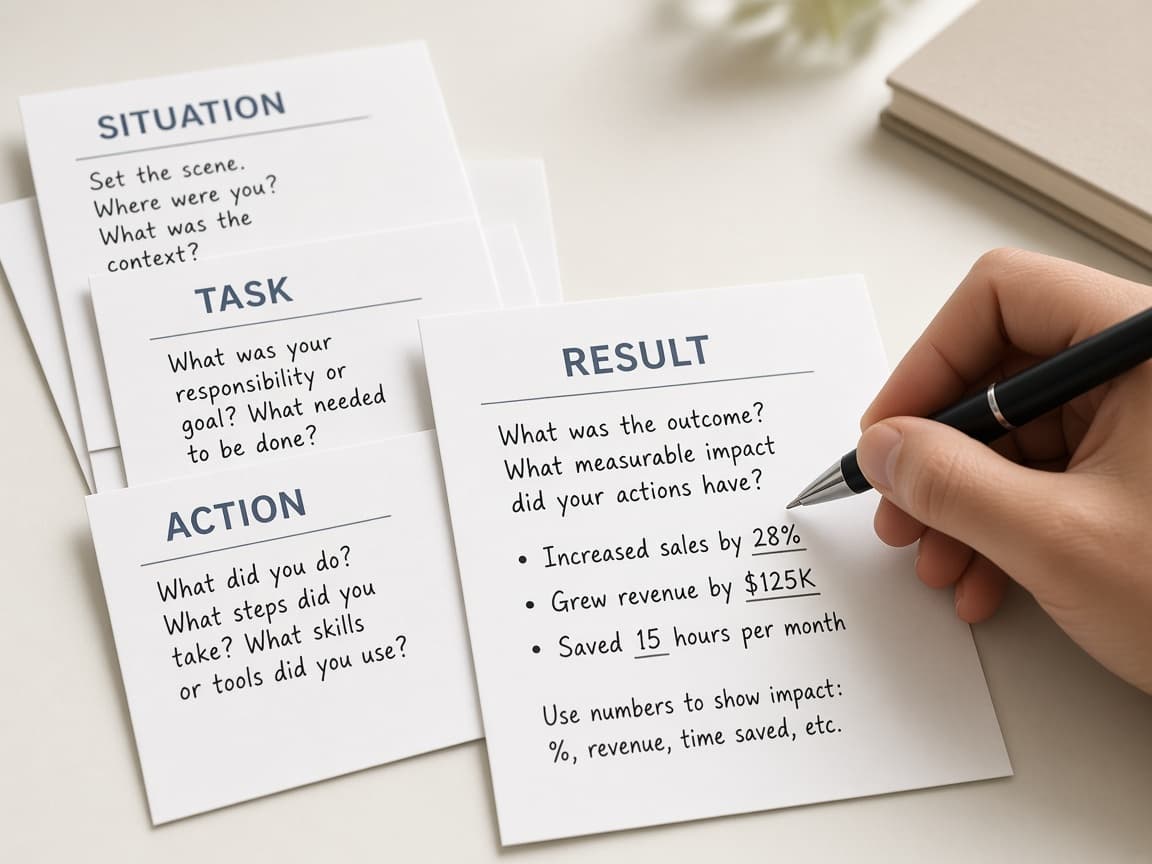
Jot Situation, Task, Action and Result on cards
Keep Action on what you did and Result with a metric when possible. Cut backstory. Practice each story aloud in about two minutes and prepare one follow-up detail if they dig in.
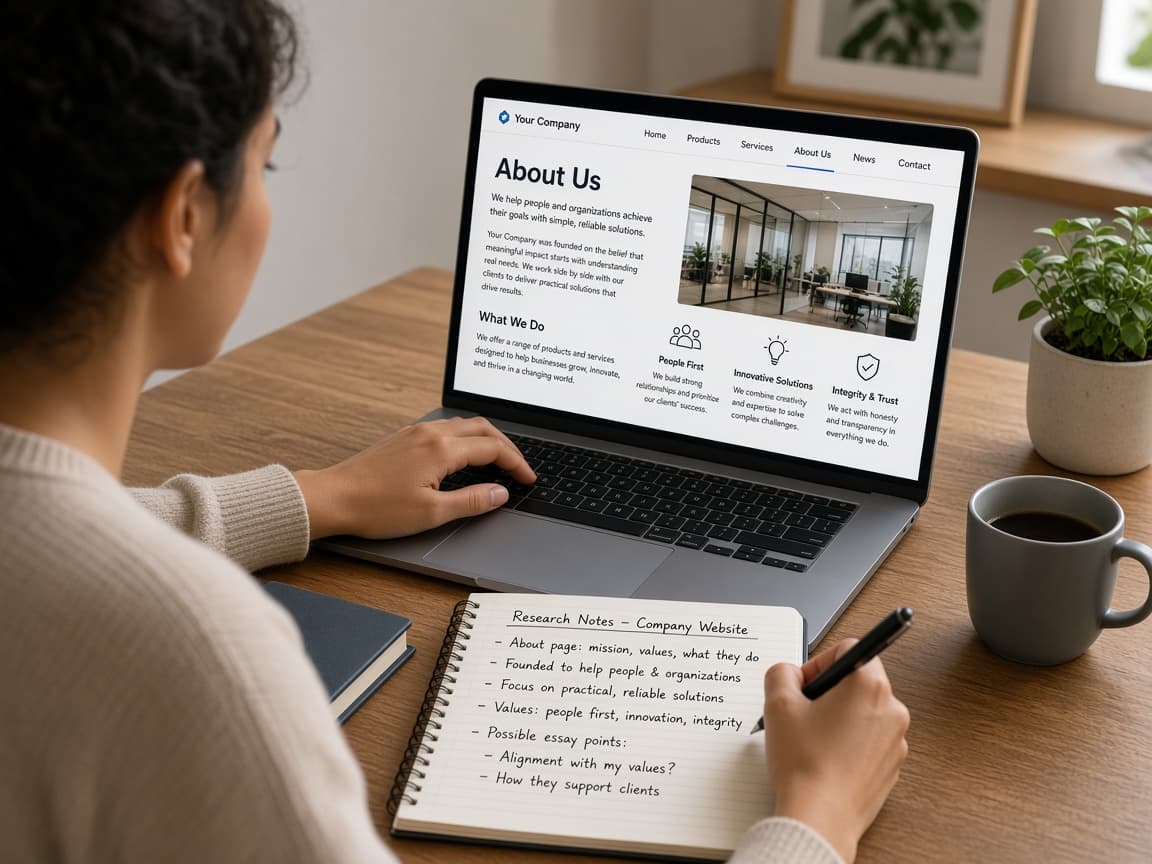
Your actions and result should take most of the time. 2c
Trim five-minute setups that hide your contribution
Common mistake: a long situation and a ten-second action. Rehearse until a stranger would know what you personally did by the midpoint of the answer.
If the action is short, the story is not ready.
Step 03
Craft a "tell me about yourself" pitch
A timed pitch forces you to choose a through-line instead of narrating your whole CV.
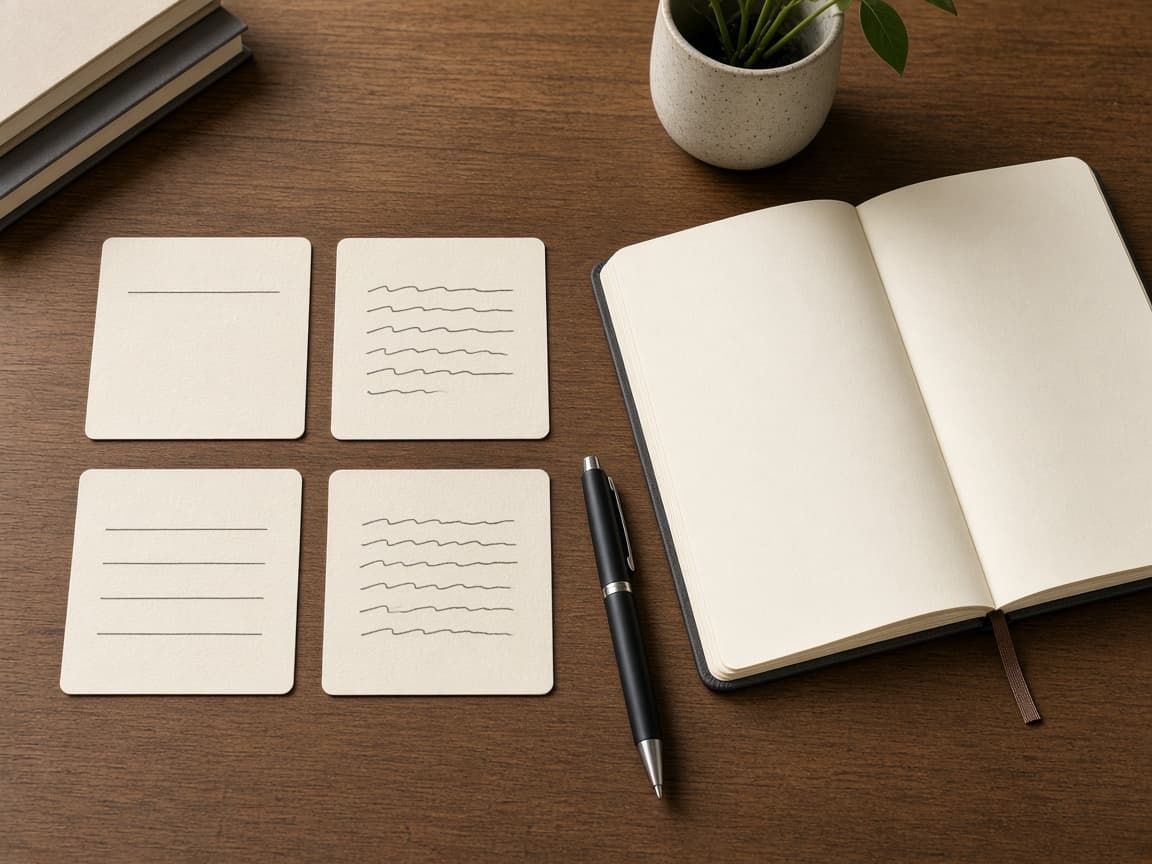
A timed pitch forces you to choose the through-line instead of narrating your whole CV. Do this step in order
3a
Use present, past and why this job now
Aim for 60 to 90 seconds. State your current role, one relevant past thread and why this job is the logical next step. End on the role in front of you, not on childhood biography.
3b
Record one take and cut filler
Record yourself once on your phone. Remove filler words and resume recitation. Listen for whether the ask of this job is obvious by the end.
One recording exposes filler faster than silent rehearsal. 3c
Stop reciting the resume top to bottom
Common mistake: walking through every job without a point. The pitch is a thesis about fit, not a chronological tour.
They already have the resume. Give them the through-line.
Step 04
Prepare questions you actually want answered
Specific questions show you can already picture the work.
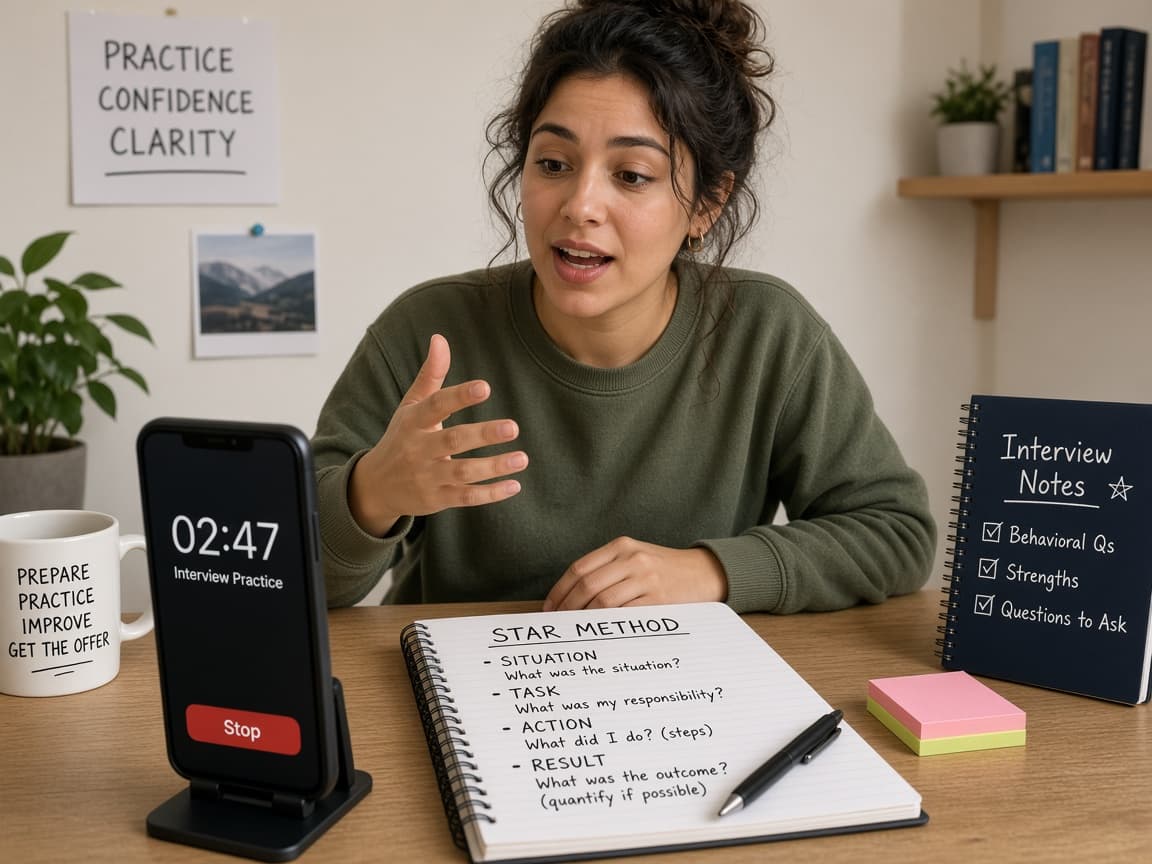
Specific questions show you can already picture the work. Do this step in order
4a
Write five questions and star three
Good themes: how success is measured in six months, the biggest team challenge, how decisions get made, what the interviewer's week looks like and why the seat is open. Skip questions answered clearly on the website.
4b
Match questions to interviewer type
With a future manager, prioritize working-style and success measures. With HR, prioritize process, timeline and range questions you still need. Ask about next steps at the end either way.
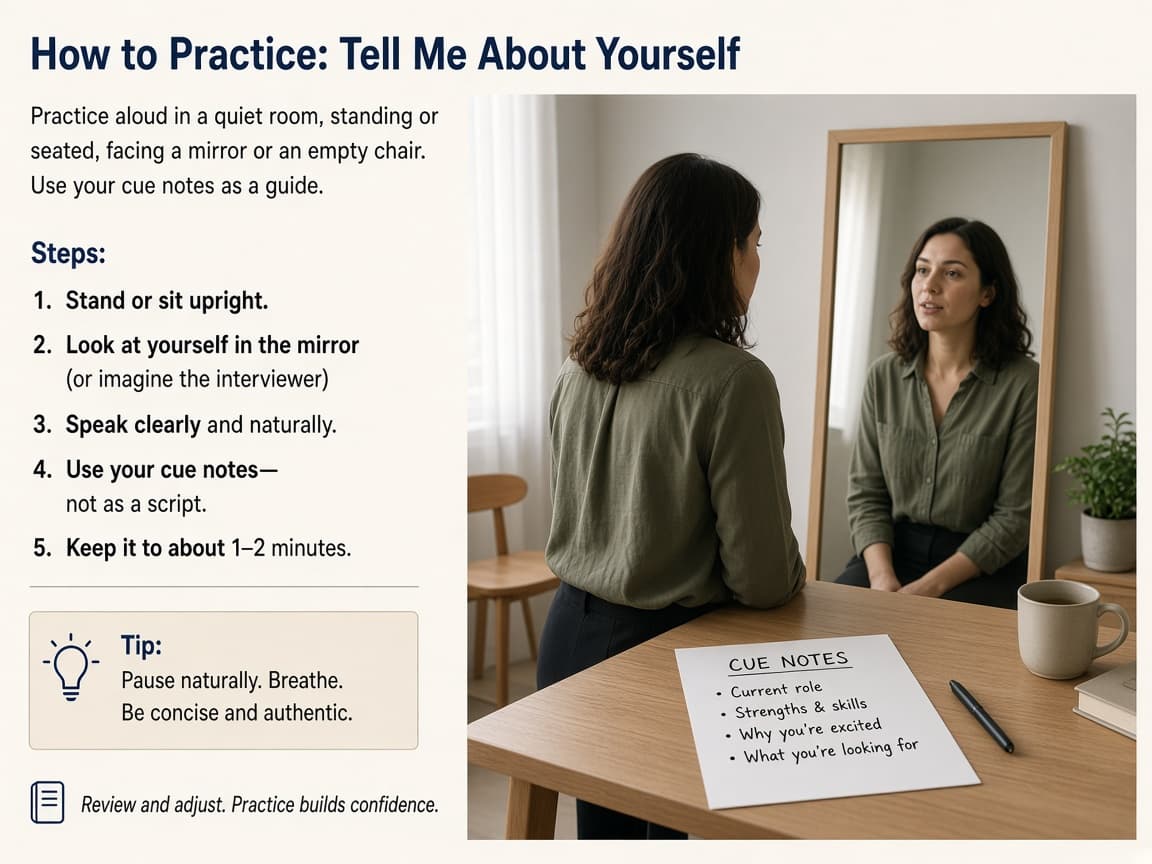
The right question depends on who is across from you. 4c
Avoid a lone vague culture question
Common mistake: only asking what the culture is like with no follow-up. That invites a brochure answer. Ask for an example of a recent hard decision or a normal week instead.
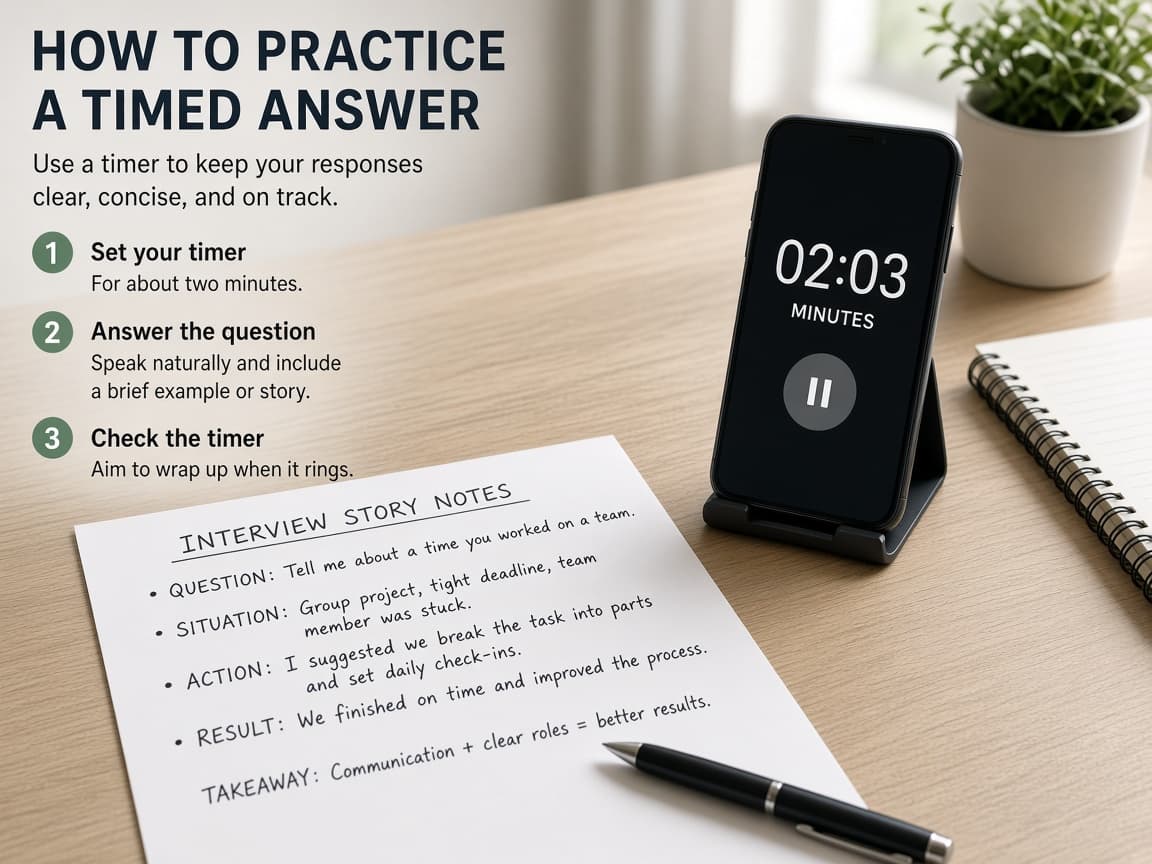
Specific asks get specific answers.
Step 05
Handle logistics: clothes, tech, route and materials
Boring logistics are part of preparation. Future-you needs an easy morning.
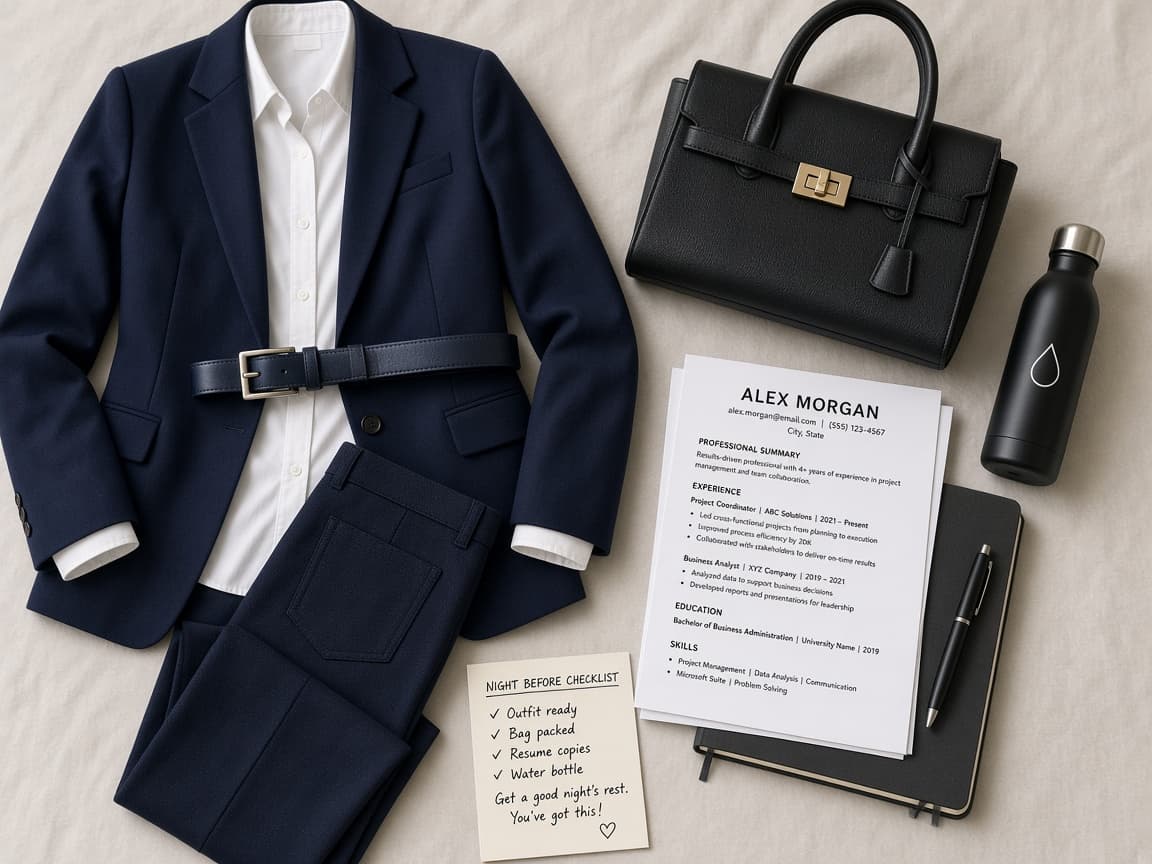
Boring logistics are part of preparation. Future-you needs an easy morning. Do this step in order
5a
Lay out clothes that fit the company's formality
Choose an outfit you can sit in comfortably. Check for stains and missing buttons now. Do not invent a first-time outfit thirty minutes before start.
5b
Test video tech or map the in-person route
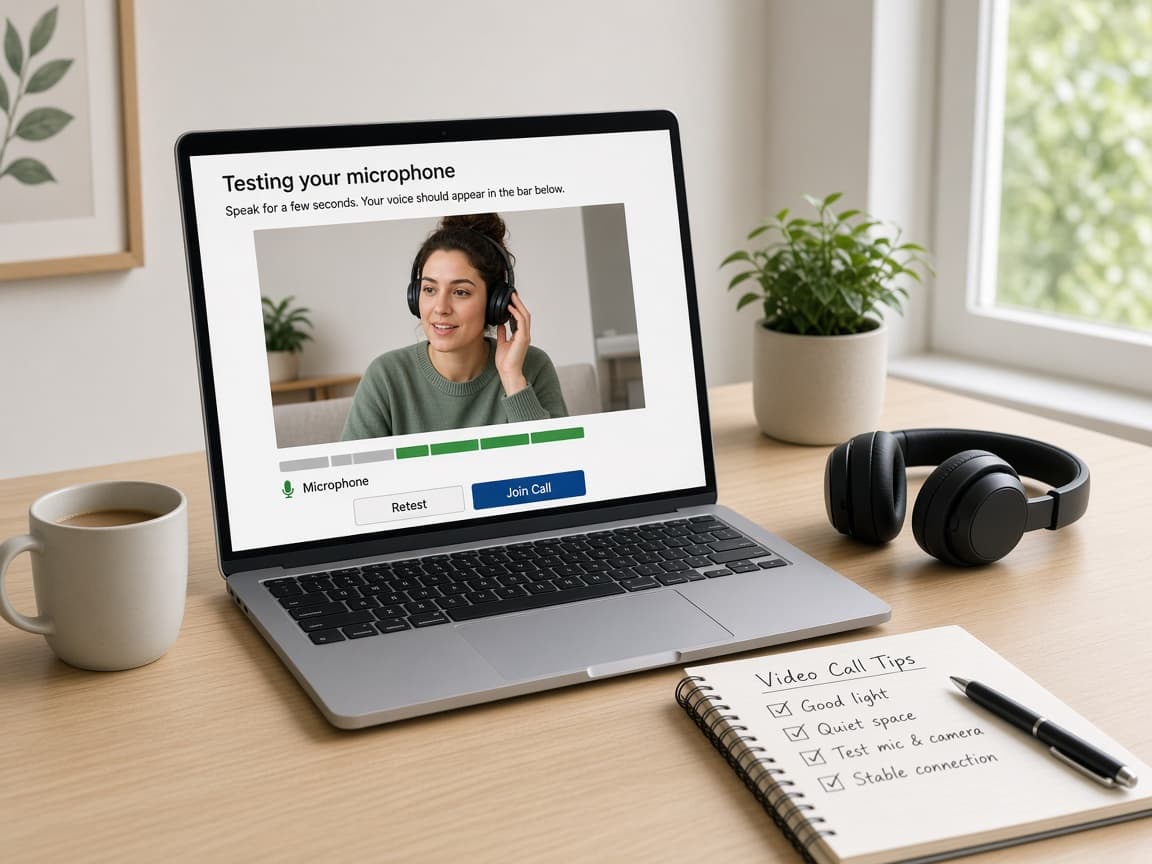
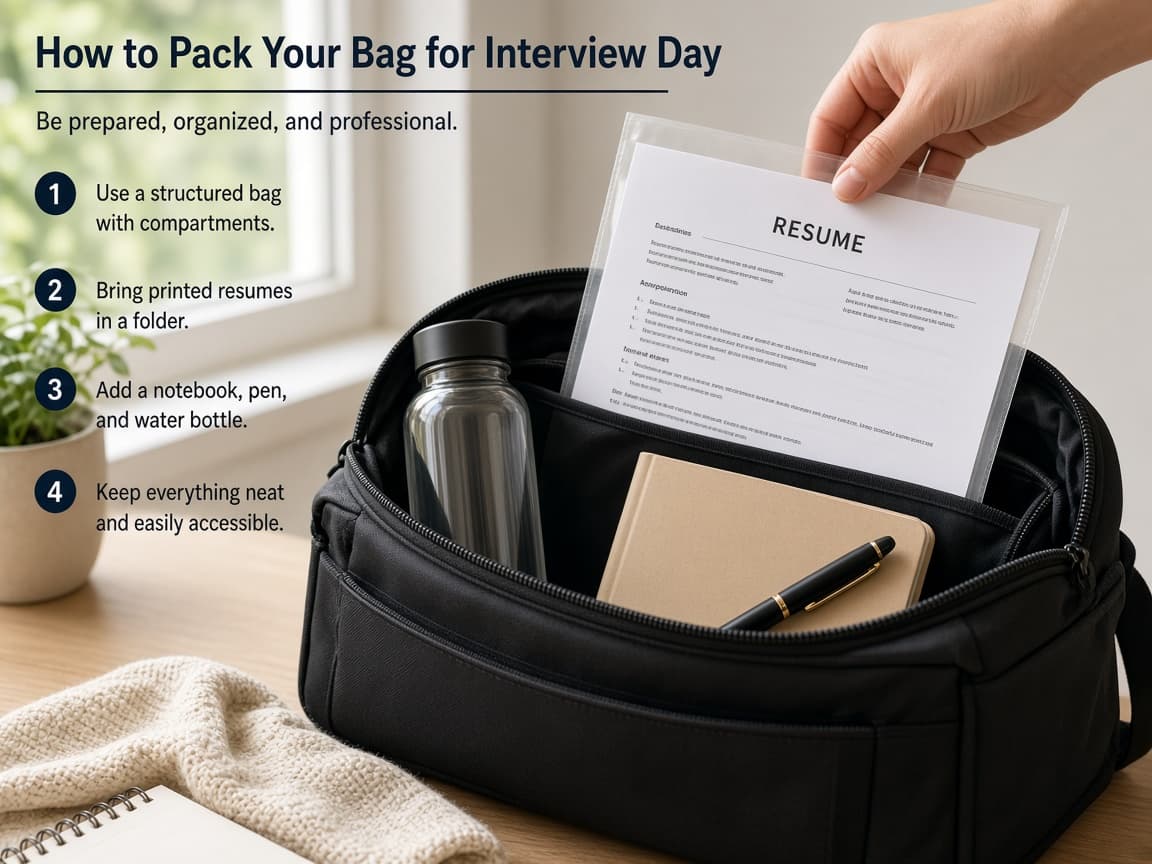
For video: test camera, mic, lighting and backup link, then close noisy apps. For in-person: map the route, add buffer and pack resume copies, notepad and water.
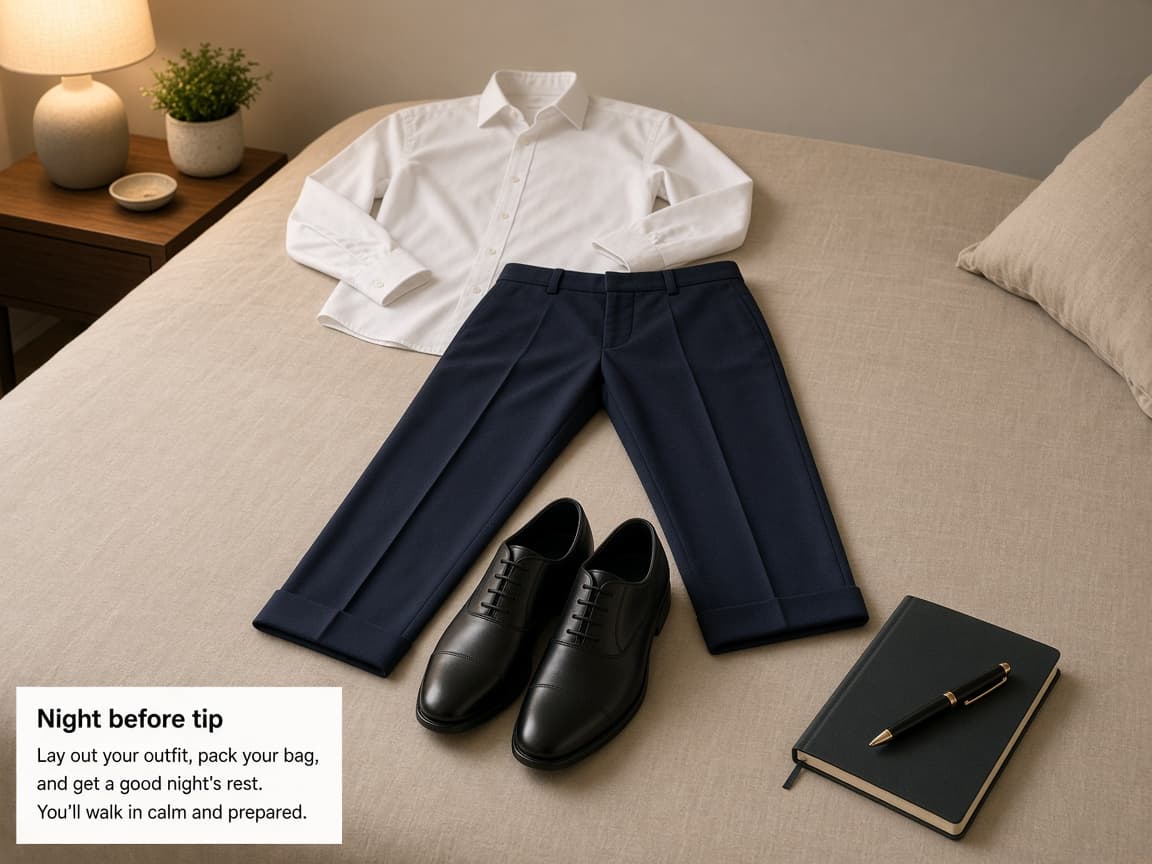
Tech and route tests belong to the evening, not the last five minutes. 5c
Put names, links and building notes in one place
Save interviewer names, dial-in details and building instructions in one phone note. Charge devices now. Common mistake: software updates and outfit changes in the final half hour.
One note beats hunting through email on the sidewalk.
Step 06
Stop studying and protect sleep
End the evening on purpose. Rested beats over-rehearsed.
End the evening on purpose. Rested beats over-rehearsed. Do this step in order
6a
Close tabs 60 to 90 minutes before bed
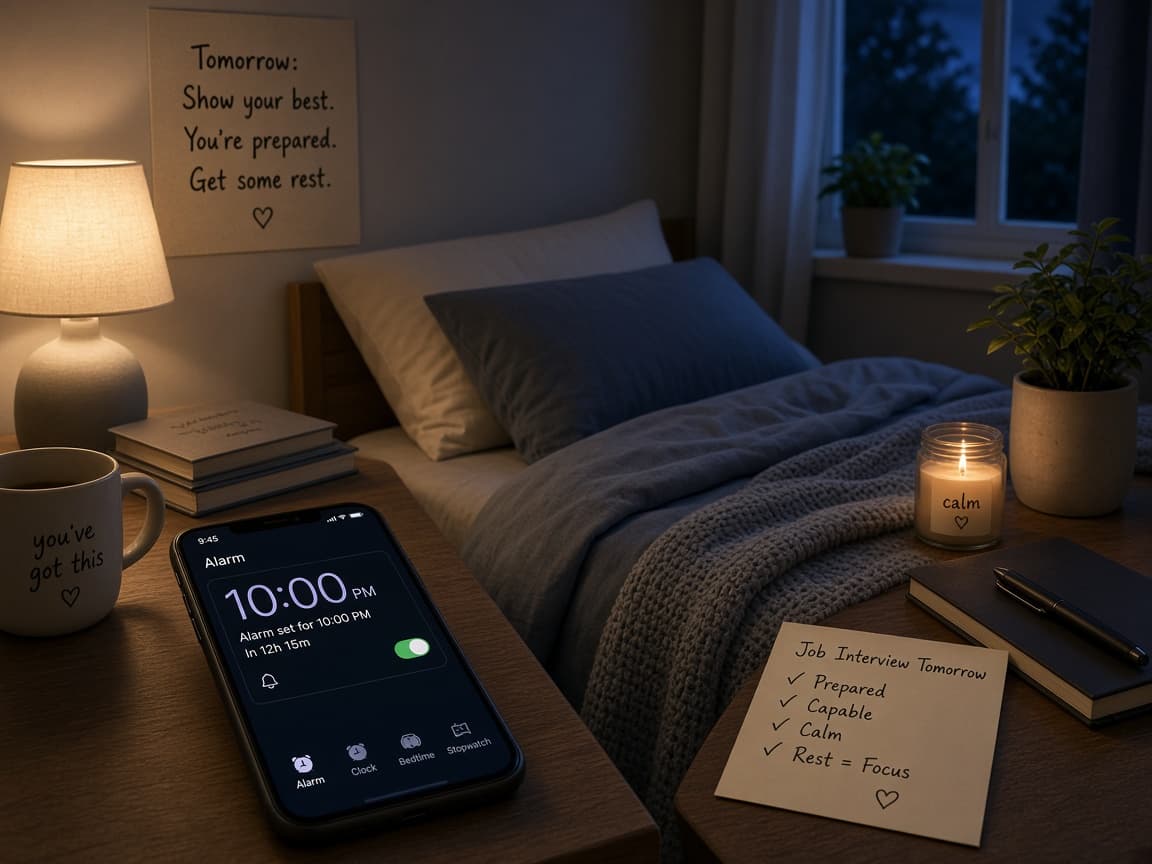
Do a light review of story titles only. No new company research. Set two alarms and pack the bag. Then wind down like any performance day.
6b
Park worries on paper if anxiety spikes
Write lingering worries on a page and leave them there. Sleep helps recall and tone more than one more article about the company's funding round.
Paper holds the worry so your head can sleep. 6c
Skip the 2 a.m. "one more practice" loop
Common mistake: rehearsing until late, then blaming nerves for a flat interview. Stop on schedule even if the pitch is only good enough.
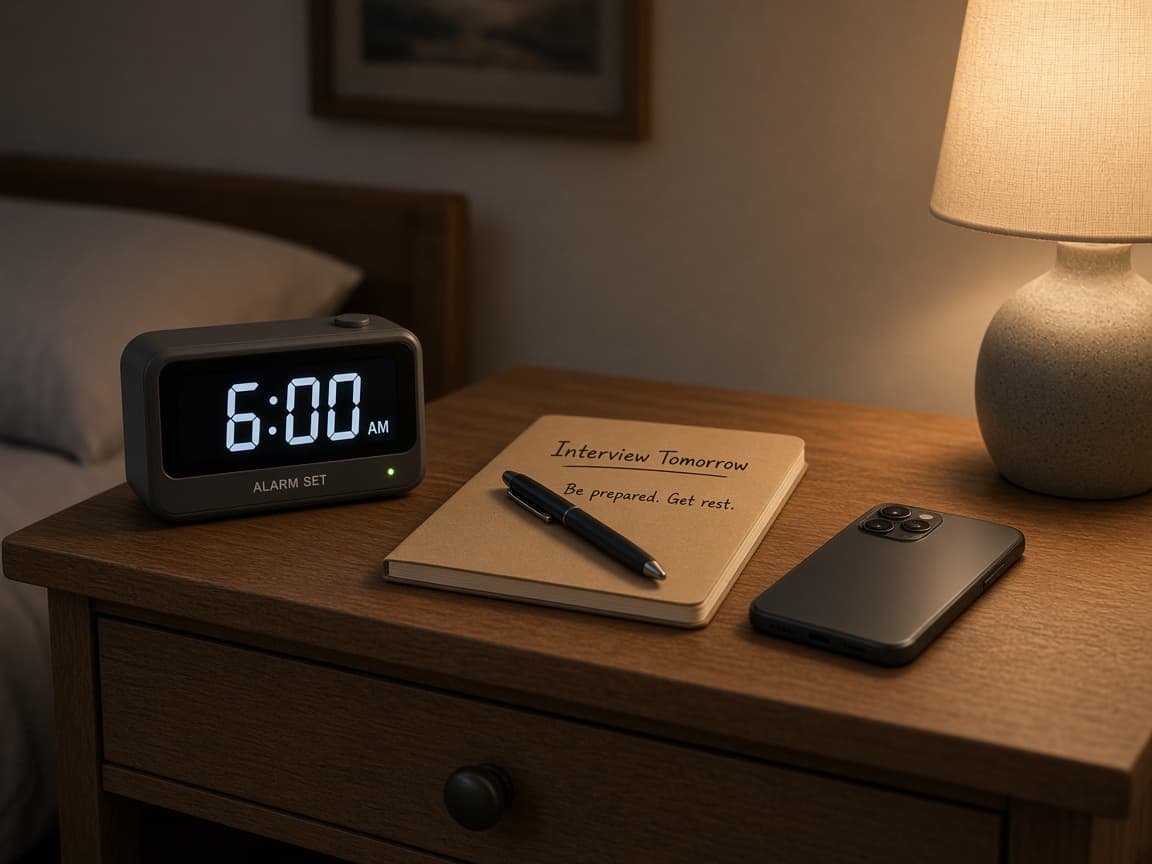
A firm stop time is part of the prep checklist.
Done when
- Company and role notes written
- 3-5 STAR stories ready
- 90-second pitch practiced aloud
- Questions for them listed
- Clothes, route or tech tested
- Alarm set and screens off at a sane hour
Eagle Frame’s takeaway: one evening of focused prep beats an all-night cram. Know the company at a useful level, rehearse a short pitch and a few STAR stories, prep questions and logistics, then sleep. Walk in rested enough to listen, not just to recite.