
How to start investing in stocks as a beginner
Build a cash cushion, clear high-interest debt, use tax-advantaged accounts when you can and favor low-cost diversified funds over stock picking. Start small and automate.
Starting in the stock market is less about picking a genius ticker and more about order of operations. Investor-education themes stressed by regulators and nonprofits usually put emergency savings and high-interest debt before market risk. Then you set a goal, use employer matches when available and invest cash you can leave alone in diversified low-cost funds.
Buying individual stocks with money you need next year is speculation. Buying a broad index fund or ETF inside an IRA or taxable brokerage account, funding it on a schedule and leaving it invested for years is how many beginners build exposure without turning their phone into a casino.
This article is educational, not personalized financial advice. Markets fall. You can lose money. Tax rules and account types differ by country; examples below lean on common U.S. structures (401(k), IRA, taxable brokerage). Check official sources such as Investor.gov and your plan documents or talk to a licensed adviser for your situation.
If you only take one idea forward: automate contributions into diversified funds after the basics are covered. Skip margin debt while you are learning.
Step-by-step guide
Time: One weekend to set accounts and automations; ongoing monthly contributions
What you need
- Budget showing surplus after bills
- Employer retirement plan login if you have one
- Brokerage or IRA provider comparison notes
- List of goals and time horizons
Before you start
- This is not financial, tax or legal advice. You can lose money in the market.
- Do not invest rent money or use margin loans as a beginner strategy.
- Beware tips from social media that promise fast guaranteed returns.
Step 01
Cover emergency savings and high-interest debt first
Cash buffer and costly debt come before market risk for most beginners.

Cash buffer and costly debt come before market risk for most beginners. Do this step in order
1a
Start an emergency fund for real surprises
Aim toward three to six months of essential expenses in savings, built over time. You need a buffer so a car repair does not force a sale of investments at a loss.
1b
Make a written plan for high-interest balances
If credit-card debt compounds at a high rate, prioritising payoff often beats investing tiny sums while interest runs against you. Keep employer match in view, but give revolving high interest a clear payoff plan.

High interest is a competing "return" you are already paying. 1c
Do not buy meme stocks with your last cash
Common mistake: putting the last $50 into a trendy ticker while carrying a full card balance and no buffer. Cover basics first. This is education, not a dare.

Market bets wait until the floor under your feet is steady.
Step 02
Write down the goal and the time horizon
A clear goal and timeline keep you from using long-term money for short-term needs.

A clear goal and timeline keep you from using long-term money for short-term needs. Do this step in order
2a
Separate short goals from long ones
A house down payment in three years is not the same as retirement in thirty. Short horizons usually need safer cash vehicles. Longer horizons can tolerate stock swings if you will not be forced to sell in a downturn.
2b
Write one sentence with goal, years and monthly amount
Example: This money is for retirement in roughly 30 years. I can contribute $Z per month. That sentence drives account choice and fund risk.

If you cannot finish the sentence, you are not ready to buy. 2c
Keep next-year tuition out of "investment money"
Common mistake: treating all spare cash as investment money including bills due soon. Money you need within a few years should not ride full stock-market risk.
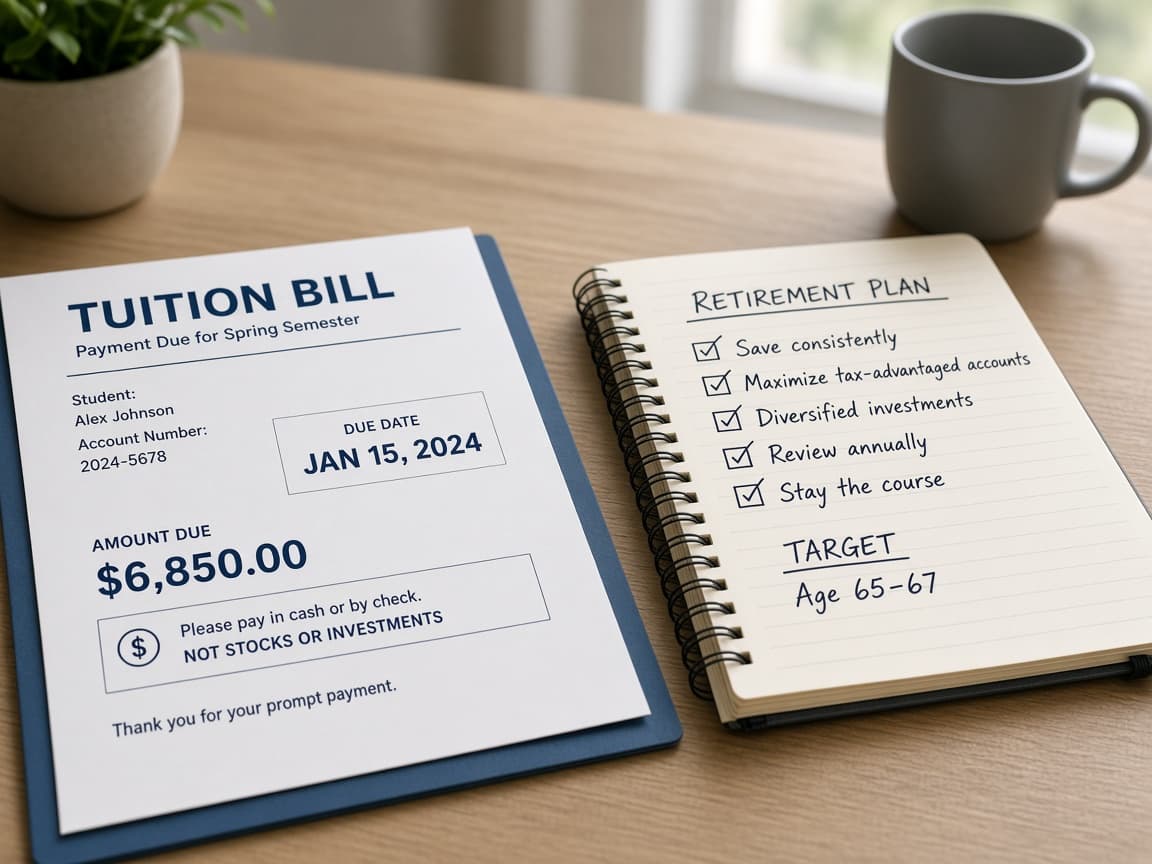
Label money by when you need it, not by how bored it looks in checking.
Step 03
Take the employer match, then choose IRA or brokerage
Capture matched contributions when you can, then pick the account that fits the goal.
Capture matched contributions when you can, then pick the account that fits the goal. Do this step in order
3a
Contribute enough to capture the full match
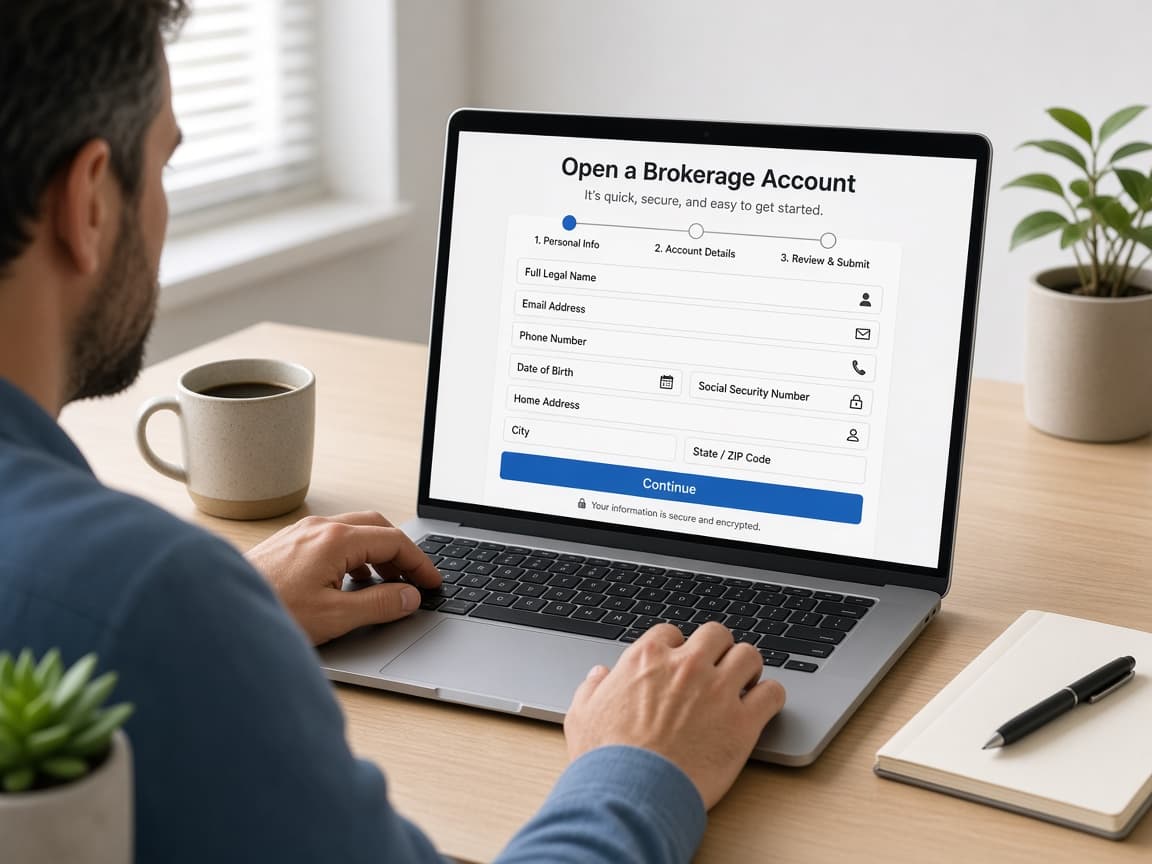
If your job offers a match, treat it as part of pay. Contribute at least enough to get the full match when you can. Read vesting rules so you know what you keep if you leave.
3b
Pick IRA or taxable brokerage for the leftover goal
Use an IRA for more retirement savings when it fits. Use a taxable brokerage for non-retirement goals. Compare fees, minimums and fund menus. Have ID and bank details ready to open and fund the account.
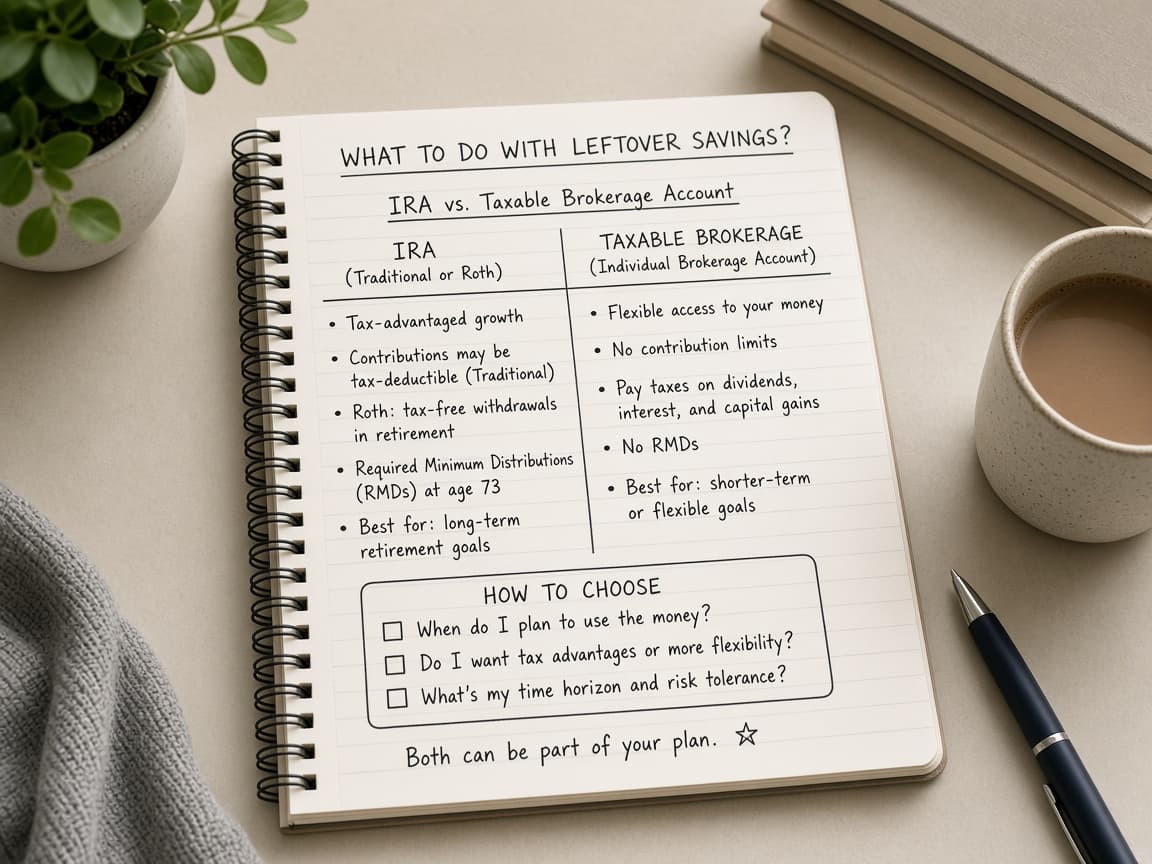
Account type follows the goal sentence you already wrote. 3c
Do not ignore the match while day-trading small sums
Common mistake: skipping the match for years while trading tiny amounts in a taxable app. Capture compensation first, then learn with money that fits the plan.
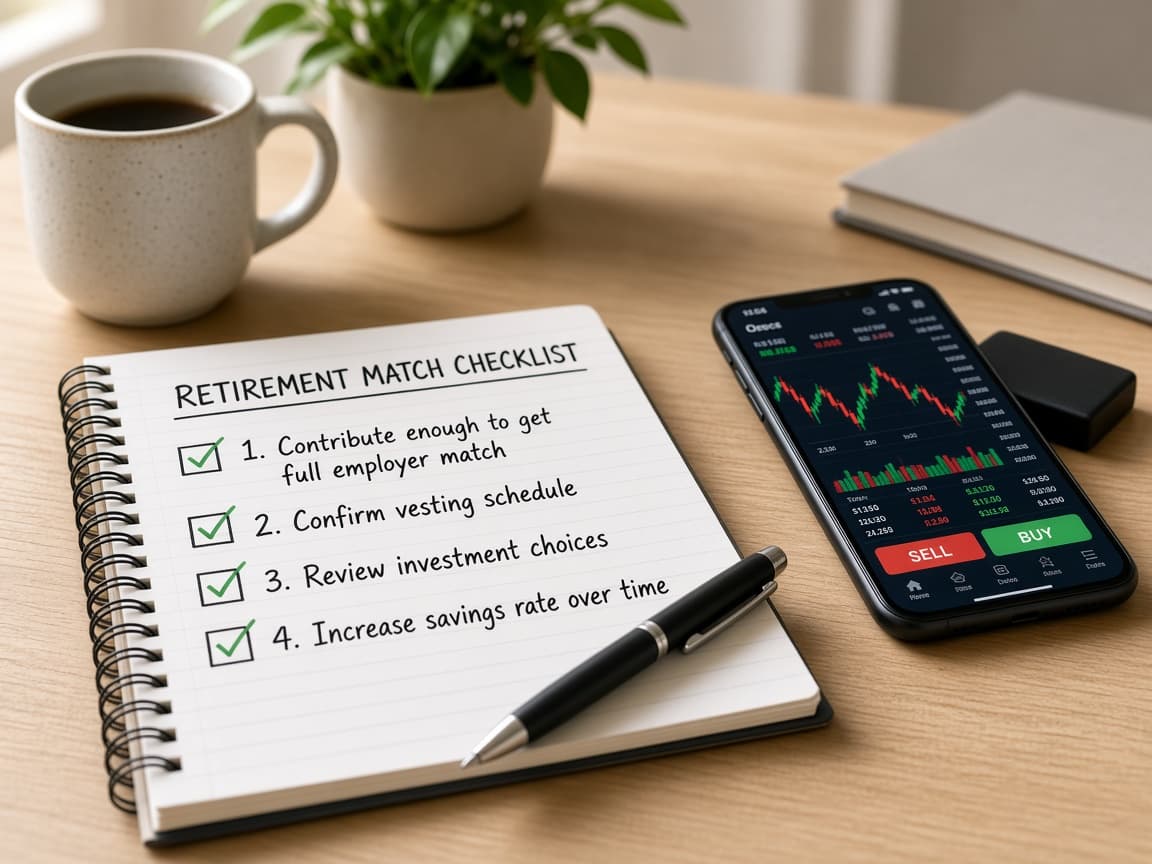
Matched contributions beat hobby trading for beginners.
Step 04
Fund with cash and skip margin while you learn
Invest cash you can leave invested. Borrowed money is a hard mode beginners do not need.
Invest cash you can leave invested. Borrowed money is a hard mode beginners do not need. Do this step in order
4a
Deposit only cash you can spare
Transfer money that will not empty checking below your buffer. You can raise contributions later. Starting small and steady beats a dramatic first deposit you regret.
4b
Turn off margin and avoid leveraged toys
Disable margin borrowing if the app offers it. Be careful with options and leveraged products marketed as beginner-friendly. They amplify losses and are not training wheels.
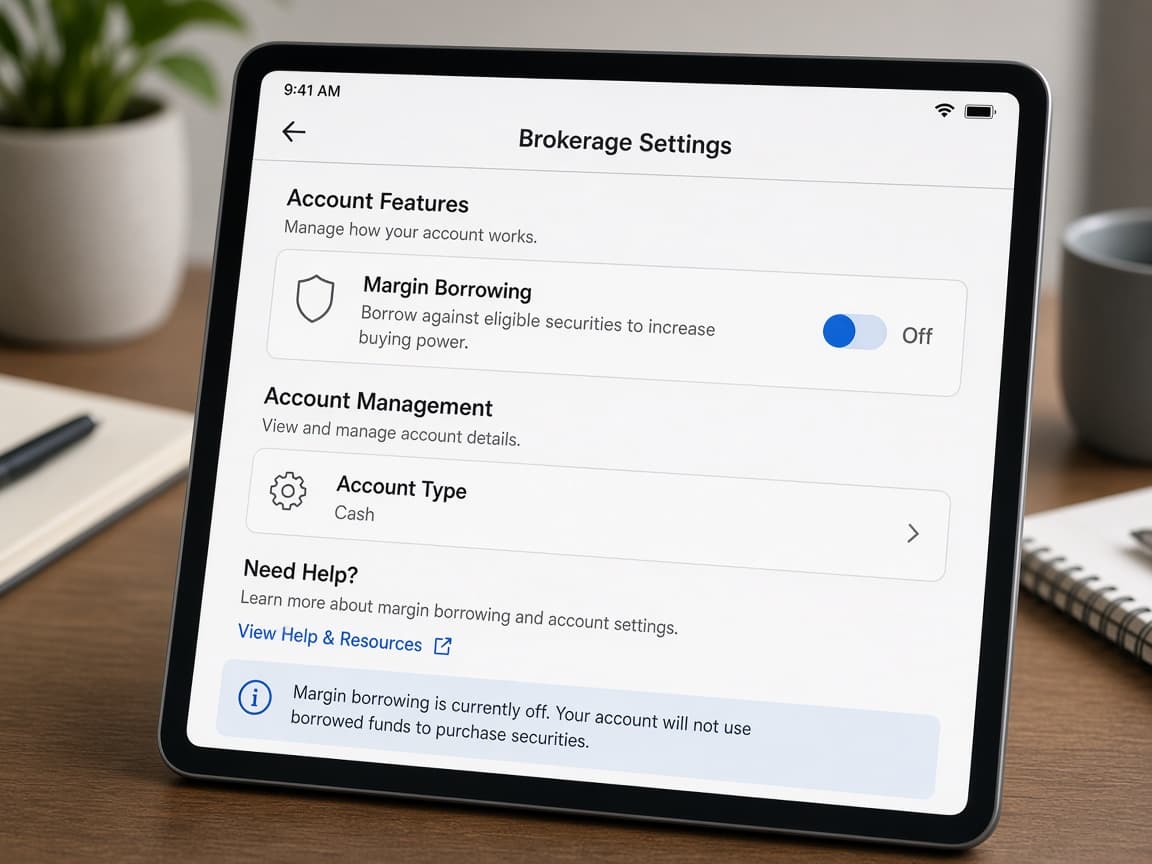
No borrowed money while you are learning the basics. 4c
Do not celebrate gains bought with debt
Common mistake: cheering a borrowed-money gain without pricing a margin call. If you need debt to feel the upside, the position is too large for a beginner.
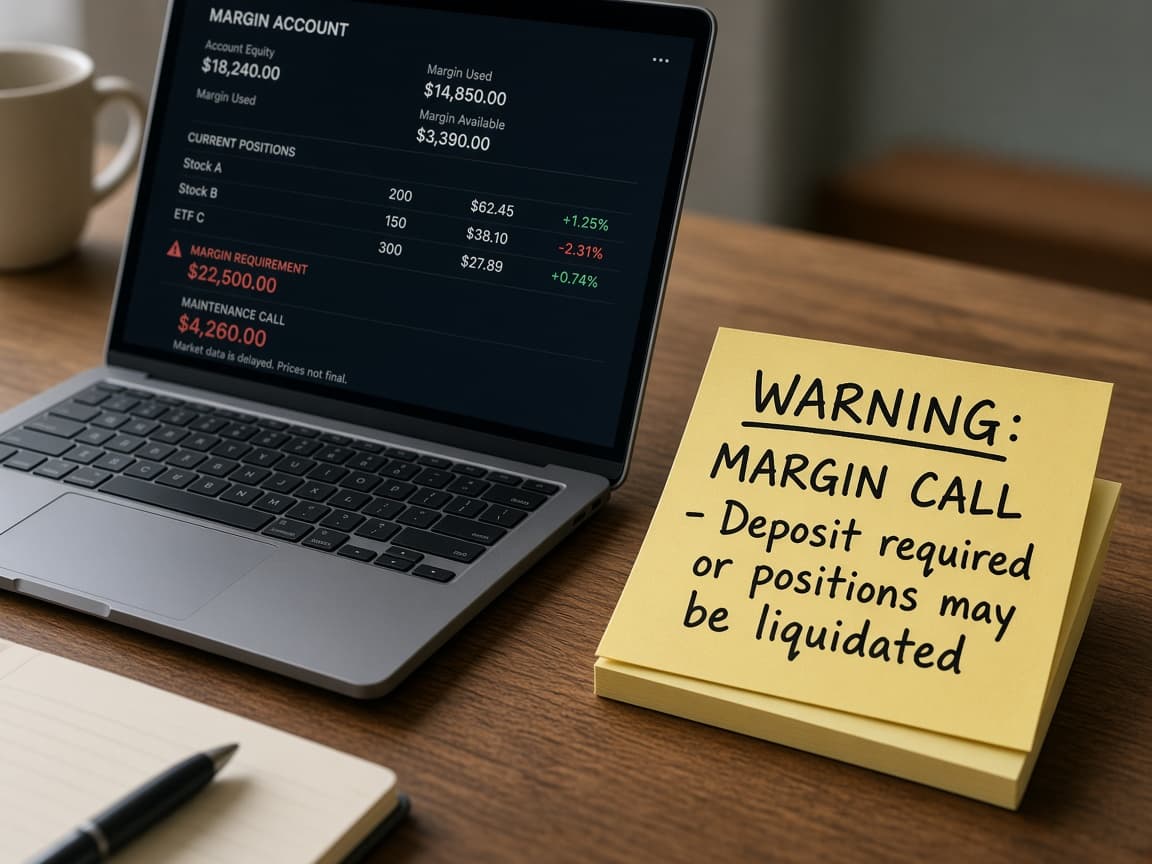
Debt-fueled upside still carries debt-fueled downside.
Step 05
Choose low-cost index funds or ETFs, not a stock-picking hobby
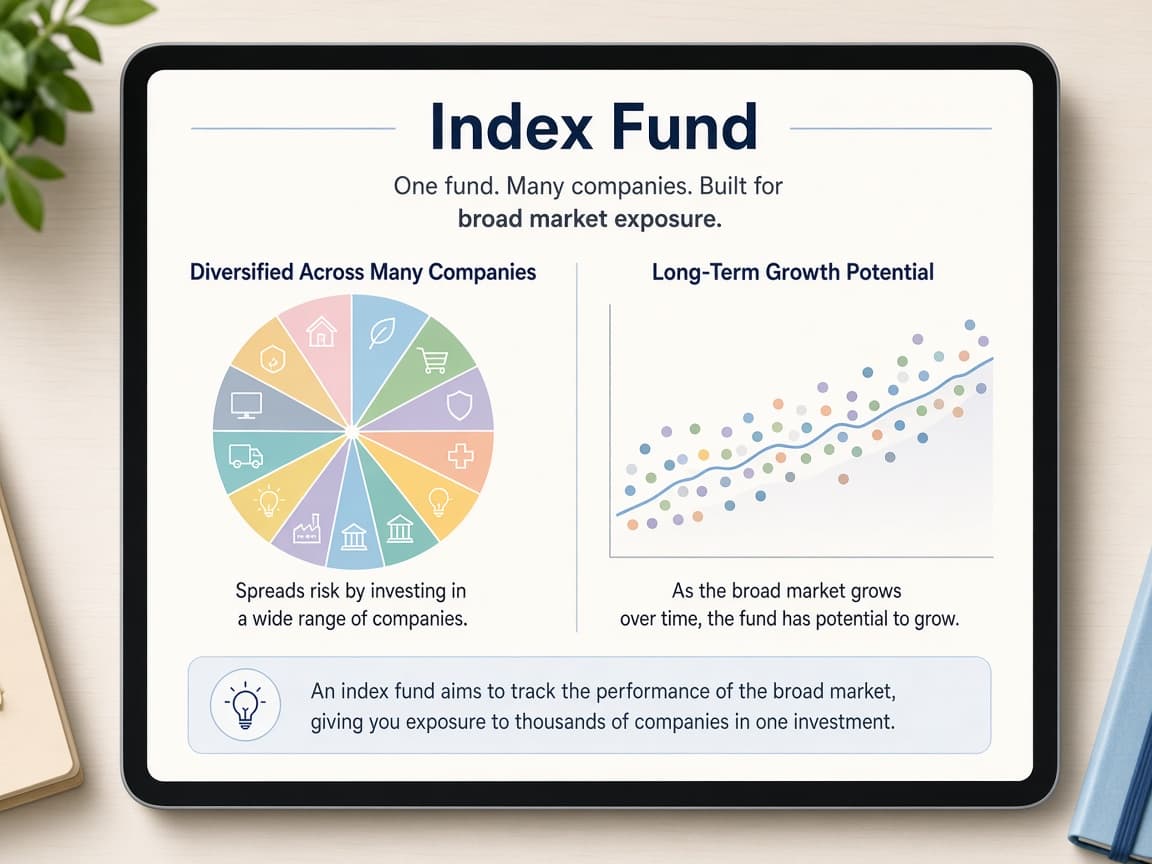
A low-cost broad index fund is a practical default while you learn.
A low-cost broad index fund is a practical default while you learn. Do this step in order
5a
Pick a broad stock index fund or ETF
Prefer a total-market or S&P 500 style fund, plus a broad bond fund when your plan calls for it. Read the fund objective so you know what you own. Diversification here means many companies inside one fund.
5b
Check the expense ratio before you buy
Lower ongoing fees leave more of the return with you. Compare similar funds on cost and coverage, not on last month's chart fireworks.
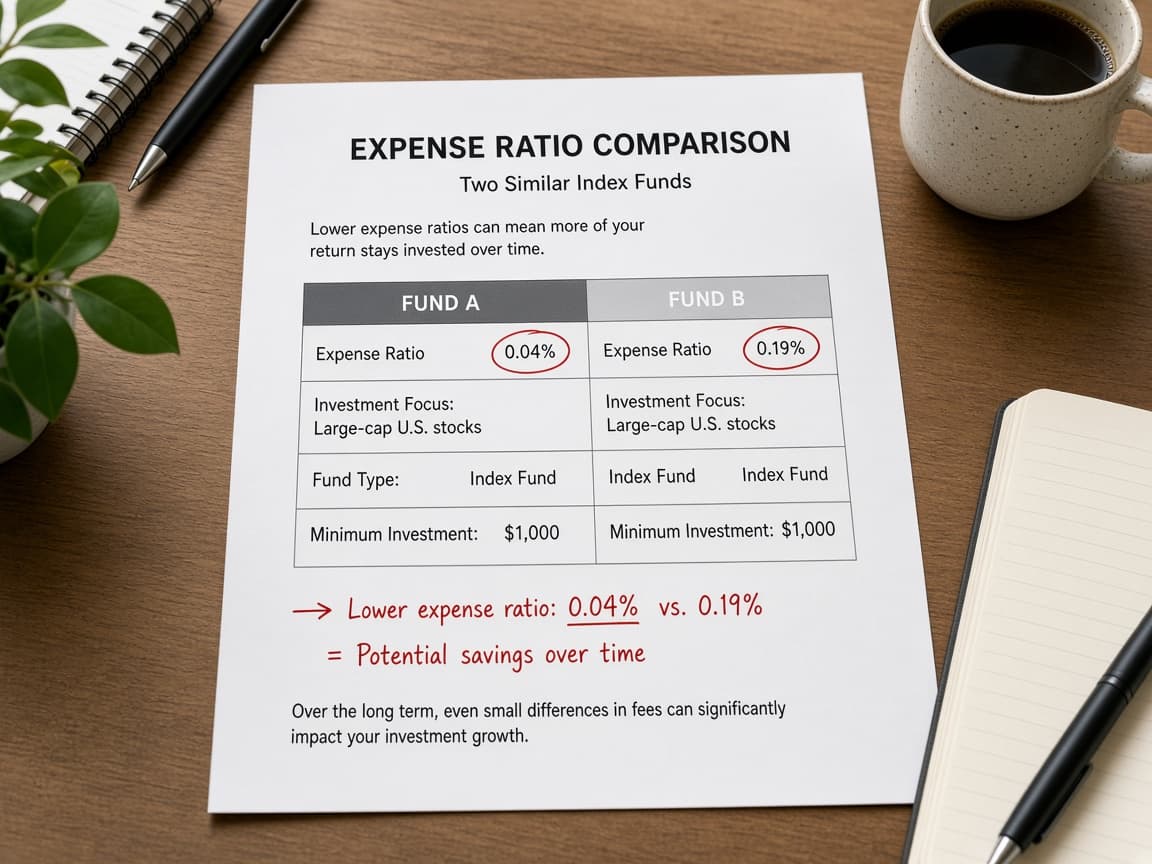
Fees are the part of performance you can control up front. 5c
Do not confuse overlapping tech stocks with diversification
Common mistake: owning twelve related stocks and calling it diversified. A crash in one theme can hit all of them together. Broad index exposure is the simpler beginner default.
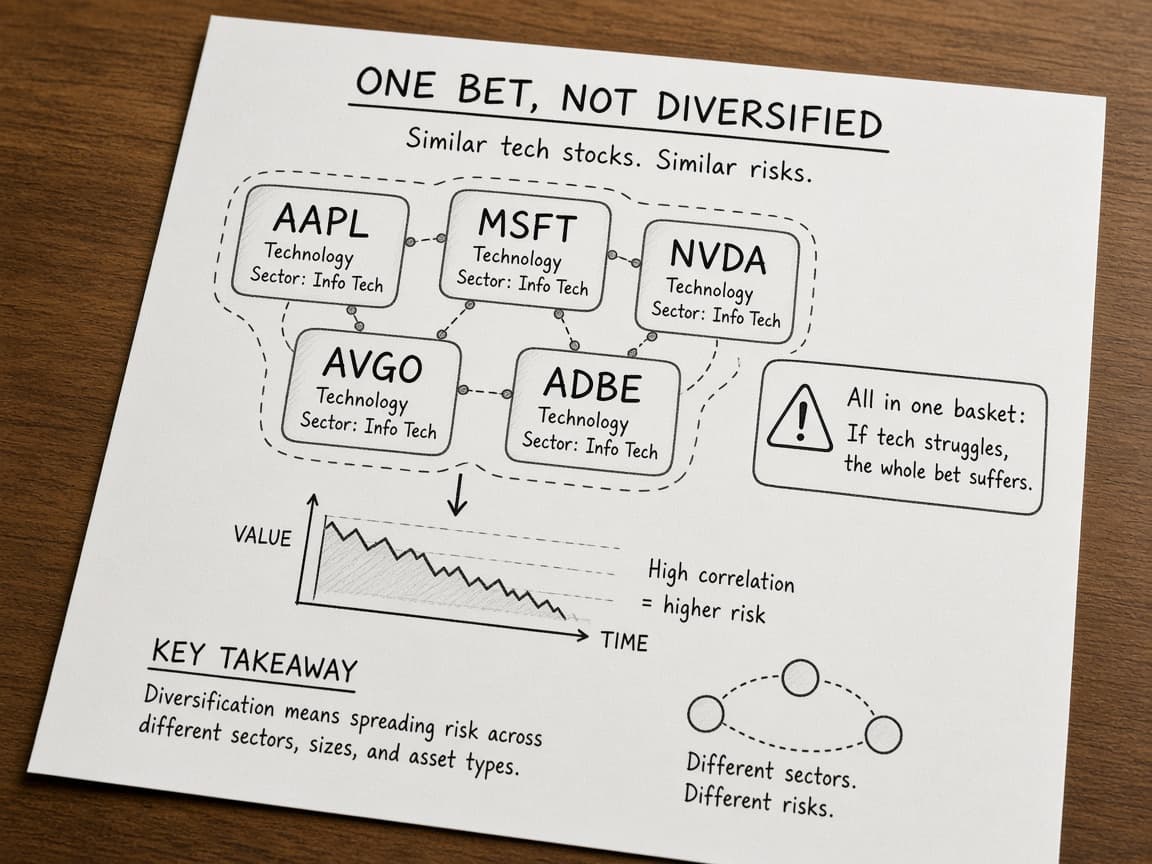
Many tickers can still be one bet.
Step 06
Automate contributions and review rarely
Automate the contribution, then give the plan years to work.

Automate the contribution, then give the plan years to work. Do this step in order
6a
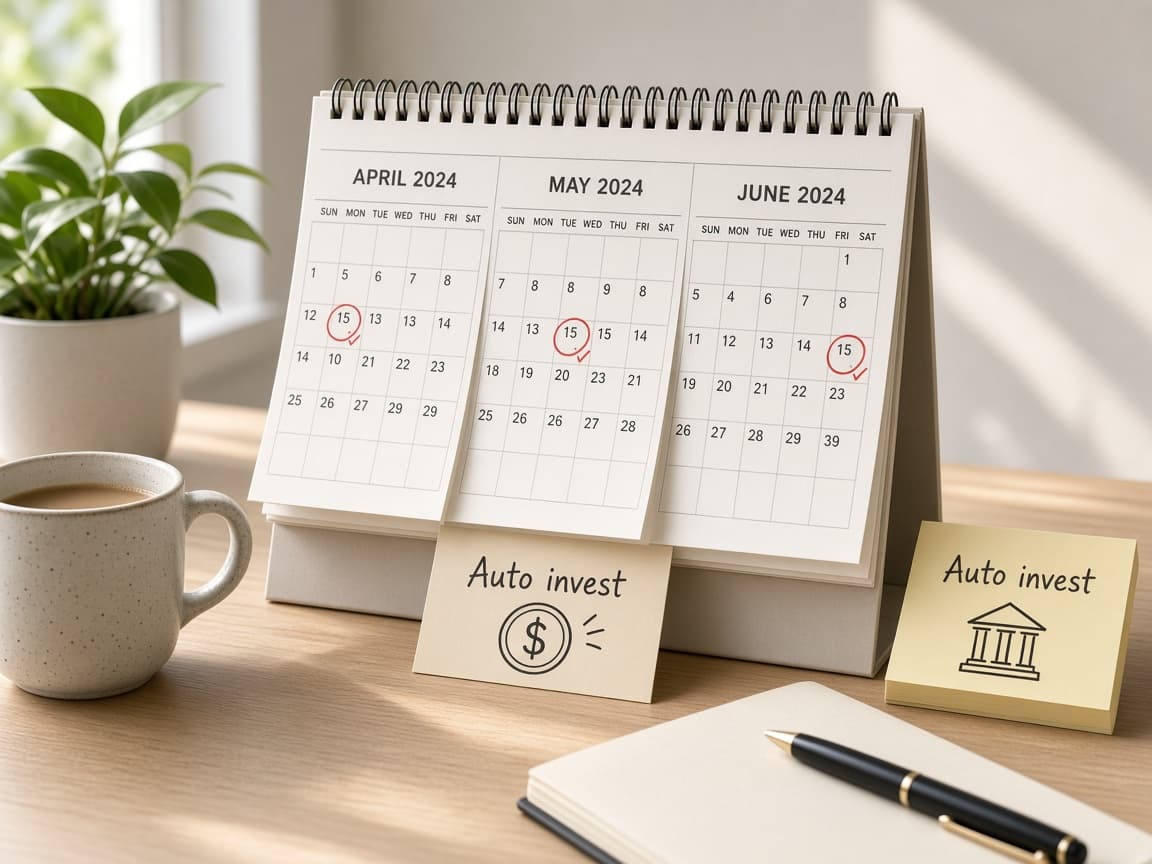
Schedule payday transfers into your fund
Set an automatic bank transfer and an automatic investment into your chosen fund if the platform allows. Consistency matters more than perfect timing.
6b
Review once or twice a year, not daily
Check fees, contribution rate and whether your goal date changed. Rebalance only if your plan calls for it. Daily price checking often tempts panic selling.
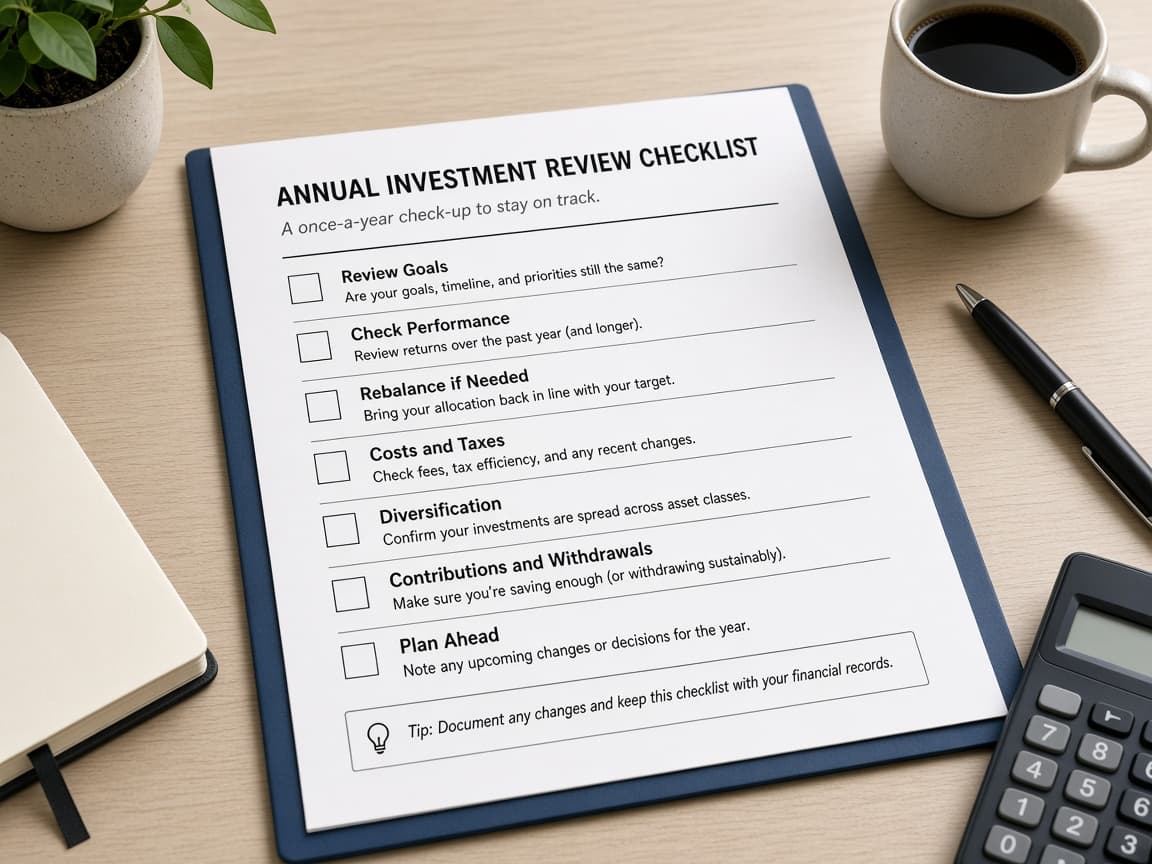
Rare reviews protect you from your own refresh button. 6c
Keep contributing after the first drop
Common mistake: stopping contributions after the first market drop, which trains you to buy only when prices feel comfortable. Keep learning from primary investor-education sources, not tip channels. You can lose money; this is not a guarantee.
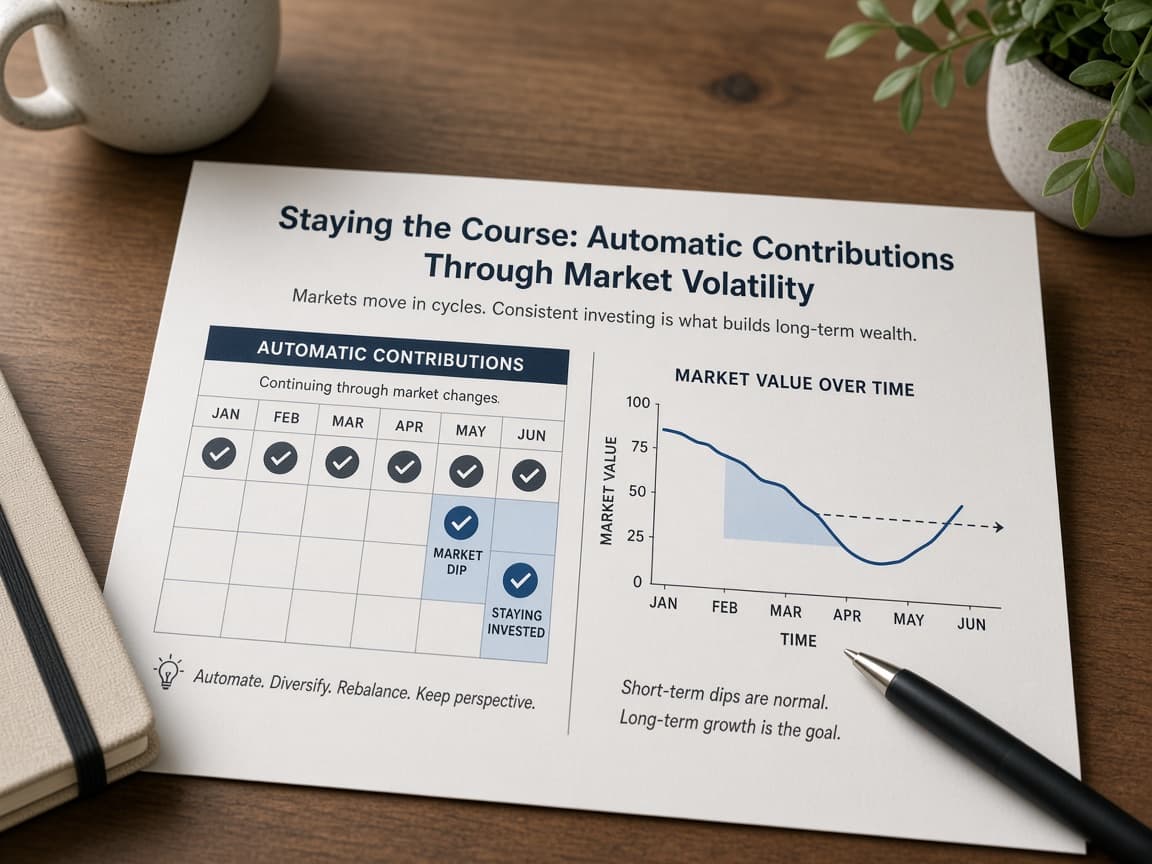
The habit is the strategy. Tips are noise.
Done when
- Emergency fund started and high-interest debt plan clear
- Goal and time horizon written
- Employer match captured if available
- IRA or brokerage opened with identity verification complete
- Low-cost index fund or ETF chosen
- Automatic contribution scheduled
Eagle Frame’s takeaway: beginners start investing after a cash buffer and a plan for costly debt, not before. Use matches and tax-advantaged accounts when they fit, buy diversified low-cost funds with cash and automate contributions. This is education, not a promise of returns. You can lose money, so keep learning from primary sources and get personal advice when you need it.