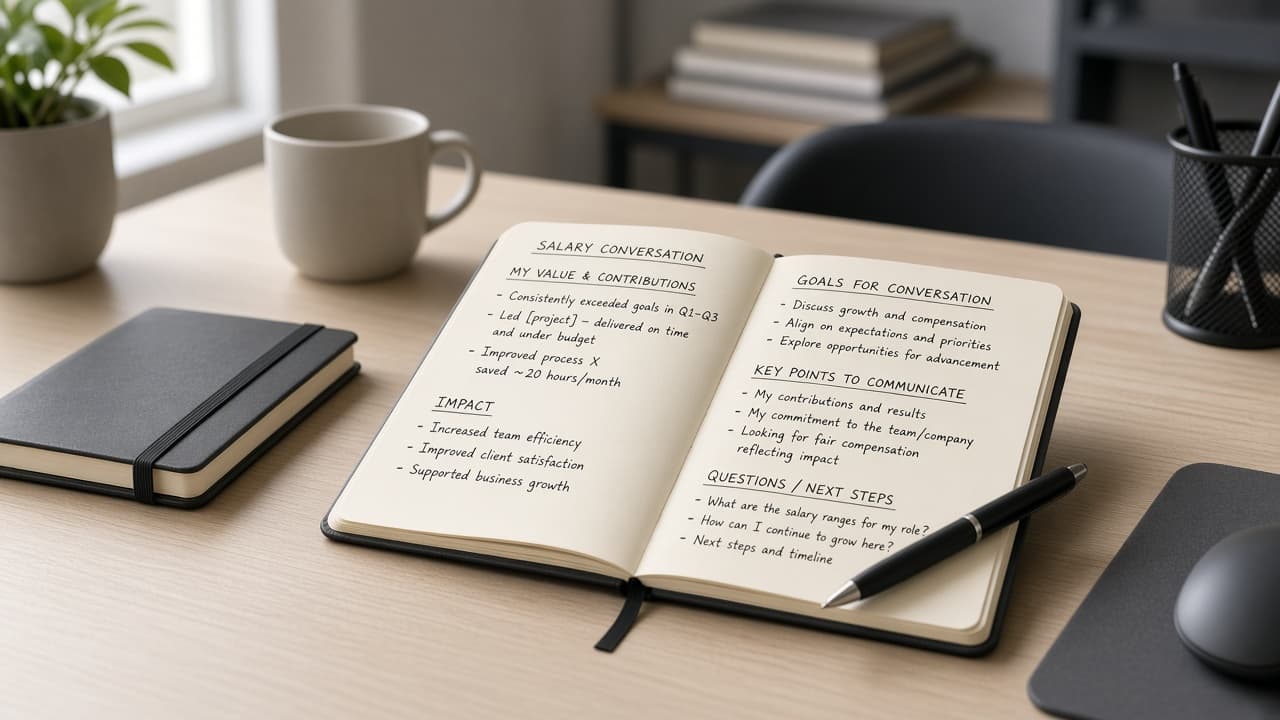
How to ask for a raise with evidence and a clear number
Time the conversation before budget decisions, gather market data and quantified wins, ask with a clear figure and follow up in writing. Silence after the ask is part of the skill.
Asking for a raise works better as a short project than as a burst of courage in the hallway. You pick timing that respects budget cycles, gather proof of your impact, check what similar roles pay and walk in with a clear number. Then you listen.
Managers rarely invent money on the spot. Your job is to make a documented case that is easy to champion upward. If the answer is no or not now, you still leave with a path: what would need to be true, by when and how you will follow up.
This guide assumes you are an employee in good standing having a normal compensation talk. Union contracts, public-sector steps and some companies have rigid bands; adapt to your rules. Illegal retaliation for discussing pay with coworkers is a separate issue. Know your local law and HR policy.
Practice the script aloud once. You want calm specificity, not an apology essay or a threat to quit unless you are truly ready to act on it.
Step-by-step guide
Time: 1 to 2 weeks to gather evidence; one 30-minute meeting
What you need
- List of wins with dates and metrics
- Market salary data from reputable sources
- Job description and any goals documents
- Email to schedule the meeting
- Notebook for their response and next steps
Before you start
- Do not bluff about another offer you do not have.
- Avoid ambushing your manager in a public channel or right after a company bad-news meeting.
Step 01
Time the ask before budgets lock
Start before numbers freeze. Managers need time to advocate.
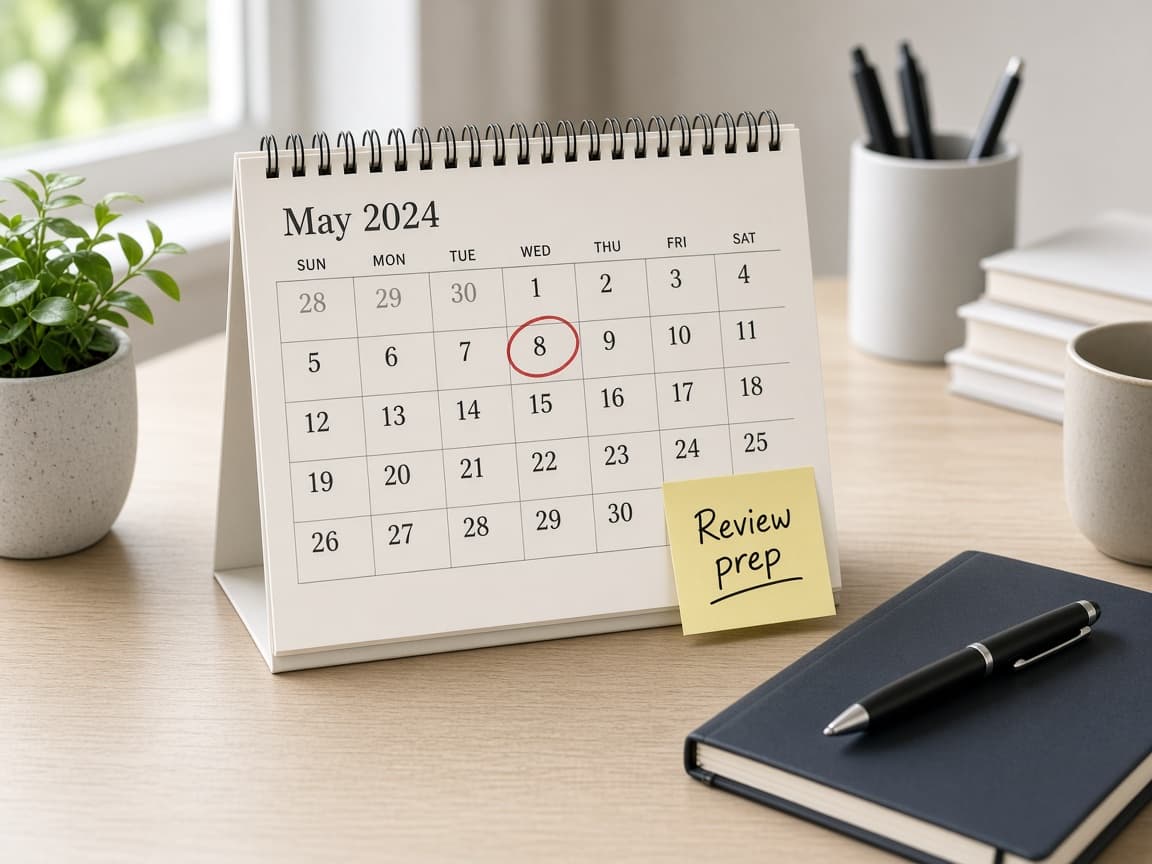
Start before numbers freeze. Managers need time to advocate. Do this step in order
1a
Learn when compensation decisions are made
Ask your manager or HR whether raises land at annual review, fiscal planning or mid-year. Start a few weeks before those decisions harden, not the day after numbers were submitted.
1b
Use off-cycle moments only with clear triggers
New scope, a strong review or a real competing offer can justify an off-cycle talk. Still give your manager time to prepare. Do not demand an answer in the hallway.
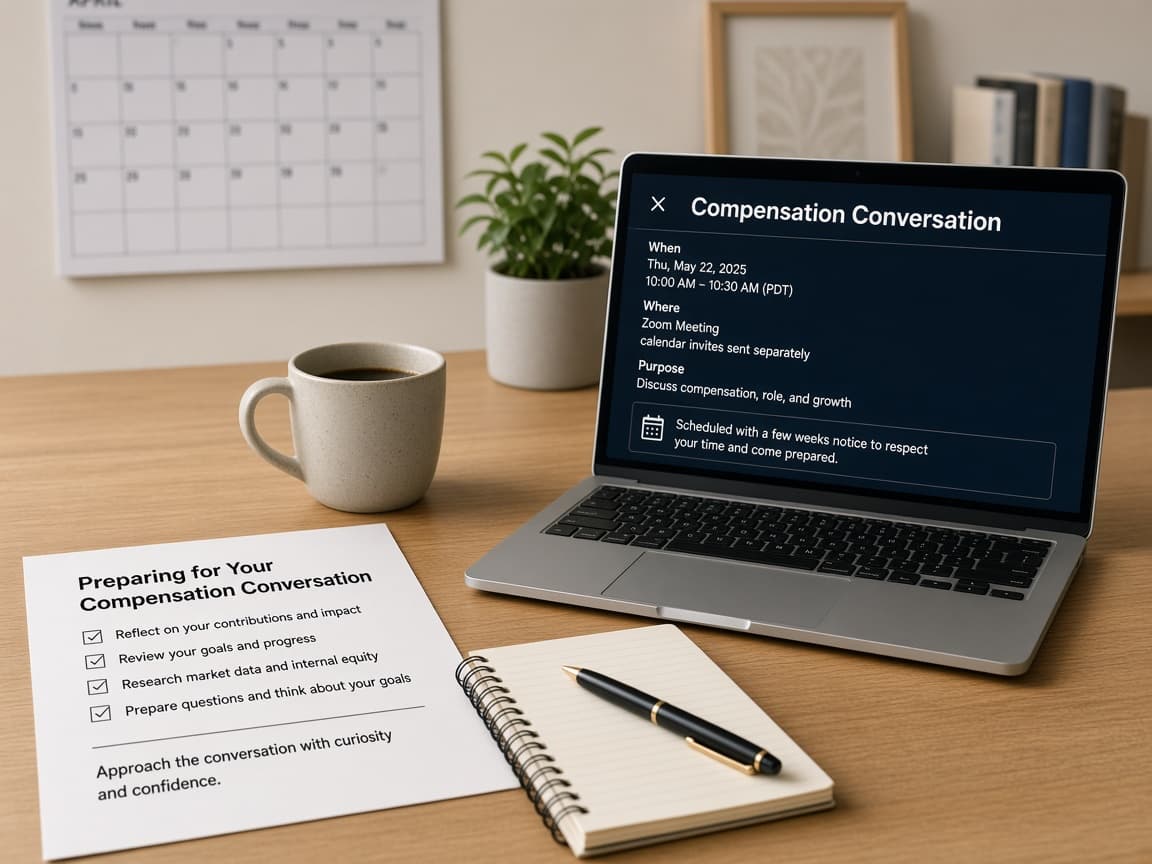
Even urgent cases deserve a scheduled conversation. 1c
Avoid asking from burnout and anger
Common mistake: waiting until you are exhausted, then sounding like an ultimatum. If you need a pause to cool down, take it. A calm case travels farther up the chain.
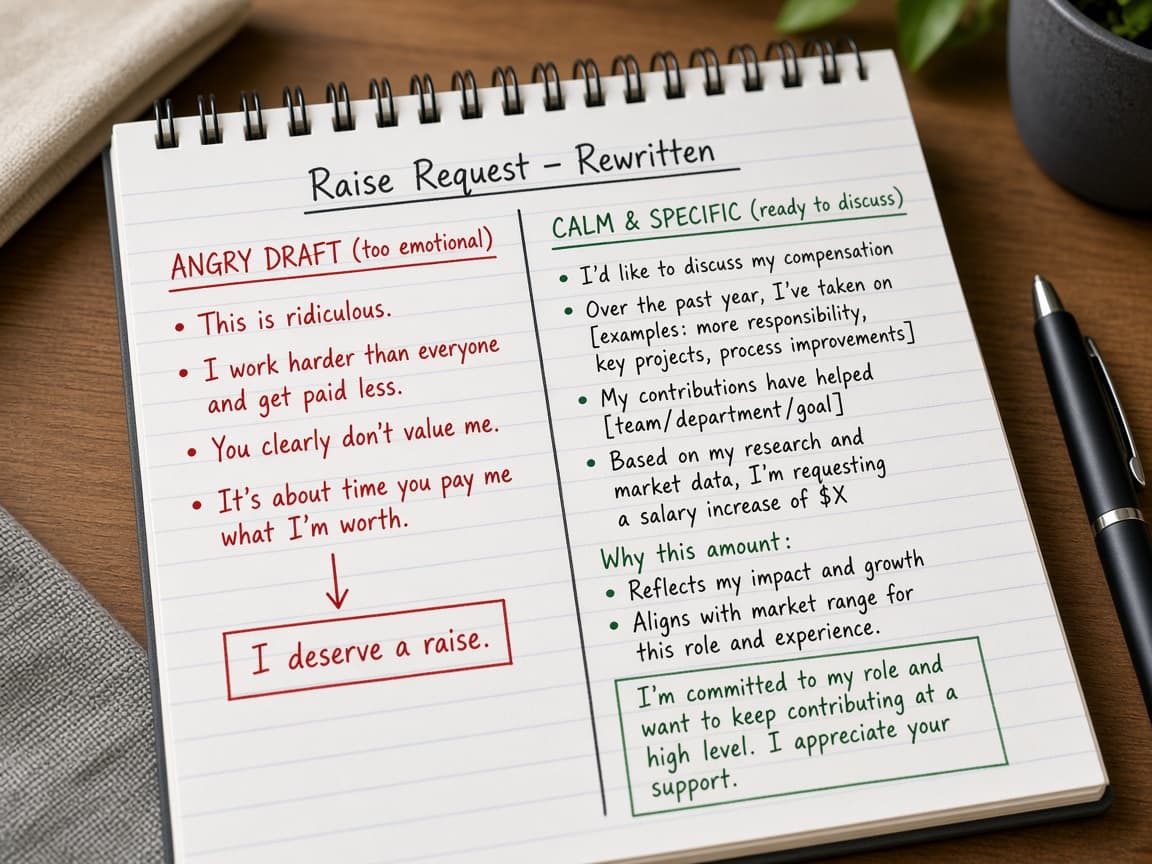
Tone is part of what your manager has to champion.
Step 02
Gather market data you can explain
A defensible range beats a single aggressive number with no grounding.
A defensible range beats a single aggressive number with no grounding. Do this step in order
2a
Collect ranges for title, location and experience
Use reputable salary sources, associations and leveled ranges. Note a range, not a fantasy maximum. Adjust for cost of living and remote policies when they matter.
2b
Write two sentences you can say aloud
Practice: Roles like mine in this city often land between X and Y. Based on my scope, I am targeting Z. Be ready to say where the figures came from without citing a random post.
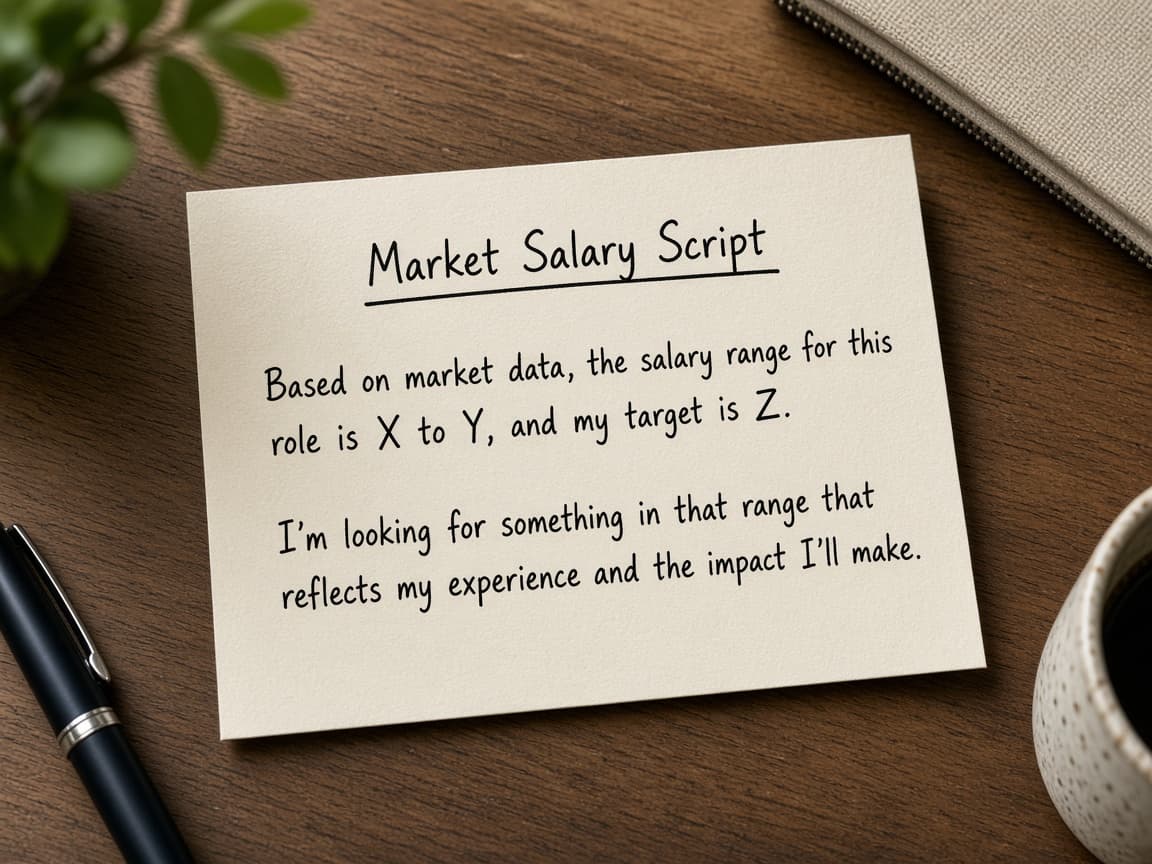
If you cannot say it calmly, the number is not ready. 2c
Do not quote an unrelated national top figure
Common mistake: citing the top of a national range for a different industry, then acting shocked at pushback. Stay inside a range you can defend for your scope and market.
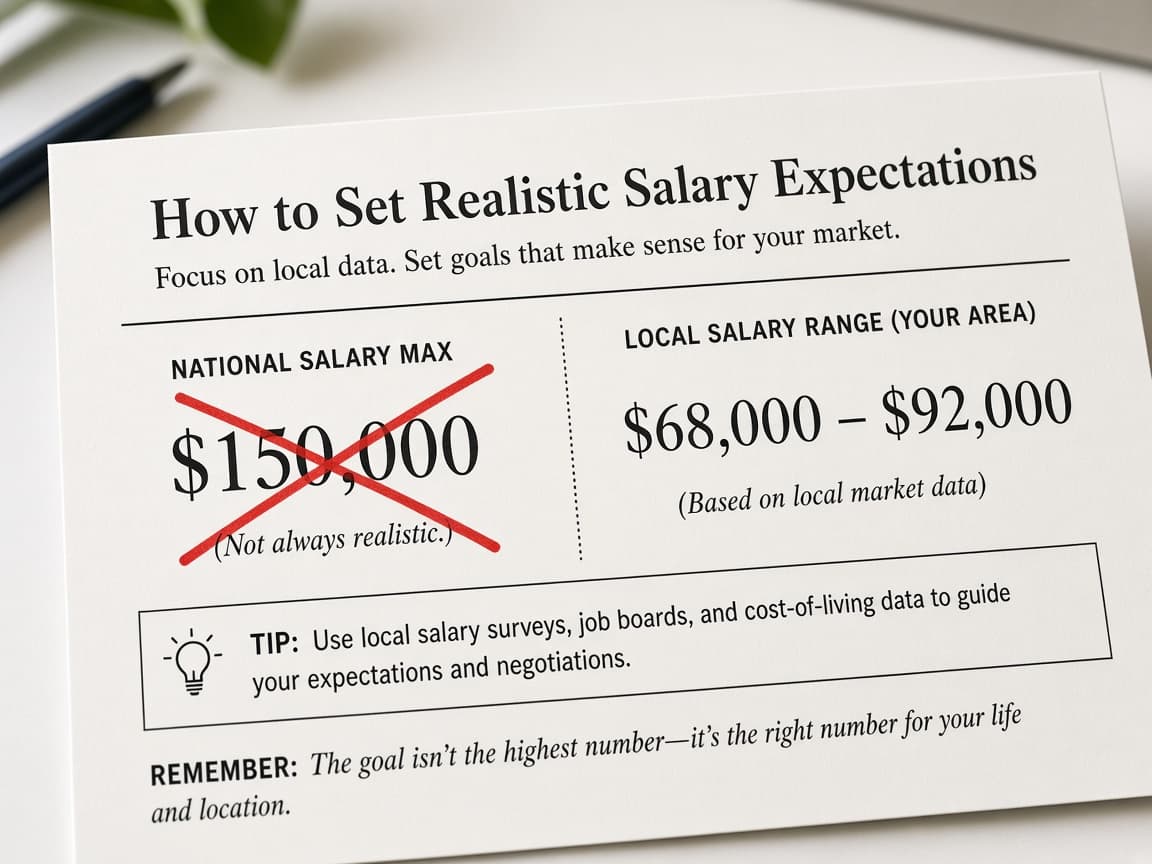
Defensible beats dramatic.
Step 03
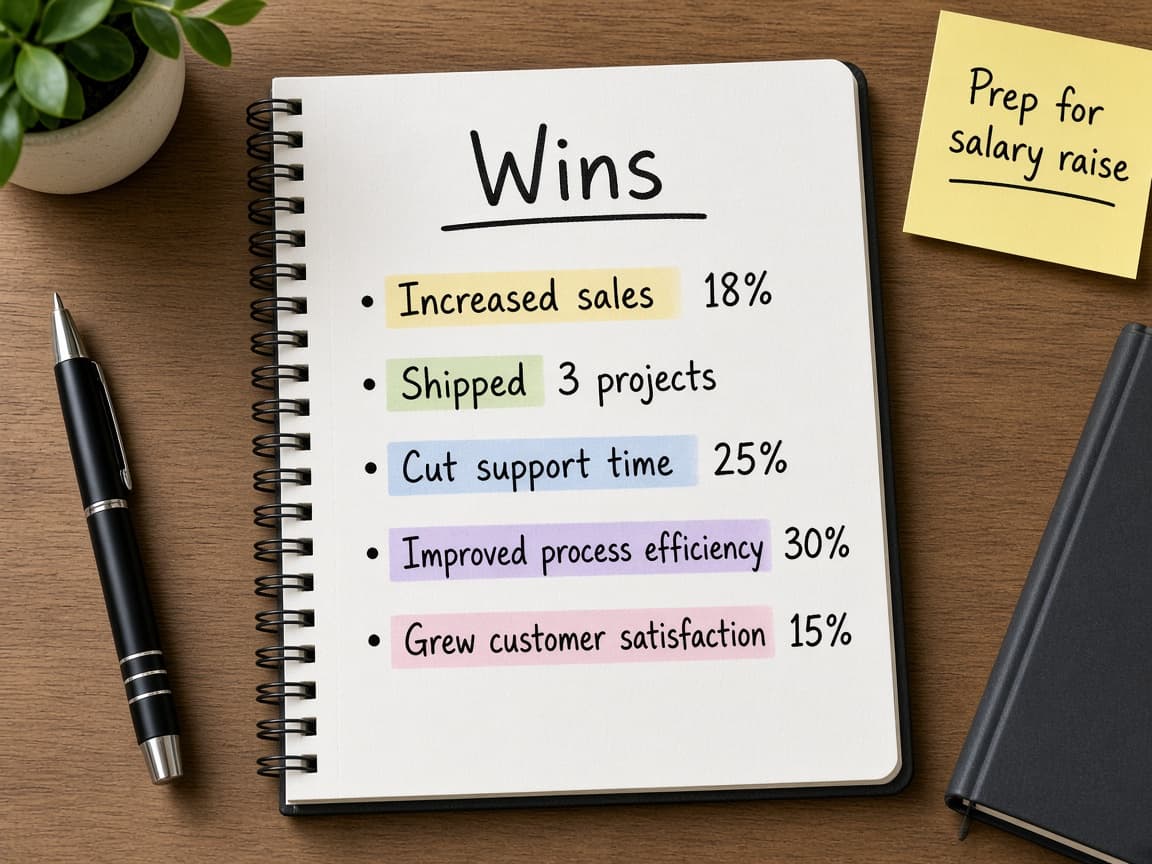
Document three to five quantified wins
Managers champion raises with proof. Give them proof they can forward.

Managers champion raises with proof. Give them proof they can forward. Do this step in order
3a
List wins with numbers and dates
Tie achievements to team goals: revenue, cost, time, quality, people developed or risk reduced. Example: Reduced average ticket handle time 18% between February and June while keeping CSAT above 90%.
3b
Show scope that grew past the original job description
Match wins to responsibilities you absorbed. Add customer quotes or project outcomes when you have them. Keep the whole list to one page so it gets read.
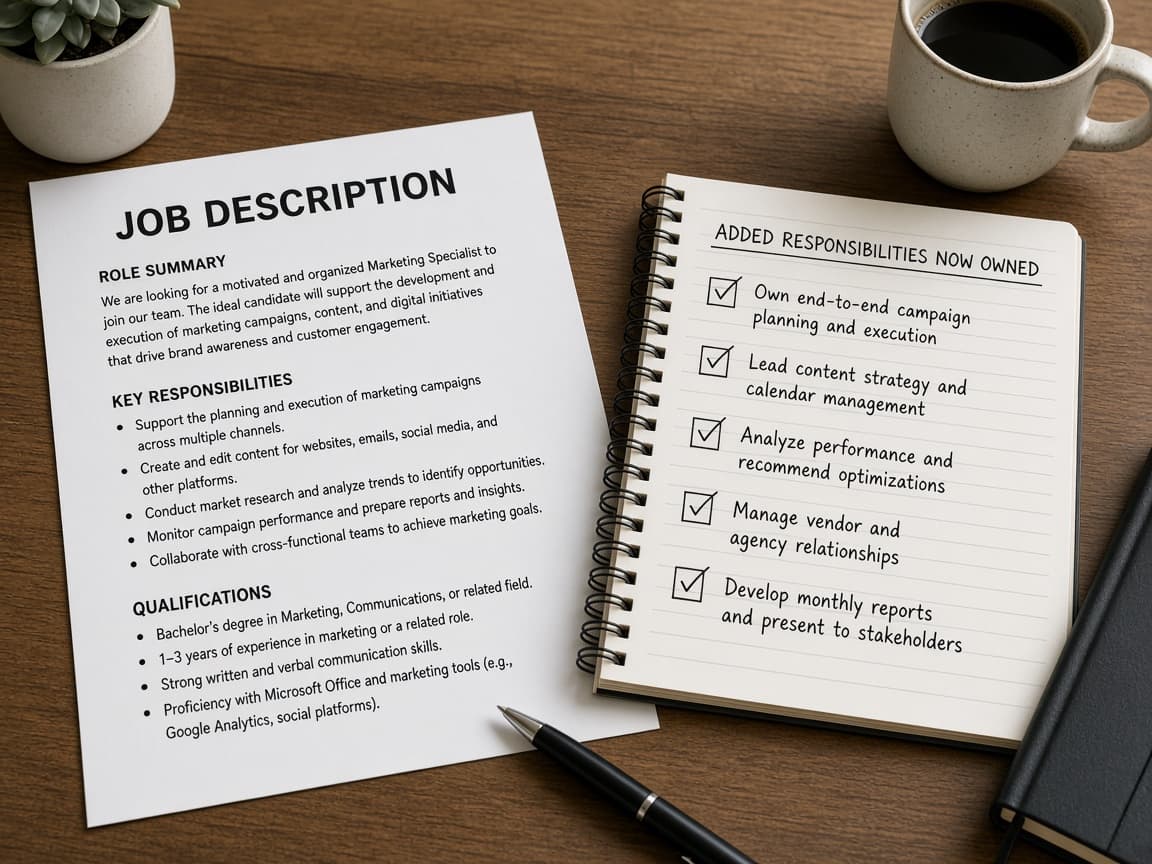
Scope creep you handled is part of the compensation case. 3c
Replace effort stories with outcome stories
Common mistake: saying you worked weekends without outcomes the business values. Translate effort into results your manager can put in an approval email.
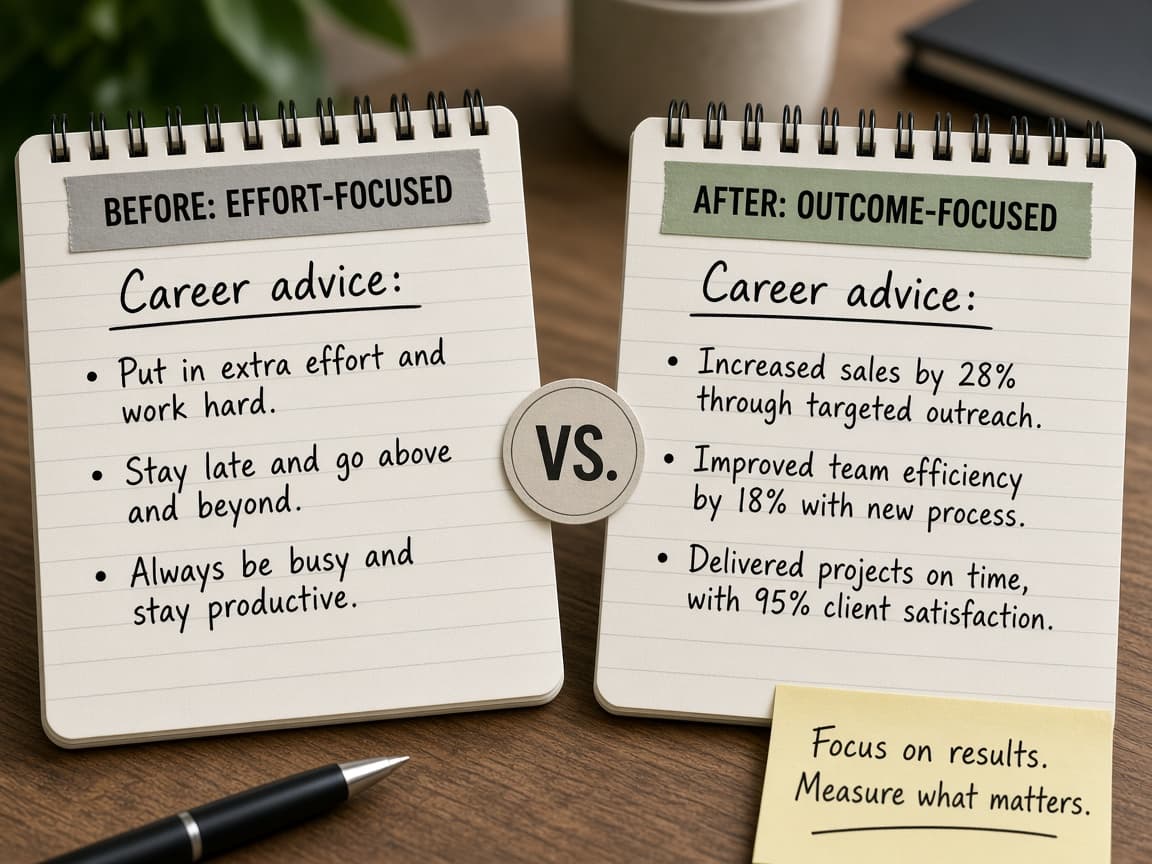
Outcomes travel. Exhaustion stories stall.
Step 04
Email to schedule; do not negotiate in the subject line
Schedule a real conversation. Save the case for the meeting and a one-page leave-behind.
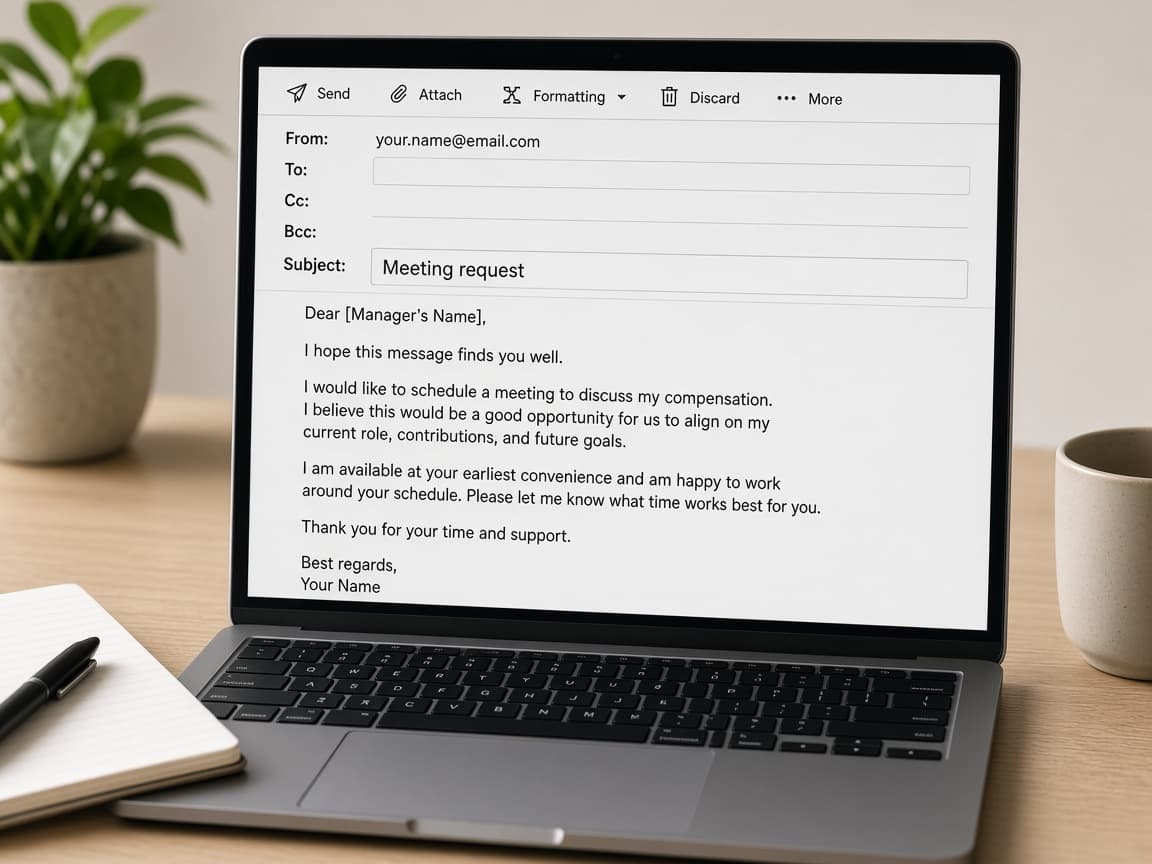
Schedule a real conversation. Save the case for the meeting and a one-page leave-behind. Do this step in order
4a
Send a short meeting request with a clear purpose
Example: I would like 30 minutes to discuss my role, impact and compensation. Offer a couple of times. Do not put your target salary in the subject line.
4b
Share a one-page summary the day before if they like reading ahead
Attach or paste the wins page if your manager prefers prep time. Bring a paper copy to the meeting either way.
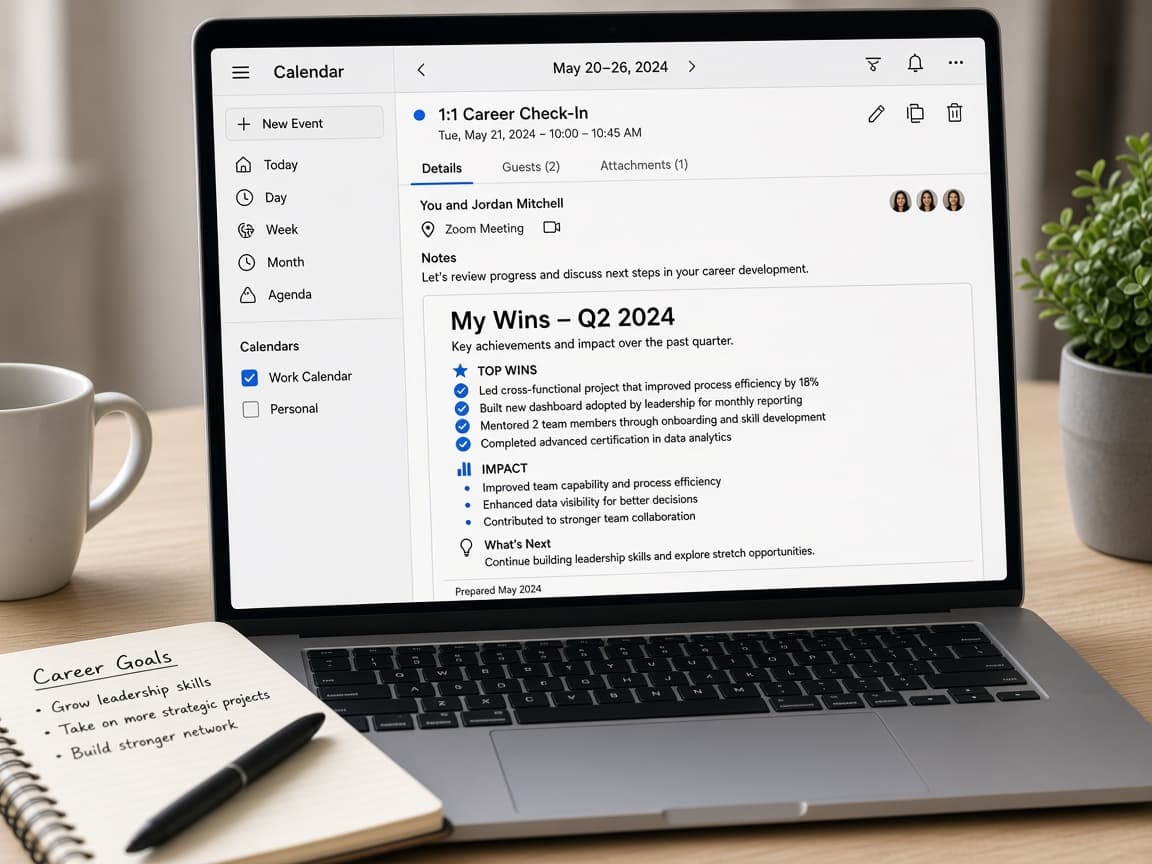
A leave-behind helps them advocate after you leave. 4c
Avoid a long email that invites a written no
Common mistake: a multi-paragraph argument that forces them to reject you in writing before you have spoken. Keep the ask for the live conversation.
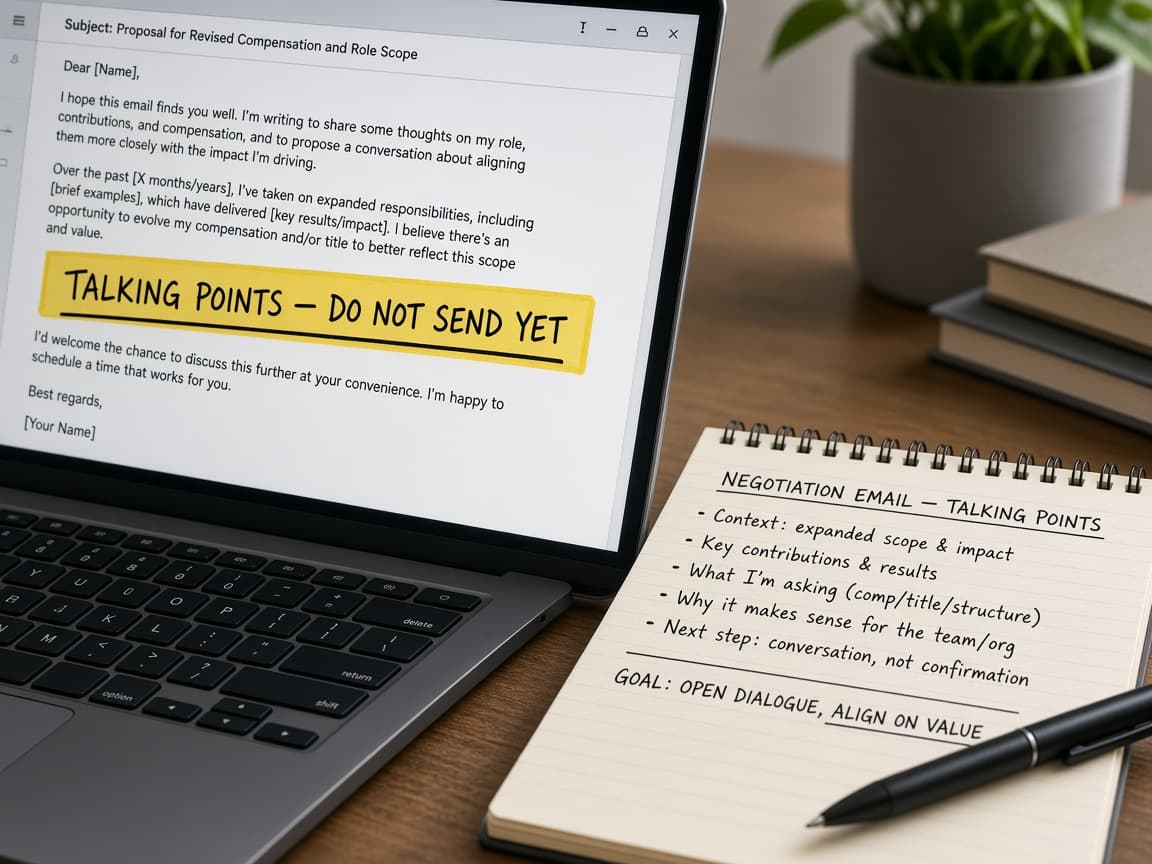
Talk first. Summarize in writing after.
Step 05
Deliver a clear script, then stay quiet
State the number clearly, then listen. Do not negotiate against yourself in the pause.

State the number clearly, then listen. Do not negotiate against yourself in the pause. Do this step in order
5a
Open with purpose, wins, market and a specific number
Thank them, state why you are there, summarise two or three wins, cite the range briefly and ask for a specific number or band. Example: I am requesting an increase to $X, which is a Y% rise near the middle of the market range for this scope.
5b
Stop talking after the ask
Silence is uncomfortable and useful. Let them respond. Answer questions with facts. If they need time, ask when you should follow up. Decide your walk-away and acceptable middle before you enter.
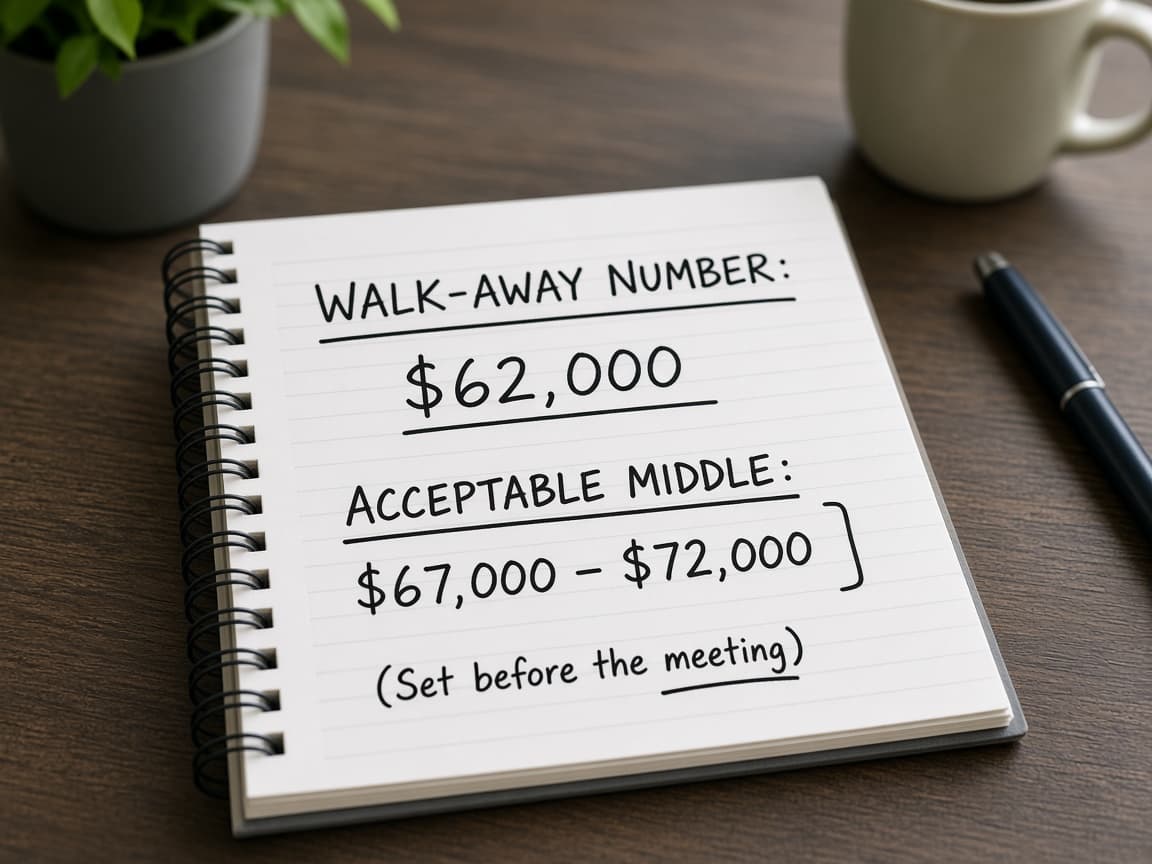
Pre-decide your range so silence does not invent a discount. 5c
Do not fill silence with "anything helps"
Common mistake: negotiating against yourself before they speak. Hold the number. Clarifying questions are fine. Premature discounts are not.
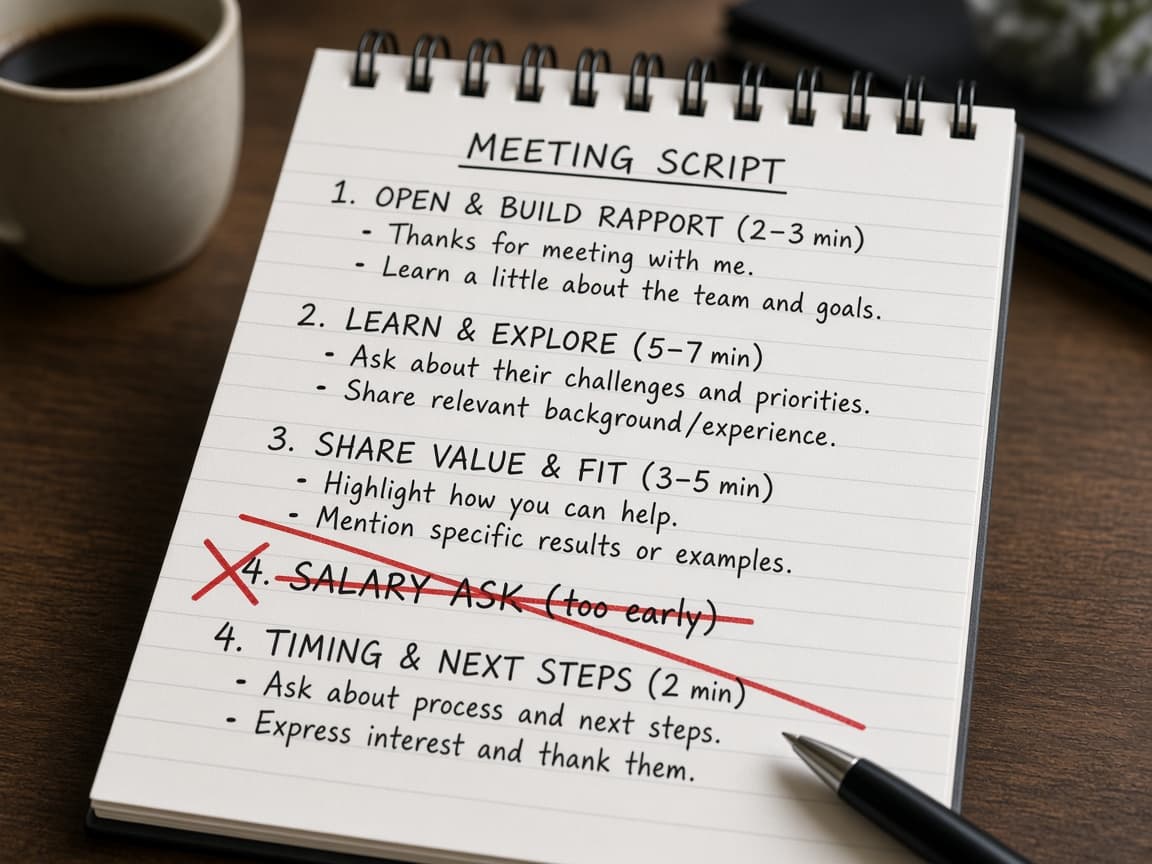
Let their response land before you move.
Step 06
Follow up after yes, no or not now
Write down the outcome and the next date. Ambiguity favors delay.
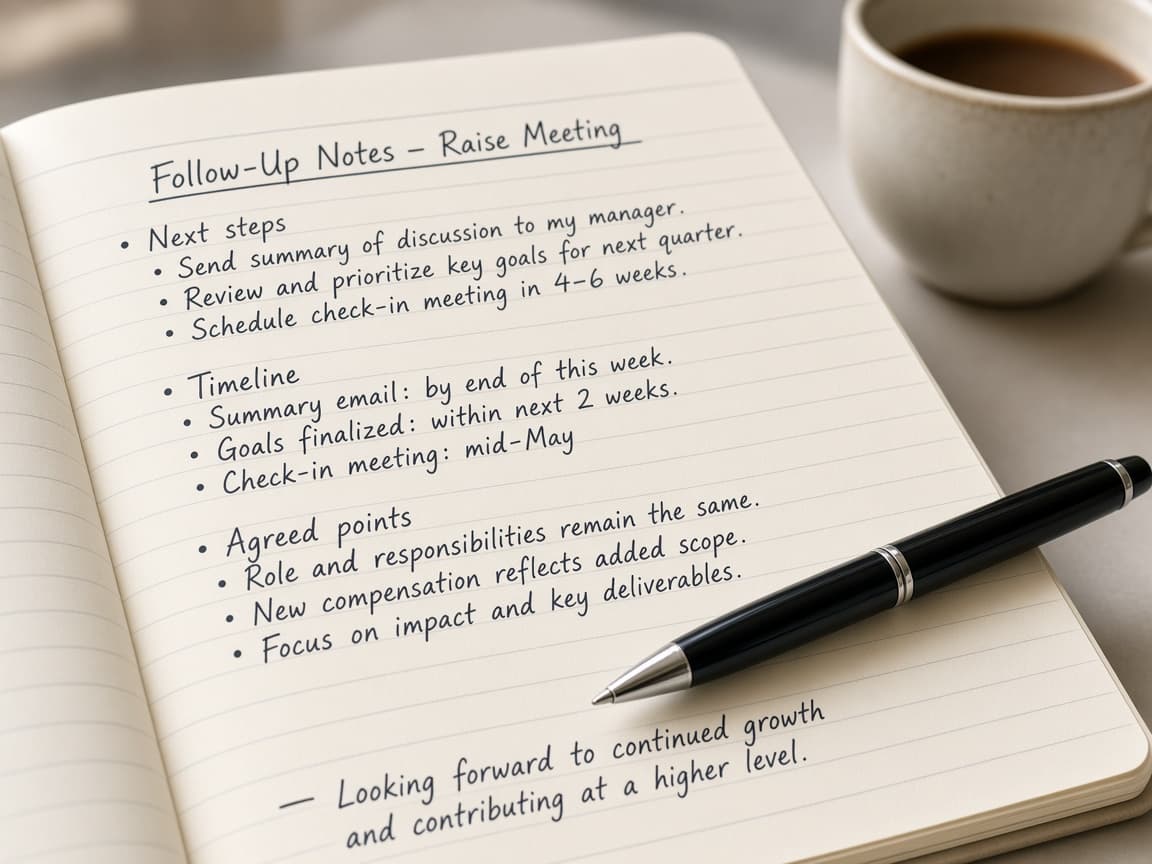
Write down the outcome and the next date. Ambiguity favors delay. Do this step in order
6a
After a yes, confirm number and effective date in writing
Ask what paperwork and timing look like. Send a thank-you email that restates the agreed number and start date so payroll and memory match.
6b
After no or not now, define success and a follow-up date
Ask what specific goals or conditions would support a raise. Put a follow-up date on both calendars. Summarise that plan in email so neither of you relies on memory.
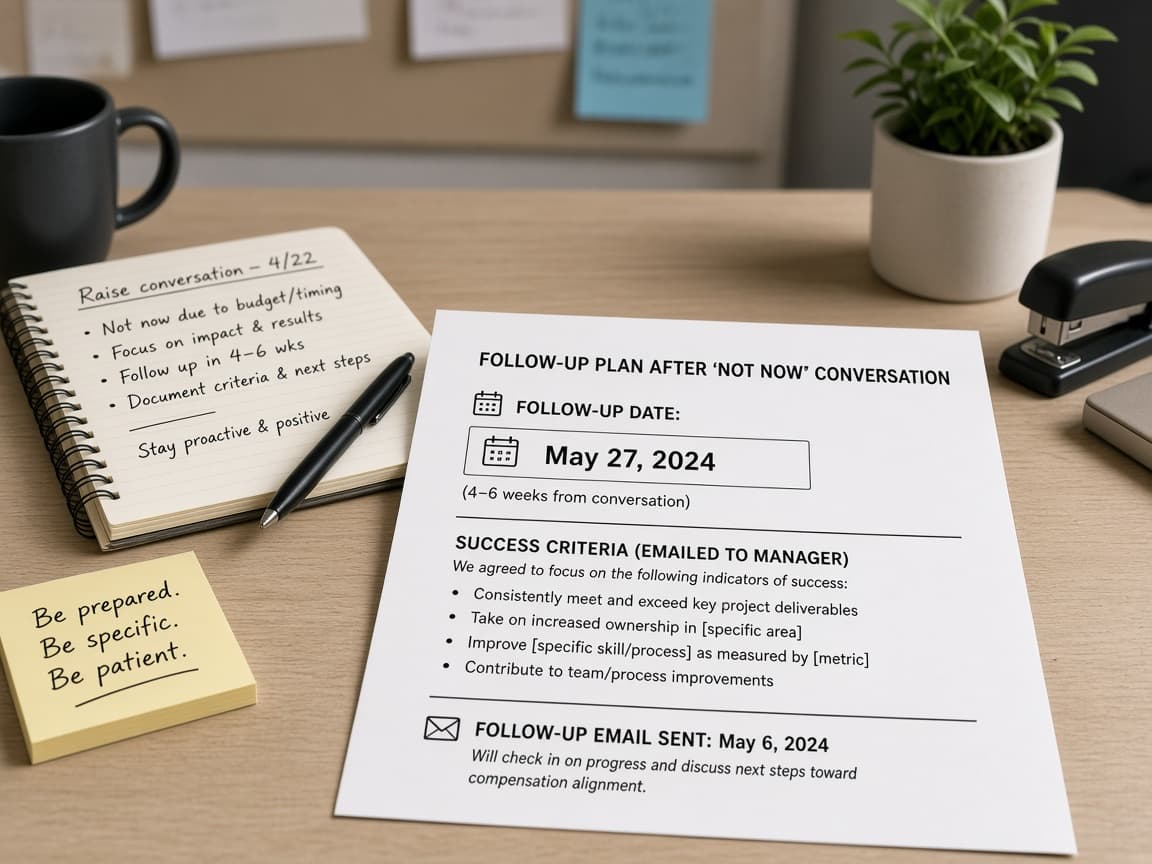
Not now still needs a next date and a definition of done. 6c
Do not vanish after a delay
Common mistake: disappearing in frustration and never booking the follow-up that was offered. Keep performing while you decide on scope changes, title review or longer-term options. Burning the bridge rarely raises the number.
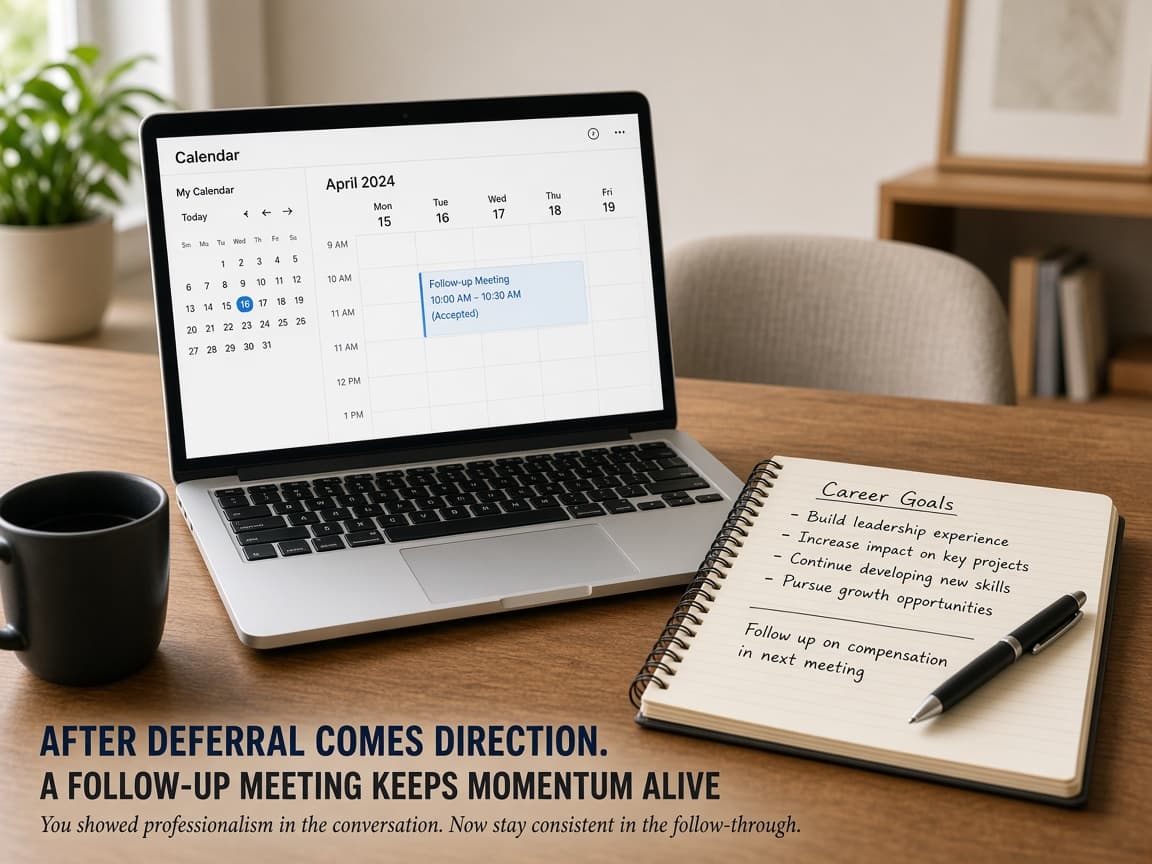
The follow-up is part of the skill, not a consolation prize.
Done when
- Timing checked against budget or review cycles
- Market range noted
- 3-5 quantified wins written
- Target number chosen
- Meeting scheduled
- Follow-up plan ready for yes, no or not now
Eagle Frame’s takeaway: a raise conversation is a case, not a confession. Time it before budgets lock, bring market context and quantified wins, ask for a clear number and follow up in writing. Whether the answer is yes, no or not now, leave with a date and a definition of success for the next talk.