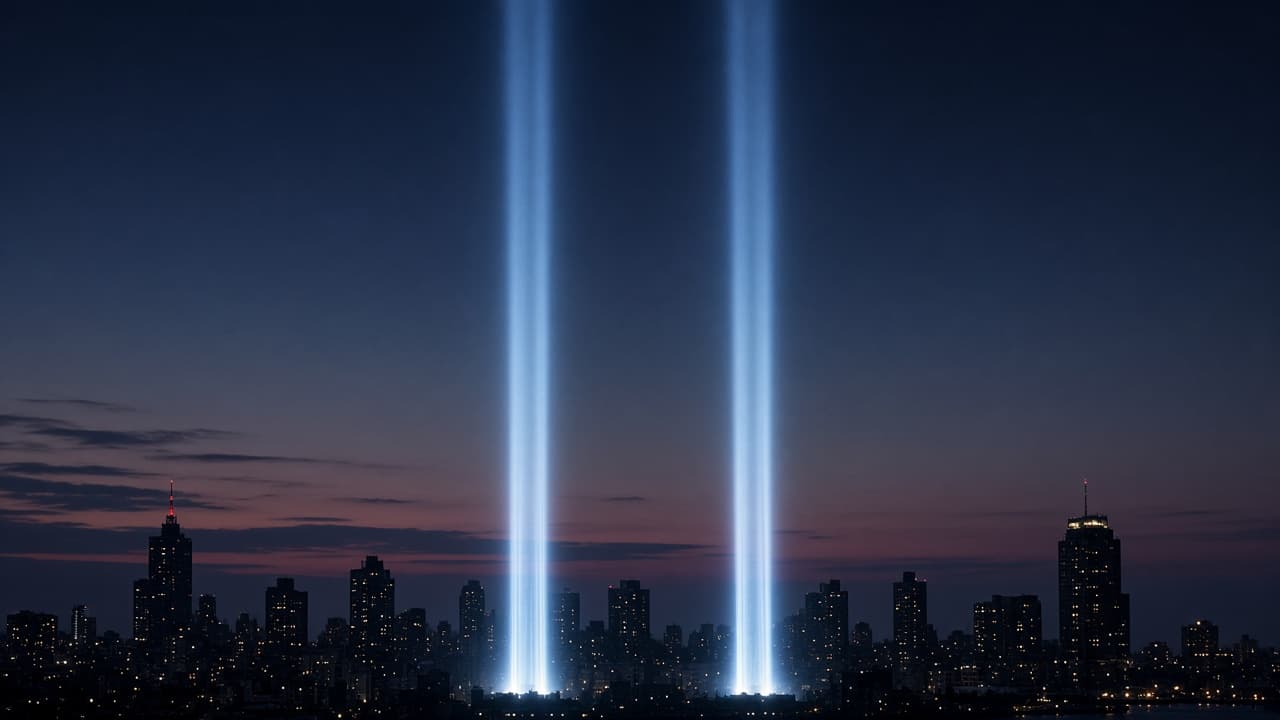
September 11, 25 years later: how the attacks unfolded and what followed
A clear timeline of the morning of 11 September 2001, the human cost and the long shadow the attacks still cast.
Friday marks 25 years since the attacks of 11 September 2001. On that Tuesday morning, 19 men linked to the al-Qaeda network hijacked four U.S. passenger jets and turned them into weapons against New York City and Washington, D.C. Nearly 3,000 people were murdered. The day remains the deadliest terrorist attack in modern history and it still shapes how the United States and many other countries think about security, war and public memory.
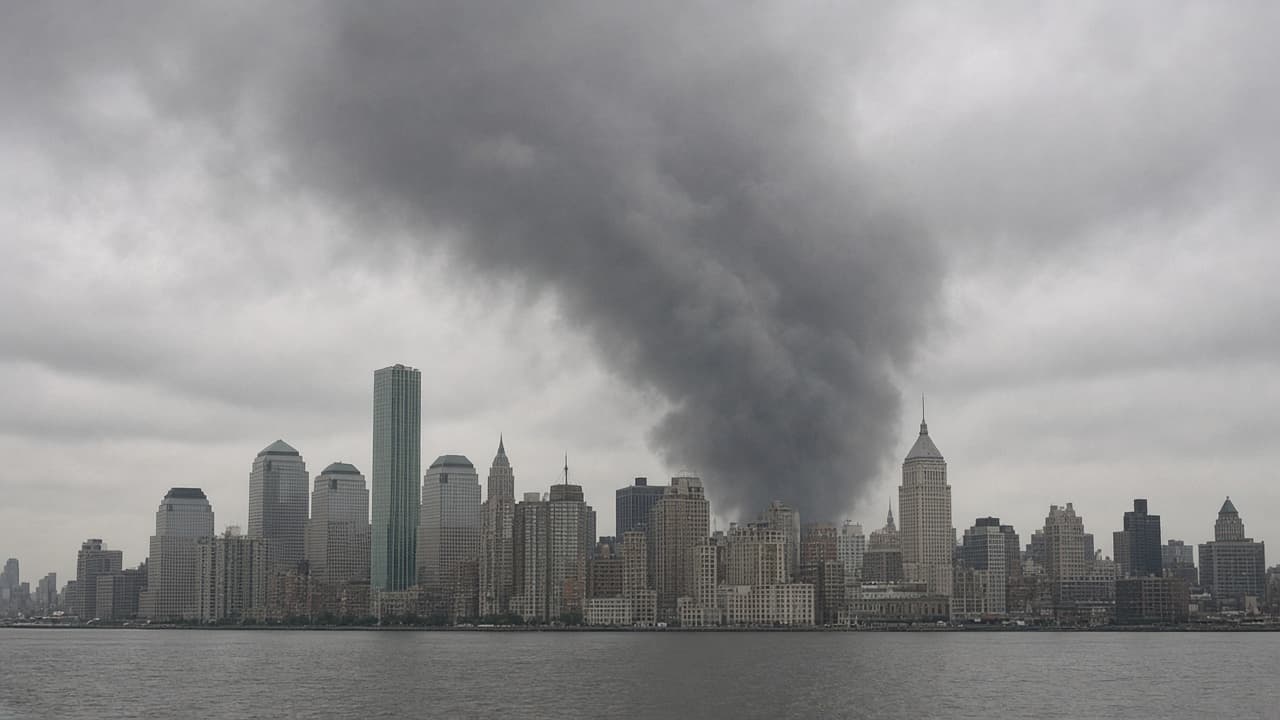
This article walks through what happened in order, who was killed, how the country responded and what conclusions hold up a quarter-century later. Day-of images below are distant documentary views. They do not show close-up impact or graphic injury.
The plot was years in the making. Osama bin Laden’s al-Qaeda organization trained operatives, secured visas and placed teams on commercial flights chosen for long routes with full fuel loads. The hijackers used knives and threats of bombs to seize the cockpits. Their aim was coordinated, almost simultaneous strikes on symbols of American economic and military power. Investigators later traced money, training camps and communications back to al-Qaeda’s leadership. Bin Laden publicly claimed responsibility years later and was killed by U.S. forces in Pakistan in 2011.
The morning timeline is best read in Eastern Daylight Time. American Airlines Flight 11 left Boston for Los Angeles at 7:59 a.m. United Airlines Flight 175 also left Boston for Los Angeles at 8:14 a.m. American Airlines Flight 77 left Dulles, near Washington, for Los Angeles at 8:20 a.m. United Airlines Flight 93 left Newark for San Francisco at 8:42 a.m. Within about an hour, all four aircraft were under hijacker control.
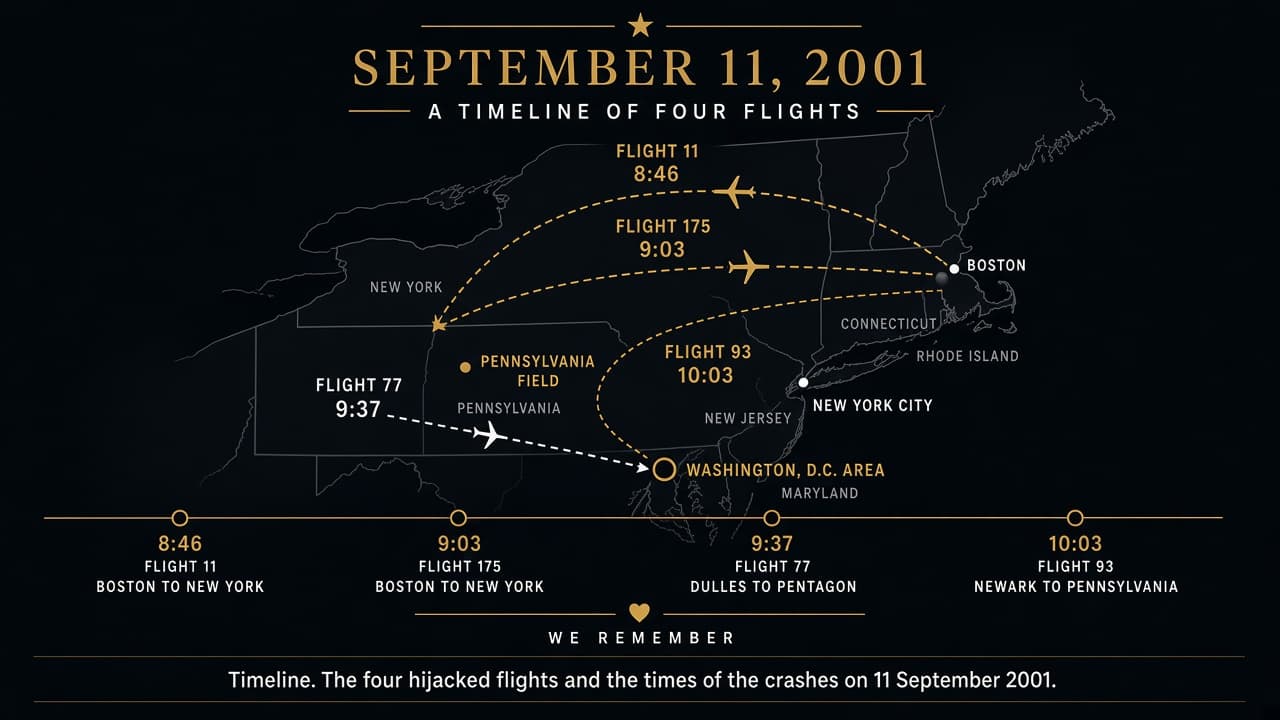
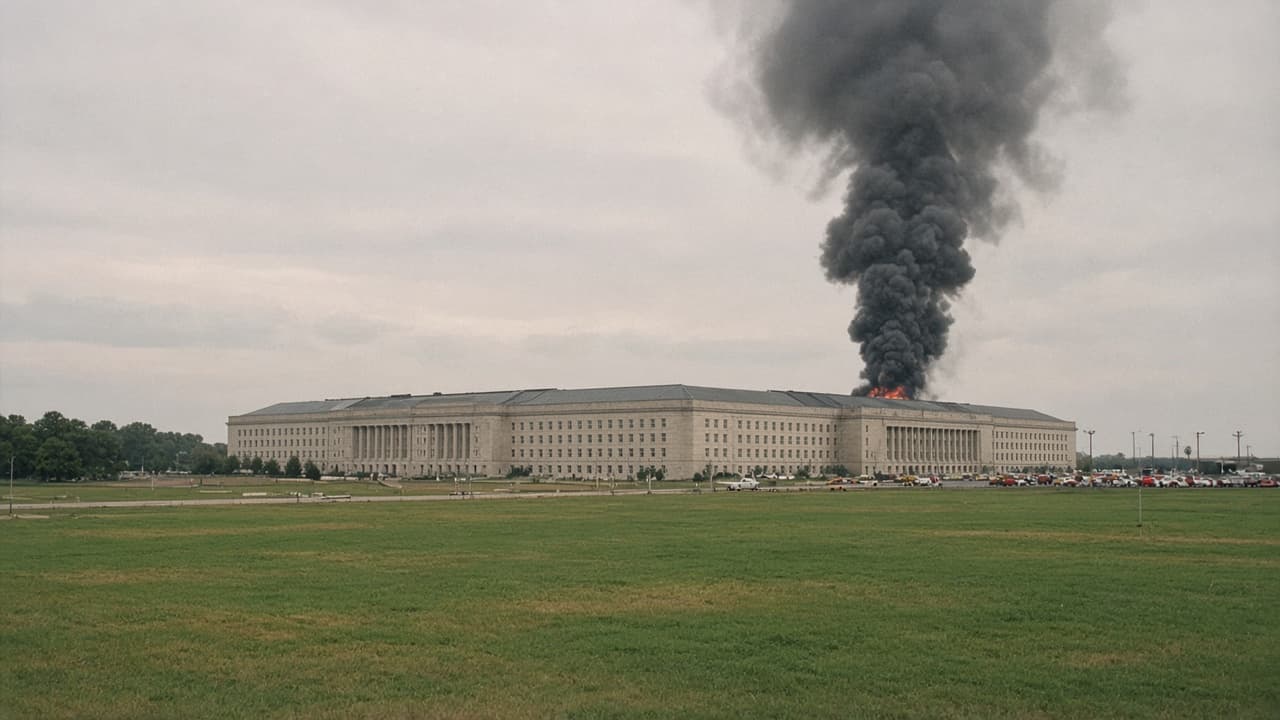
At 8:46 a.m., Flight 11 struck the North Tower of the World Trade Center between floors 93 and 99. At 9:03 a.m., Flight 175 hit the South Tower between floors 77 and 85. Millions watched the second impact live on television. At 9:37 a.m., Flight 77 hit the western side of the Pentagon. At 9:59 a.m., the South Tower collapsed. At 10:03 a.m., Flight 93 crashed in a field near Shanksville, Pennsylvania, after passengers and crew fought the hijackers. At 10:28 a.m., the North Tower fell. Later that afternoon, World Trade Center Building 7 also collapsed from fire and structural damage.
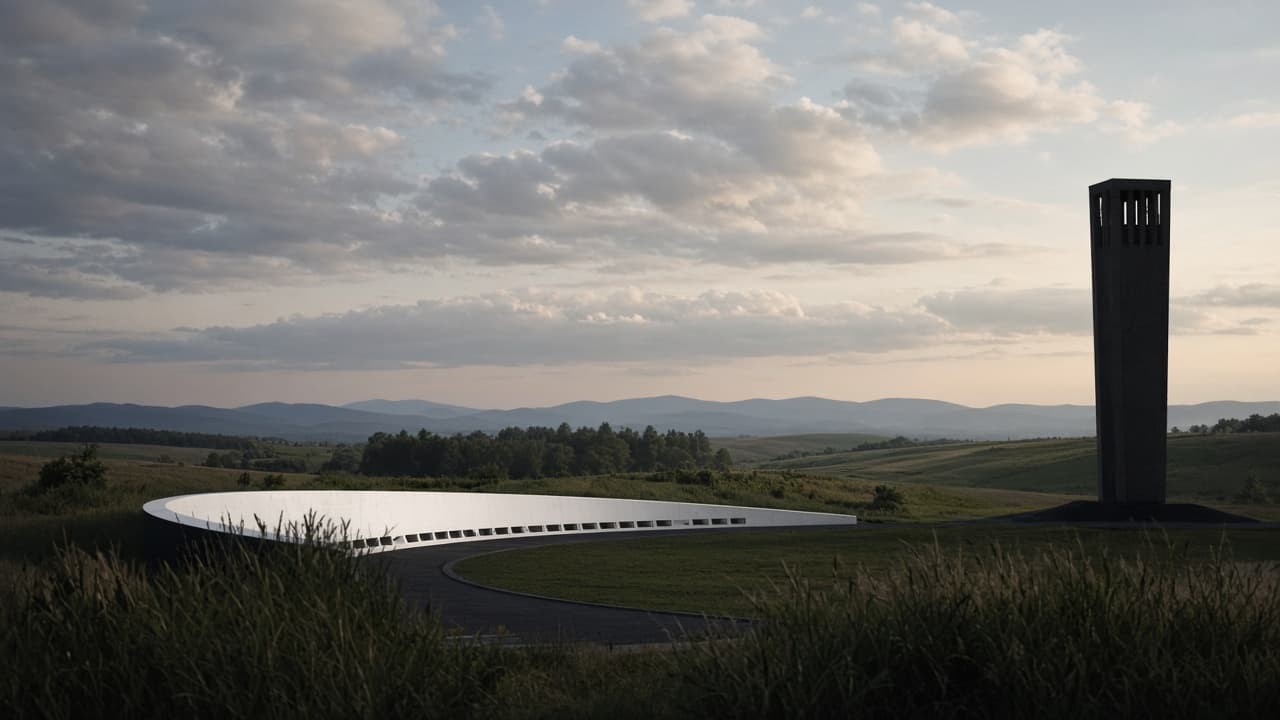
Flight 93 never reached its likely target in Washington. Cockpit recordings and phone calls from passengers and crew show that people on board learned about the earlier attacks and chose to act. The plane went down in rural Pennsylvania. All 40 passengers and crew on Flight 93 were killed, along with the four hijackers. Their resistance almost certainly prevented another strike on the capital.
The human toll is usually counted as 2,977 victims, separate from the 19 hijackers. About 2,606 people died at the World Trade Center and nearby streets. One hundred twenty-five people died at the Pentagon, including military and civilian personnel. Two hundred sixty-five people died on the four planes, counting passengers and crew. Among the dead were 343 firefighters and 72 law enforcement officers, the largest single-day loss for those services in U.S. history. Citizens of more than 90 countries were killed. Thousands more were injured. In later years, New York added people who died from illnesses linked to toxic dust at Ground Zero to the official accounting of victims.
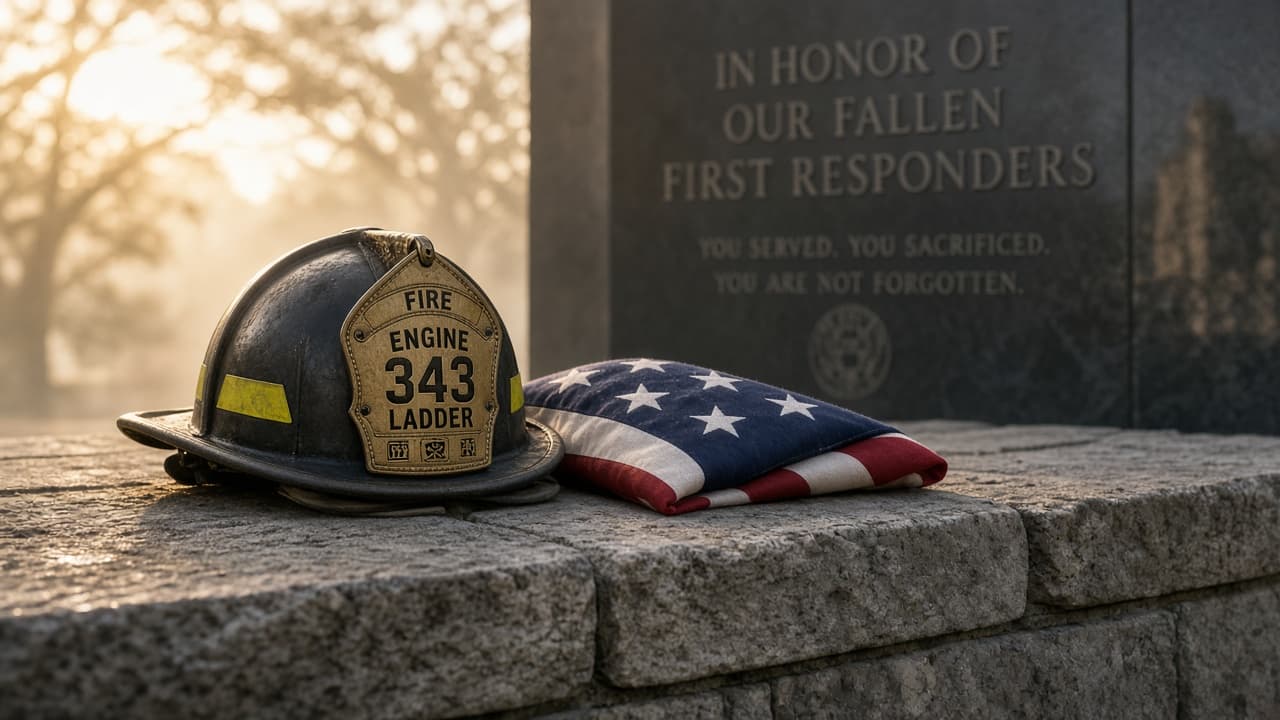
The physical damage was immediate and lasting. Lower Manhattan lost its tallest buildings and a large piece of its commercial core. The Pentagon needed major reconstruction on the damaged wedge. Air travel across the United States was grounded. Stock markets closed. Insurance losses, property destruction and business interruption ran into the tens of billions of dollars in direct costs, before counting the wars and security spending that followed.
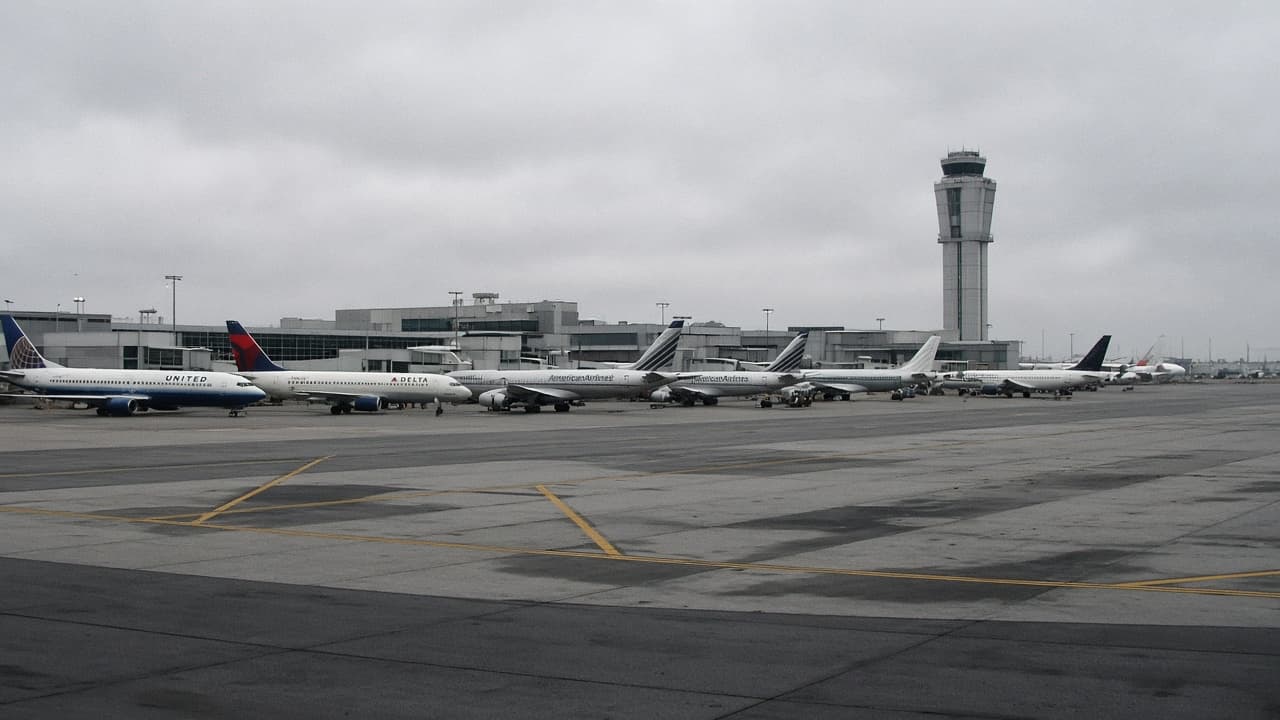
The political impact arrived within days and years. The United States invaded Afghanistan in October 2001 to dismantle al-Qaeda’s sanctuary under the Taliban. In 2003, the United States and partners invaded Iraq on separate claims about weapons of mass destruction; that war’s connection to 9/11 remains heavily debated and the intelligence case for it has not held up. At home, Congress created the Department of Homeland Security, expanded intelligence sharing and passed the USA PATRIOT Act. Airport screening changed permanently. Guantánamo Bay and enhanced interrogation practices opened lasting legal and moral fights about how a democracy fights terrorism.
Everyday life changed in quieter ways too. Flying became slower and more surveilled. Mosques and Muslim, Arab and South Asian communities in the United States faced suspicion and hate crimes. Cities redesigned public spaces around blast resistance and crowd security. Newsrooms and families learned how to talk about trauma that arrived in real time on live television. For children who grew up after 2001, the attacks are history. For people who watched that morning, the timeline still feels close.
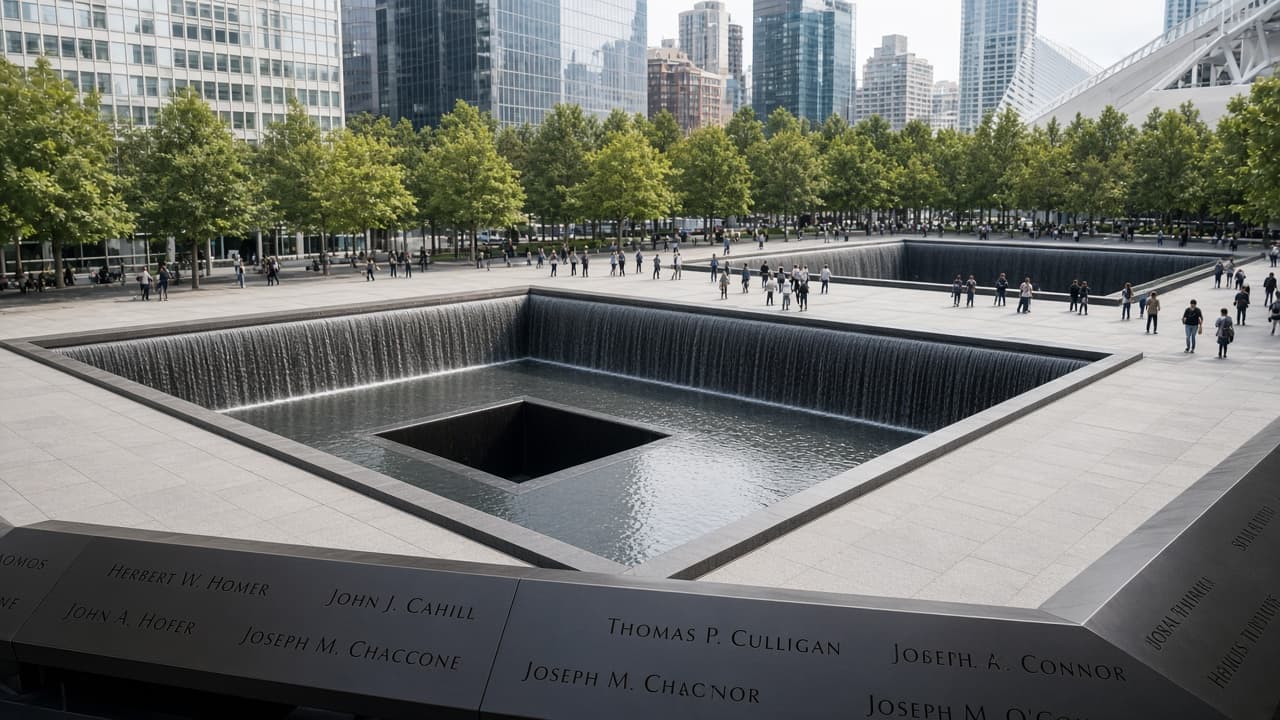
What conclusions hold after 25 years? First, the attacks were a planned act of mass murder by a transnational terrorist group, not a spontaneous outburst. Second, open societies remain vulnerable when aviation, dense workplaces and live media can be turned against them, which is why layered security became normal even when it is imperfect. Third, military and legal responses after 9/11 prevented some plots and also produced new costs: long wars, civilian deaths abroad, surveillance debates and eroded trust. Fourth, remembrance works best when it keeps names, rescue stories and verified facts at the center, not conspiracy claims that recycle old falsehoods.
The strongest public records remain the 9/11 Commission Report, court cases against al-Qaeda figures and the memorials in New York, Arlington and Shanksville. Those sources agree on the basic sequence of the day even when they argue about policy that came later. On this anniversary, the clearest duty is still the simplest one: remember the dead accurately, support survivors and responders still living with the health effects and refuse to let the date become only a slogan.
Eagle Frame’s closing note is plain. Twenty-five years on, September 11 is both a finished historical event and an unfinished public responsibility. The planes, the towers, the Pentagon and the Pennsylvania field are fixed in time. The lessons about vigilance, restraint and care for one another are not.