Sigiriya, Sri Lanka: how to visit Lion Rock
Why Lion Rock belongs on a Sri Lanka trip, plus gardens, frescoes, climb tips and nearby views that make the day worth it.
If you are building a Sri Lanka itinerary and can spare one half day inland, put Sigiriya on it. The rock is not a minor stop between beaches. It is a UNESCO fortress, a fifth-century art site and a climb with a view that explains why so many travelers rearrange a Cultural Triangle day around a 7:00 a.m. gate. Locals call it Sinhagiri, Lion Rock. The Ancient City of Sigiriya has been on the World Heritage list since 1982.
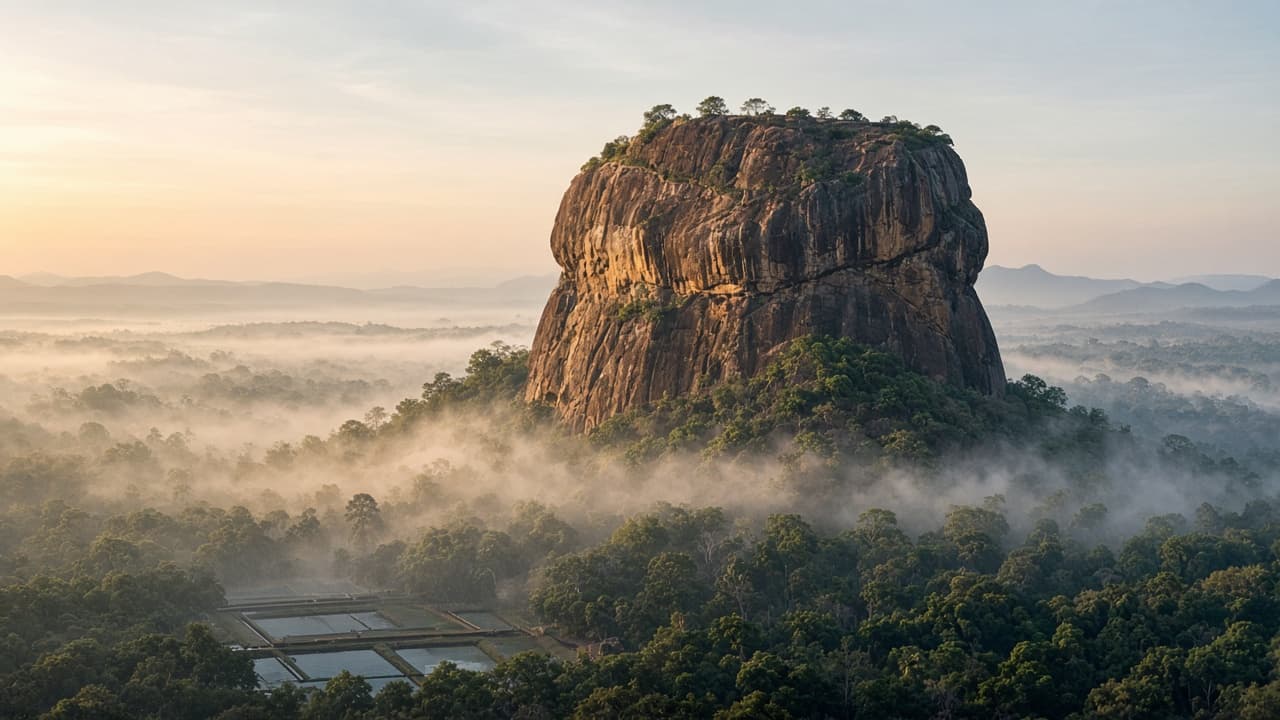
Sigiriya sits in the Cultural Triangle, roughly three hours by road from Colombo or Kandy depending on traffic. The sheer granite monolith rises about 180 to 200 meters above jungle and scrub. From the road it already looks unlikely: a palace and fortress parked on a stone island in the plain. That first sight through a car window is often what decides people to climb.
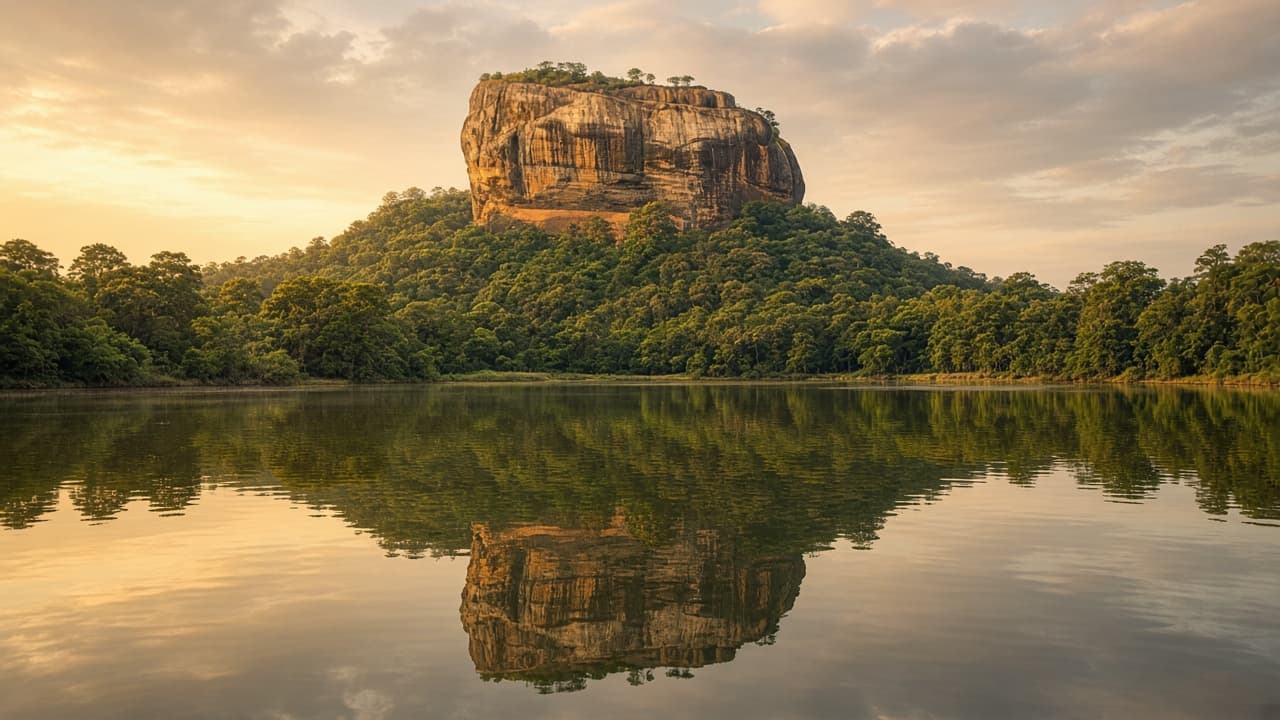
The history that guides tell starts with King Kassapa I, who ruled roughly from 477 to 495 CE. After a violent succession struggle, he built a palace on the summit and a planned city on the slopes. Later rulers moved the capital elsewhere and the rock became a Buddhist monastery site. What you walk today is layered ruin: gardens, galleries, the lion gateway and summit foundations. You are not entering a furnished palace. You are walking a short-lived royal landscape that still reads clearly on the ground.
Visit because the site does three rare things at once. The water gardens show advanced hydraulic design you can still read in pools and channels. The fresco gallery preserves painted figures that most tropical outdoor sites lost long ago. The summit gives a 360-degree plain view after a climb most reasonably fit travelers can finish with rest stops. Few single tickets in Sri Lanka pack that much variety into three or four hours.
Treat the visit as a half day, not a quick photo stop. Budget time for the gate, gardens, fresco alcove, Mirror Wall, Lion’s Paws terrace and summit. Stairs and metal walkways do most of the vertical work, but heat, wind and queues make the climb feel longer than a gym staircase. People who rush only to the top often say the gardens and frescoes were the part they wish they had slowed for.
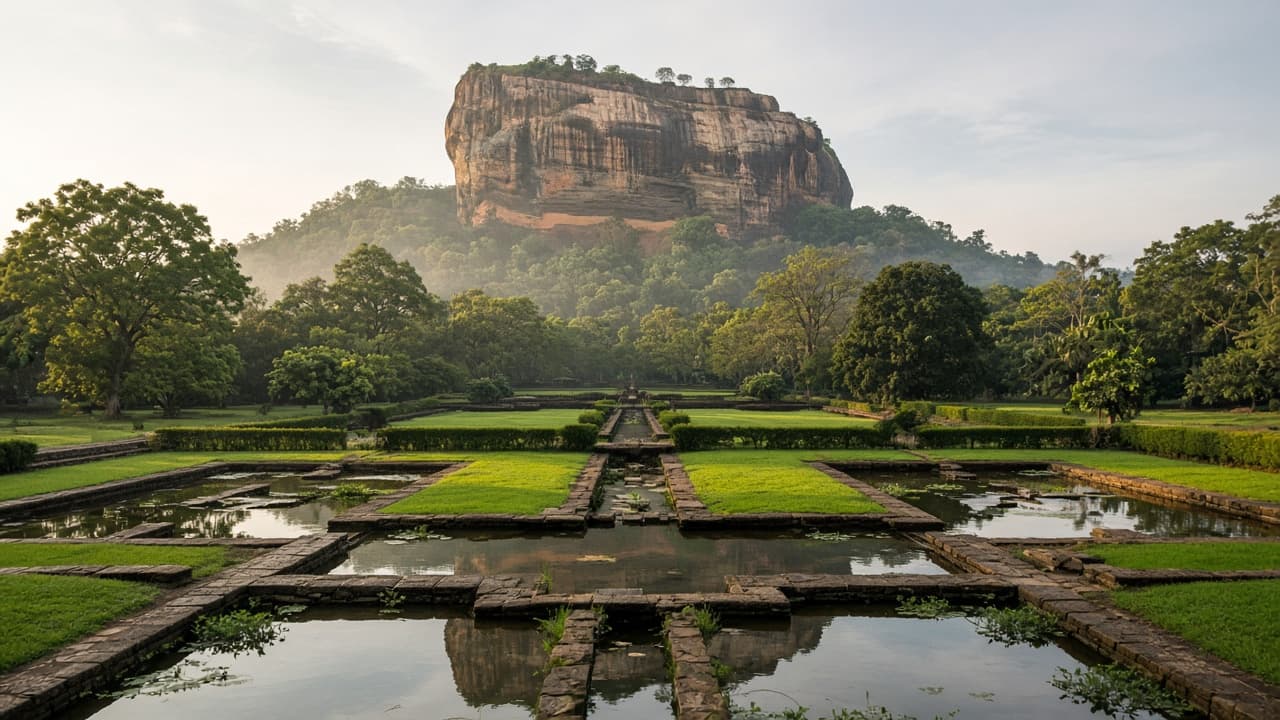
Start at the western entrance when you can. After the ticket check you enter the lower water gardens: rectangular pools, channels and planting beds on a clear axis toward the rock. In wetter months some fountains and channels still move water by gravity. Walk this section on purpose. It is the best place to understand that Sigiriya was a designed capital, not only a lookout. Photographers get strong leading lines here before the stairs begin.
Beyond the formal pools, boulder gardens and stone paths lead to the base of the cliff. Paths can be uneven. Wear shoes with grip. Keep to marked routes so you do not cut across fragile archaeology or disturb wildlife. Monkeys live around the site. Zip bags, hide snacks and skip feeding them. A calm approach walk also saves energy for the steeper middle of the climb.
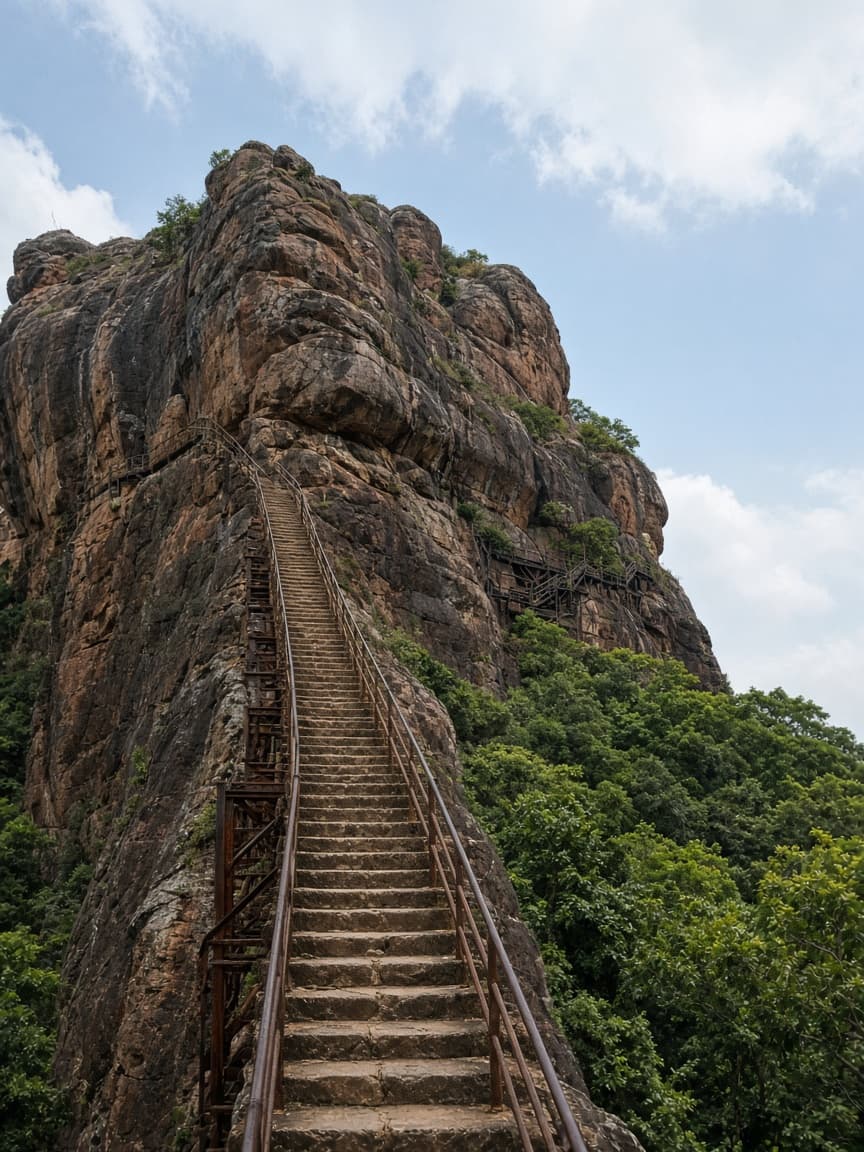
The stair sections are straightforward but exposed. Hold rails where they exist, take short breaks on landings and drink water before you feel dizzy. Families and older travelers finish the route every day when they start early and refuse to race tour groups. If heights bother you, you can still enjoy the gardens, boulder area and lower terraces and turn back before the highest metal spans. The site remains worth the ticket even without the summit.
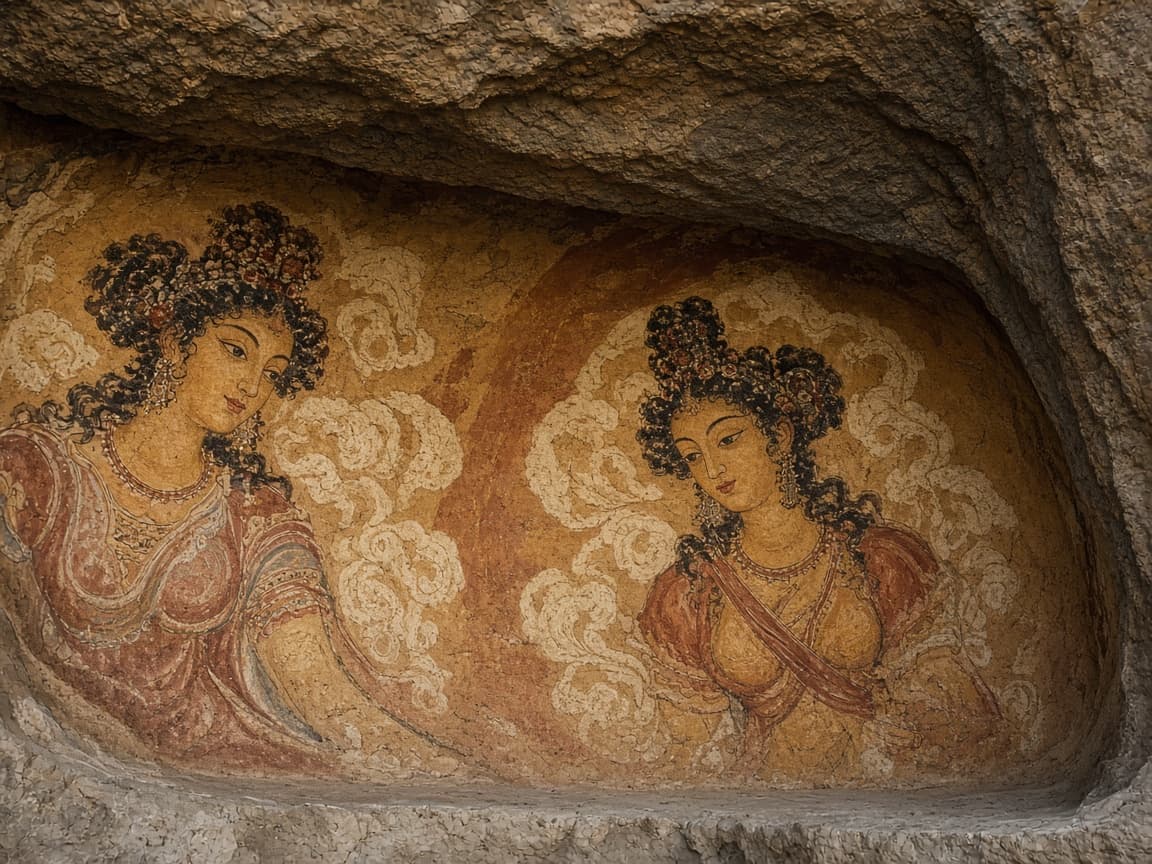
Halfway up the western face, a spiral stair leads to a sheltered alcove. Here the famous frescoes remain: painted women often called cloud maidens or apsaras, done in earth pigments on plaster. Guides say hundreds once covered the rock face. About twenty figures survive in the protected gallery. No flash. Give others space on the narrow walkway. Standing in front of paint that has clung to a cliff for about 1,500 years is one of the clearest reasons to come inland instead of staying only on the coast.
Near the frescoes runs the Mirror Wall, a polished plaster parapet that once shone. Visitors centuries ago scratched verses into it. Those graffiti are now part of the archaeological record and proof that people have been reacting to this rock for a long time. Do not add your own marks. Follow staff rules on photography at the wall and in the fresco pocket.
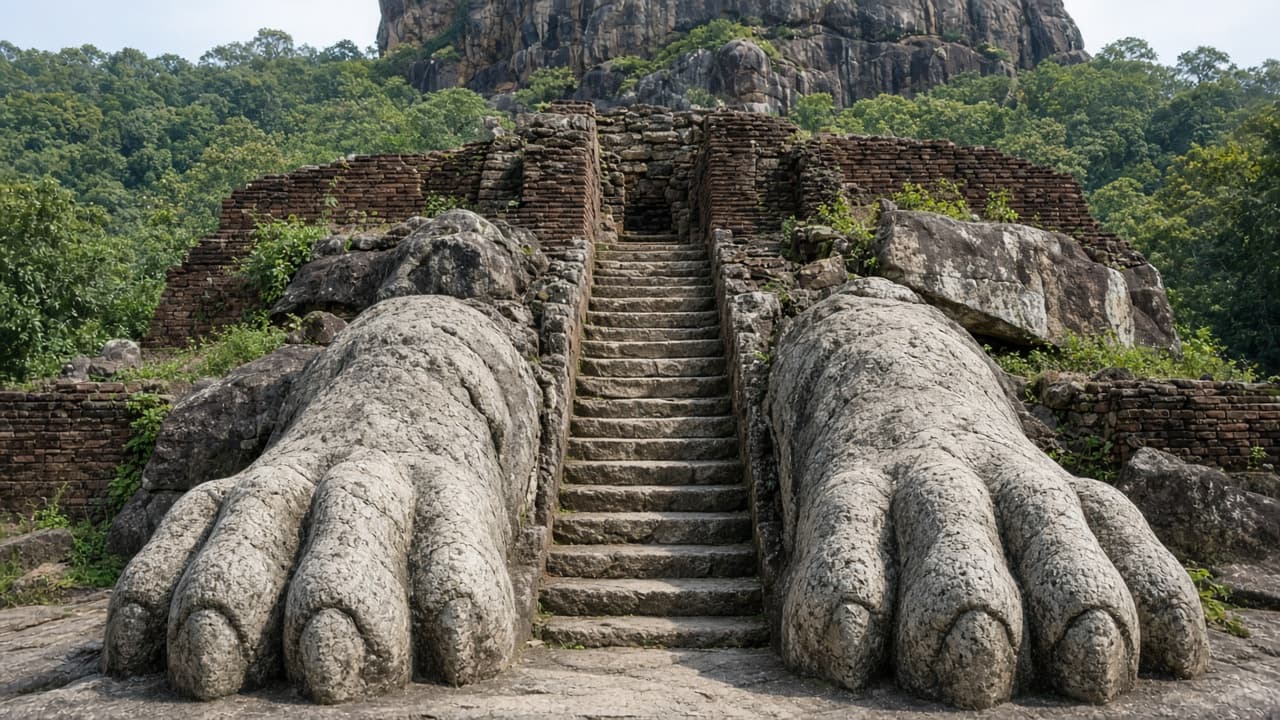
The Lion’s Paws terrace is the dramatic midpoint and the image many people remember after the trip. Two huge carved paws once sat beneath a full lion figure whose mouth formed the final gateway. The head and body are gone. The paws remain and give the Sinhala name its force. Pause here. The light on the paws and the view back over the gardens are as strong as anything on the summit.
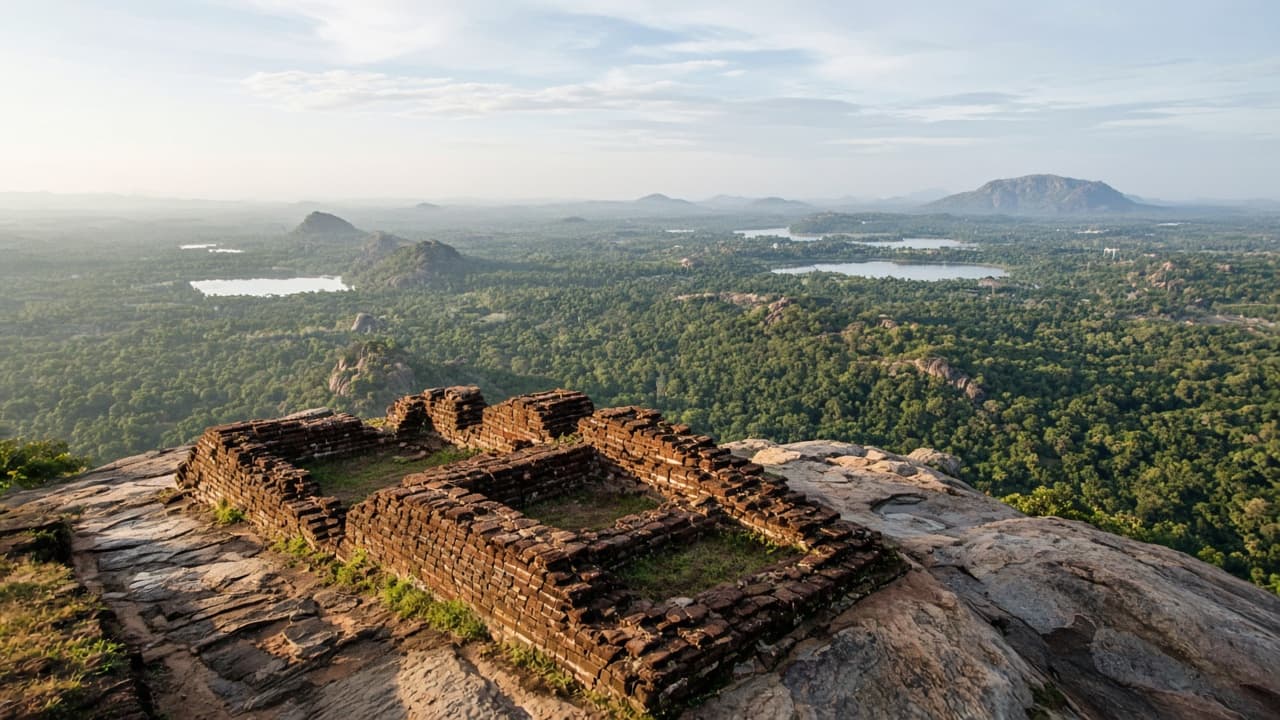
From the paws, the last stairs rise to the summit plateau. Brick foundations, cisterns and terrace walls mark the palace level. On a clear morning you see forest, lakes and the distant Dambulla country. Stay inside barriers, watch your footing on uneven brick and give yourself ten quiet minutes at the top. That pause is what turns the climb from a checklist into the reason people tell friends to go.
Timing decides the quality of the day. Gates commonly open around 7:00 a.m. Arrive before opening for cooler stone, softer light and fewer buses. Midday heat on bare rock is hard and the fresco queue grows. Late afternoon can be beautiful, but confirm last entry and leave daylight for the descent. Check the Central Cultural Fund for current hours before you travel.
Tickets for foreign visitors are among the higher heritage fees in Sri Lanka and prices move. Recent CCF listings have put a full adult ticket in the mid-thirty U.S. dollar range, with lower rates for some regional categories and much lower rates for Sri Lankan citizens. Buy through official CCF channels when you can, bring the passport used for the booking and treat tickets as single entry. Confirm the day’s price on the official site rather than an old blog post. The fee supports conservation of a site that is both popular and fragile.
Pack for a hot outdoor climb: water, sun hat, sunscreen, light long sleeves if you burn easily and a little cash for water outside the gate. There is little shade on long stair stretches. Eat a simple breakfast before you enter. People who climb hungry feel the heat sooner. Carry only a small bag so rails and narrow steps stay easy to manage.
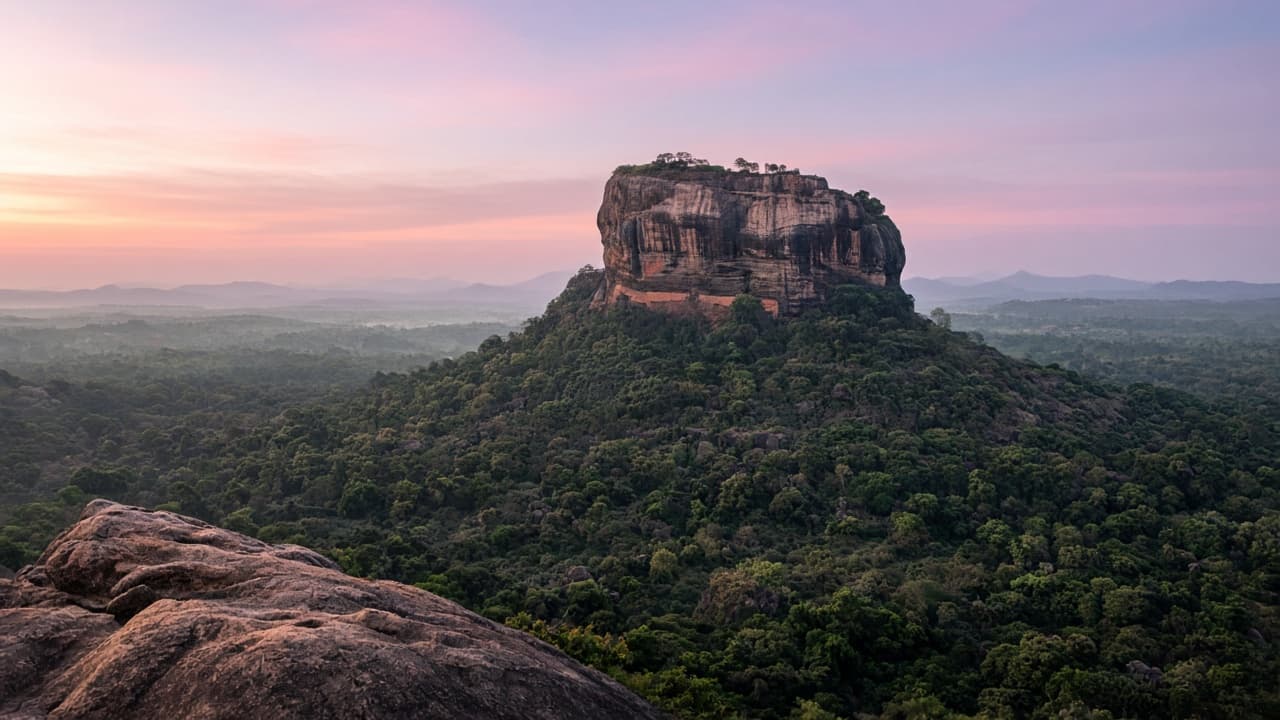
If you have a full day, pair Sigiriya with nearby stops that deepen the visit instead of diluting it. Dambulla’s cave temple sits roughly 15 kilometers away and adds painted cave shrines after the rock climb. Pidurangala Rock, across from Sigiriya, is a separate ticket and climb with the classic facing view of Lion Rock at sunrise or late light. Many travelers say the Pidurangala viewpoint is the photo that made friends book the same trip.
Habarana and the Sigiriya village strip work well as overnight bases with guesthouses, rice-and-curry spots and day drivers. A hired car from Kandy or Negombo for one long day is common. Overnight nearby is kinder if you want the early gate and a second viewpoint the same evening. Safari parks around Habarana can fill another morning if wildlife is part of your Sri Lanka plan.
Hire a licensed local guide if you want names for terraces, reservoirs and hydraulic details without carrying a heavy book on the stairs. Guides also help with pace and monkey awareness. The museum near the site helps before or after the climb when your ticket includes it; confirm hours on the day because museum times can differ from the rock gate.
Respect the place as protected archaeology. Drones and commercial filming usually need written approval. Stay off walls and garden edges. Leave no litter on the summit. Sigiriya stays open and beautiful when visitors treat it as a living heritage site, not only a backdrop.
Who will like it most? Travelers who want one inland day with history and a physical goal. Photographers who care about gardens, carved stone and wide plains. Couples and families who can start early and move without rushing. Beach-only itineraries miss this. A Sri Lanka trip that includes Lion Rock usually feels more complete when people look back on the week.
Eagle Frame’s takeaway is simple. Go to Sigiriya if you can. Arrive early, walk the gardens on purpose, give the frescoes and lion gateway real time and keep a buffer for the summit view. Check official tickets and hours, pack for heat and leave room in the itinerary for a facing viewpoint if you have a second window. One well-paced morning here is enough to understand why this single rock still anchors Sri Lanka’s inland map.