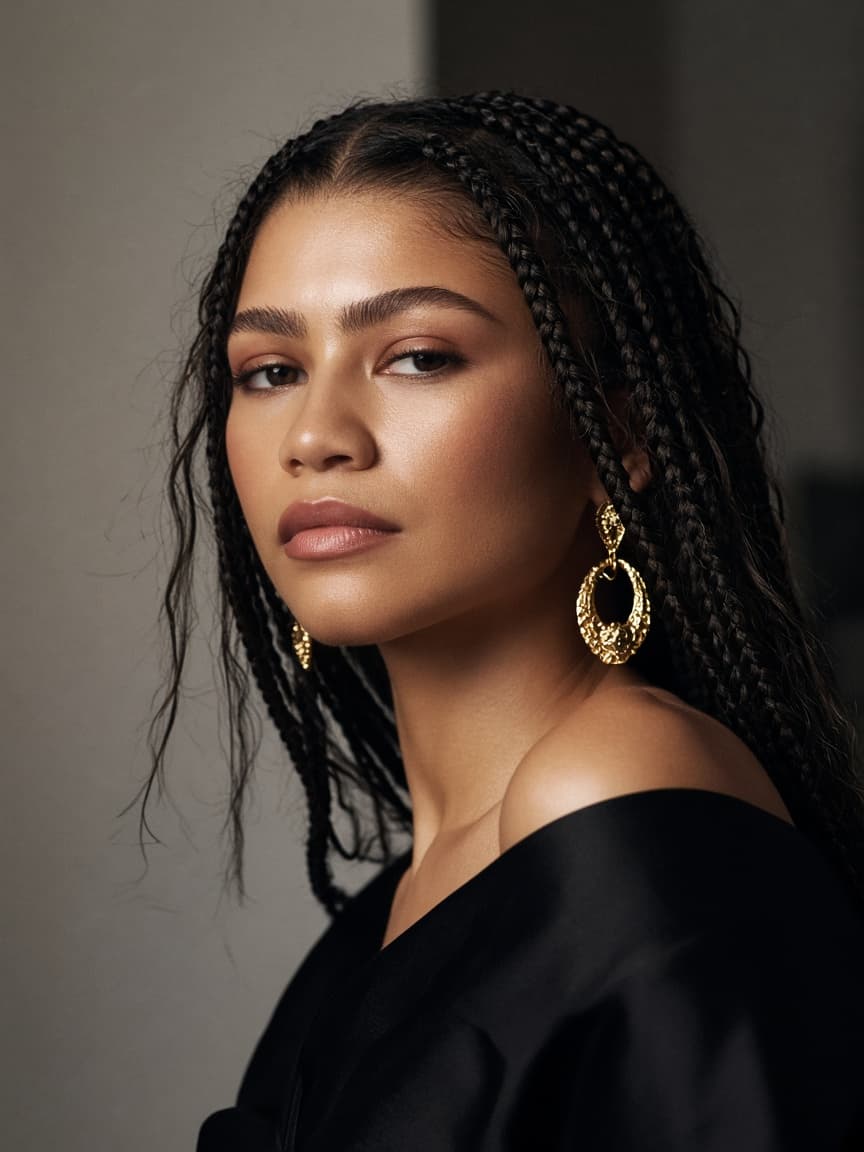
Zendaya: the Oakland theatre kid who took control of her own career at sixteen
Disney Channel, two Emmy wins for "Euphoria," Spider-Man, "Dune," "Challengers" and a fashion partnership that rewrote the red carpet. The full story of Zendaya Coleman.
Zendaya is often described as effortless, which is an odd word for someone who negotiated a producer credit at sixteen. Her career reads as a series of deliberate refusals: no to the standard Disney contract, no to a role she could not shape, no to a stylist who would treat her as a mannequin. The result is an actor with two lead drama Emmys before thirty, a place in two of the biggest franchises in cinema and a level of control over her own image that almost nobody her age has.
She was born Zendaya Maree Stoermer Coleman on 1 September 1996 in Oakland, California. Her father, Kazembe Ajamu Coleman, was a teacher who later managed her career and trained as a personal trainer. Her mother, Claire Stoermer, taught at Fruitvale Elementary School and worked as house manager at the California Shakespeare Theater in Orinda. Zendaya spent much of her childhood in the wings there, selling tickets, ushering and watching Shakespeare productions night after night. She has described that as her real training. She later attended the Oakland School for the Arts.
She worked as a child model for Macy's, Old Navy and Iams and danced with the hip-hop group Future Shock Oakland. In 2010 the Disney Channel cast her as Rocky Blue in "Shake It Up" opposite Bella Thorne, and the family moved south. The show ran three seasons. It also gave her a music career, with the single "Replay" and a self-titled album in 2013, and a run on "Dancing with the Stars" in 2013 where she finished as runner-up at sixteen, the youngest contestant the show had had at that point.
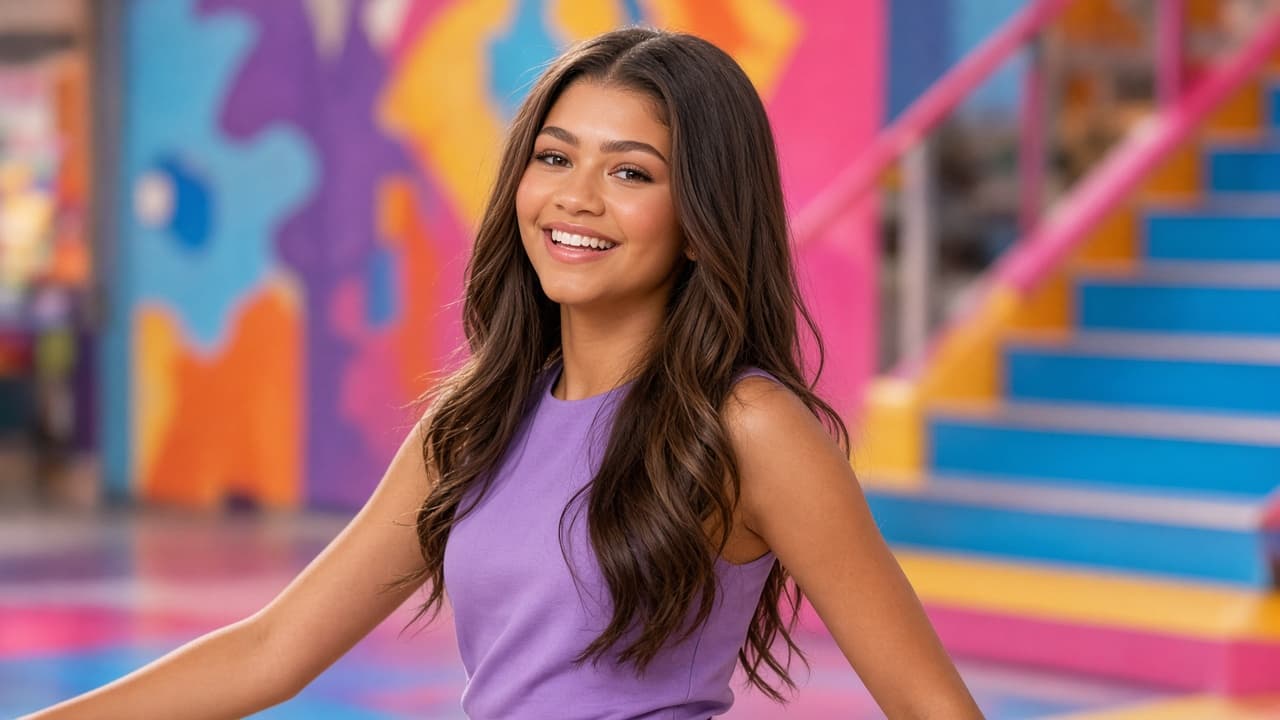
The decision that set the tone came next. Disney offered her a second series, and she turned down the version she was given. She has said she asked for the character to be renamed, to be a martial artist, to have a Black family on screen and for herself to be credited as a producer. She got all of it. "K.C. Undercover" ran from 2015 to 2018 and was, by her own account, not a great show. It was an education in how production actually works, and she was sixteen when she negotiated it.
Her first major film role looked small on paper. She was cast as Michelle, later MJ, in "Spider-Man: Homecoming" in 2017, a deadpan classmate with limited screen time, and the part grew across "Far From Home" in 2019 and "No Way Home" in 2021 into the emotional centre of the trilogy. In the same year as "Homecoming" she appeared in "The Greatest Showman" as the trapeze artist Anne Wheeler, performing her own aerial work and singing "Rewrite the Stars," which became one of the soundtrack's biggest songs.
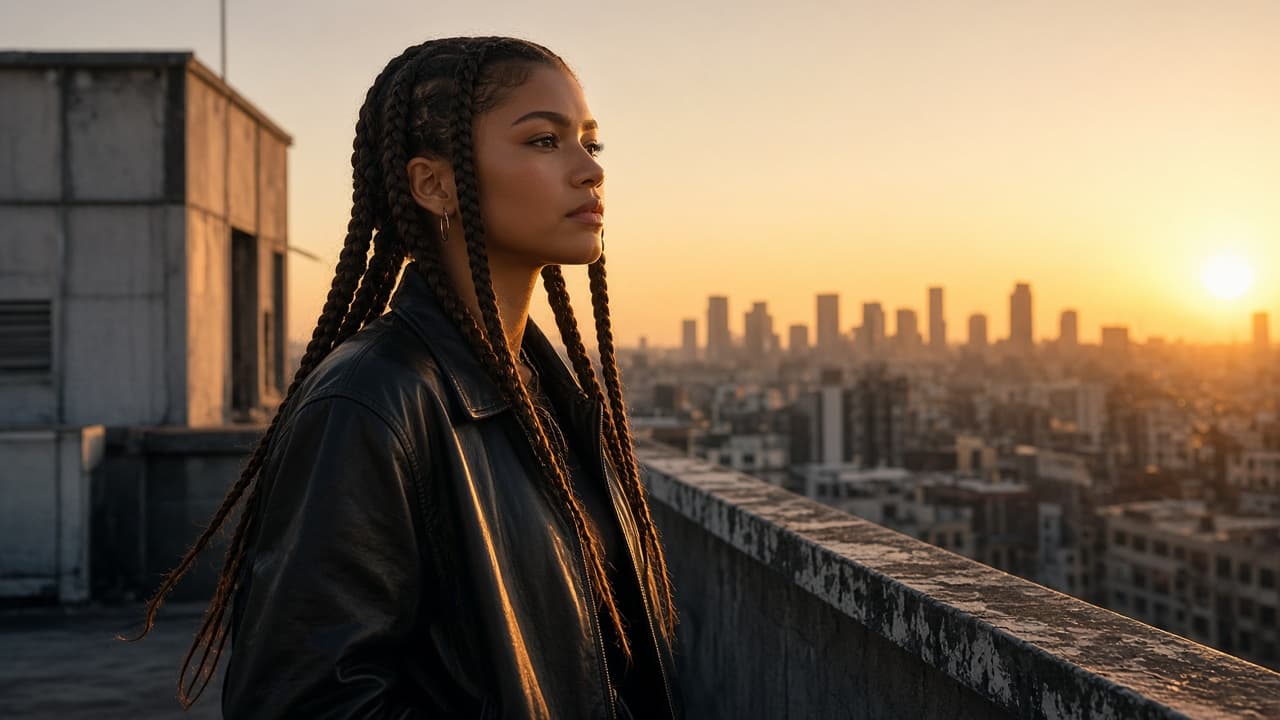
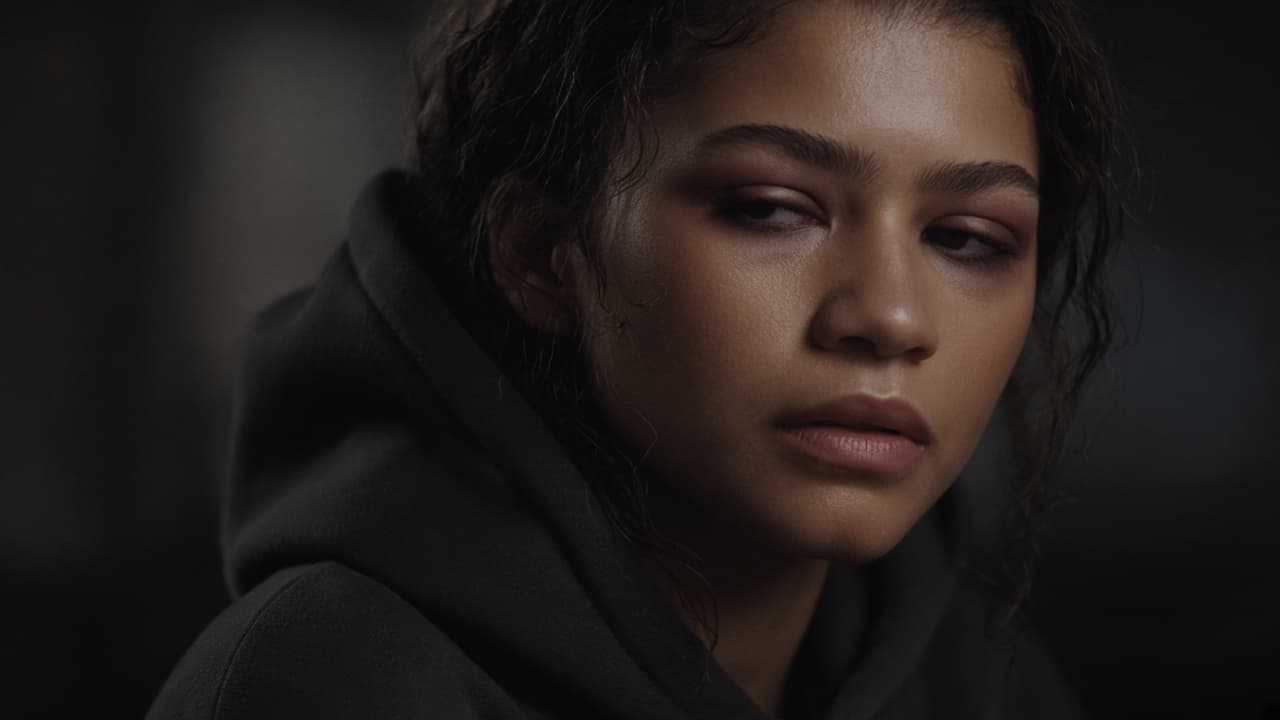
Then came the role that ended any argument about her range. HBO's "Euphoria" premiered in June 2019 with Zendaya as Rue Bennett, a teenager in recovery from opioid addiction who narrates the series while relapsing through it. The performance is unglamorous, physically wrecked and largely free of the charm she had been cast for elsewhere. In September 2020 she won the Primetime Emmy for Outstanding Lead Actress in a Drama Series at twenty-four, the youngest winner in the category's history. She won it again in 2022 for the second season, becoming the first Black woman to win the award twice. She is also credited as a producer on the show and wrote a special episode during the pandemic.
Denis Villeneuve's "Dune" gave her a different kind of test. In the 2021 first part she appears mostly in visions, with a handful of lines, as the Fremen fighter Chani. The marketing put her on every poster and the payoff came in "Dune: Part Two" in 2024, where Chani carries the film's moral argument and ends it in open opposition to the hero. Both films were critical and commercial successes, and the second took more than $700 million worldwide.
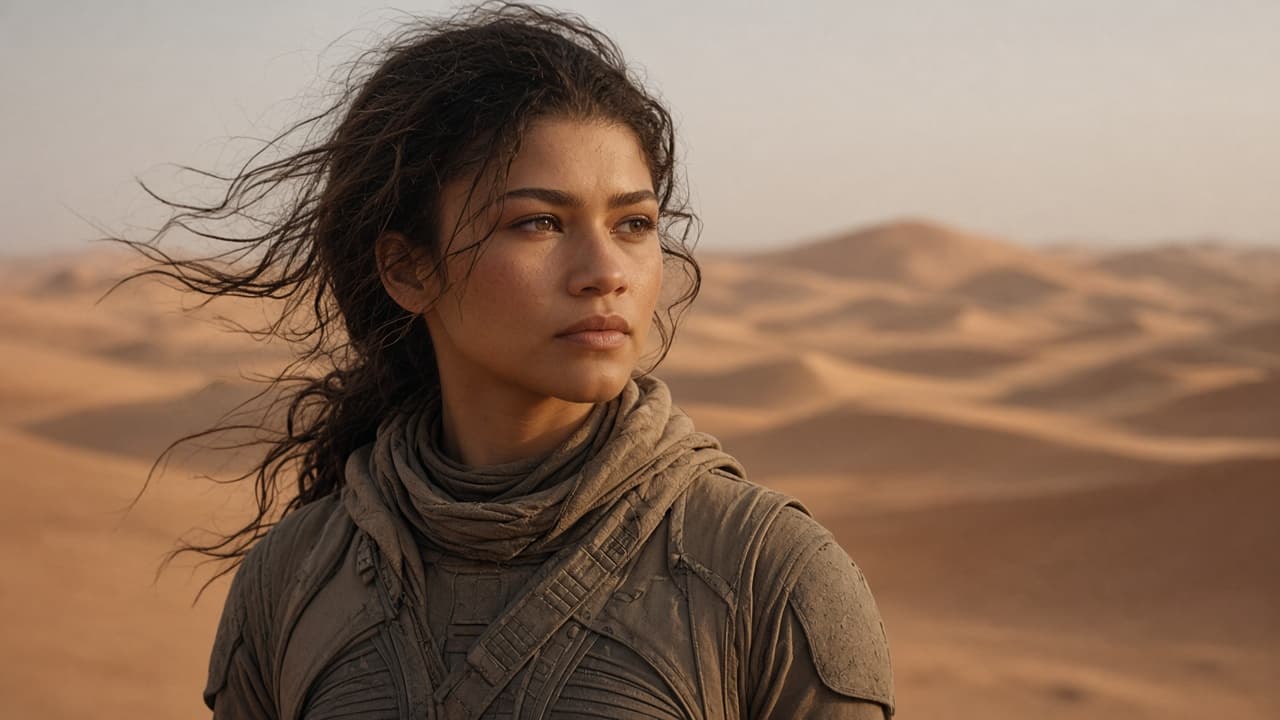
In April 2024 she released "Challengers," directed by Luca Guadagnino, in which she plays Tashi Duncan, a tennis prodigy turned coach who manipulates two men across thirteen years. She produced it as well as starring, and it was the first film built entirely around her. Reviews were strong, the Trent Reznor and Atticus Ross score became a talking point of its own and she picked up a Golden Globe nomination. It confirmed a reputation she had been building for years, that of an actor who picks directors rather than franchises once she has the leverage to choose.
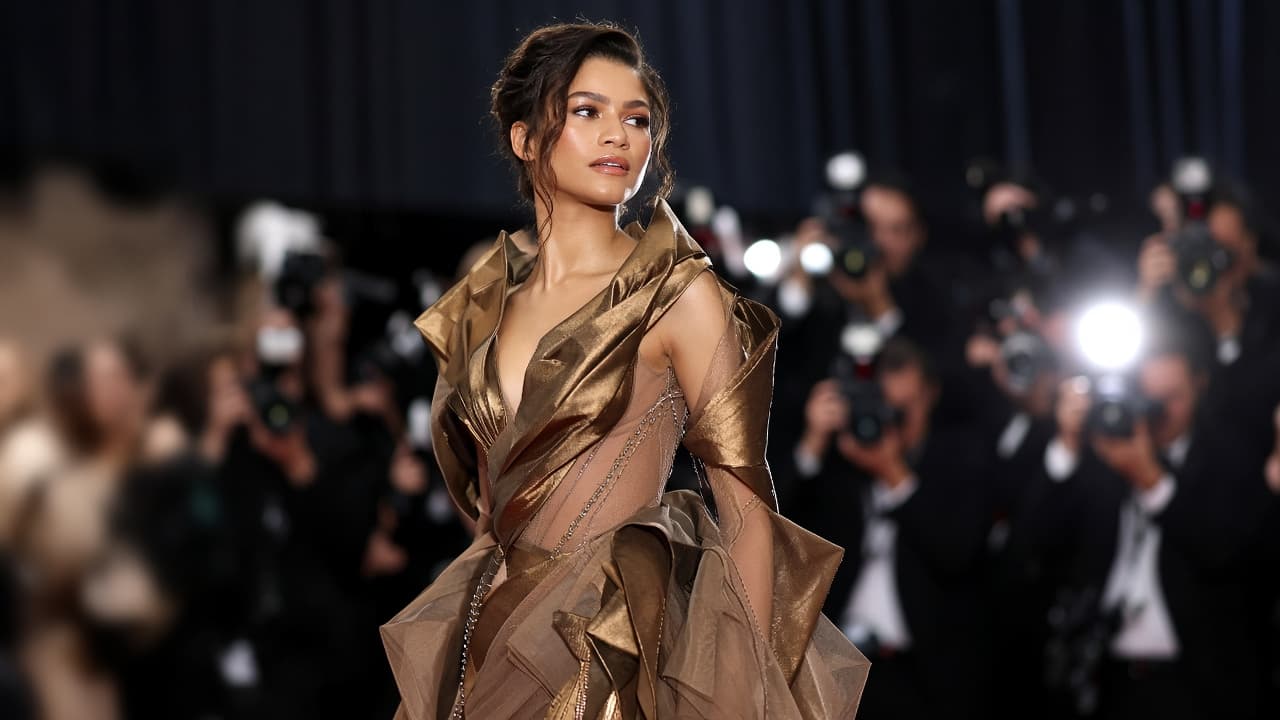
Her fashion career is not a side project. She met the stylist Law Roach in 2011, and the partnership, which he calls image architecture rather than styling, became one of the most studied relationships in the industry. Together they built red carpet appearances that function as arguments: the Joan of Arc armour at the 2018 Met Gala, the light-up Cinderella gown in 2019, the robot suit at the "Dune: Part Two" premiere in 2024. When Roach announced he was stepping back from celebrity styling in 2023, he made clear that Zendaya was the exception. She has been an ambassador for Lancôme, Valentino, Bulgari, On and Louis Vuitton, and she co-chaired the Met Gala in 2024.
She has used the visibility carefully rather than constantly. She has talked about colourism and about being aware that her lighter skin made her more acceptable to an industry that still resists darker-skinned Black actresses, a point she has repeated in terms that make interviewers uncomfortable. She launched the Daya by Zendaya clothing line in 2016 with a size range and price point aimed at ordinary shoppers, and she has consistently pushed for producer credits on her projects rather than only performance fees.
Her private life is the one area she has locked down. She met Tom Holland on the set of "Spider-Man: Homecoming" in 2016, the relationship became public in 2021 and their engagement was confirmed in January 2025 when she wore a ring at the Golden Globes. Both have explained the silence in the same terms: the work is public, the relationship is not, and the second one only survives if they hold that line. Ahead of her are the third season of "Euphoria," a reunion with Robert Pattinson in "The Drama" and Christopher Nolan's "The Odyssey."
The pattern across all of it is control. Zendaya has taken a Disney Channel start, which is usually a ceiling, and turned it into an executive education. She asked for producer credits before she could legally sign her own contracts, chose a stylist who treated clothes as argument and picked directors rather than franchises once she had the leverage to choose. That is the part worth studying, whatever you think of the films.