Are you late? Colonel Sanders, KFC and the long road that still feeds the world
Wife walking out, a dead son, a highway that killed his café, hundreds of closed doors and a Social Security cheque at 65. The real Colonel Sanders story is harder than the meme and more useful.
Are you late?
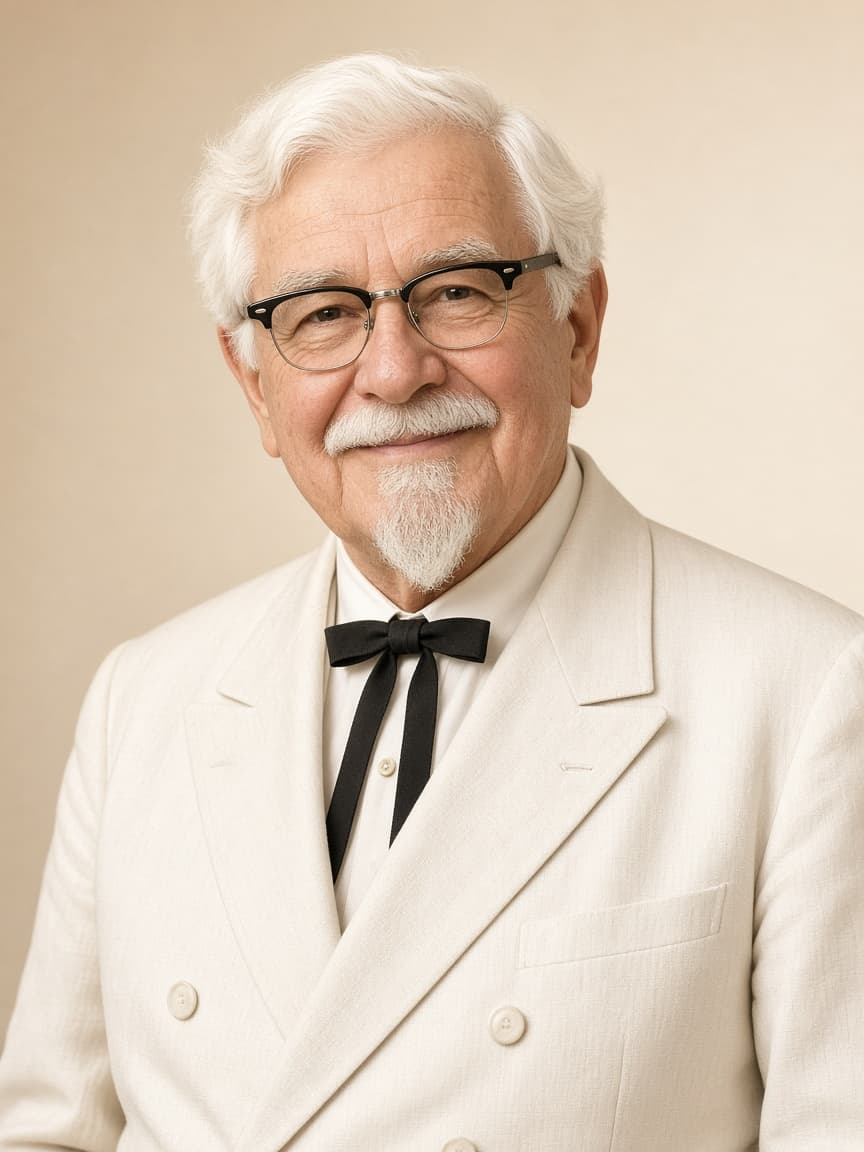
If that question sits in your chest like a verdict, this story is for you. Not as a pep talk that melts by Monday. As a full record of a man who failed in public, lost family peace, buried a son, got bypassed by a highway, heard “no” from restaurant after restaurant and still built Kentucky Fried Chicken into one of the most recognisable food brands on earth. His name was Harland David Sanders. The world knows him as Colonel Sanders, the face of KFC. His calendar did not look like a success story for most of his life. That is exactly why it still matters.
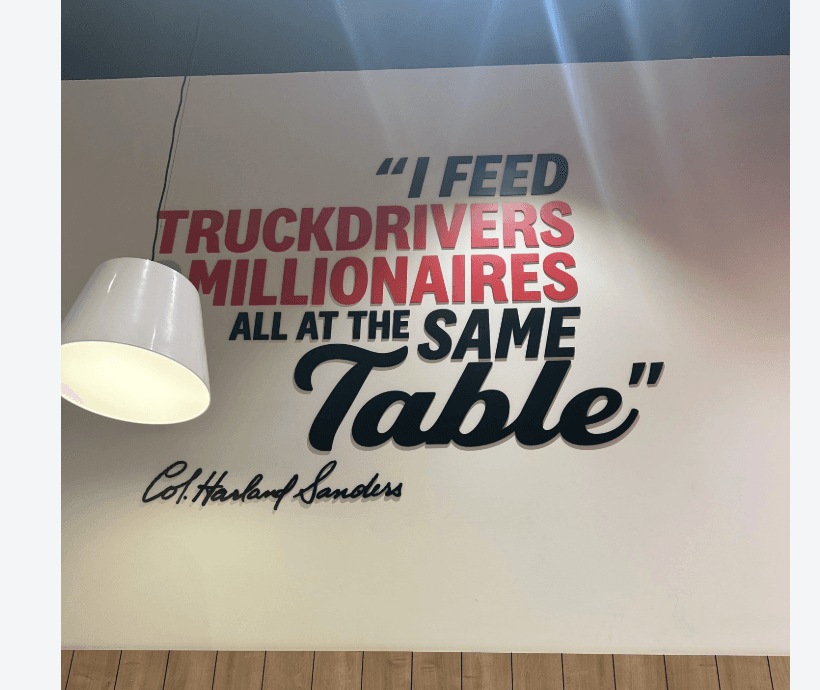
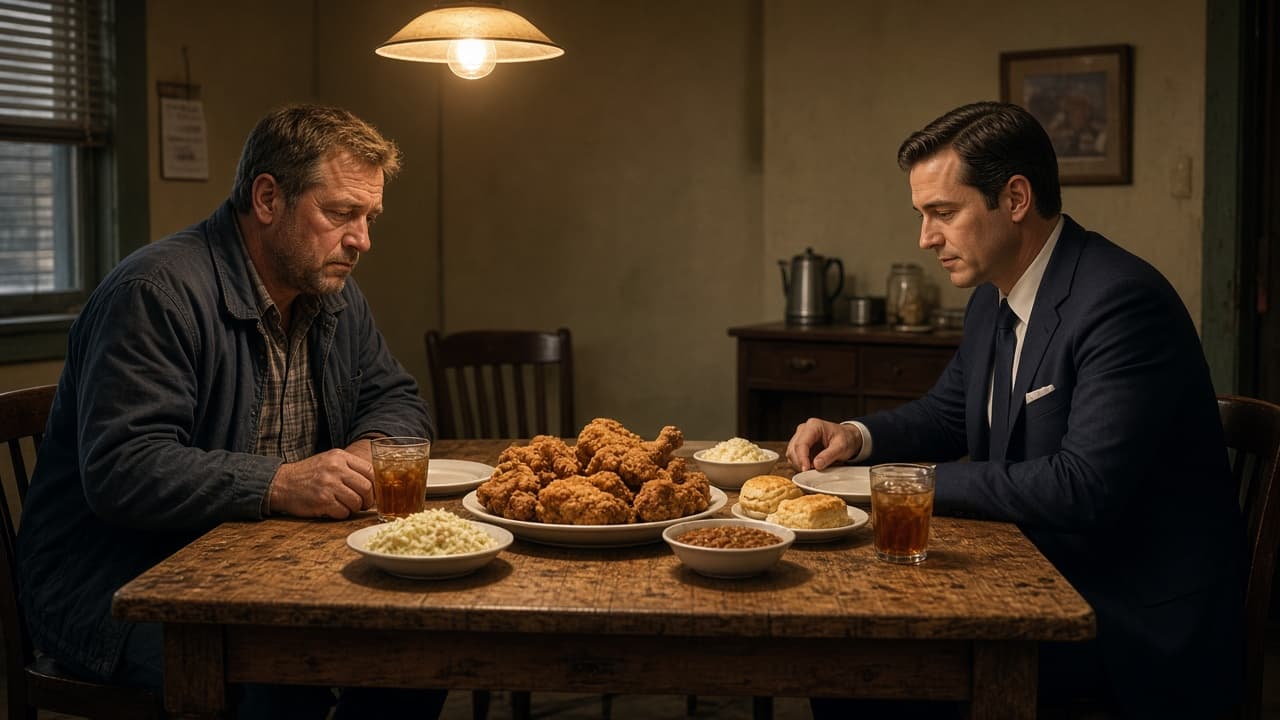
“I feed truck drivers, millionaires all at the same table,” said our American founder, Colonel Sanders. The line is not marketing fluff. It is the ethic he practiced when his dining room was literally one table in the back of a Kentucky filling station. Status did not get a better plate. Hunger did. If you are measuring your life against other people’s highlight reels, start here instead: the table was the same for everyone.
Harland Sanders was born on 9 September 1890 on a farm near Henryville, Indiana. His father died when Harland was about five. His mother worked away from home for long stretches. He learned to cook for younger siblings because hunger does not wait for adulthood. He left school early and left home around thirteen. From there the résumé reads like a scrapbook of almosts and firings: farmhand, streetcar conductor, railroad fireman, insurance salesman, ferry operator, acetylene lamp salesman, tire salesman, lawyer for a stretch in justice-of-the-peace courts, soldier for a short enlistment, chamber of commerce secretary, filling station manager. He was not lazy. He was unfinished. Many doors opened. Many slammed. None of them yet said KFC.
Family life was as unstable as the job list. In 1908, at eighteen, he married Josephine King of Jasper, Alabama. They had three children: Margaret, Harland Jr. and Mildred. Early in the marriage, after Sanders lost another job while traveling, Josephine left him. She gave away furniture, took the children to her parents and stopped writing. Her brother sent a letter that cut to the bone, calling Sanders a no-good man who could not hold a job. In his 1974 autobiography, Sanders later admitted he went to Jasper, hid in the woods near the Kings’ house and planned to take the children when they came out to play. The kids did not appear. He walked to the porch, talked with his father-in-law and eventually made peace with Josephine. They stayed married for decades after that rupture. The reconciliation was real. So was the scar. Biographers note he never fully forgave the first abandonment. They divorced in 1947, after about thirty-nine years of marriage.
Grief hit the family harder still. Harland Jr. died young, around age twenty, after blood poisoning following a tonsillectomy. A routine procedure by the standards of the day ended a child’s life and left a father who already knew failure in business knowing failure that no franchise could fix. Accounts of Sanders’s adult life also mention periods of depression. The motivational internet prefers a cartoon of endless grit. The real man carried private weight while he cooked for strangers.
In 1949 he married Claudia Ledington, a longtime café employee who became partner, cook and later co-namesake of a dinner house. Claudia stayed with him through the franchise years, the fame years and the bitter years after he sold the company. If Josephine’s chapter is about a marriage that cracked under joblessness, Claudia’s chapter is about a partnership that outlasted KFC’s corporate owners.
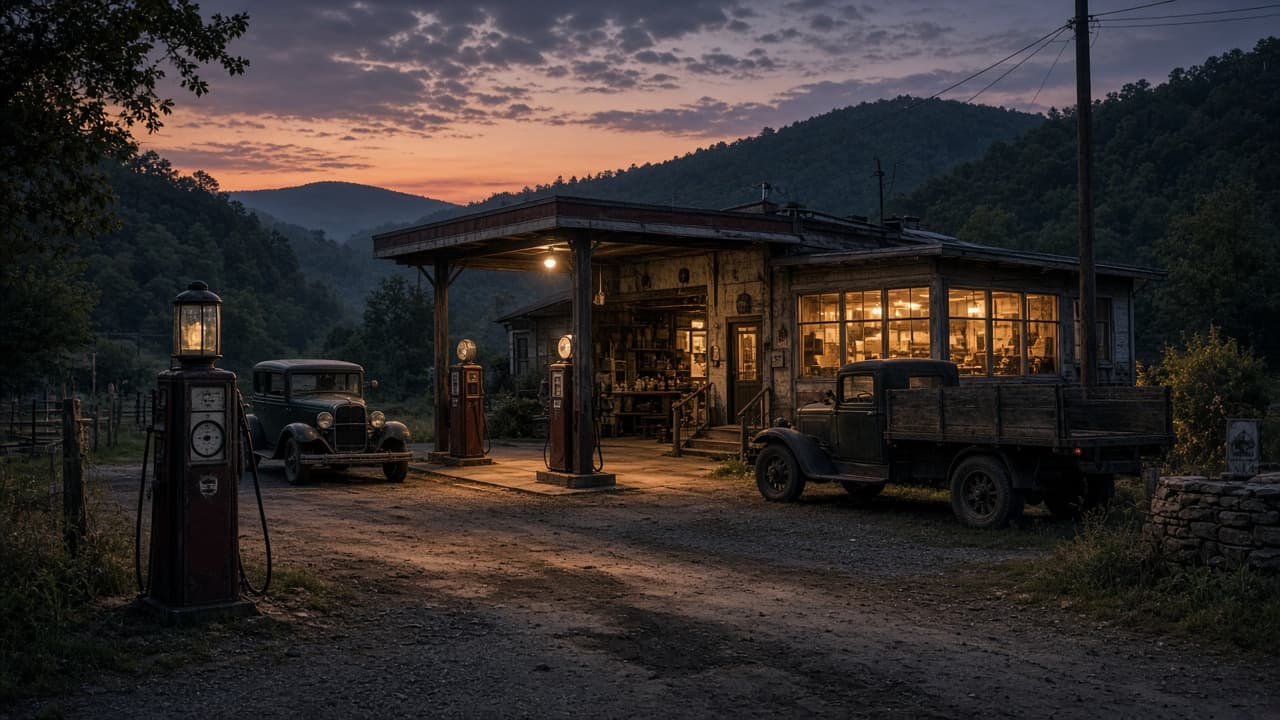
By 1930, around age forty, Sanders was running a Shell service station in North Corbin, Kentucky, on U.S. Route 25. Travelers complained there was nowhere decent to eat. He answered by rolling his own dining table into a storage room, laying linoleum and cooking country ham, biscuits, vegetables and fried chicken for whoever walked in. Truckers. Salesmen. Locals. Later, people with money. Same table. That humble room grew into Sanders Court & Café: more seats, a motel, a reputation strong enough that Duncan Hines listed the place and Kentucky made him an honorary colonel for his contribution to the state’s food. The title was honorary. The work was not.
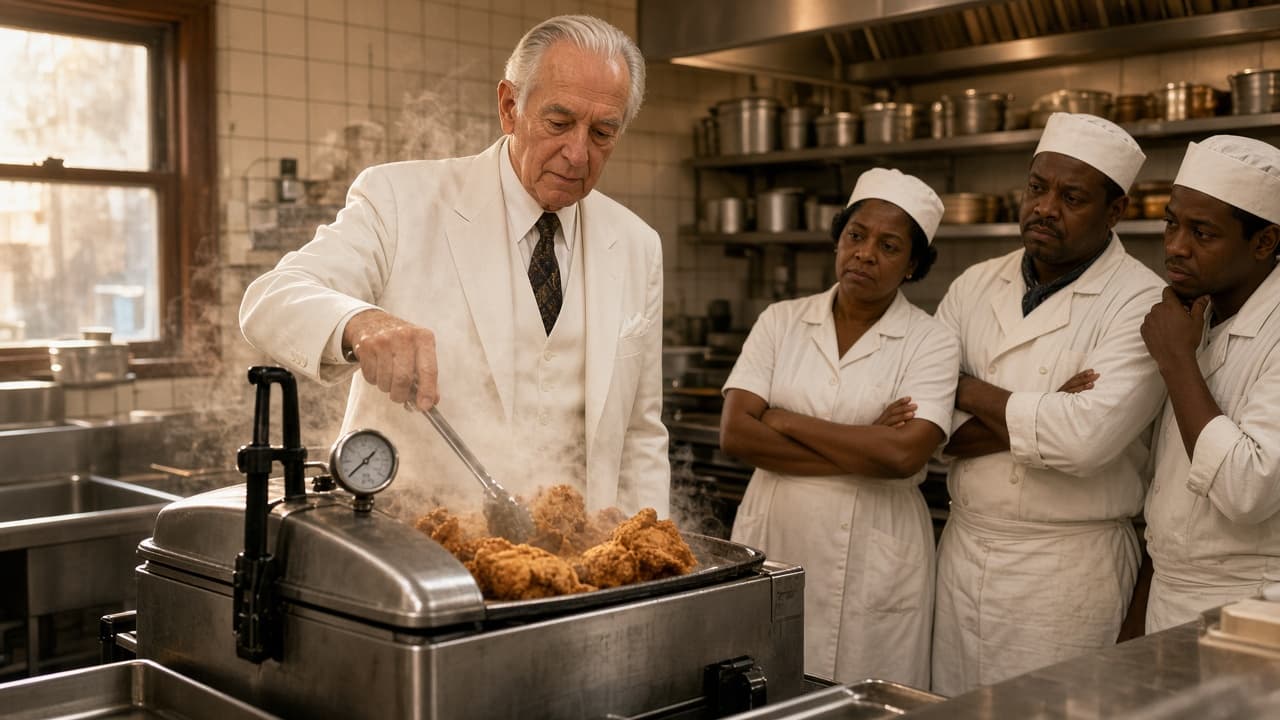
The chicken that made him famous took years to perfect. Pan-frying was too slow for hungry travelers who would not wait half an hour. In the late 1930s Sanders adapted pressure cooking so chicken could fry faster without going dry. He settled on a blend of eleven herbs and spices that KFC still guards as Original Recipe. Even then, growth was uneven. An early attempt to expand restaurants in Kentucky failed. A motel and restaurant venture in Asheville, North Carolina, failed. World War II gas rationing crushed roadside traffic. If you are keeping score for “too late,” notice how many chapters look like endings before the franchise chapter begins.
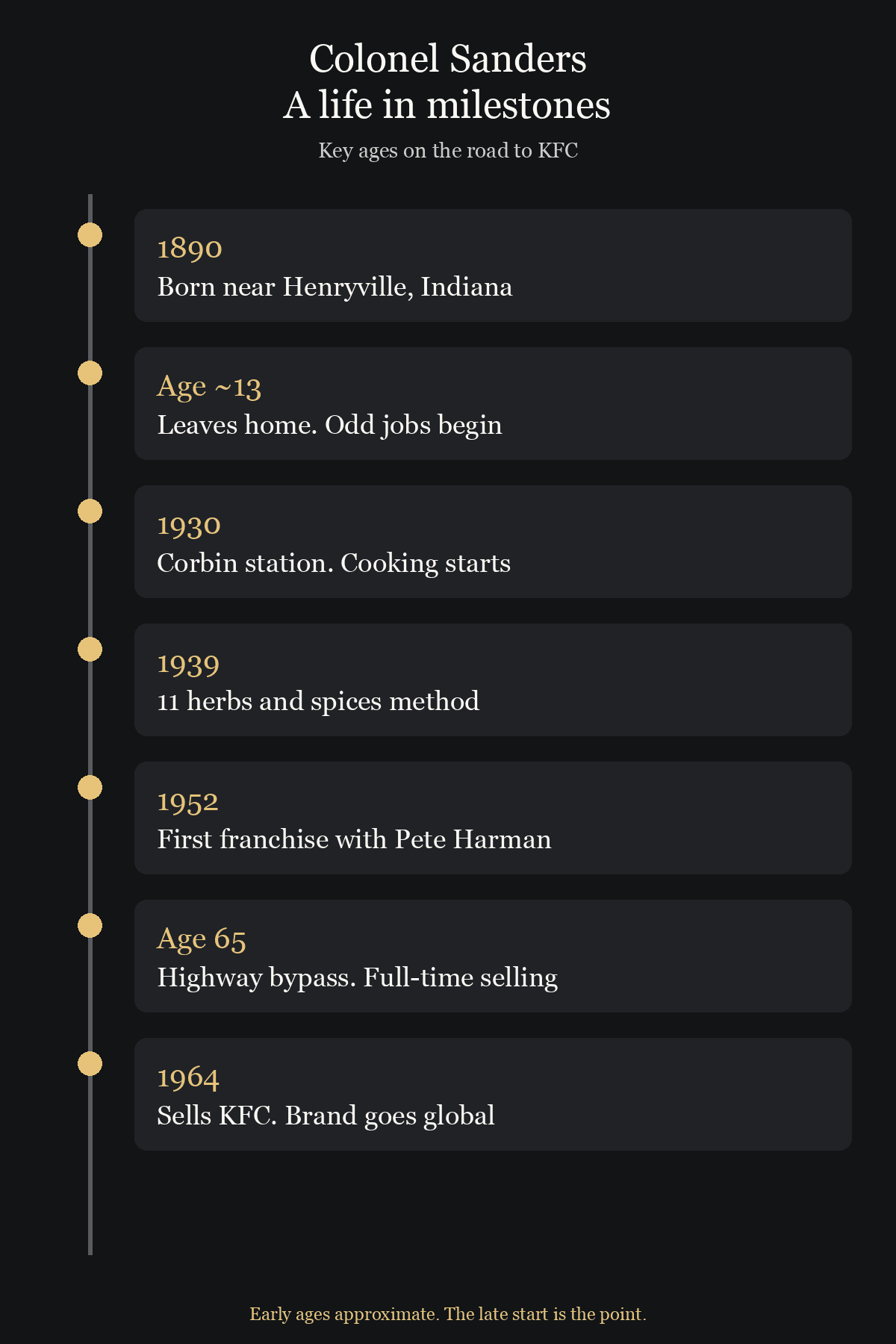
In 1952 Sanders franchised the recipe to Pete Harman in South Salt Lake, Utah. Harman’s sales jumped. A sign painter’s wording, Kentucky Fried Chicken, stuck because it sounded like Southern hospitality in a Western city. Other owners followed, paying Sanders a few cents per chicken. Franchising was still a side channel while Corbin paid the bills. Then the map changed. Plans for Interstate 75 routed traffic away from his café. In the mid-1950s Sanders sold the Corbin property, often described as a painful sale after decades of building. Accounts put him near sixty-five or sixty-six, with savings and about $105 a month from Social Security.
Here the internet usually inserts a suicide scene. Treat it carefully. Viral memes claim Sanders sat under a tree writing his will, decided life was not worth living and only then rediscovered chicken. Fact-checkers, including Snopes, find no evidence he attempted or planned suicide. What he did write about that season is tougher and more useful. With a thin government cheque in hand he said it was not a matter of giving up. It was a problem of what to do next. Despair is human. Inventing a suicide attempt to make the story “inspirational” insults both history and people who actually fight suicidal thoughts. The real pivot was colder: an older man, a bypassed business and a decision to keep moving.
He packed pressure cookers, seasoning and stubbornness into a car. He slept in the back seat. He walked into restaurants uninvited, cooked his chicken and waited. How many rejected him? Popular tellings shout “1,009 times.” That neat number is not a documented corporate ledger. Treat it as folklore. What is documented is a long stretch of locked doors, thin income and repeated noes from owners who would not gamble on an aging stranger with a spice blend. Hundreds of conversations ended in rejection before Kentucky Fried Chicken became a chain people chased. When someone said yes, he taught the method, collected a royalty of a few cents per bird and drove to the next town. By the early 1960s he had hundreds of outlets across North America. Demand began finding him.
In 1964, at about seventy-three, a group of investors led by John Y. Brown Jr. and Jack C. Massey bought the company for about $2 million, plus a lifetime salary for Sanders as brand ambassador. He kept Canadian operations for a time. KFC kept growing into a global chain. The white suit and string tie became one of the most familiar faces in advertising. On paper, this is the happy ending. In life, it is where a different kind of hard season began.
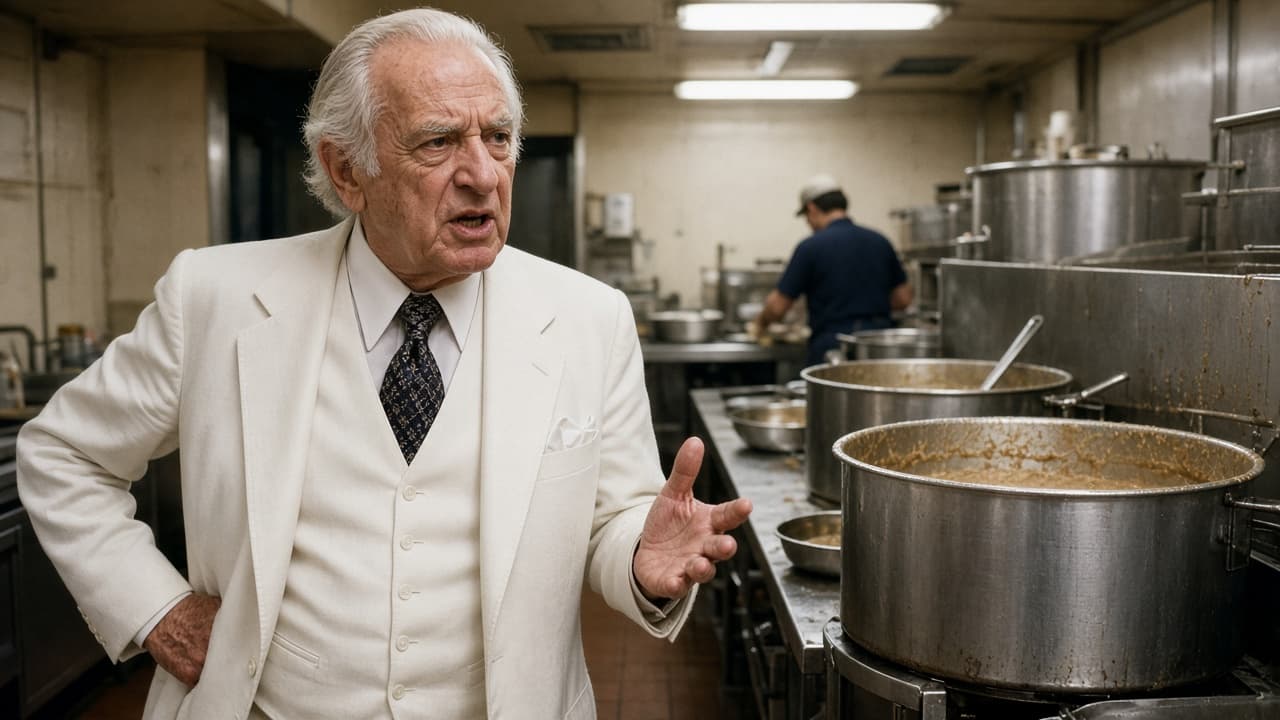
Sanders later regretted how corporate owners simplified recipes to save time and money. He called company gravy sludge with a wallpaper taste and said Extra Crispy was a fried doughball stuck on chicken. He made surprise visits to restaurants into the late 1970s and berated franchisees when the food disappointed him. In the 1970s he fought Heublein, then KFC’s parent company, in court over use of his image and over his and Claudia’s dinner-house plans in Shelbyville. Heublein sued him for libel. He sued back. They settled for about $1 million in 1975 and the Claudia Sanders Dinner House was allowed to continue under a cleared name. So the “after retirement” years were not a soft rocking chair. They were lawsuits, public fury, endless travel as a goodwill ambassador and a man watching his name sell food he sometimes hated.
He kept promoting the brand into old age, often by car, covering vast miles each year. He died on 16 December 1980 in Louisville at ninety, of pneumonia. Claudia lived on into the 1990s. By then KFC was already a worldwide language for fried chicken. The boy who cooked for siblings, the husband whose first wife walked out, the father who buried a son, the operator who failed in Asheville, the pensioner who knocked on doors and the founder who sued his own company had become permanent American folklore.
So, are you late?
Late compared with what? A classmate’s promotion? An influencer’s fake timeline? A culture that treats thirty as obsolescence and sixty as disappearance? Sanders’s life answers without softness. You can lose jobs, lose a marriage for a season, bury a child, sell a café at a loss, hear hundreds of noes and still build something that outlives you. You can also “win” and still fight for quality until your last decade. He did not win because he never failed. He won because failure never got the last word.
If you feel behind, borrow four habits from the Colonel. First, serve the person in front of you without ranking them. Truck drivers and millionaires at the same table is not only a KFC slogan. It is a way to stay human while you build. Second, improve the craft until the craft can travel without you. The herbs and spices and the pressure method mattered more than charm. Third, treat a closed door as data, not destiny. Whether the rejection count was hundreds or the mythical thousand, the practice was the same: cook again tomorrow. Fourth, tell the truth about hard seasons. Do not invent suicide for drama. Do not hide family rupture for branding. Real encouragement survives honesty.
A message to the world from this American founder’s arc is blunt. Age is not a disqualifier. Poverty is not a prophecy. A wife leaving is not the end of your usefulness. A dead child’s absence never becomes fair, yet grief and work can share a life. A bypassed highway is not the end of the map. Selling the company is not the end of caring. KFC did not begin as a global empire. It began as a man who refused to let a thin Social Security cheque write his final chapter. If you are still breathing, still learning and still willing to feed someone well, you are not late. You are in the middle of the only story that can still change.
Eagle Frame’s closing line is the one we want you to keep: stop asking whether you missed your moment. Ask whether you will cook the next one. Colonel Sanders did. The world is still eating the result.
Are you late?
If that question sits in your chest like a verdict, this story is for you. Not as a pep talk that melts by Monday. As a full record of a man who failed in public, lost family peace, buried a son, got bypassed by a highway, heard “no” from restaurant after restaurant and still built Kentucky Fried Chicken into one of the most recognisable food brands on earth. His name was Harland David Sanders. The world knows him as Colonel Sanders, the face of KFC. His calendar did not look like a success story for most of his life. That is exactly why it still matters.
“I feed truck drivers, millionaires all at the same table,” said our American founder, Colonel Sanders. The line is not marketing fluff. It is the ethic he practiced when his dining room was literally one table in the back of a Kentucky filling station. Status did not get a better plate. Hunger did. If you are measuring your life against other people’s highlight reels, start here instead: the table was the same for everyone.
Harland Sanders was born on 9 September 1890 on a farm near Henryville, Indiana. His father died when Harland was about five. His mother worked away from home for long stretches. He learned to cook for younger siblings because hunger does not wait for adulthood. He left school early and left home around thirteen. From there the résumé reads like a scrapbook of almosts and firings: farmhand, streetcar conductor, railroad fireman, insurance salesman, ferry operator, acetylene lamp salesman, tire salesman, lawyer for a stretch in justice-of-the-peace courts, soldier for a short enlistment, chamber of commerce secretary, filling station manager. He was not lazy. He was unfinished. Many doors opened. Many slammed. None of them yet said KFC.
Family life was as unstable as the job list. In 1908, at eighteen, he married Josephine King of Jasper, Alabama. They had three children: Margaret, Harland Jr. and Mildred. Early in the marriage, after Sanders lost another job while traveling, Josephine left him. She gave away furniture, took the children to her parents and stopped writing. Her brother sent a letter that cut to the bone, calling Sanders a no-good man who could not hold a job. In his 1974 autobiography, Sanders later admitted he went to Jasper, hid in the woods near the Kings’ house and planned to take the children when they came out to play. The kids did not appear. He walked to the porch, talked with his father-in-law and eventually made peace with Josephine. They stayed married for decades after that rupture. The reconciliation was real. So was the scar. Biographers note he never fully forgave the first abandonment. They divorced in 1947, after about thirty-nine years of marriage.
Grief hit the family harder still. Harland Jr. died young, around age twenty, after blood poisoning following a tonsillectomy. A routine procedure by the standards of the day ended a child’s life and left a father who already knew failure in business knowing failure that no franchise could fix. Accounts of Sanders’s adult life also mention periods of depression. The motivational internet prefers a cartoon of endless grit. The real man carried private weight while he cooked for strangers.
In 1949 he married Claudia Ledington, a longtime café employee who became partner, cook and later co-namesake of a dinner house. Claudia stayed with him through the franchise years, the fame years and the bitter years after he sold the company. If Josephine’s chapter is about a marriage that cracked under joblessness, Claudia’s chapter is about a partnership that outlasted KFC’s corporate owners.
By 1930, around age forty, Sanders was running a Shell service station in North Corbin, Kentucky, on U.S. Route 25. Travelers complained there was nowhere decent to eat. He answered by rolling his own dining table into a storage room, laying linoleum and cooking country ham, biscuits, vegetables and fried chicken for whoever walked in. Truckers. Salesmen. Locals. Later, people with money. Same table. That humble room grew into Sanders Court & Café: more seats, a motel, a reputation strong enough that Duncan Hines listed the place and Kentucky made him an honorary colonel for his contribution to the state’s food. The title was honorary. The work was not.
The chicken that made him famous took years to perfect. Pan-frying was too slow for hungry travelers who would not wait half an hour. In the late 1930s Sanders adapted pressure cooking so chicken could fry faster without going dry. He settled on a blend of eleven herbs and spices that KFC still guards as Original Recipe. Even then, growth was uneven. An early attempt to expand restaurants in Kentucky failed. A motel and restaurant venture in Asheville, North Carolina, failed. World War II gas rationing crushed roadside traffic. If you are keeping score for “too late,” notice how many chapters look like endings before the franchise chapter begins.
In 1952 Sanders franchised the recipe to Pete Harman in South Salt Lake, Utah. Harman’s sales jumped. A sign painter’s wording, Kentucky Fried Chicken, stuck because it sounded like Southern hospitality in a Western city. Other owners followed, paying Sanders a few cents per chicken. Franchising was still a side channel while Corbin paid the bills. Then the map changed. Plans for Interstate 75 routed traffic away from his café. In the mid-1950s Sanders sold the Corbin property, often described as a painful sale after decades of building. Accounts put him near sixty-five or sixty-six, with savings and about $105 a month from Social Security.
Here the internet usually inserts a suicide scene. Treat it carefully. Viral memes claim Sanders sat under a tree writing his will, decided life was not worth living and only then rediscovered chicken. Fact-checkers, including Snopes, find no evidence he attempted or planned suicide. What he did write about that season is tougher and more useful. With a thin government cheque in hand he said it was not a matter of giving up. It was a problem of what to do next. Despair is human. Inventing a suicide attempt to make the story “inspirational” insults both history and people who actually fight suicidal thoughts. The real pivot was colder: an older man, a bypassed business and a decision to keep moving.
He packed pressure cookers, seasoning and stubbornness into a car. He slept in the back seat. He walked into restaurants uninvited, cooked his chicken and waited. How many rejected him? Popular tellings shout “1,009 times.” That neat number is not a documented corporate ledger. Treat it as folklore. What is documented is a long stretch of locked doors, thin income and repeated noes from owners who would not gamble on an aging stranger with a spice blend. Hundreds of conversations ended in rejection before Kentucky Fried Chicken became a chain people chased. When someone said yes, he taught the method, collected a royalty of a few cents per bird and drove to the next town. By the early 1960s he had hundreds of outlets across North America. Demand began finding him.
In 1964, at about seventy-three, a group of investors led by John Y. Brown Jr. and Jack C. Massey bought the company for about $2 million, plus a lifetime salary for Sanders as brand ambassador. He kept Canadian operations for a time. KFC kept growing into a global chain. The white suit and string tie became one of the most familiar faces in advertising. On paper, this is the happy ending. In life, it is where a different kind of hard season began.
Sanders later regretted how corporate owners simplified recipes to save time and money. He called company gravy sludge with a wallpaper taste and said Extra Crispy was a fried doughball stuck on chicken. He made surprise visits to restaurants into the late 1970s and berated franchisees when the food disappointed him. In the 1970s he fought Heublein, then KFC’s parent company, in court over use of his image and over his and Claudia’s dinner-house plans in Shelbyville. Heublein sued him for libel. He sued back. They settled for about $1 million in 1975 and the Claudia Sanders Dinner House was allowed to continue under a cleared name. So the “after retirement” years were not a soft rocking chair. They were lawsuits, public fury, endless travel as a goodwill ambassador and a man watching his name sell food he sometimes hated.
He kept promoting the brand into old age, often by car, covering vast miles each year. He died on 16 December 1980 in Louisville at ninety, of pneumonia. Claudia lived on into the 1990s. By then KFC was already a worldwide language for fried chicken. The boy who cooked for siblings, the husband whose first wife walked out, the father who buried a son, the operator who failed in Asheville, the pensioner who knocked on doors and the founder who sued his own company had become permanent American folklore.
So, are you late?
Late compared with what? A classmate’s promotion? An influencer’s fake timeline? A culture that treats thirty as obsolescence and sixty as disappearance? Sanders’s life answers without softness. You can lose jobs, lose a marriage for a season, bury a child, sell a café at a loss, hear hundreds of noes and still build something that outlives you. You can also “win” and still fight for quality until your last decade. He did not win because he never failed. He won because failure never got the last word.
If you feel behind, borrow four habits from the Colonel. First, serve the person in front of you without ranking them. Truck drivers and millionaires at the same table is not only a KFC slogan. It is a way to stay human while you build. Second, improve the craft until the craft can travel without you. The herbs and spices and the pressure method mattered more than charm. Third, treat a closed door as data, not destiny. Whether the rejection count was hundreds or the mythical thousand, the practice was the same: cook again tomorrow. Fourth, tell the truth about hard seasons. Do not invent suicide for drama. Do not hide family rupture for branding. Real encouragement survives honesty.
A message to the world from this American founder’s arc is blunt. Age is not a disqualifier. Poverty is not a prophecy. A wife leaving is not the end of your usefulness. A dead child’s absence never becomes fair, yet grief and work can share a life. A bypassed highway is not the end of the map. Selling the company is not the end of caring. KFC did not begin as a global empire. It began as a man who refused to let a thin Social Security cheque write his final chapter. If you are still breathing, still learning and still willing to feed someone well, you are not late. You are in the middle of the only story that can still change.
Eagle Frame’s closing line is the one we want you to keep: stop asking whether you missed your moment. Ask whether you will cook the next one. Colonel Sanders did. The world is still eating the result.