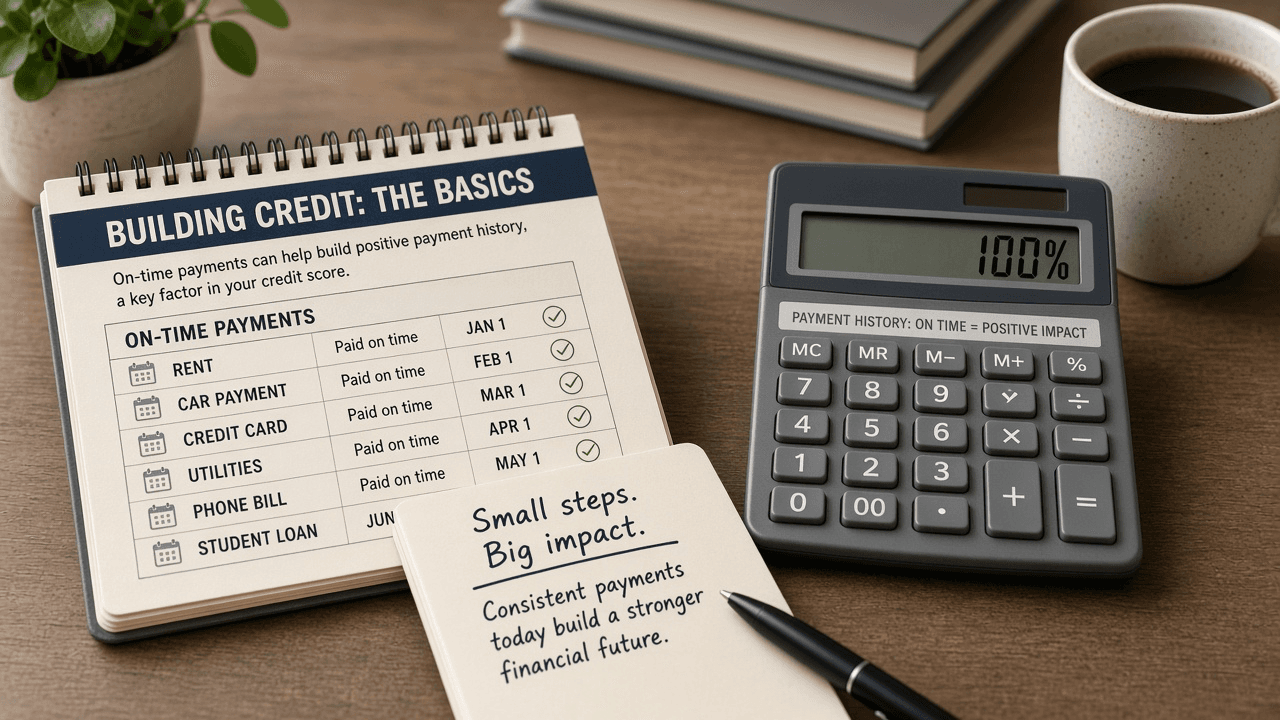
How to build credit fast
Build credit with on-time payments, low utilization, a secured card or authorized-user status on a responsible account. Avoid scam credit-repair products that promise instant fixes.
Credit building is evidence gathered over time, not an instant repair. Reports from Equifax, Experian and TransUnion contain borrowing and payment records. Scoring models interpret those records differently, so no legitimate person can promise a precise score increase by a certain date.
Begin with the reports at AnnualCreditReport.com, the federally authorized source. Compare names, addresses, account ownership, limits, balances and payment status across all three files. Dispute information only when it is inaccurate or incomplete. Send the dispute to both the bureau and the company that supplied the data.
Payment history is the largest category in a FICO Score. Put at least the minimum payment on autopay, keep enough money in the linked account and add a reminder several days before the due date. If an account is already behind, contact the creditor promptly about bringing it current or arranging hardship help.
Credit utilization compares revolving balances with available limits. CFPB notes that some experts advise staying below 30 percent while others suggest below 10 percent. Lower is generally better, but carrying a balance and paying interest is unnecessary. Paying the full statement balance by its due date protects against finance charges when the card has a grace period.
A thin file may benefit from one carefully chosen product that reports to all three bureaus. A secured card requires a deposit and may charge fees, so compare terms. Authorized-user status may help only if the issuer reports it and the primary cardholder maintains low balances and on-time payments. Do not buy a tradeline from a stranger.
New applications can add hard inquiries and too many accounts can strain a budget. Research eligibility before applying, avoid store cards opened only for a discount and keep older no-fee accounts open when they remain manageable. A small recurring purchase with full autopay can keep an unused card active without creating debt.
Step-by-step guide
Time: One to six months for noticeable movement on thin files
What you need
- Free credit reports from AnnualCreditReport.com
- Banking app or card issuer free score tool
- Secured card or credit-builder product if you qualify
- Calendar or autopay for payment due dates
- Notebook listing balances, limits and statement close dates
Before you start
- This is general consumer education, not personalized financial advice.
- Avoid credit-repair firms that guarantee deletion of accurate negative items or demand payment before work.
- Never give Social Security numbers or one-time passcodes to cold callers promising fast credit.
- Authorized user status only helps if the primary account stays in good standing.
Step 01
Pull reports and dispute real errors
Accurate negative history takes time to fade. Errors you can fix now.
Do this step in order
1a
Get reports from AnnualCreditReport.com
Request Equifax, Experian and TransUnion reports from the official site. Read every account line.
1b
Mark unfamiliar accounts and wrong late marks
Compare with your own statements. Identity theft and reporting mistakes happen.
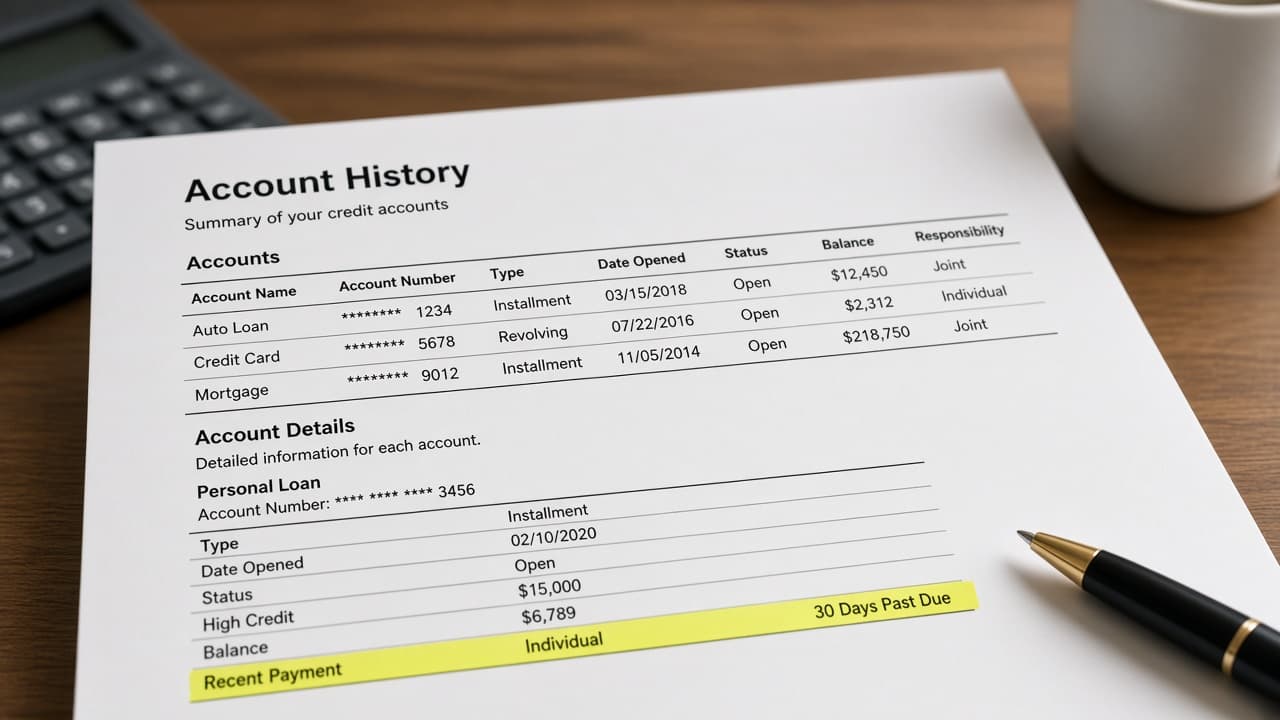
Flag accounts and late marks that do not match your records. 1c
File disputes with bureaus and companies
Use each bureau's online dispute process and notify the furnisher. Keep copies of what you send.
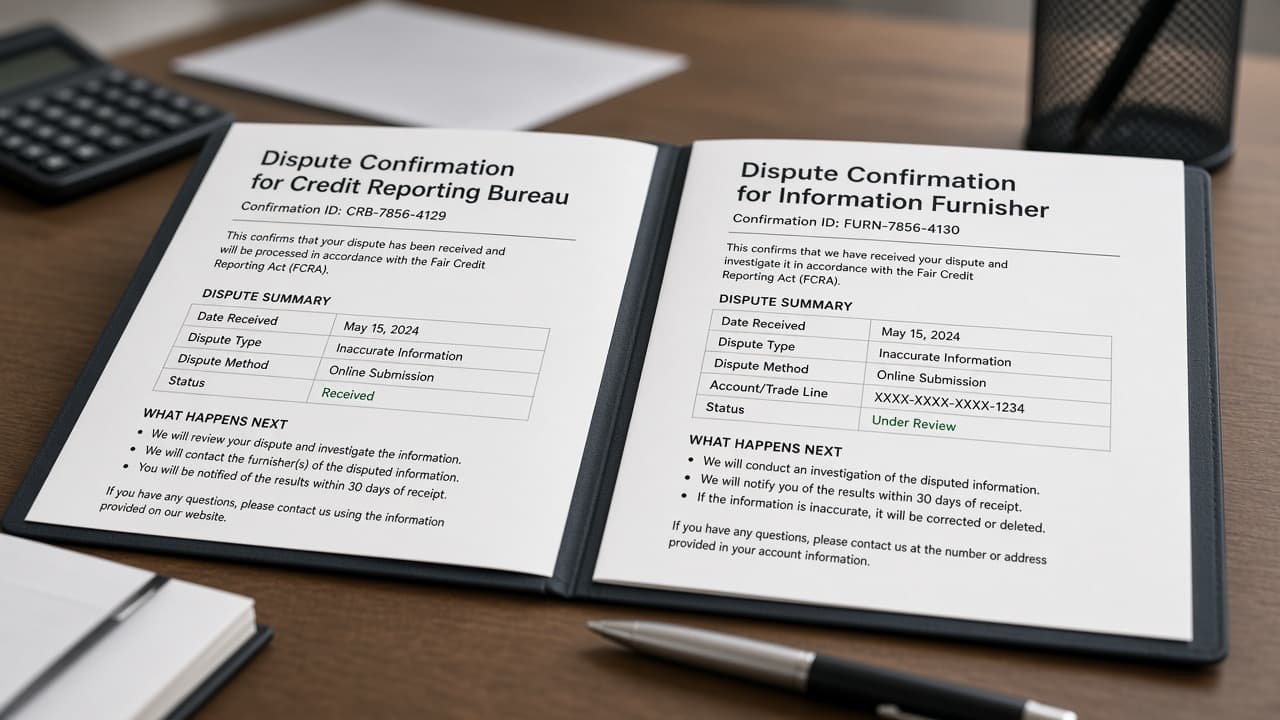
Send disputes to both the bureau and the data furnisher. 1d
Reject paid repair scams for accurate data
Common mistake: paying someone who promises to erase accurate late payments instantly. Walk away from guarantees that ignore the law.
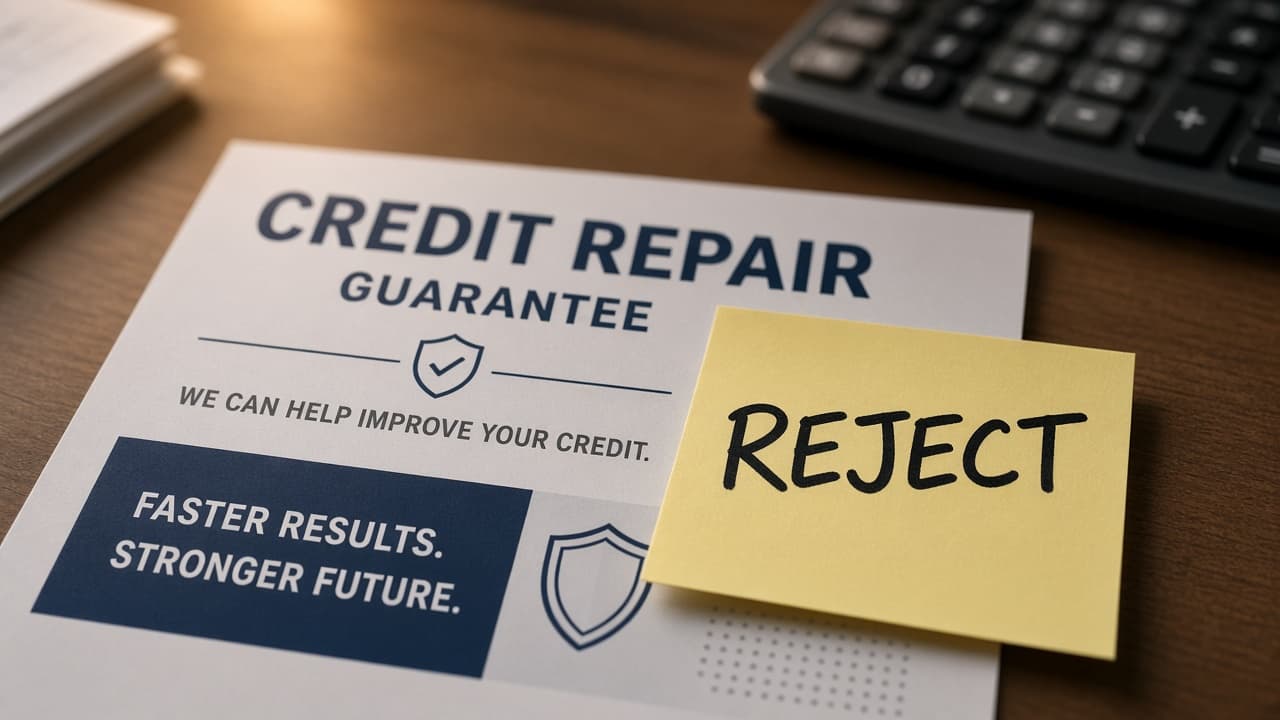
Accurate negatives are not deleted by fee and wishful thinking.
Step 02
Put every payment on autopay
On-time history is the foundation. Autopay prevents forgetfulness.
Do this step in order
2a
Enable autopay for minimum due on each account
Cover cards, loans and phone plans that report to bureaus. Confirm the payment account has funds on due dates.
2b
Set calendar alerts before due dates
Backup reminders help if autopay fails because a card expired or a bank link broke.
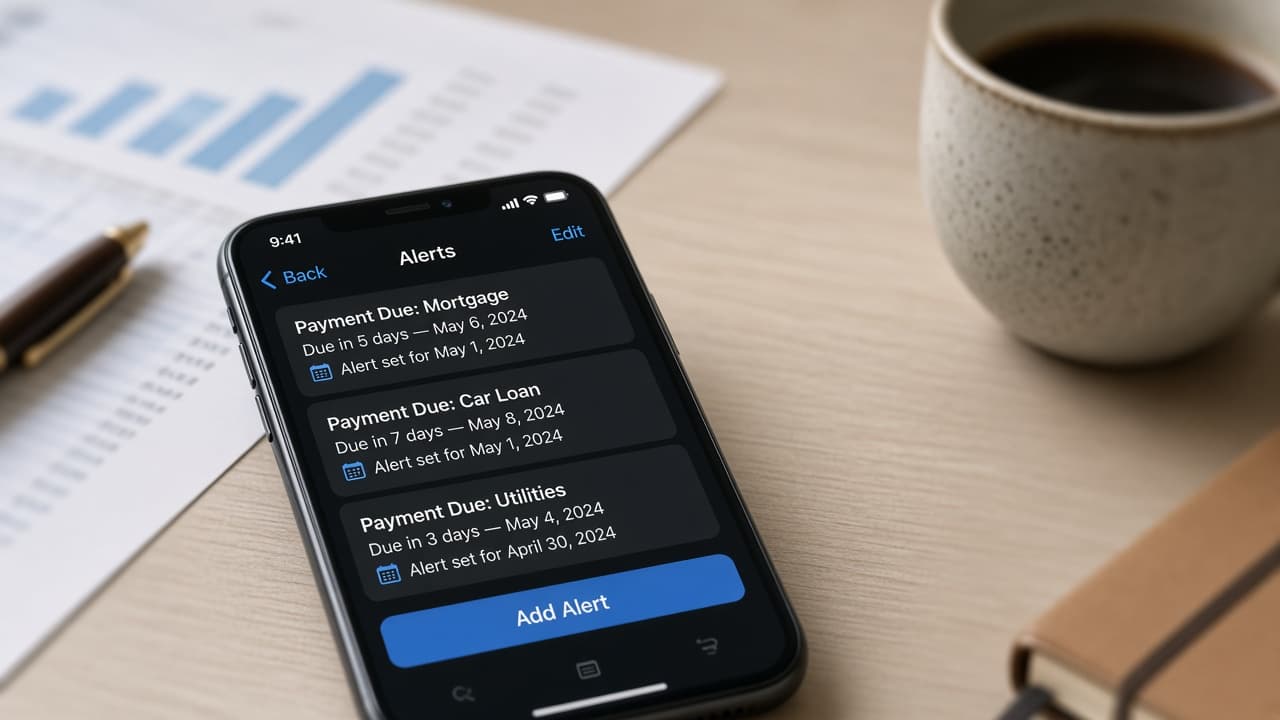
Backup alerts catch failed autopay before a late posts. 2c
Catch up recent lates if you can
Bring accounts current. Ongoing lates hurt more than old ones as time passes.
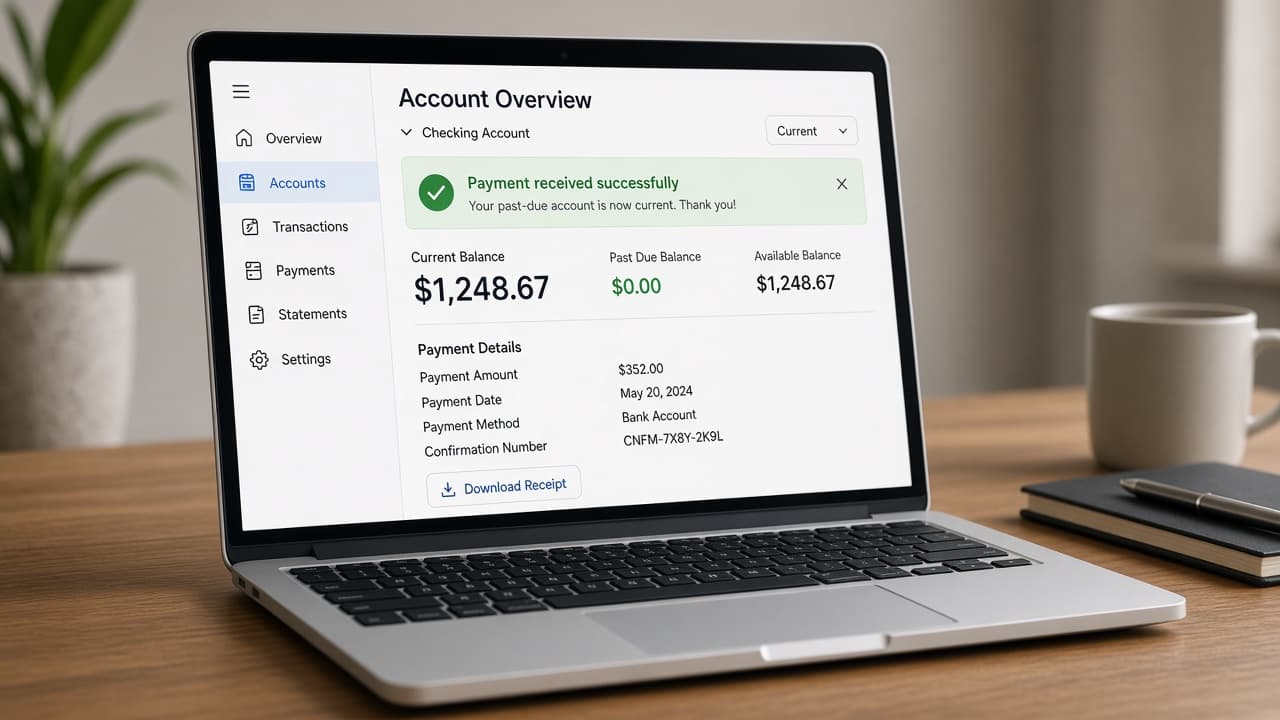
Getting current stops new late marks from stacking. 2d
Call before a payment becomes late
Common mistake: waiting until after the due date to ask for help. Contact the creditor first and get any arrangement in writing.
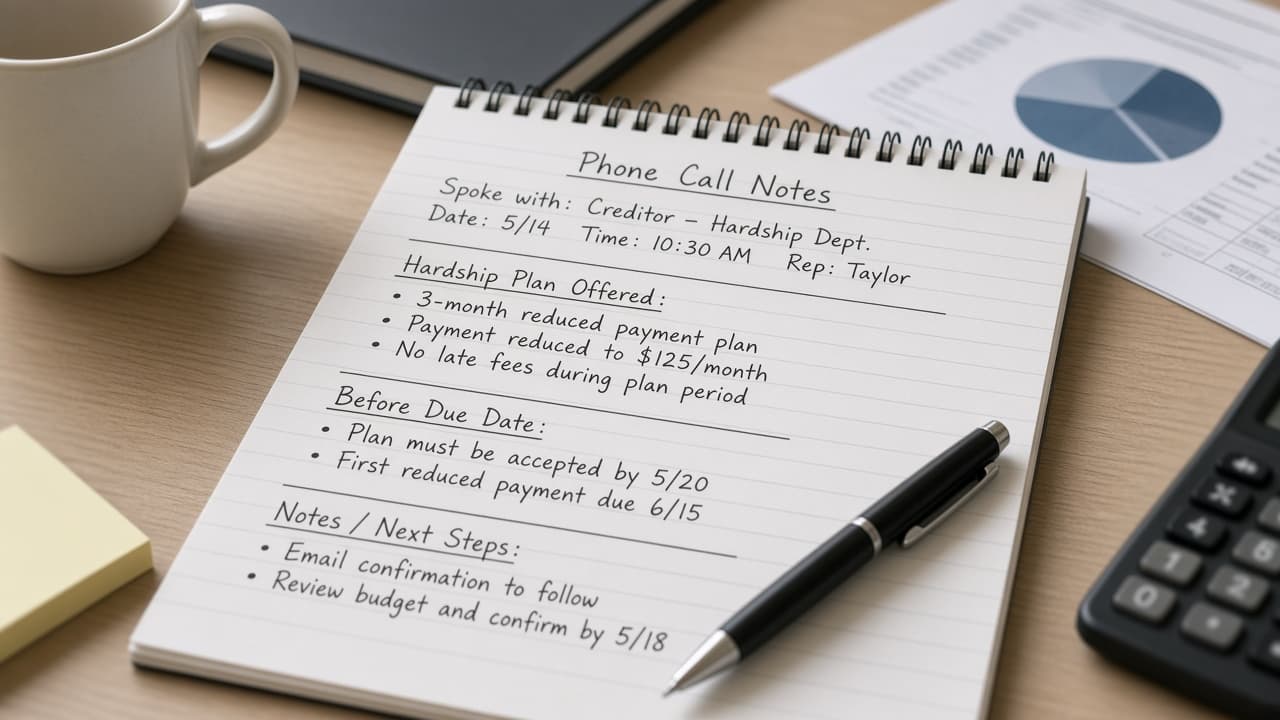
Ask for help before the payment turns late.
Step 03
Lower utilization before statement closes
Reported balances matter. Pay early when you are carrying debt.
Do this step in order
3a
List each card limit and balance
Utilization is balance divided by limit on each card and across all cards together.
3b
Pay down before the statement closing date
If you only pay on the due date, the high statement balance may already have reported.
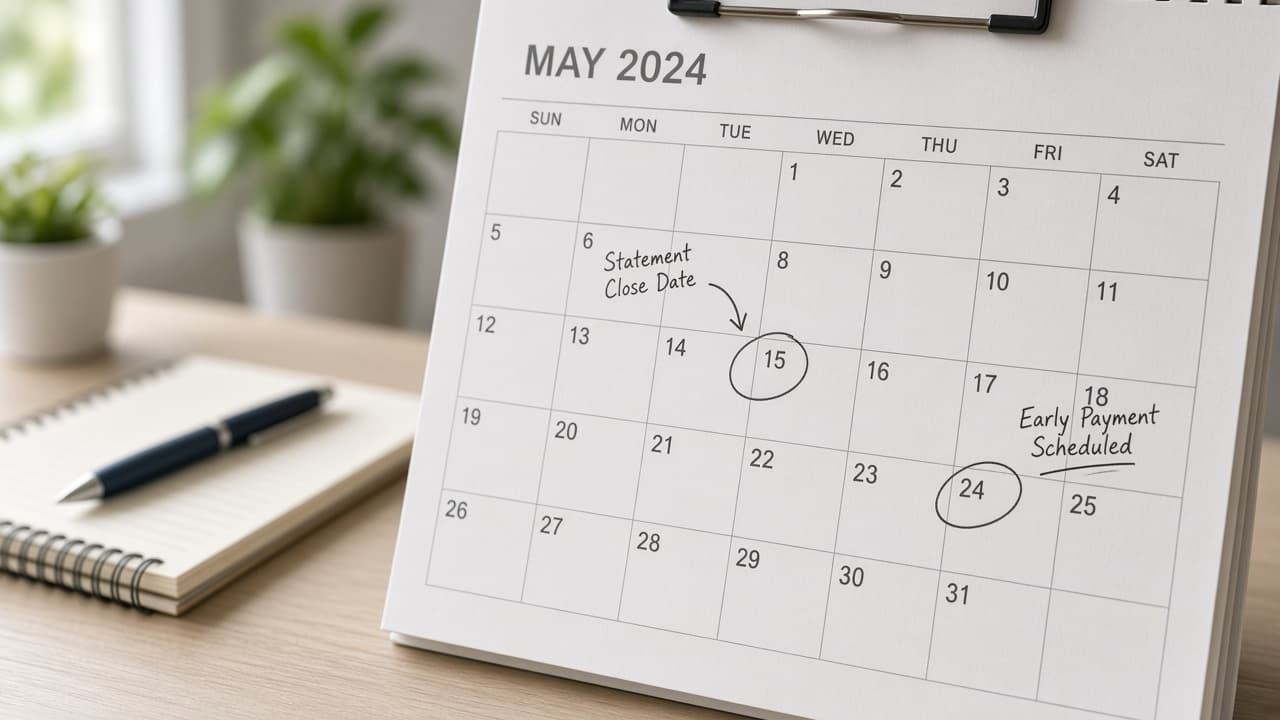
Pay before the statement closes if you need a lower reported balance. 3c
Request a limit increase only with discipline
A higher limit lowers utilization if spending stays flat. Do not spend more because the limit rose.
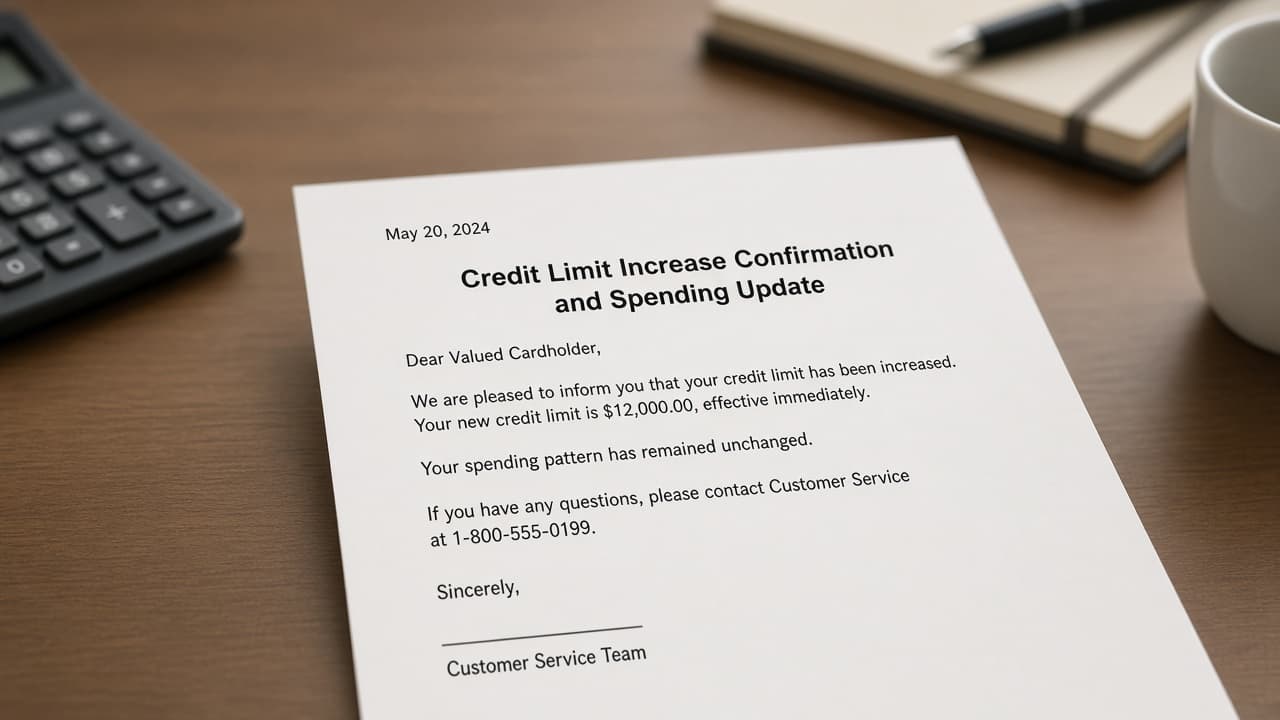
Higher limits help only when spending stays the same. 3d
Avoid maxing starter cards
Common mistake: charging a $300 secured card to the limit. That line can report 100 percent utilization even if you pay later.
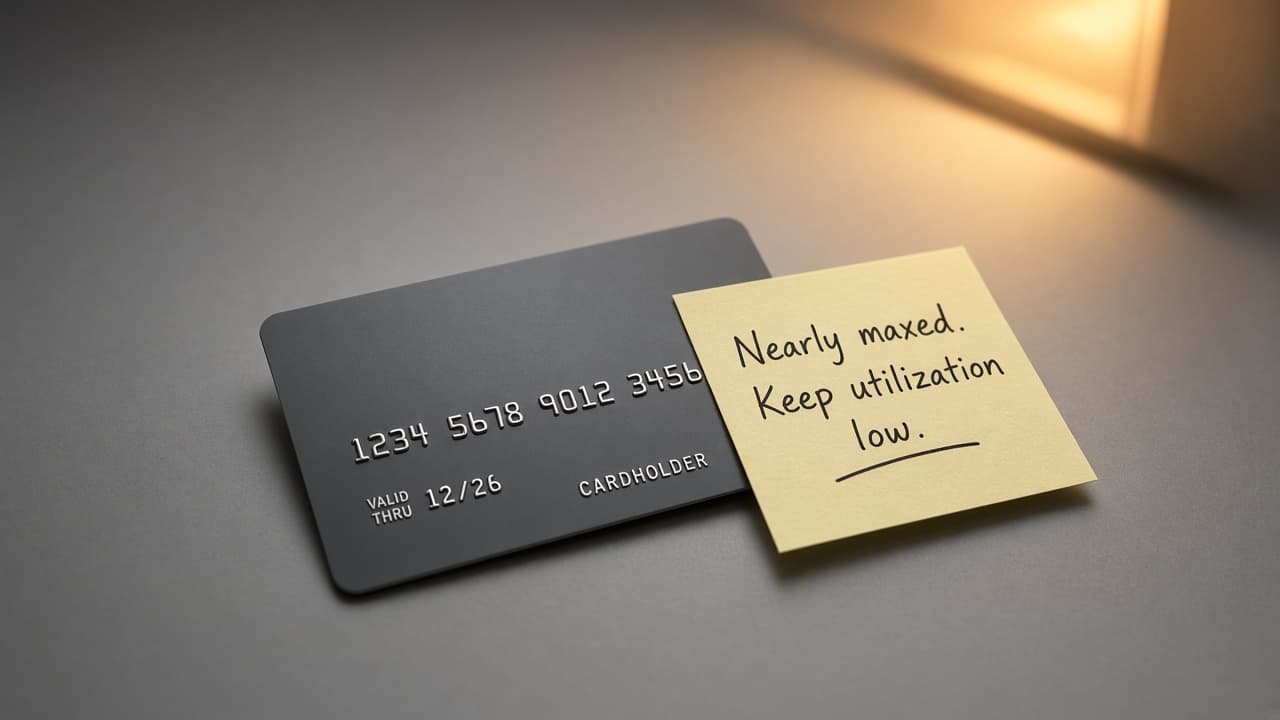
A tiny limit looks worse when it is fully charged.
Step 04
Add positive history with one solid account
Thin files need a well-managed account, not a stack of new cards.
Do this step in order
4a
Consider a secured credit card
You deposit collateral and receive a small limit. Use lightly and pay on time. Graduate to unsecured products later if the issuer offers it.
4b
Ask about authorized user status
A trusted person with a long clean account can add you if their issuer reports authorized users. One strong account beats three new subprime cards.

Authorized user help only works on a well-managed primary account. 4c
Confirm the product reports to all three bureaus
A card that never reports will not build the file you expect. Check issuer terms before you pay fees.
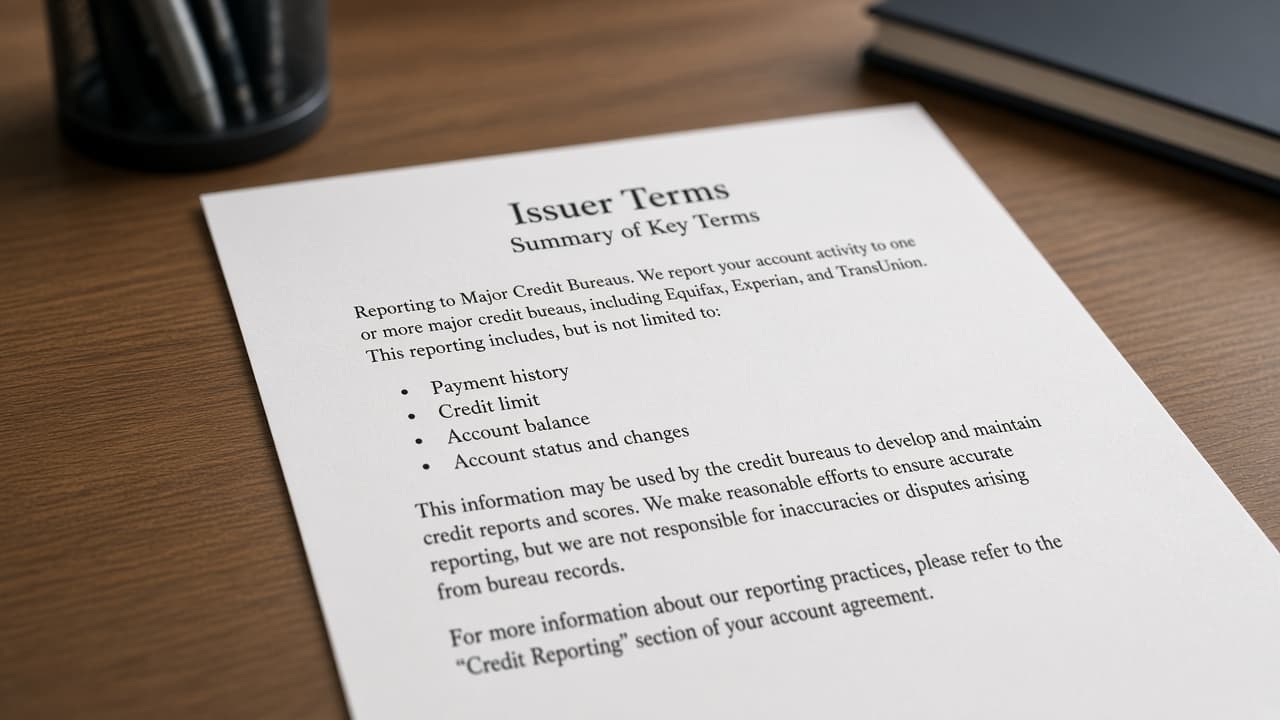
Confirm reporting before you pay annual or setup fees. 4d
Do not buy a tradeline from a stranger
Common mistake: paying an online seller to add you as an authorized user on an unknown account. That path is risky and often against issuer rules.
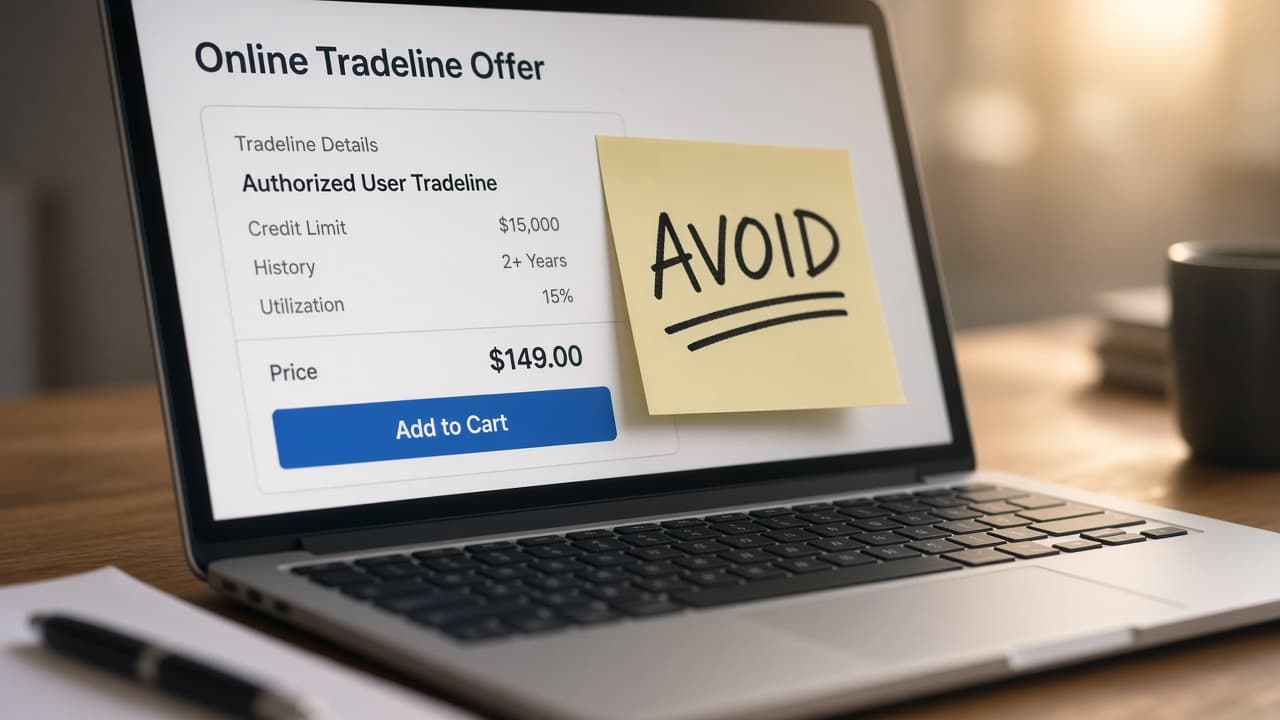
Skip paid stranger tradelines.
Step 05
Space applications and protect account age
New inquiries and closed old cards can slow the progress you just made.
Do this step in order
5a
Space hard inquiries
Each new application may ding score slightly. Research one product that fits your file instead of applying everywhere.
5b
Keep old accounts open when affordable
Closing your oldest card can shorten average age. If there is no fee, a small recurring charge plus autopay can keep it active.
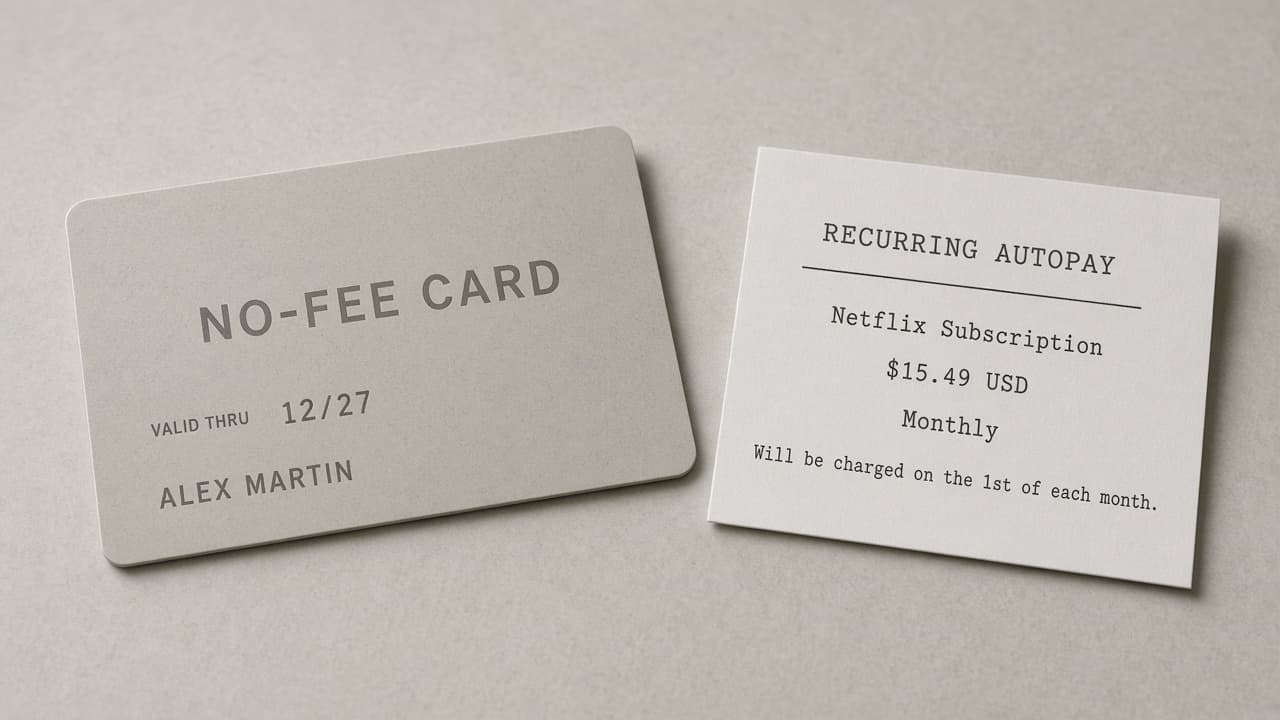
Age and open history matter. Keep no-fee cards you can manage. 5c
Avoid store cards opened only for a discount
A same-day discount is expensive if it adds an inquiry and a high-rate balance you did not plan to carry.

Skip impulse store cards that only chase a discount. 5d
Do not open five cards in one month
Common mistake: stacking applications because building credit fast sounds like collecting plastic. One well-used account beats a pile of new inquiries.
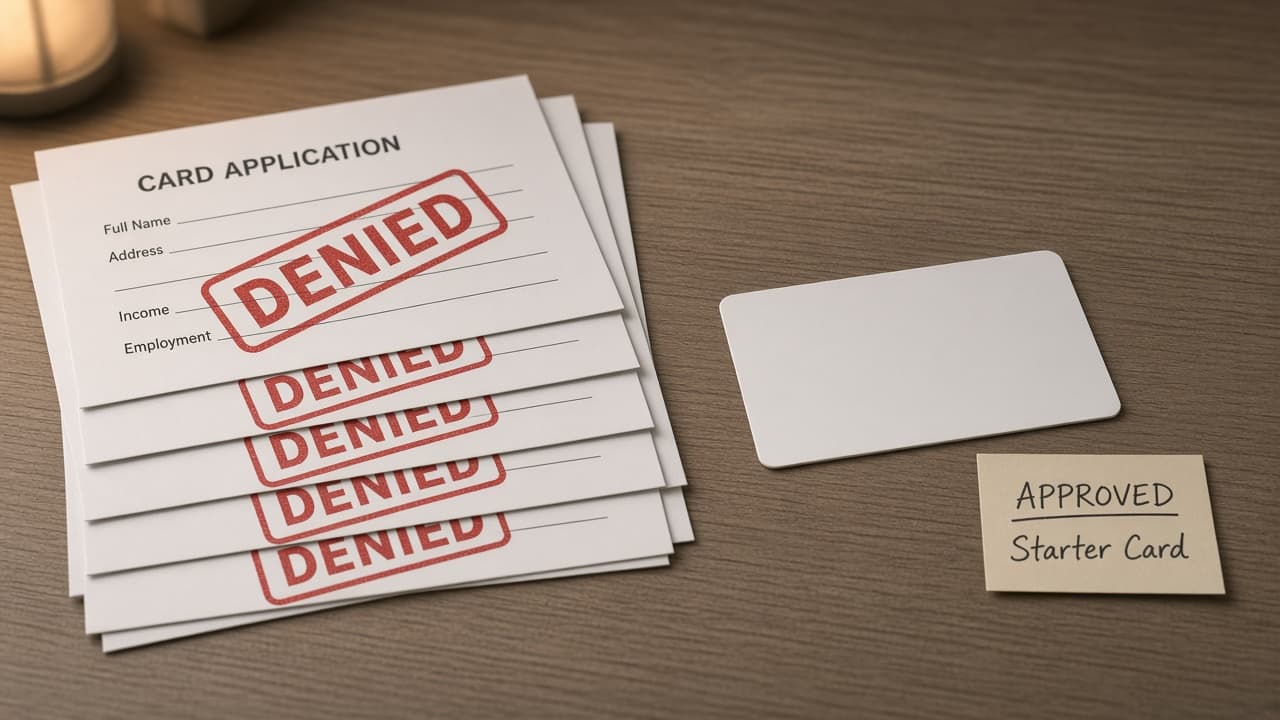
One solid account beats an application binge.
Step 06
Reject scams and quick-fix promises
Illegal or empty promises waste money and can create new fraud problems.
Do this step in order
6a
Ignore cold callers asking for one-time passcodes
Never give Social Security numbers or one-time passcodes to strangers promising fast credit.
6b
Walk away from pay-first repair guarantees
Legitimate credit repair does not demand payment before work or promise deletion of accurate negatives.
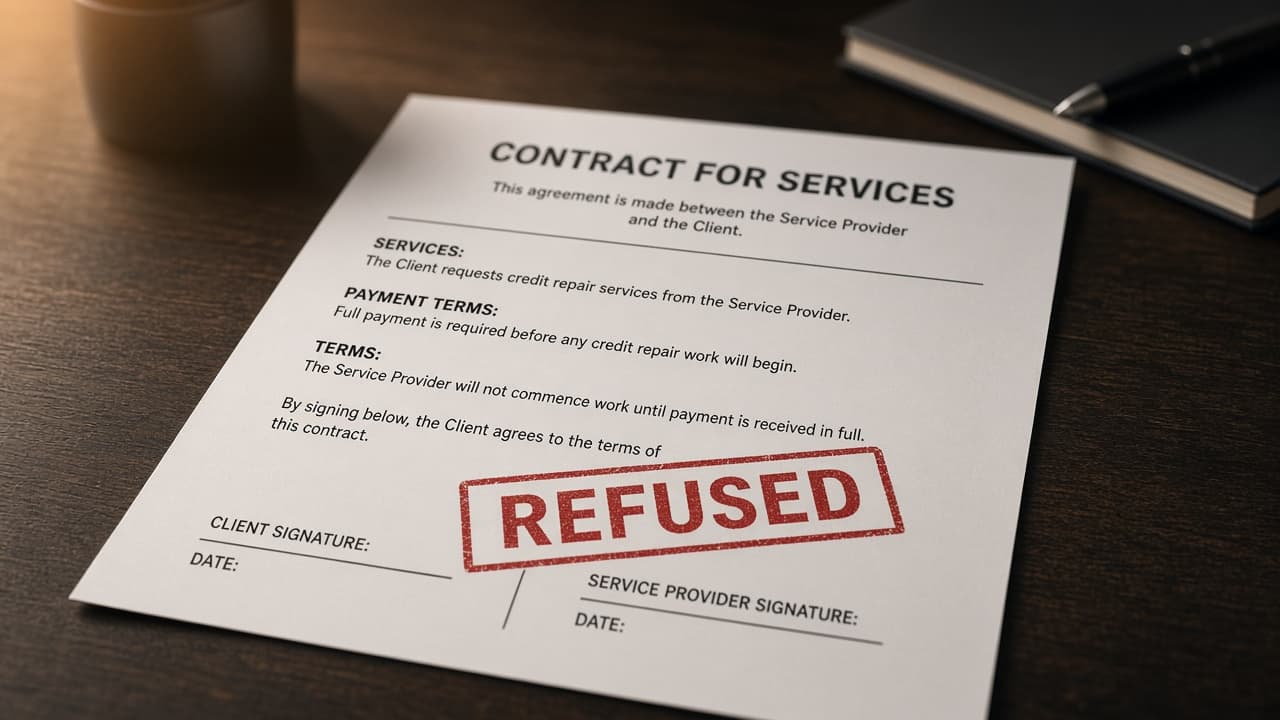
No pay-before-work repair guarantees. 6c
Keep your own dispute paper trail
You can dispute errors yourself through official bureau channels. Keep copies rather than handing control to a high-pressure seller.
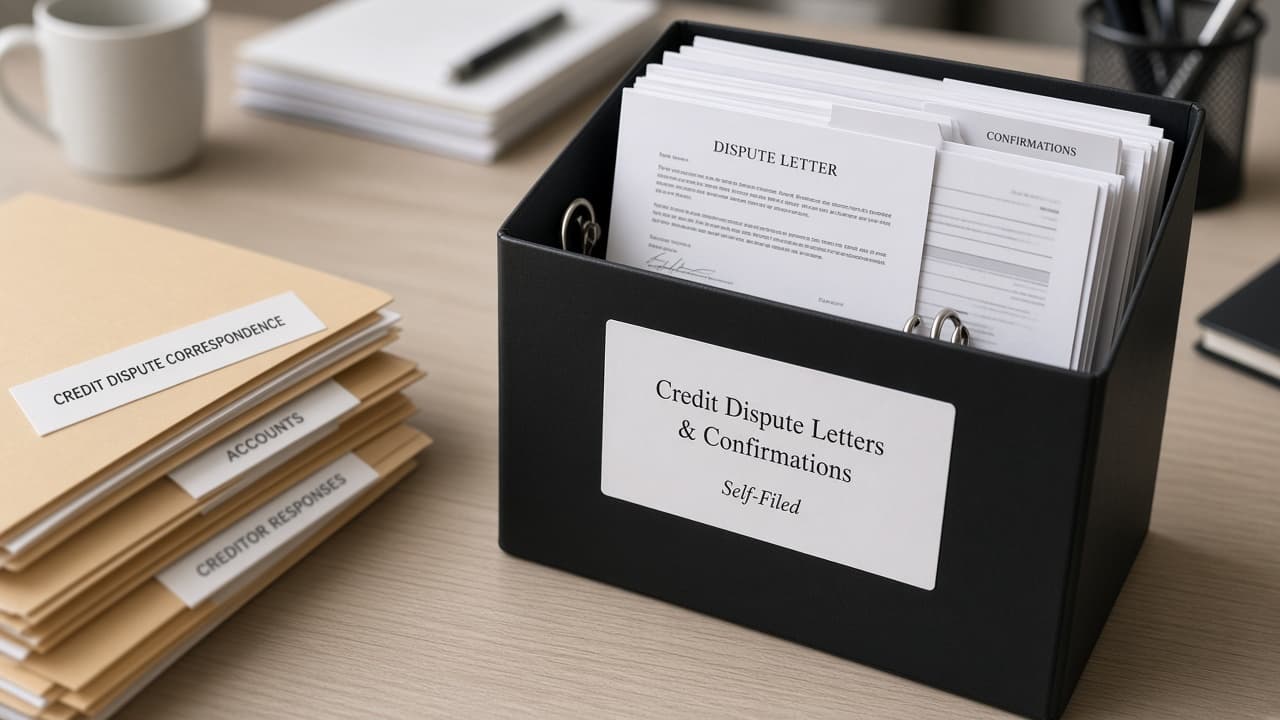
Your own dispute file beats a high-pressure middleman. 6d
Reject a new clean credit identity offer
Common mistake: buying a CPN or similar product marketed as a new credit identity. That path can be illegal and does not replace honest rebuilding.

There is no lawful shortcut new credit identity product.
Step 07
Review progress monthly and stay consistent
Scores move on repeated good months, not on one perfect weekend.
Do this step in order
7a
Check free scores and reports on a monthly cadence
Look for new errors, rising balances and forgotten due dates. Celebrate boring on-time months.
7b
Keep utilization low even after the score improves
A good month is not a reason to max the card again. The next statement can still report a high balance.
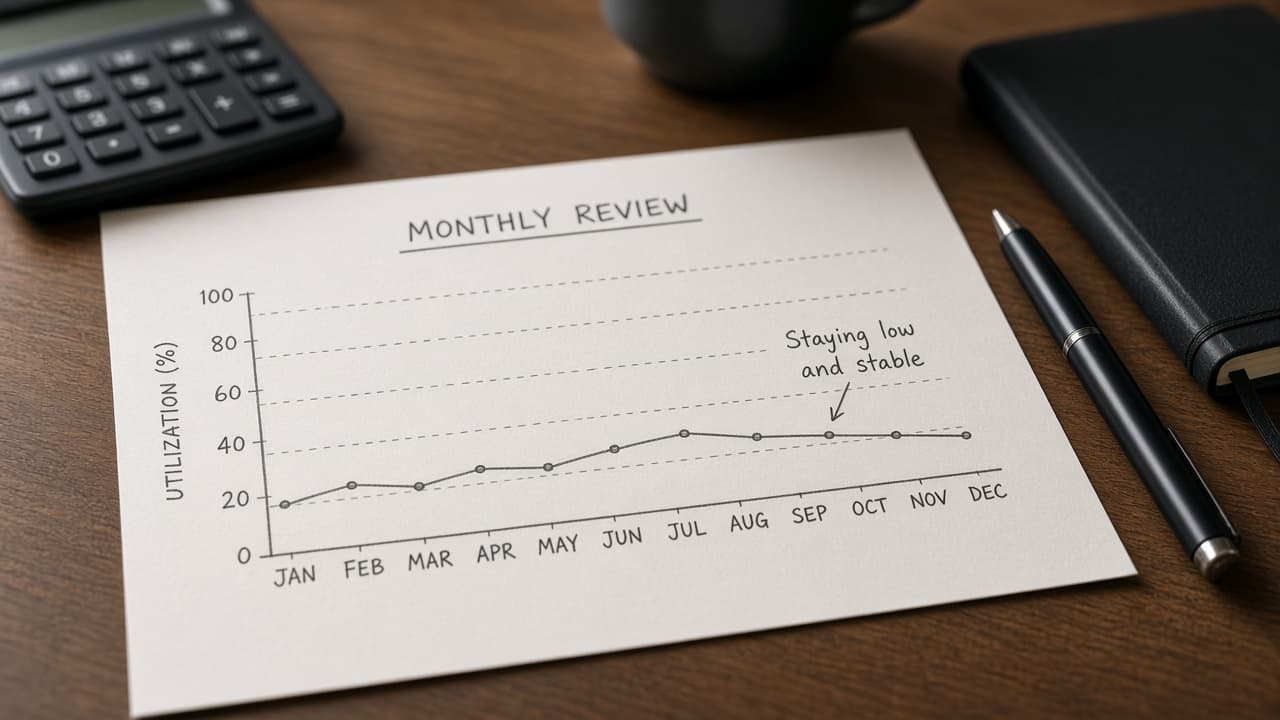
Protect low utilization after the score starts moving. 7c
Revisit goals when income or bills change
Update autopay amounts and due-date reminders after a job change, move or new loan so nothing slips.
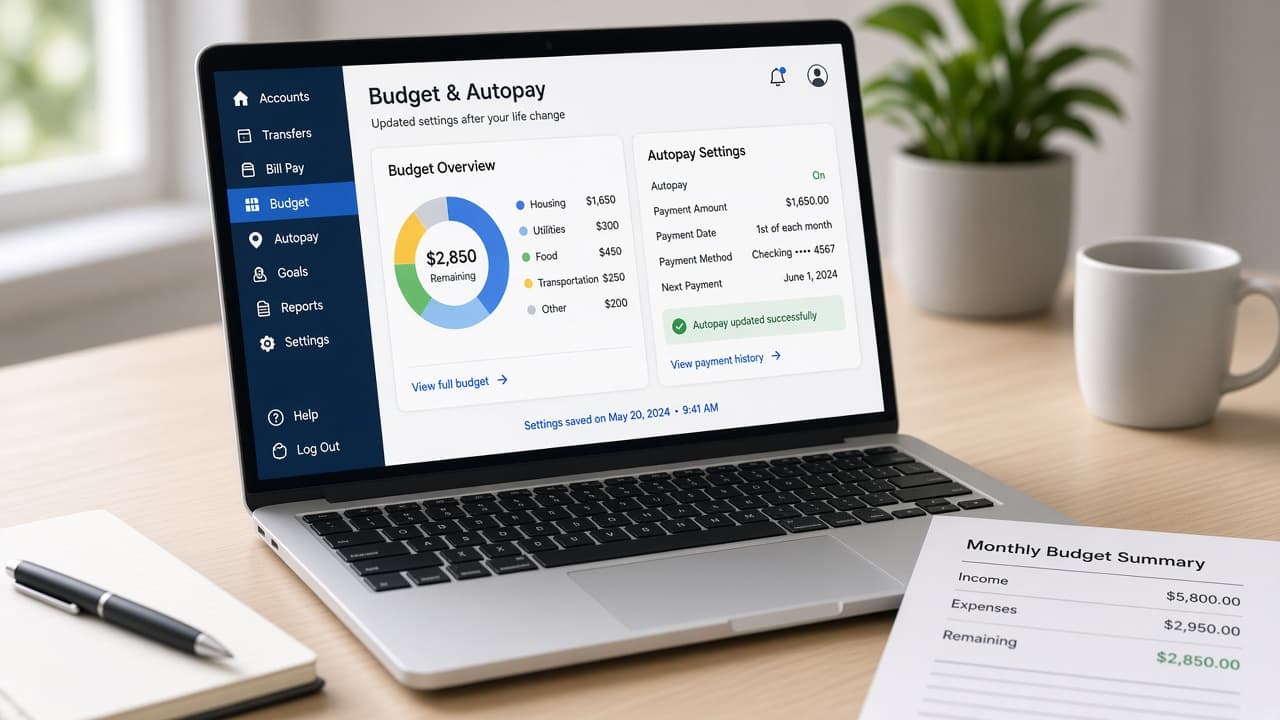
Life changes need autopay updates, not hope. 7d
Do not quit after one slow month
Common mistake: abandoning the plan because a score tool barely moved. Thin files and old negatives often need months of clean history.
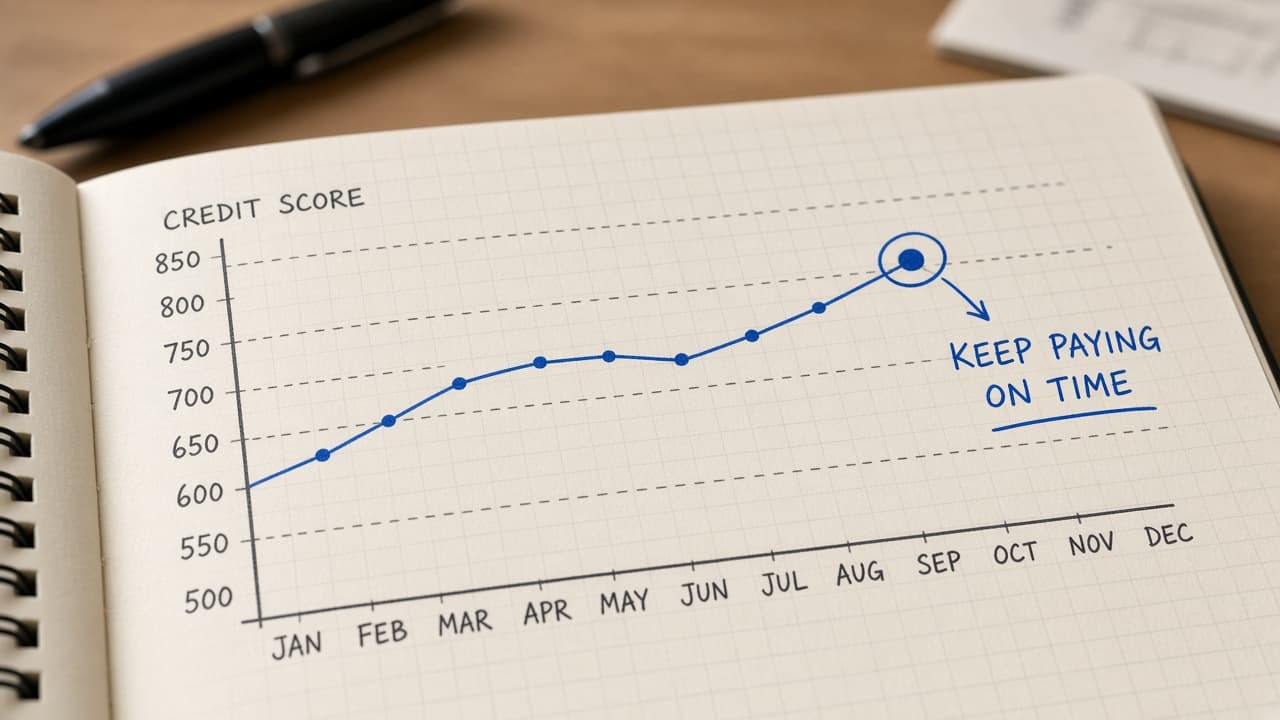
Stay consistent through slow months.
Done when
- Reports pulled and errors disputed
- Autopay enabled for minimums on all accounts
- Utilization tracked against statement dates
- Starter account opened if file is thin
- Hard inquiries spaced intentionally
- Scam repair offers declined
- Monthly progress review scheduled
Eagle Frame's takeaway: this is general consumer education, not personal financial, legal or lending advice. Check reports, correct genuine errors, pay every account on time, keep card balances low and add only affordable credit that serves a purpose. Reject anyone who promises to erase accurate information, create a new credit identity or charge before providing credit-repair work.