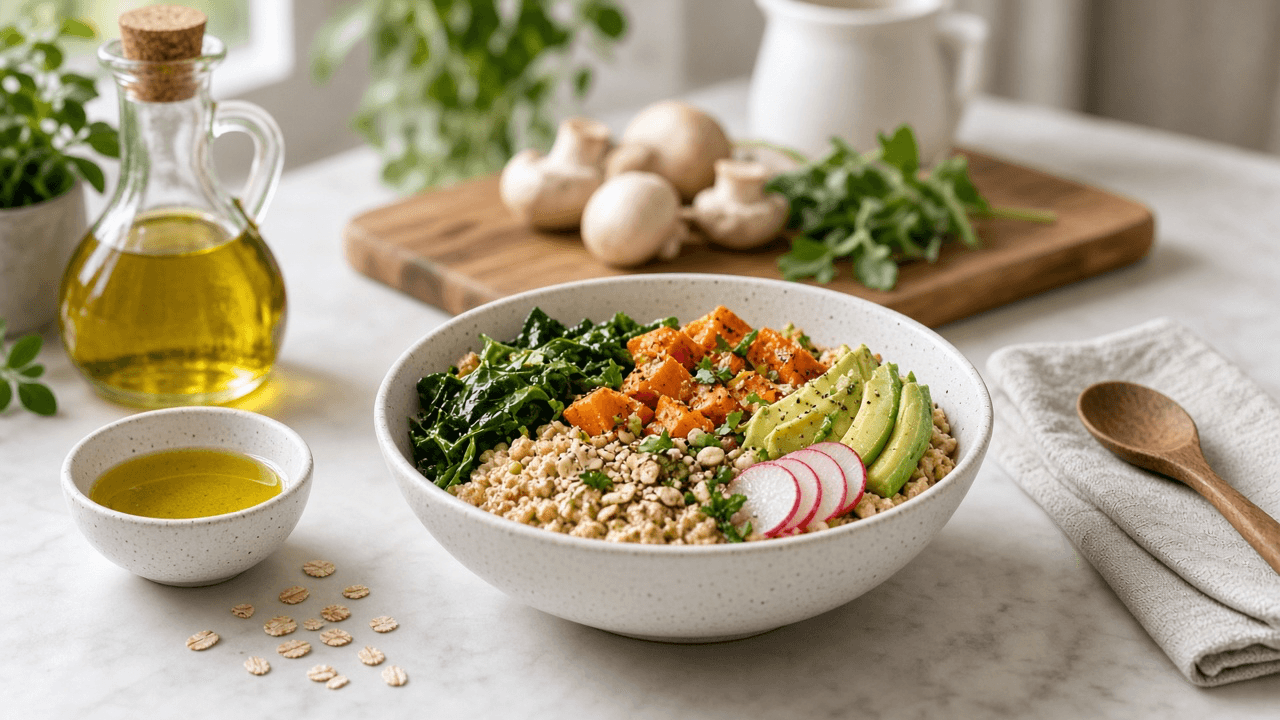
How to lower cholesterol naturally
Support healthier cholesterol with food patterns like Mediterranean-style eating, regular movement, sleep and smoking cessation, then track numbers with your doctor rather than chasing miracle supplements.
Cholesterol is a waxy substance your body uses to build cells and hormones. Blood tests usually report LDL (often called bad cholesterol), HDL (helpful carrier cholesterol) and triglycerides. High LDL over years can contribute to plaque in arteries, which raises cardiovascular risk. Lifestyle shifts can move numbers for many people, but they are not a replacement for medical care when your doctor recommends medication.
Food patterns matter more than any single miracle ingredient. Mediterranean-style eating, DASH-style plates and higher-fiber diets emphasize vegetables, beans, whole grains, nuts, fish and olive oil while limiting ultra-processed snacks, sugary drinks and frequent fried fast food. Soluble fiber from oats, barley and legumes can help lower LDL modestly.
Movement, sleep and smoking status change lipids too. Regular aerobic activity such as brisk walking, cycling or swimming supports healthier triglycerides and overall heart risk. Smoking lowers HDL; quitting is one of the highest-impact changes. Poor sleep and heavy alcohol use can also work against your labs.
Supplements like fish oil, psyllium or plant sterols may help some people in discussion with a clinician, but quality and dosing vary. Red yeast rice acts like a weak statin and is not risk-free. Do not stop prescribed statins based on an article or influencer post.
The NHLBI Therapeutic Lifestyle Changes guide recommends keeping saturated fat below 7 percent of daily calories for people following that clinical plan. It also describes 10 to 25 grams of soluble fiber a day as an LDL-lowering option, with gradual increases to reduce gas and cramping. The CDC recommends about 150 minutes of moderate activity each week for adults. Lifestyle may not lower LDL enough when genetics, diabetes or previous cardiovascular disease raise risk. Medication and heart-healthy habits often work together.
Step-by-step guide
Time: Ongoing habits; first grocery reset about 60 minutes
What you need
- Recent lipid panel results from your clinician
- Grocery list focused on fiber-rich whole foods
- Walking shoes or other aerobic activity you will repeat
- Food diary or app if tracking helps you
- Measuring cups or a kitchen scale for fiber targets
- Calendar reminders for follow-up labs
- Clinician or registered dietitian contact details
Before you start
- This guide is not medical advice. Work with your doctor on targets and medication.
- Sudden chest pain, shortness of breath or stroke symptoms need emergency care, not diet tweaks.
- Do not replace prescribed statins with unproven supplements without medical supervision.
- Very low-fat crash diets are hard to sustain and are not necessary for everyone.
Step 01
Know your numbers and personal risk
Lifestyle changes land better when you understand your starting point and goal.
Do this step in order
1a
Read LDL, HDL and triglycerides on your lab printout
Record total cholesterol, LDL, HDL and triglycerides with the test date and whether your clinician requested fasting. Do not judge the result from a generic green or red flag alone because laboratories and treatment goals differ. Ask whether illness, pregnancy or a recent medication change could affect interpretation.
1b
Ask your doctor about overall heart risk
Review age, blood pressure, diabetes, smoking, kidney disease, family history and any previous heart or stroke event. Ask for your personal LDL goal and whether medication is recommended now. A healthy-looking diet does not cancel inherited or established cardiovascular risk.

Your LDL goal depends on more than one lab line. 1c
Set a realistic follow-up test window
Agree on when to repeat the lipid panel and put the laboratory order and date in your calendar. Use the same laboratory and similar preparation when practical so results are easier to compare. Contact the clinic sooner if prescribed medicine causes possible side effects.

Schedule the retest when you set the first goal. 1d
Common mistake: chasing a stranger's "optimal" screenshot
Common mistake: copying an influencer's target numbers without your clinician's context. Choose one measurable first behavior, such as oats four mornings a week, and record a seven-day baseline before changing everything at once.
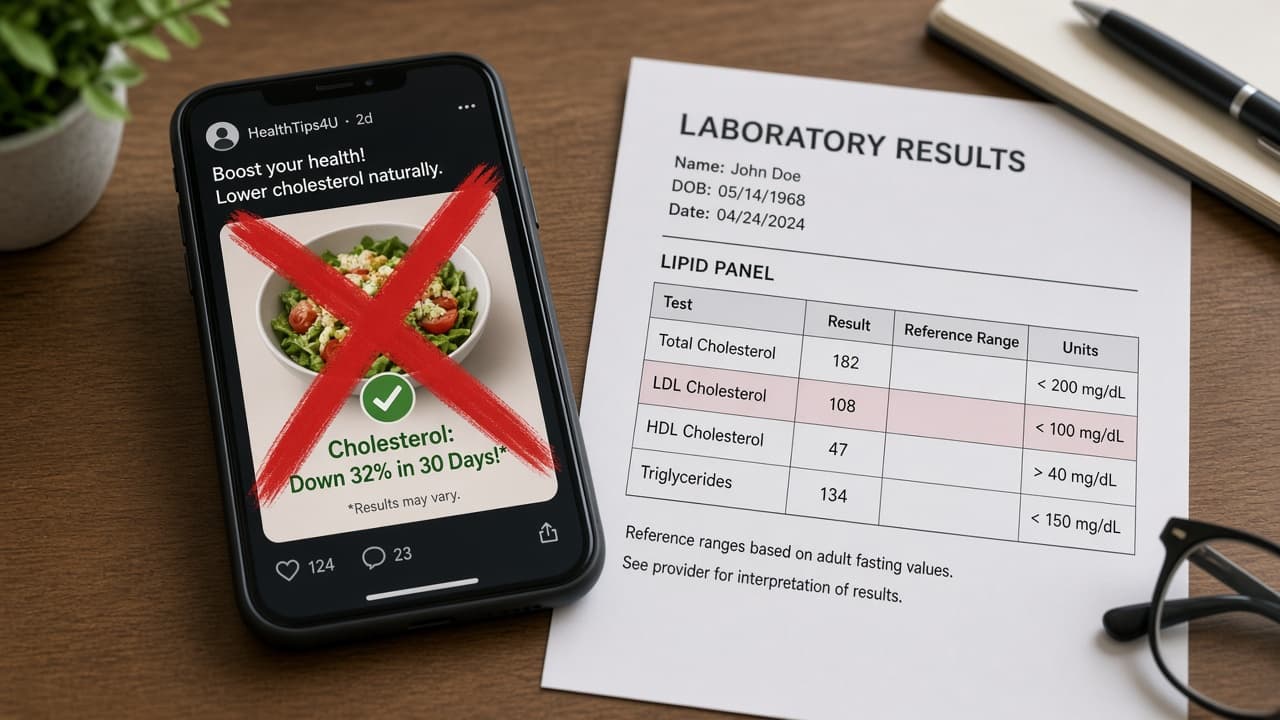
Personal targets beat viral screenshots.
Step 02
Reset the grocery list toward fiber and unsaturated fats
Small repeatable food defaults beat a short detox you cannot maintain.
Do this step in order
2a
Write a one-week heart-focused shopping list
Plan breakfast fibers, two bean-based meals, vegetables for most dinners and a fish option if you eat it. Include olive or canola oil and unsalted nuts in measured amounts. Leave sugar-sweetened drinks and habitual fried takeout off the default list.
2b
Read labels for saturated fat and partially hydrogenated oils
Compare saturated fat per serving on meats, dairy, pastries and packaged snacks. Scan ingredients for partially hydrogenated oil. Coconut and palm oils are plant products but still contain substantial saturated fat.
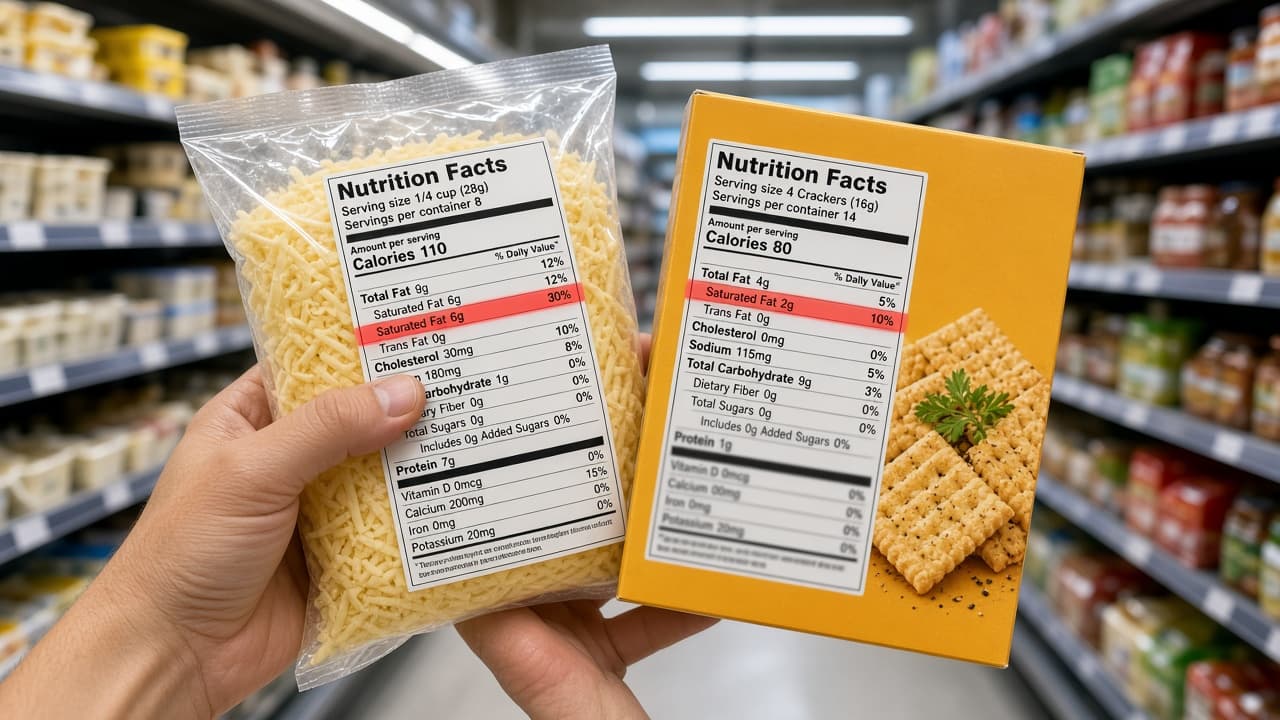
The label beats marketing on the front of the box. 2c
Stock soluble-fiber staples you will actually cook
Buy oats, barley, beans, lentils, apples, citrus, carrots or clinician-approved psyllium. Choose forms you already know how to prepare so the food does not sit unused. Increase fiber gradually while drinking enough water.
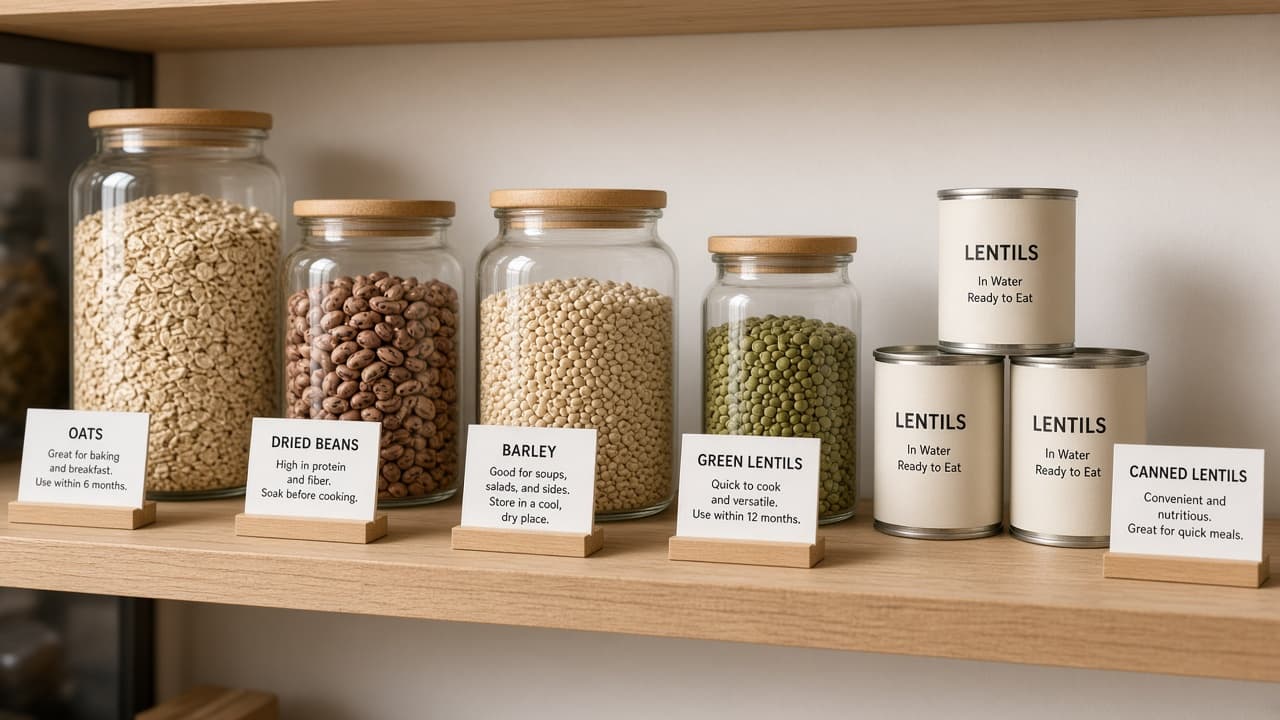
Staples only help if they match meals you will cook. 2d
Common mistake: buying supplements instead of food staples
Common mistake: filling a basket with unvetted cholesterol pills while skipping beans and oats. Food pattern changes are the first lever for most people. Discuss pills later with your clinician if labs and diet still need support.

Food first; supplements only with clinical advice.
Step 03
Rebuild breakfasts and dinners you can repeat
Meal patterns matter more than one perfect plate.
Do this step in order
3a
Anchor breakfast with oats or high-fiber cereal
Choose rolled oats, barley or a cereal whose label shows meaningful fiber with little added sugar. Measure your usual serving for one week rather than estimating from an oversized bowl. Add berries, apple or nuts and increase fiber gradually.
3b
Build lunches and dinners around plants and legumes
Fill about half the plate with vegetables, then add beans, lentils, whole grains, fish or another lean protein. Use olive, canola or another unsaturated plant oil in place of butter for routine cooking. Start with one bean-based meal each week if a sudden fiber increase upsets your stomach.
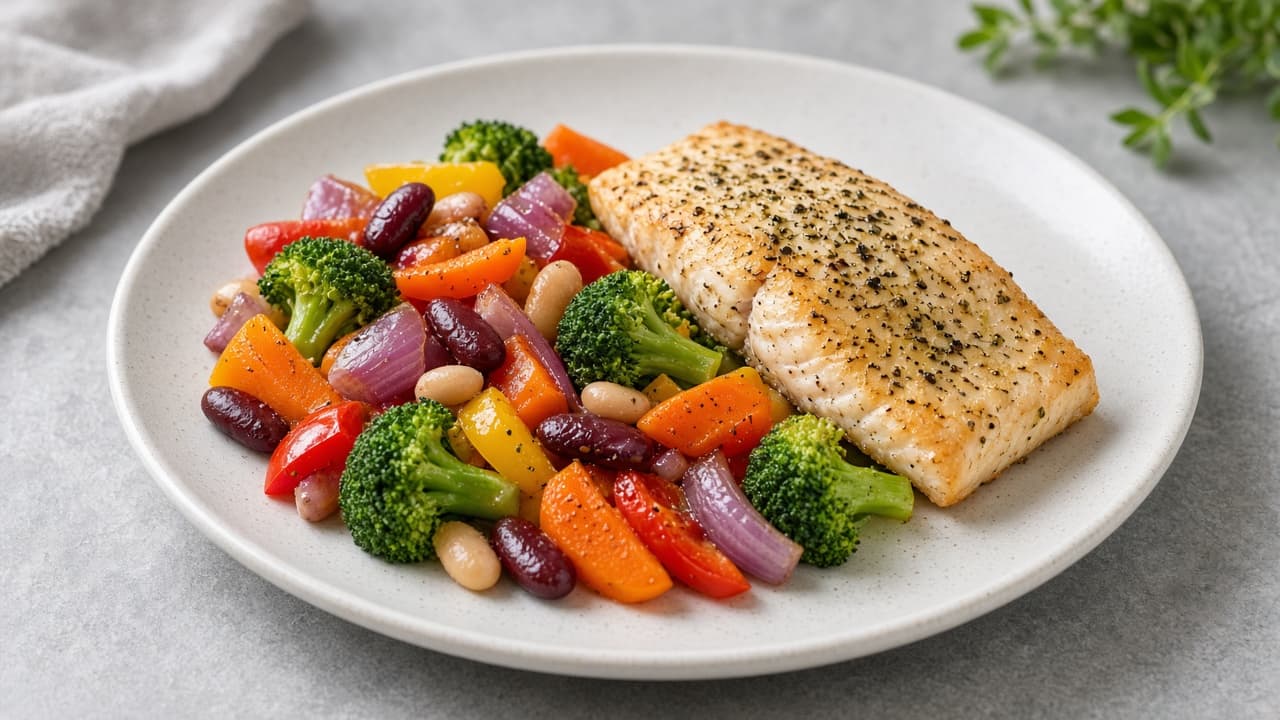
Vegetables and legumes should crowd the plate first. 3c
Reduce frequent deep-fried and pastry defaults
Replace fatty meats, full-fat dairy defaults, pastries and frequent fried food with options lower in saturated fat. Keep favorite foods as planned extras rather than daily autopilot. Track two weeks of swaps so you can see what stuck.
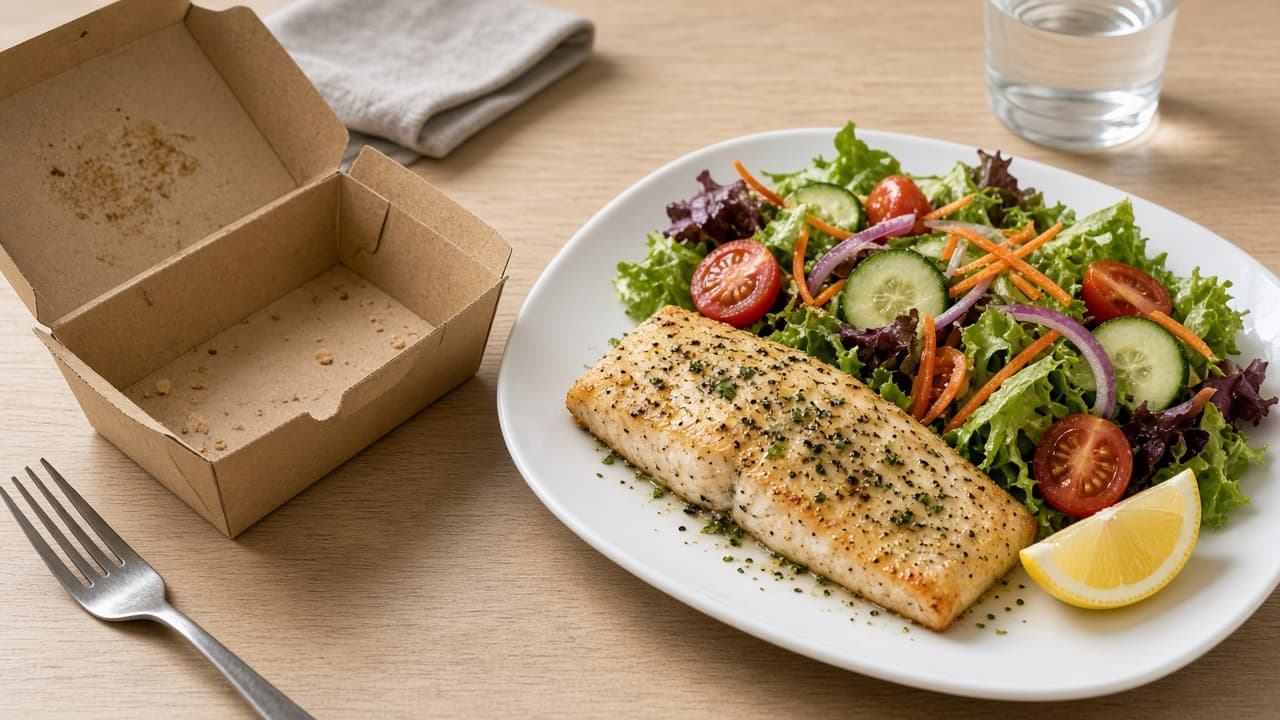
Planned swaps beat an all-or-nothing ban. 3d
Common mistake: a harsh cleanse you abandon in five days
Common mistake: cutting nearly all fat overnight, then rebounding into the old pattern. Aim for sustainable saturated-fat reduction and fiber you can live with. Ask a registered dietitian if medical conditions limit what you can eat.

Harsh cleanses fail when ordinary weeks return.
Step 04
Raise soluble fiber toward a clinician-approved target
Gradual grams matter more than a single mega dose.
Do this step in order
4a
Estimate your current soluble-fiber intake
Use labels and a simple food diary for three days. The NHLBI notes that adding 5 to 10 grams of soluble fiber daily may lower LDL by about 5 percent, though individual results vary. Know your baseline before you add more.
4b
Add oats, beans or fruit in measured steps
Increase toward a clinician-approved target using oats, beans, barley, apples, citrus, carrots or psyllium. Add a few grams every few days rather than jumping straight to a high dose. Drink water as fiber rises.
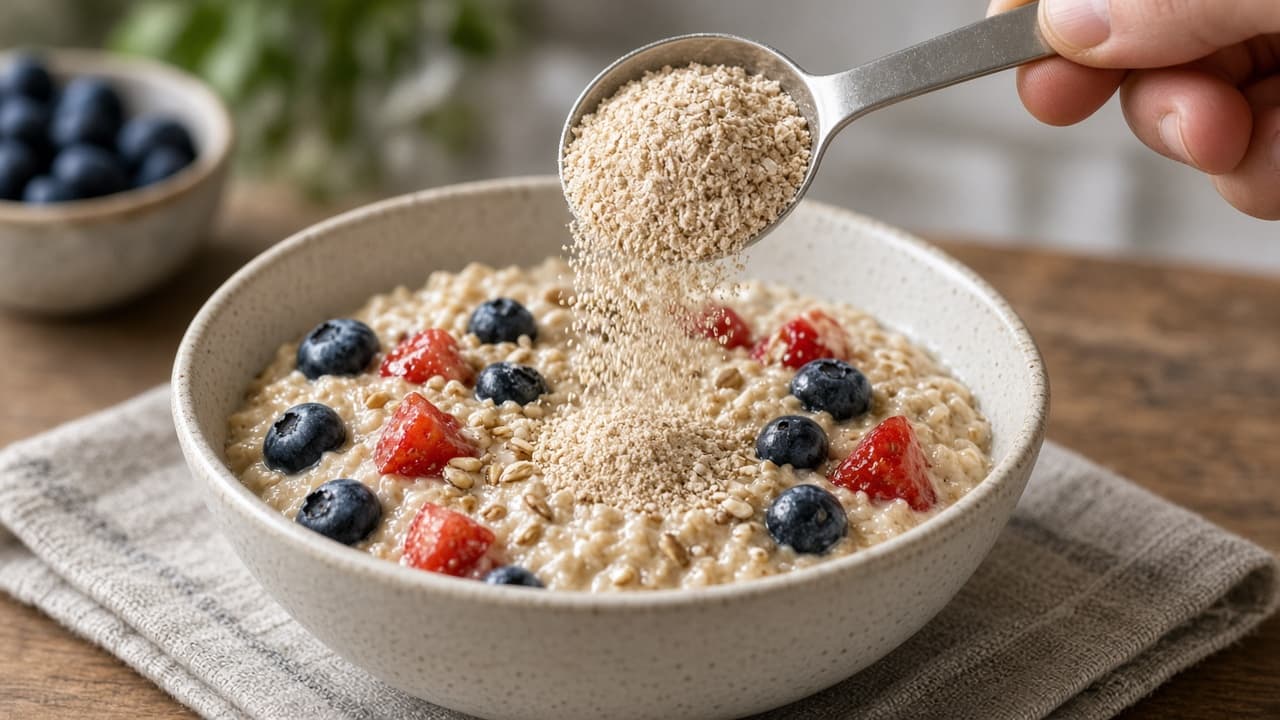
Measured increases are easier to tolerate than sudden jumps. 4c
Ask about fiber timing with medications
Fiber supplements can affect absorption of some medicines. Ask your clinician or pharmacist when to take psyllium relative to prescriptions. Do not mix advice from a supplement aisle flyer with your drug schedule.

Ask before you pair psyllium with prescriptions. 4d
Common mistake: doubling fiber overnight then quitting
Common mistake: adding a large psyllium dose on day one, feeling crampy and abandoning the plan. Titrate slowly and keep the food sources even if you pause the supplement. Report severe pain, vomiting or allergic symptoms promptly.
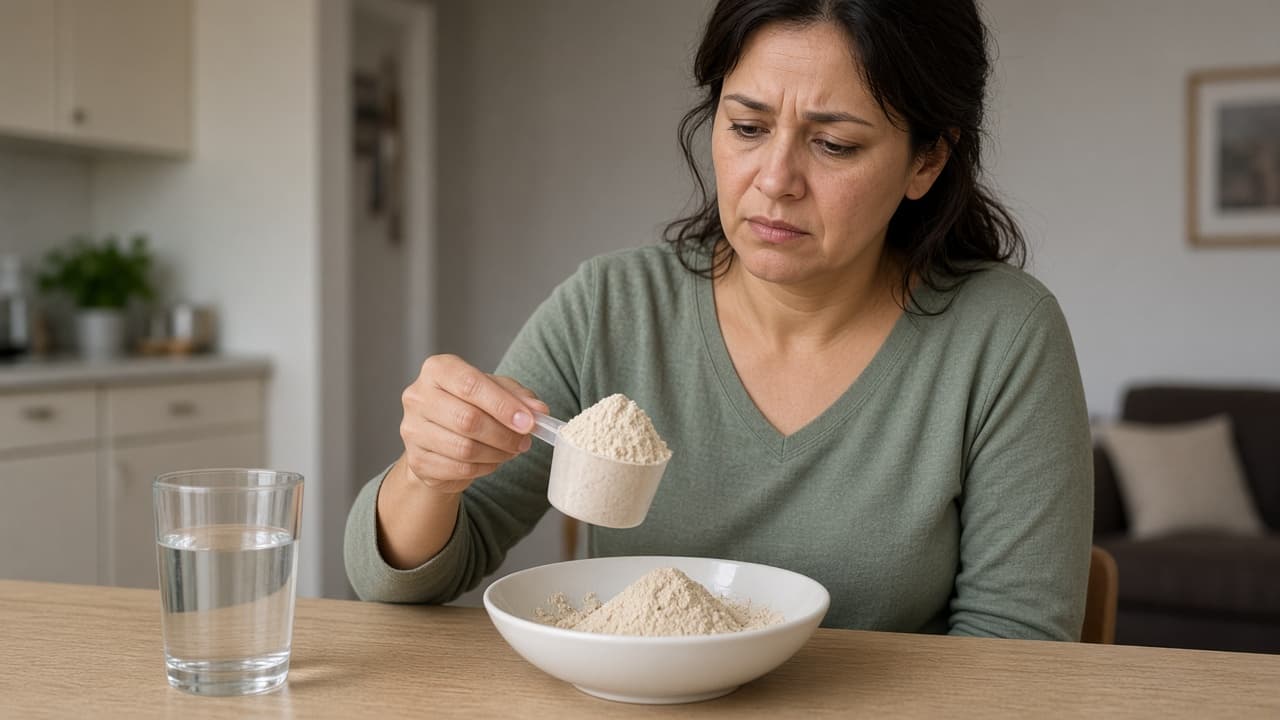
Too much too fast is a common reason plans fail.
Step 05
Add movement you will still do next month
Heart labs respond to regular activity, not only to salads.
Do this step in order
5a
Schedule aerobic sessions you will repeat
Work toward about 150 minutes of moderate activity each week unless your clinician gives a different limit. At moderate intensity you should breathe faster but still manage a short conversation. Start with 10-minute walks and stop for chest pressure, faintness or unusual shortness of breath.
5b
Put walks on the calendar like appointments
Choose specific days and start times. Pair a walk with an existing habit such as after lunch. Track completed sessions for two weeks so the plan is visible at your follow-up visit.
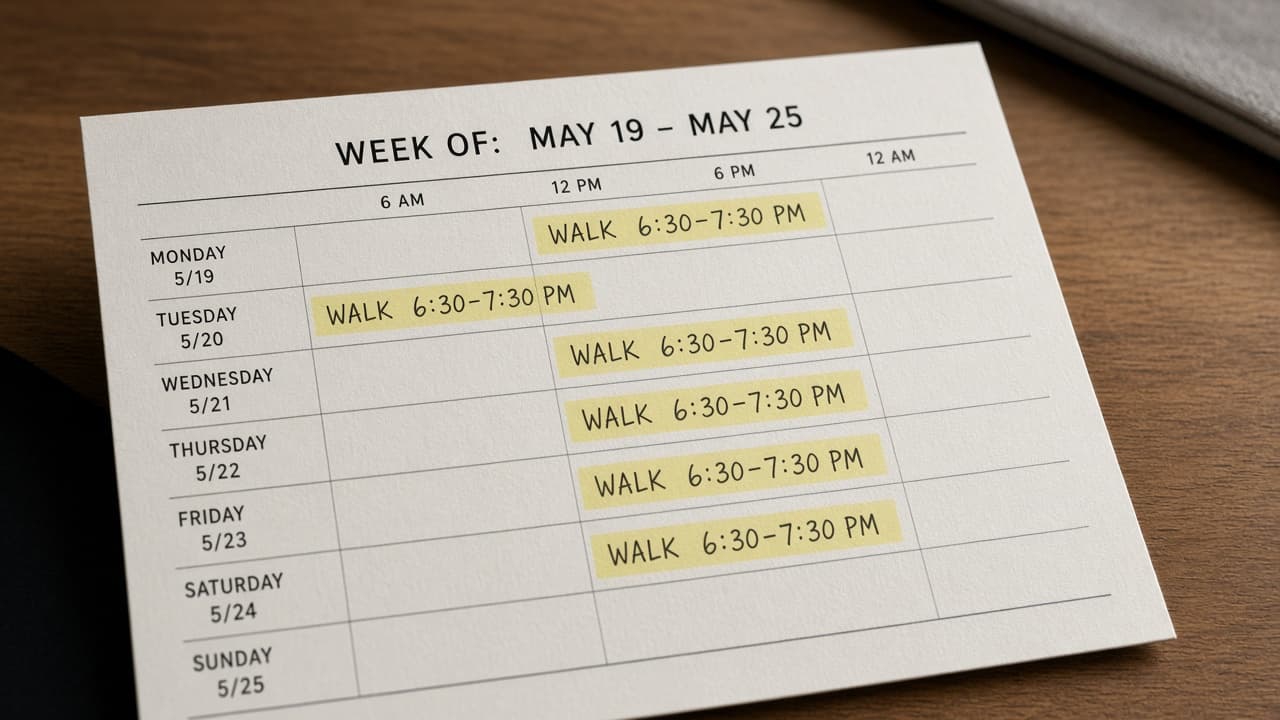
A named time beats hoping you will feel motivated. 5c
Add strength work after medical clearance
Include muscle-strengthening activity on two days a week when it is safe for you. Begin with body-weight movements or light resistance that permits controlled repetitions without straining or holding your breath. Stop for pain, dizziness or other warning symptoms and seek medical advice.

Strength work supports overall risk reduction when cleared. 5d
Common mistake: punishing workouts you cannot sustain
Common mistake: starting with daily high-intensity sessions after years of inactivity, then stopping entirely. Consistent moderate movement beats a heroic week. Get urgent care for chest pressure, sudden weakness or trouble speaking rather than pushing through.
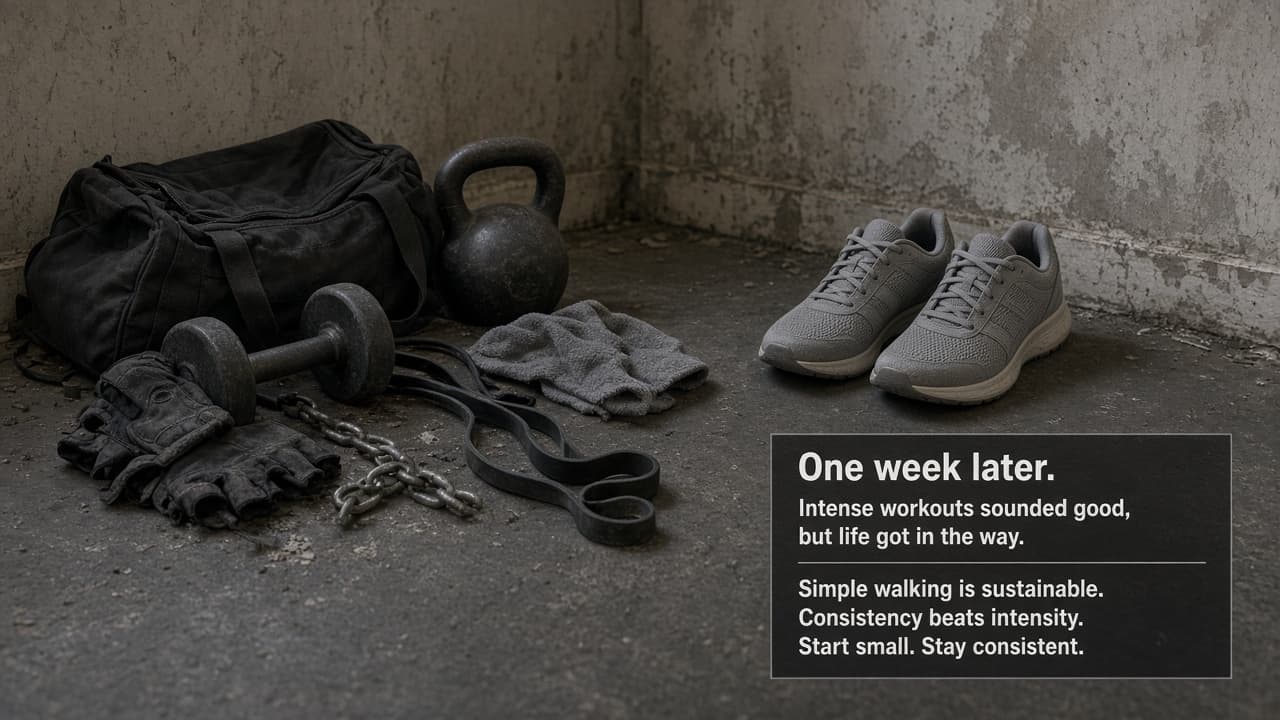
Sustainable walking outperforms a one-week sprint plan.
Step 06
Fix smoking, alcohol and sleep levers
Some of the highest-impact changes sit outside the grocery cart.
Do this step in order
6a
Quit smoking with a real support plan
Ask your clinician or a quitline about counseling and approved stop-smoking medicines rather than relying on willpower alone. Remove cigarettes, vapes and ashtrays before the quit date and plan a response to cravings.
6b
Ask what alcohol limit fits your triglycerides
If you drink, ask what limit is safe for your medicines and triglyceride level. Cutting heavy intake can matter as much as another salad. Do not use alcohol as a nightly stress tool while you wait for labs to improve.
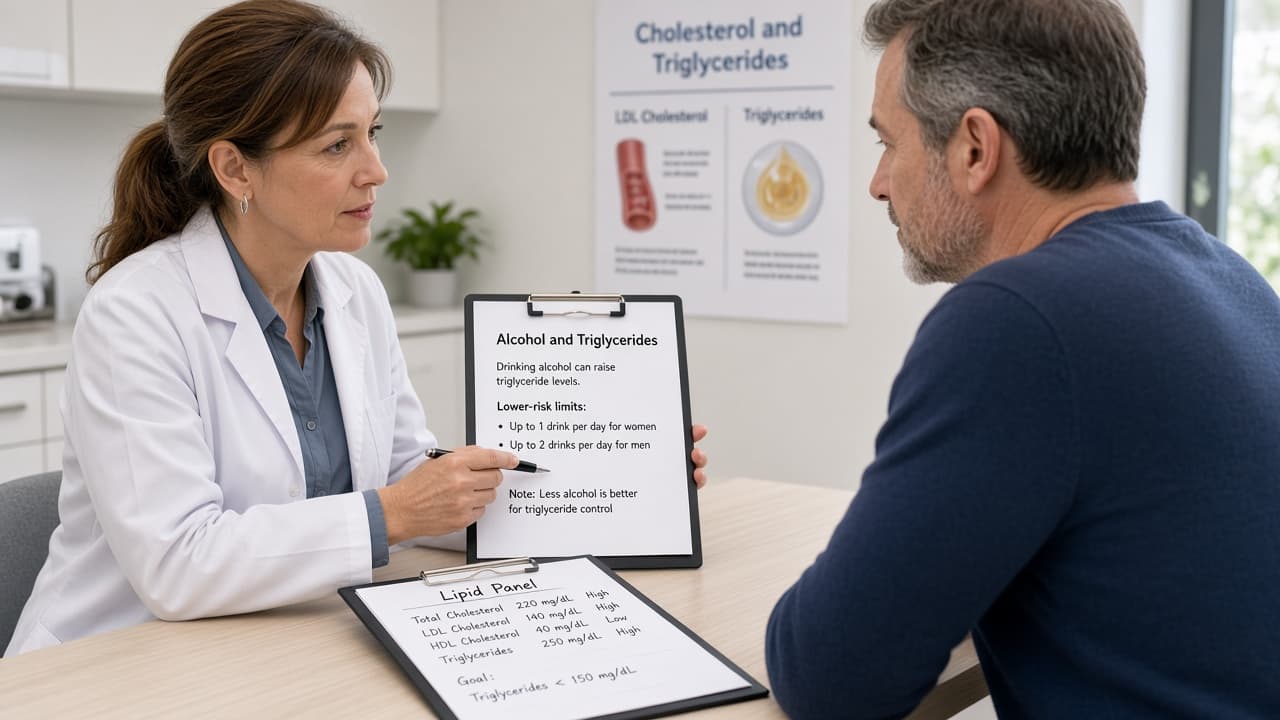
Triglycerides often respond when heavy drinking falls. 6c
Protect sleep length and regular bedtimes
Set a regular wake time and allow enough time for sleep on most nights. Track loud snoring, gasping or severe daytime sleepiness and report them because sleep apnea affects cardiovascular risk. Sleep supports the plan but does not directly replace LDL treatment.

Regular sleep supports heart risk work even when it is not a lipid drug. 6d
Common mistake: stacking energy drinks after poor sleep
Common mistake: sleeping five hours, then relying on sugary energy drinks that work against triglycerides and blood pressure. Fix the sleep window and caffeine timing with your clinician's guidance instead of papering over exhaustion.

Sleep debt plus sugar is a weak recovery plan.
Step 07
Track progress with your clinician, not miracle claims
Repeat labs and adjust the plan together if numbers stay high.
Do this step in order
7a
Discuss supplements before you buy shelves of bottles
Bring the exact label and dose of psyllium, plant sterols, fish oil or any other product to your clinician or pharmacist. Red yeast rice can contain a statin-like compound with uncertain strength and similar risks. Stop and ask for advice if a product causes muscle pain, bleeding, allergy symptoms or severe stomach trouble.
7b
Repeat the lipid panel on schedule
Complete the repeat blood test using the clinic's fasting instructions. Bring a simple record of food changes, activity, weight if tracked and missed medicine doses. Compare values with your clinician rather than declaring success from a home test or one small fluctuation.
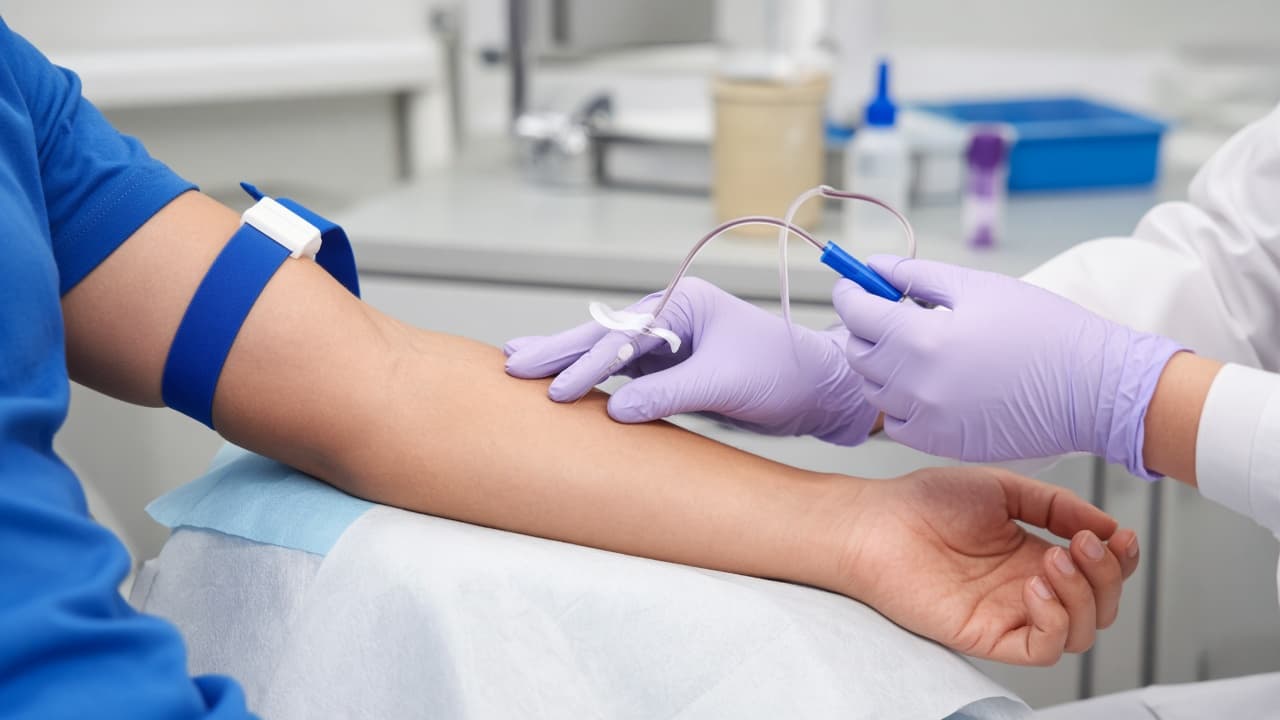
Same lab timing makes comparisons fairer. 7c
Accept medication if lifestyle is not enough
Ask what benefit, side effects and monitoring apply to the prescribed drug. Take it as directed while continuing the food and movement habits that support overall risk reduction. Do not cut the dose or stop because a single follow-up result improved.
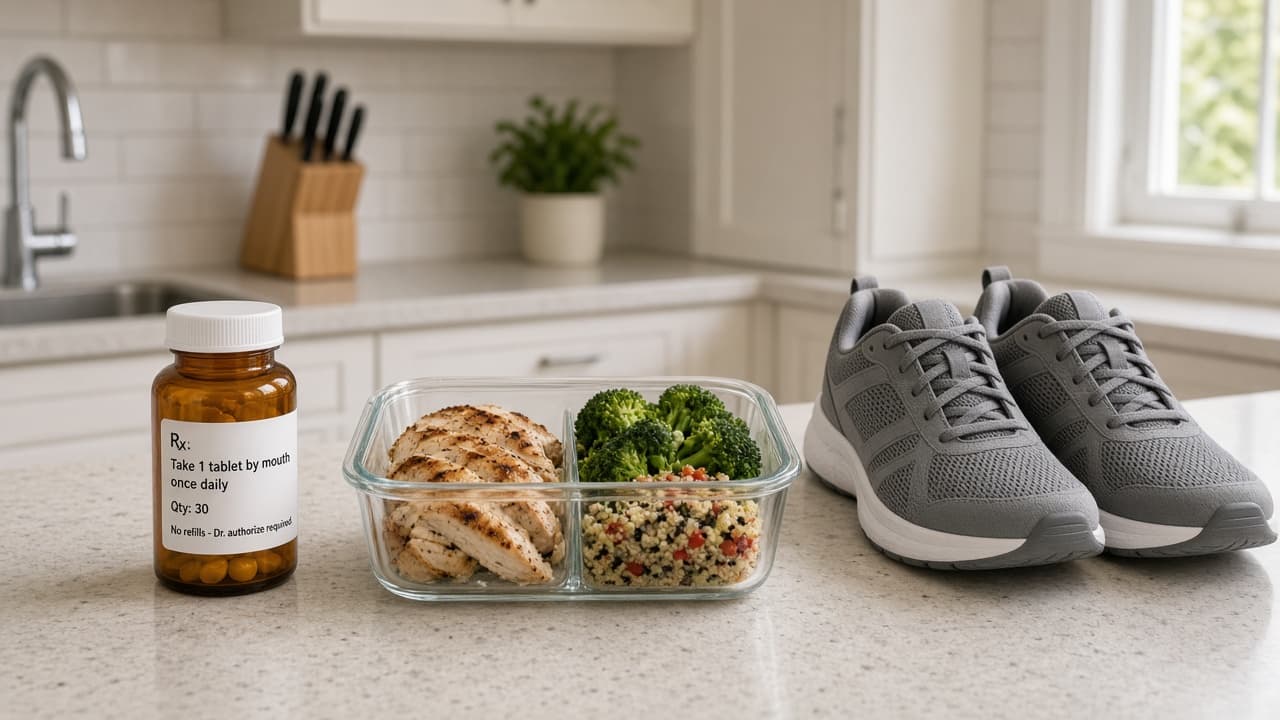
Medicine and habits often work as a pair. 7d
Common mistake: waiting on diet alone through warning symptoms
Common mistake: treating chest pressure, sudden weakness, facial droop or severe shortness of breath as a cue to eat more oats. Call emergency services. High cholesterol itself usually has no warning symptoms, so feeling well does not prove the number is safe.

Diet changes never replace emergency care.
Done when
- Review your latest LDL, HDL and triglycerides with your clinician
- Plan meals with vegetables, beans, whole grains and fish
- Swap sugary drinks and frequent fried food for better defaults
- Add brisk movement most days of the week
- Quit smoking and moderate alcohol if you use either
- Discuss supplements before buying them
- Repeat labs on the schedule your doctor sets
Eagle Frame's takeaway: build meals around plants, fiber and unsaturated fats, move most days, quit smoking, limit alcohol and repeat labs with your doctor. Treat lifestyle as long-term support alongside, not instead of, the treatment plan they recommend.