
How to open a retirement account
Start with workplace 401(k) enrollment if you have a match, then consider a traditional or Roth IRA at a low-cost broker. This is general U.S. education, not personal tax or investment advice.
A retirement account is a tax-advantaged wrapper for long-term savings. In the United States the two common starting points are a workplace plan like a 401(k) and an individual retirement arrangement (IRA) you open yourself at a brokerage. Rules, limits and tax treatment change; confirm current IRS limits and your situation with official sources or a qualified professional.
If your employer offers a 401(k) with a match, enrolling usually comes first. The match is extra pay you forfeit when you skip contributions. You pick a percentage of salary, choose investments from the plan menu (often target-date funds) and can raise the rate over time.
An IRA suits people without a workplace plan, freelancers or anyone who wants another bucket beyond the 401(k). Traditional IRAs may give a tax deduction now with taxes owed on withdrawals later. Roth IRAs use after-tax dollars now in exchange for qualified tax-free withdrawals later. Income limits and deductibility rules apply; read current IRS guidance.
Opening an IRA online takes under an hour at major low-cost brokers. You will verify identity, link a bank account, choose traditional or Roth and fund the account. Many beginners start with a broad stock index fund or a target-date fund aligned with their expected retirement year.
For 2026, the IRS employee deferral limit for most 401(k), 403(b) and governmental 457 plans is $24,500. The combined traditional and Roth IRA limit is $7,500, or $8,600 for someone age 50 or older. Catch-up rules, Roth IRA income limits and traditional IRA deduction limits vary, so verify the current figures before sending money.
Read the workplace plan's Summary Plan Description before assuming the whole employer match is yours when you leave. Your own contributions are always vested, but employer money may vest over time. Also compare administrative charges, investment expense ratios and individual service fees. The Department of Labor warns that all of these reduce the return that remains in your account.
Step-by-step guide
Time: 30 to 90 minutes for enrollment and first funding
What you need
- Employer benefits portal or HR contact
- Government ID and Social Security number
- U.S. bank account for transfers
- List of current income and any workplace plan details
- IRS.gov resources for contribution limits
- Calculator for match and deferral percentages
Before you start
- This guide is general education, not tax, legal or investment advice.
- Contribution limits and deductibility rules change yearly. Verify on IRS.gov.
- Early withdrawals often carry taxes and penalties.
- Do not share login codes or wire money based on cold calls claiming to be your broker.
Step 01
Log into your workplace 401(k) portal
A 401(k) or similar plan may already be available through payroll. The match is often the highest-confidence place to start.
Do this step in order
1a
Find Retirement or 401(k) in your benefits site
Look for enrollment status and your current deferral percentage. Note whether you were auto-enrolled at a low default rate.
1b
Read the match formula in plain numbers
Example: 50% match on the first 6% of salary. Contributing at least enough to capture the full match is a common first goal.
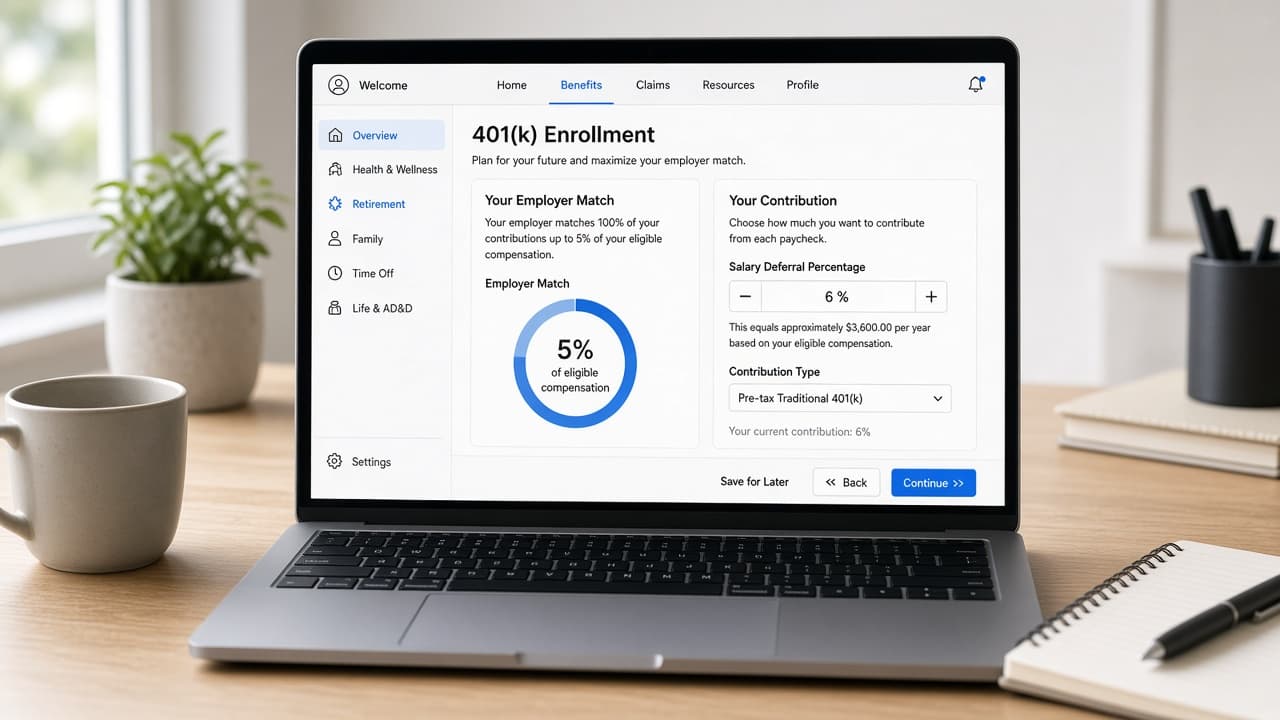
The match formula is the first number to understand. 1c
Check when you are eligible to enroll
Some plans have a waiting period. Set a calendar reminder so you do not miss months of match.

Confirm when you can enroll before setting a rate. 1d
Ignore the match because you are busy
Common mistake: leaving free employer money on the table while cash sits in checking. Even a small deferral can capture partial match.

Ignore the match because you are busy
Step 02
Understand match, vesting and plan fees
Employer money and administrative fees change what you actually keep. Read the Summary Plan Description.
Do this step in order
2a
Calculate how much salary captures full match
Multiply your pay by the match threshold. That target is often the minimum deferral worth prioritizing.
2b
Read the vesting schedule for employer contributions
Your own deferrals are always yours. Employer match may vest over years of service.
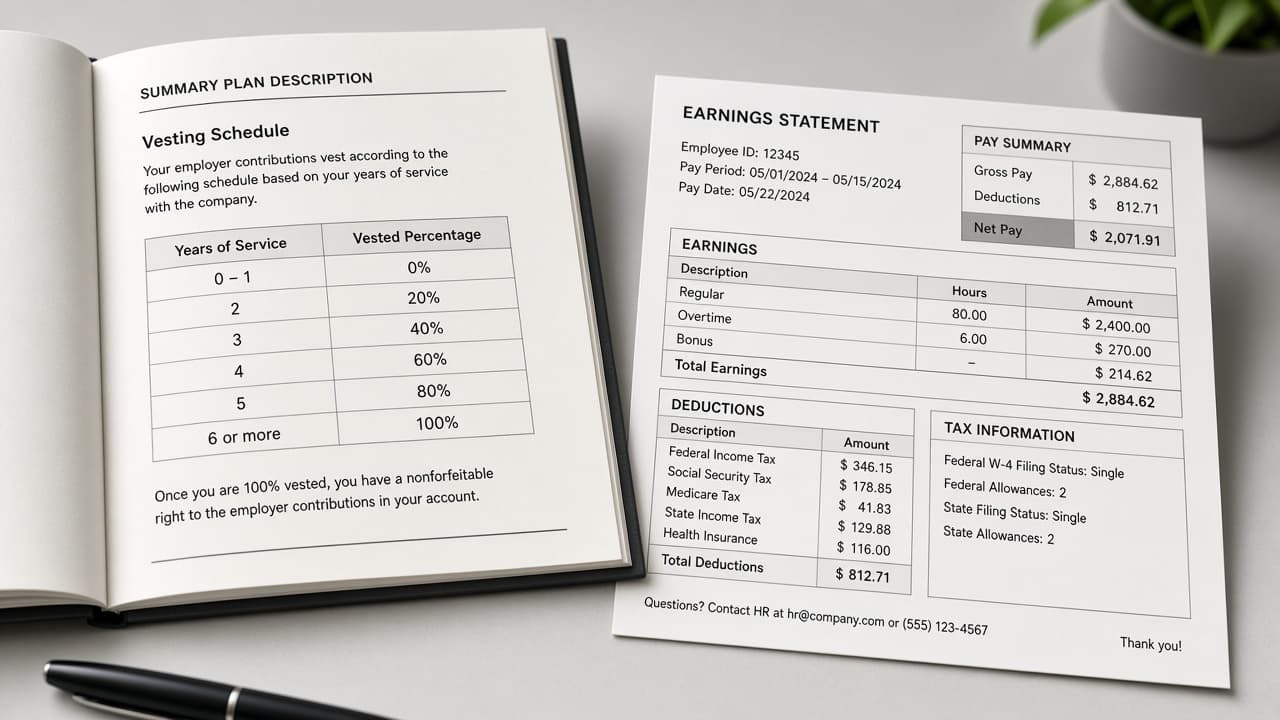
Employer money may vest over time even if your deferrals are yours now. 2c
Compare administrative and investment fees
Expense ratios, recordkeeping charges and service fees all reduce long-term growth. Low-cost index options are common in large plans.
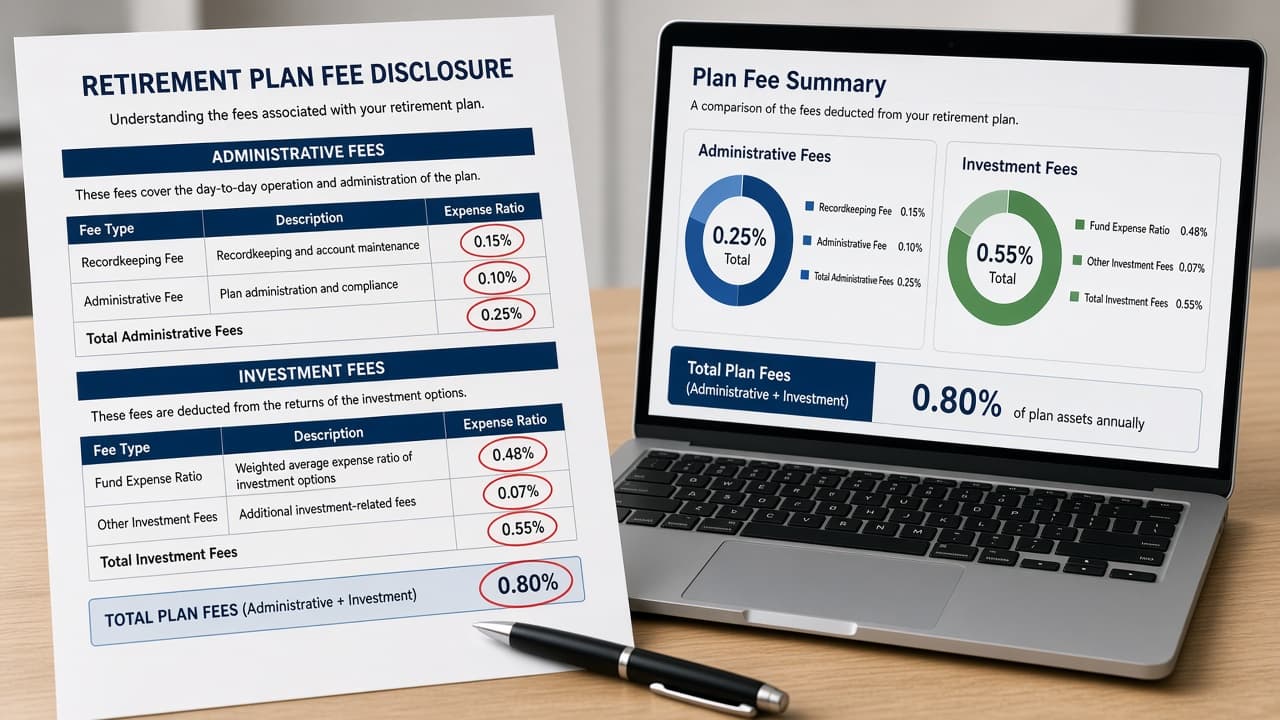
Compare fees before you pick funds. 2d
Assume the full match is yours on day one
Common mistake: quitting before employer contributions vest and losing thousands you counted on.

Assume the full match is yours on day one
Step 03
Decide traditional vs Roth at a high level
Traditional reduces taxable pay now. Roth uses after-tax dollars now for qualified tax-free withdrawals later. Rules vary by income.
Do this step in order
3a
List your current tax bracket and expected retirement bracket
Traditional may help if you expect a lower bracket later. Roth favors paying tax now when your bracket is lower.
3b
Check Roth IRA income limits on IRS.gov
High earners may be limited or blocked from direct Roth IRA contributions. Workplace Roth 401(k) rules differ.
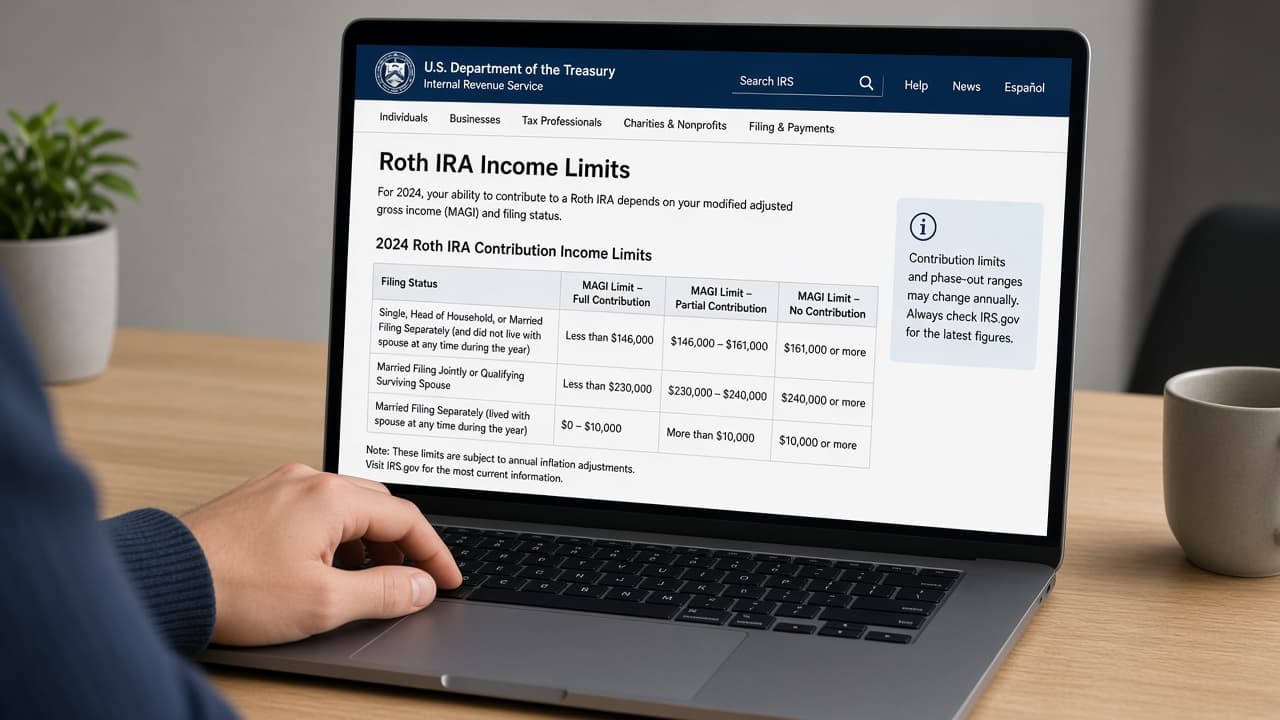
Verify current Roth income limits before you choose. 3c
Pick a reasonable default and enroll
Target-date funds are a common starter inside workplace menus when you are unsure.
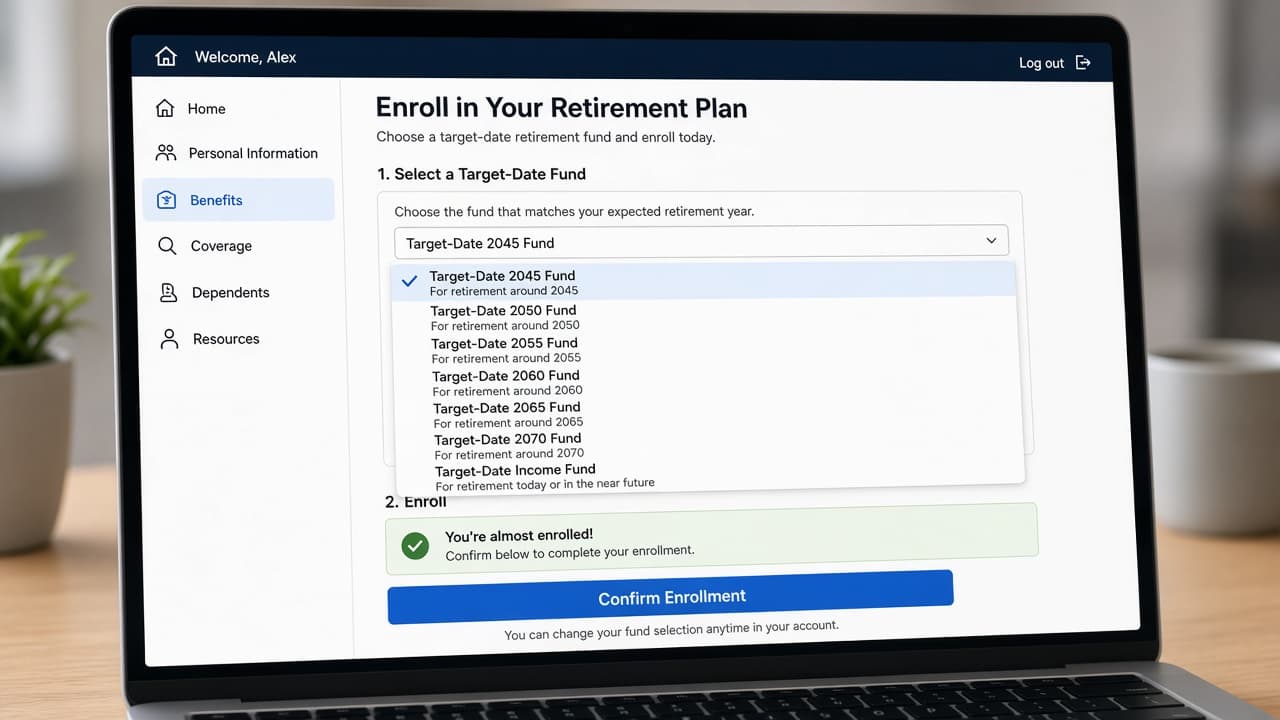
A simple default fund beats delaying enrollment. 3d
Delay enrollment until tax season
Common mistake: waiting for perfect Roth vs traditional analysis while months of match pass by.

Delay enrollment until tax season
Step 04
Open a traditional or Roth IRA at a broker
IRAs are individual accounts you control. Major brokers offer online opening with no account minimums on many funds.
Do this step in order
4a
Shortlist two or three low-cost U.S. brokers
Compare expense ratios, fund selection and customer service. Stick to established firms with clear fee disclosures.
4b
Select traditional or Roth IRA type
Traditional may help if you expect a lower tax bracket in retirement. Roth favors paying tax now when your bracket is lower.
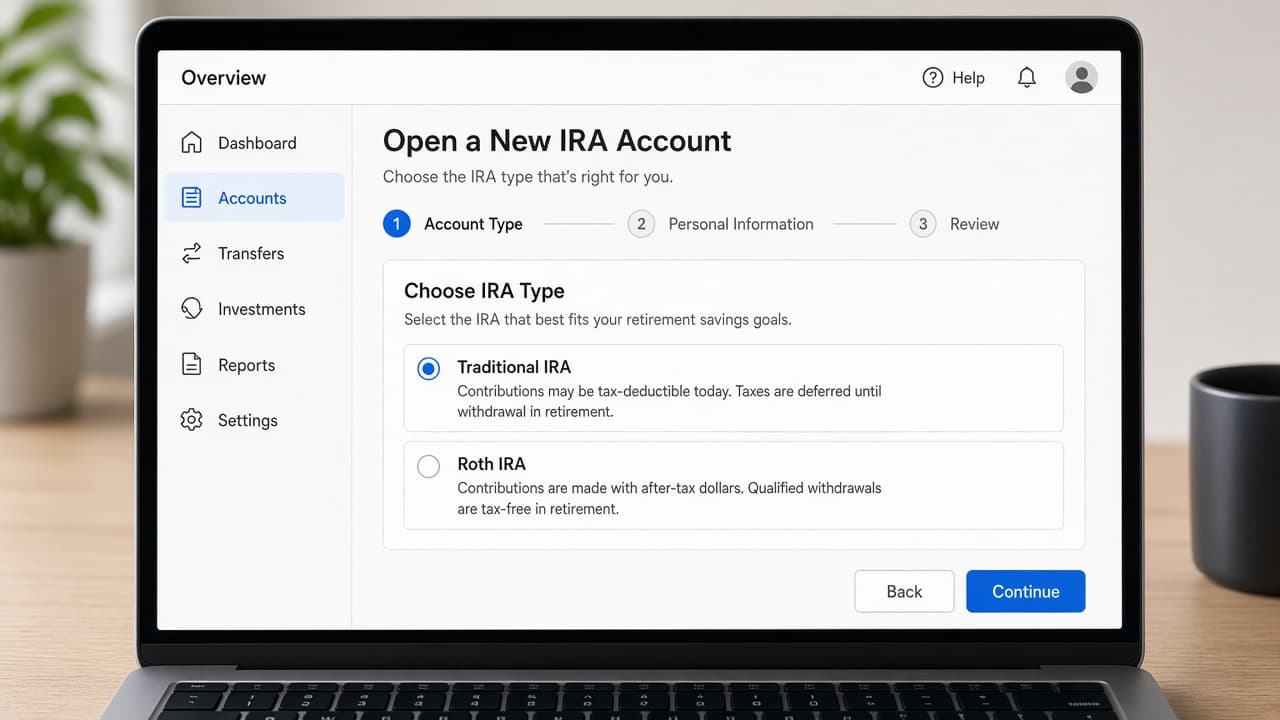
Pick the IRA type that matches your tax plan. 4c
Complete identity verification and link your bank
Upload ID if asked. Connect checking for ACH transfers. Turn on two-factor authentication on the account.
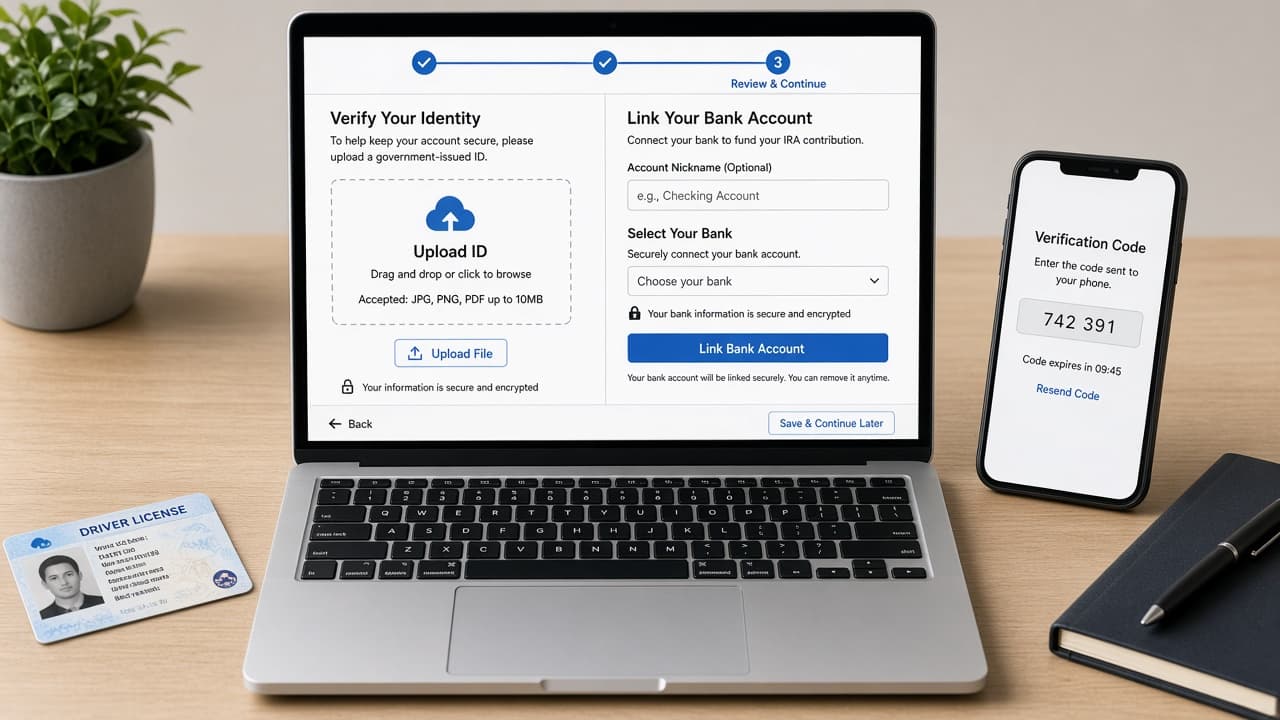
Finish ID checks and link a bank before funding. 4d
Open an IRA and never fund it
Common mistake: finishing the application but leaving cash uninvested in the settlement account for months.
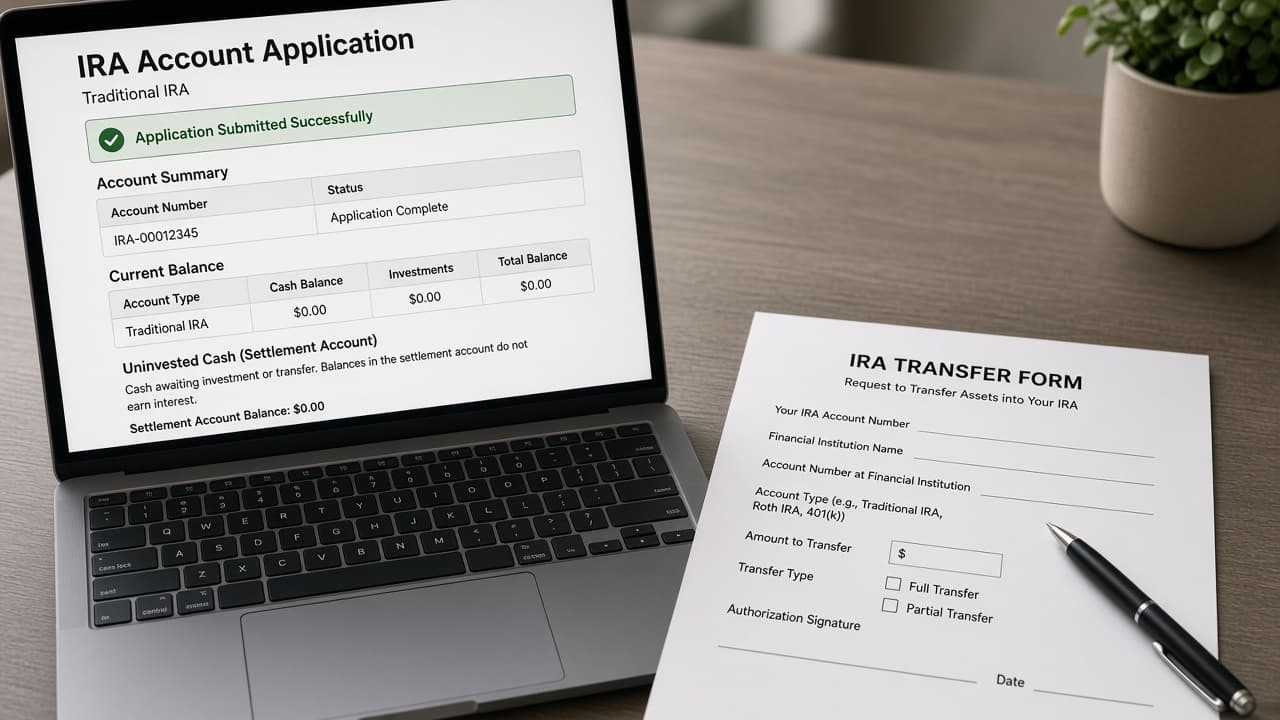
Common mistake: opening an IRA and never funding it.
Step 05
Fund contributions within IRS limits
Check 2026 caps before you transfer. IRA contributions can be made until the tax-filing deadline for that tax year.
Do this step in order
5a
Verify 2026 limits on IRS.gov before transferring
For 2026, the IRA limit is $7,500, or $8,600 if you are 50 or older. The 401(k) deferral limit is $24,500 for most workplace plans.
5b
Schedule an initial transfer you can sustain
You can fund an IRA up to the deadline for that tax year's return. Start with an amount you will not need for bills.
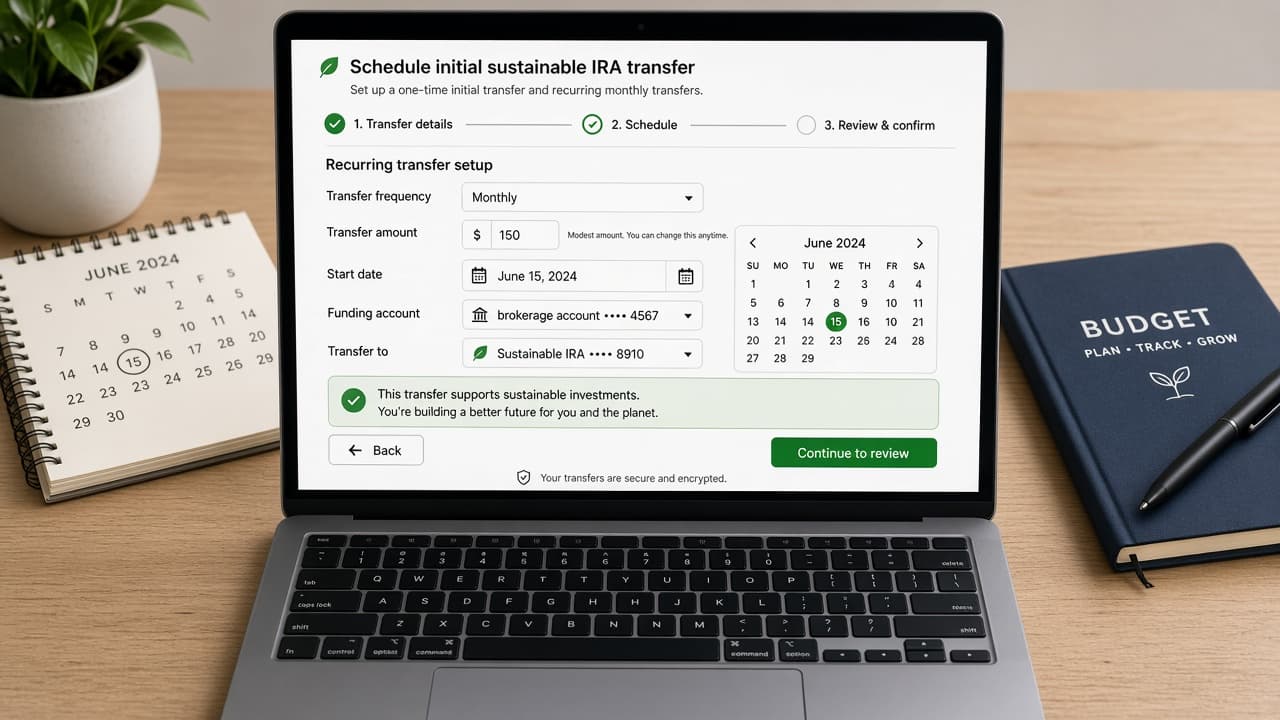
Schedule an initial transfer you can sustain 5c
Track combined IRA contributions across accounts
The limit applies to all traditional and Roth IRAs together, not per account.
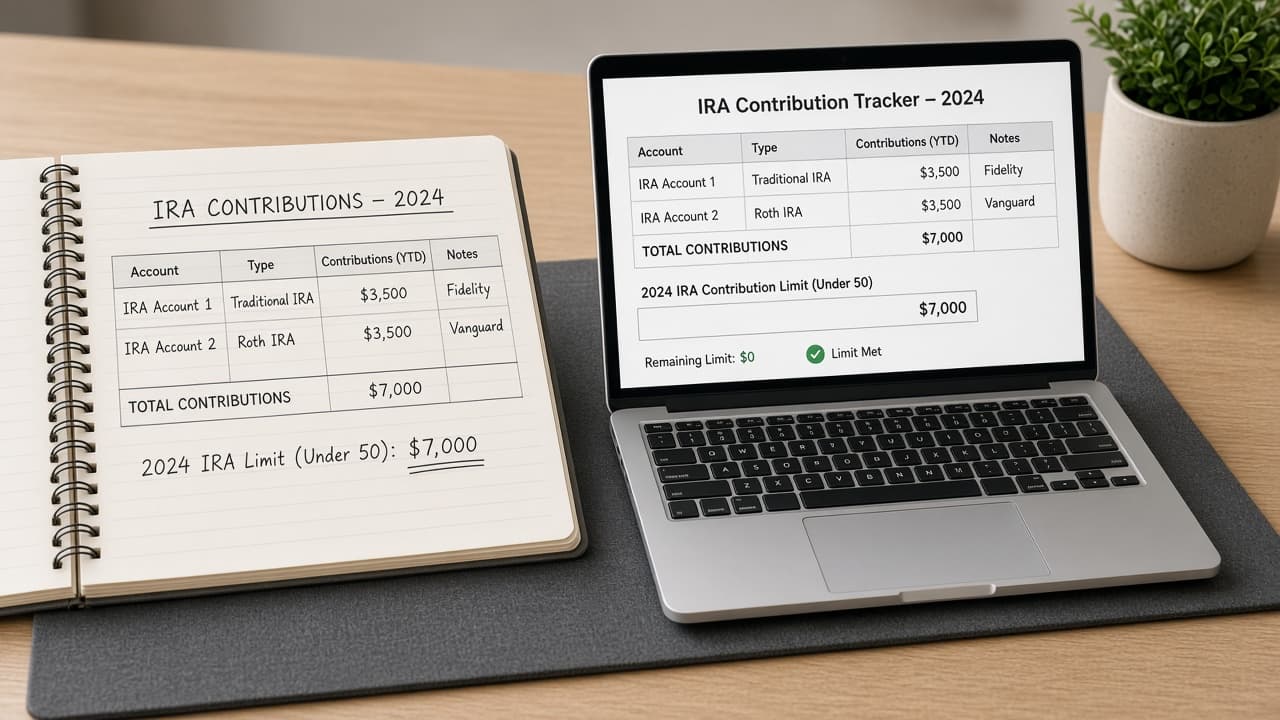
Track combined IRA contributions across accounts 5d
Exceed the annual cap across multiple IRAs
Common mistake: contributing to two IRAs without summing the total. Excess contributions trigger penalties until corrected.
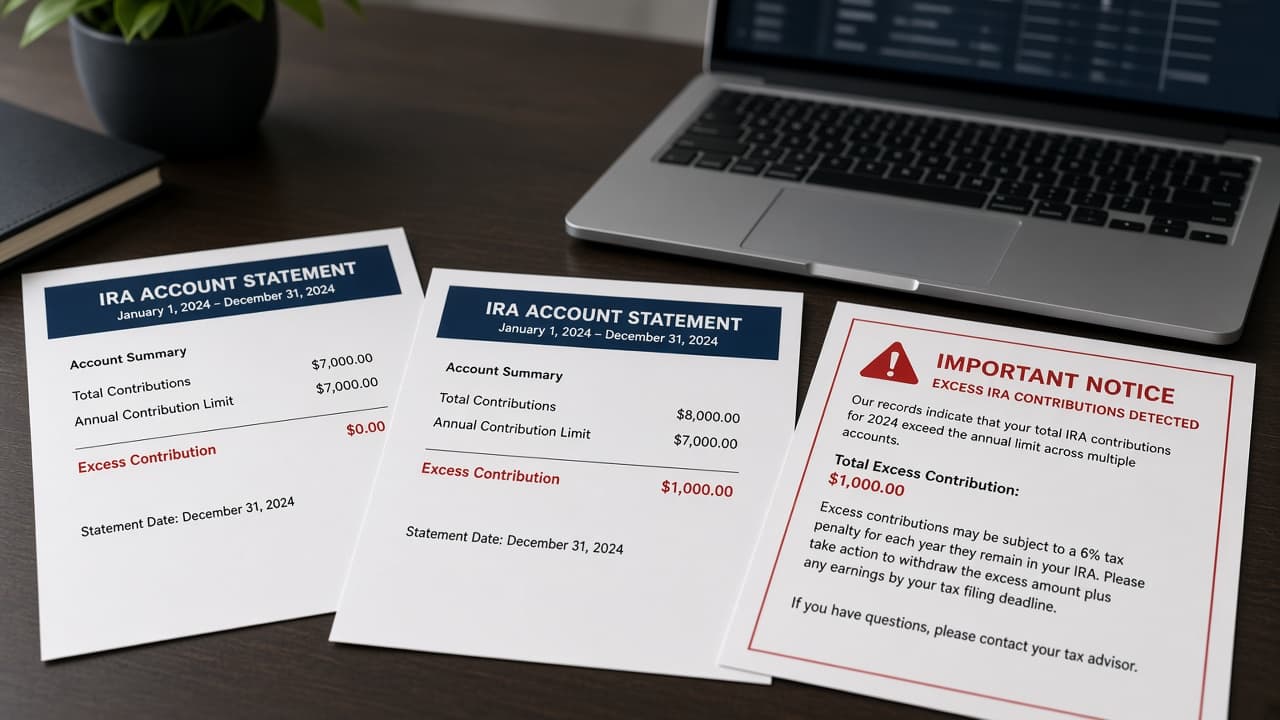
Exceed the annual cap across multiple IRAs
Step 06
Buy a diversified fund and automate deposits
Transfer cash, then buy funds. Automating contributions beats trying to time the market.
Do this step in order
6a
Buy a broad index or target-date fund
Total market stock index funds or target-date funds spread risk across many companies. Read the fund prospectus fee table.
6b
Set a recurring monthly transfer
Even small automatic deposits build the habit. Increase the amount after raises or when debt payments end.
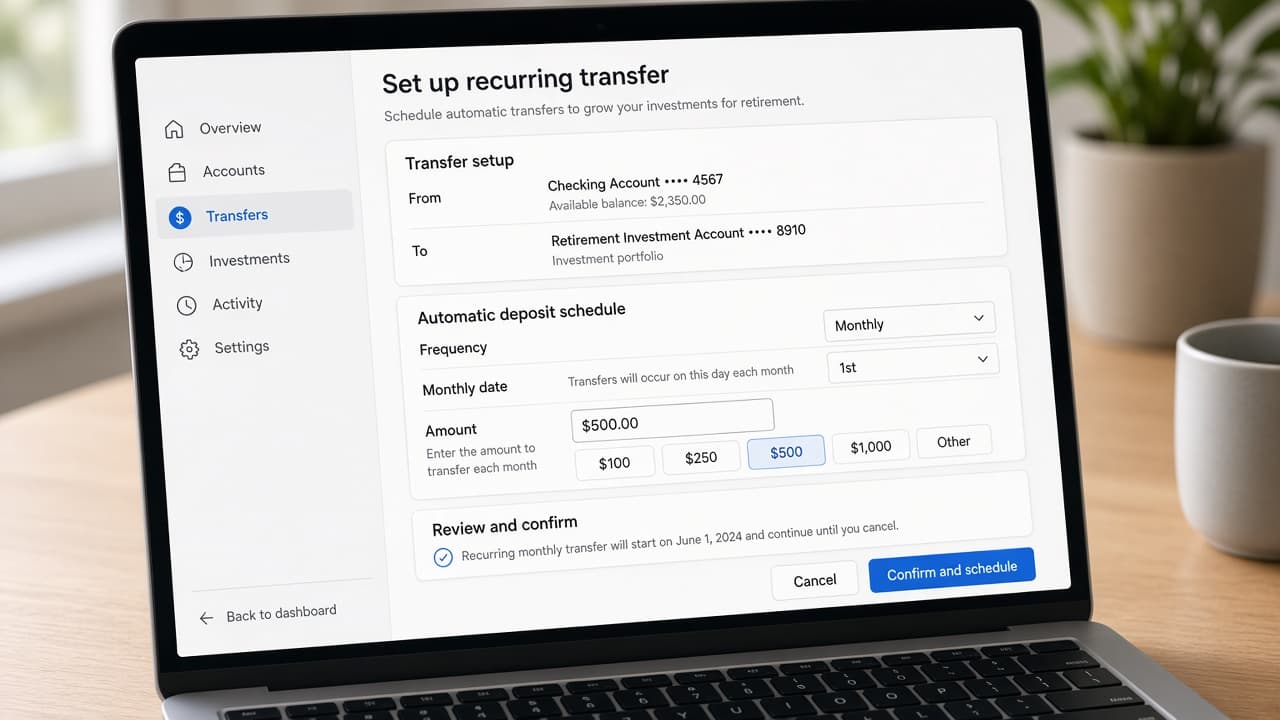
Automatic deposits beat one-off timing guesses. 6c
Confirm the trade settled into holdings
A deposit can sit in cash until you place an order. Check the holdings page after the trade completes.
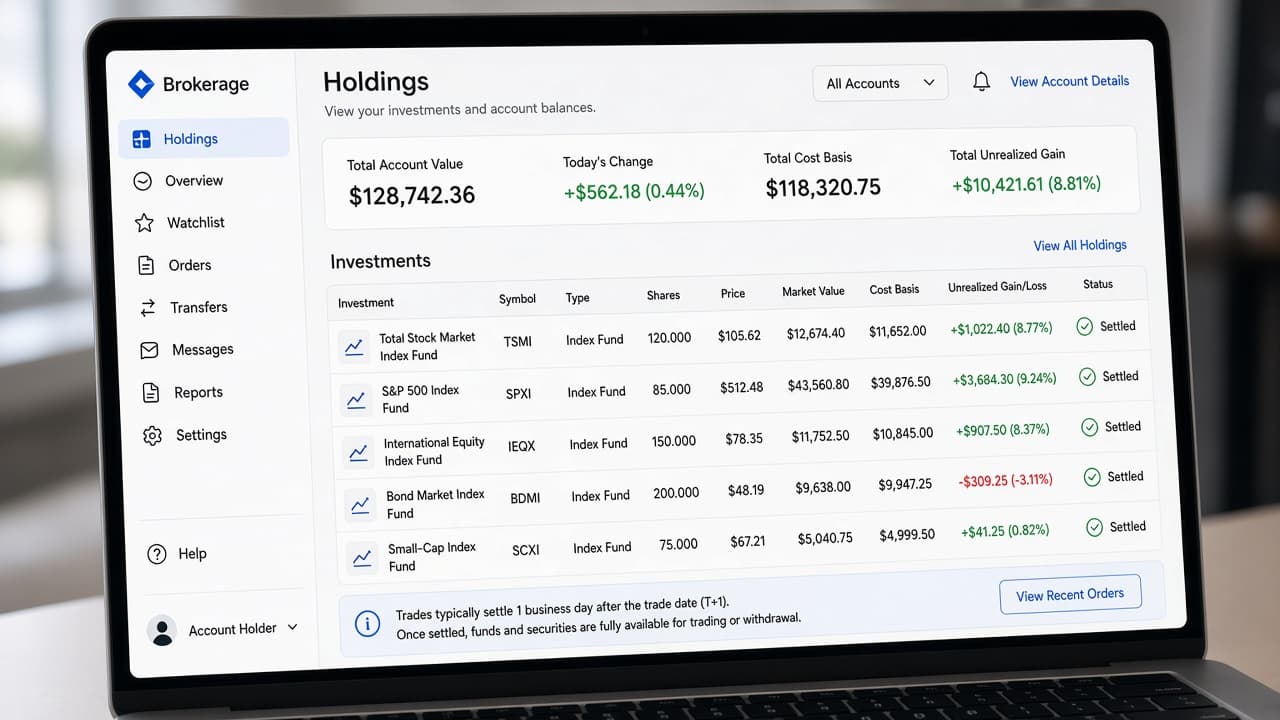
Confirm cash moved from settlement into the fund. 6d
Leave new contributions in cash for months
Common mistake: assuming auto-deposit also auto-invests. Many accounts require a separate purchase step.
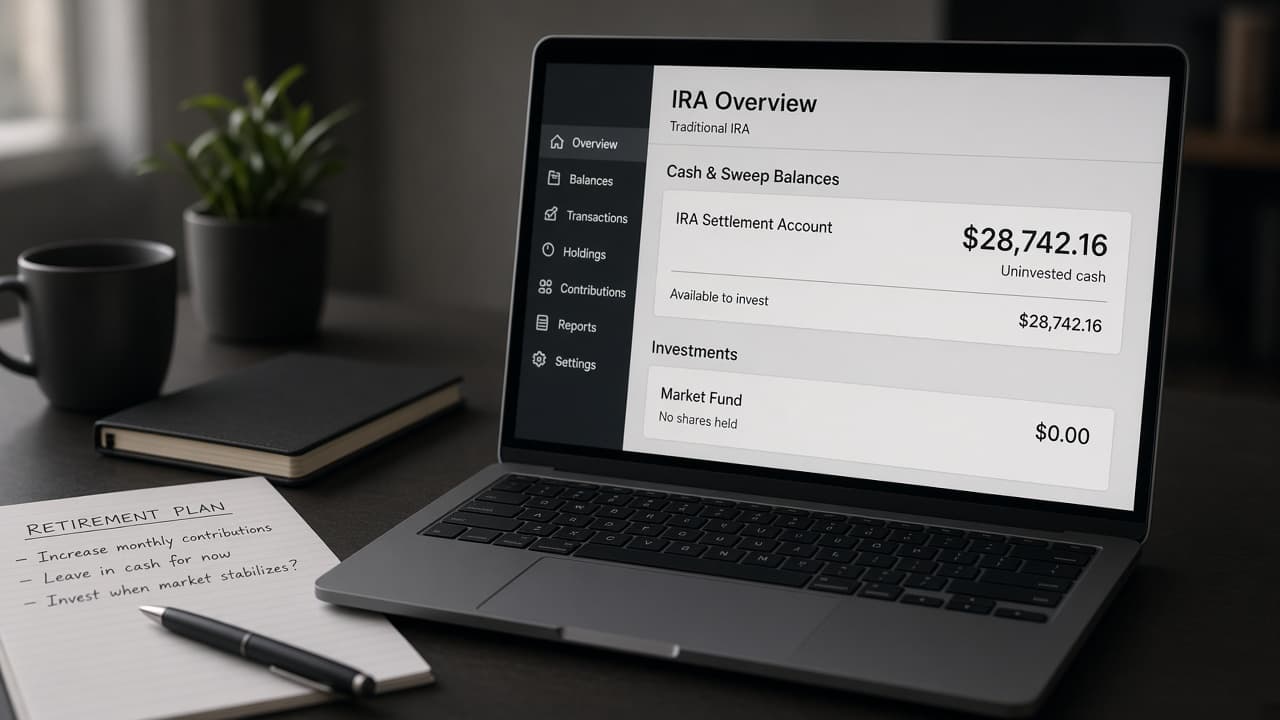
Leave new contributions in cash for months
Step 07
Review yearly and update beneficiaries
Annual check-ins keep contributions on track and fees visible. Save statements for taxes.
Do this step in order
7a
Confirm you captured any employer match mid-year
Verify payroll deferrals still run. Job changes may reset enrollment.
7b
Rebalance only when allocations drift far
Target-date funds rebalance internally. Separate funds may need occasional adjustment back to your target mix.
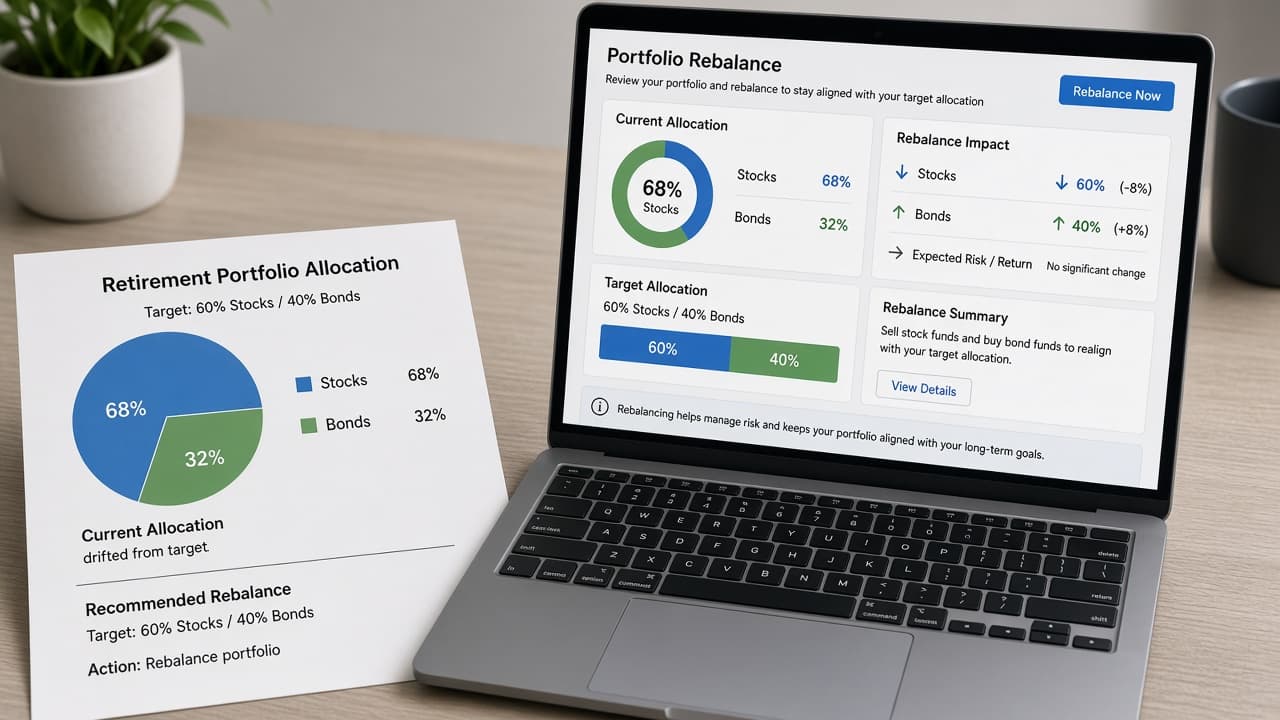
Rebalance when the mix drifts, not every week. 7c
Store Form 5498 and nondeductible IRA records
Form 1099-R generally arrives when money is distributed or rolled over.
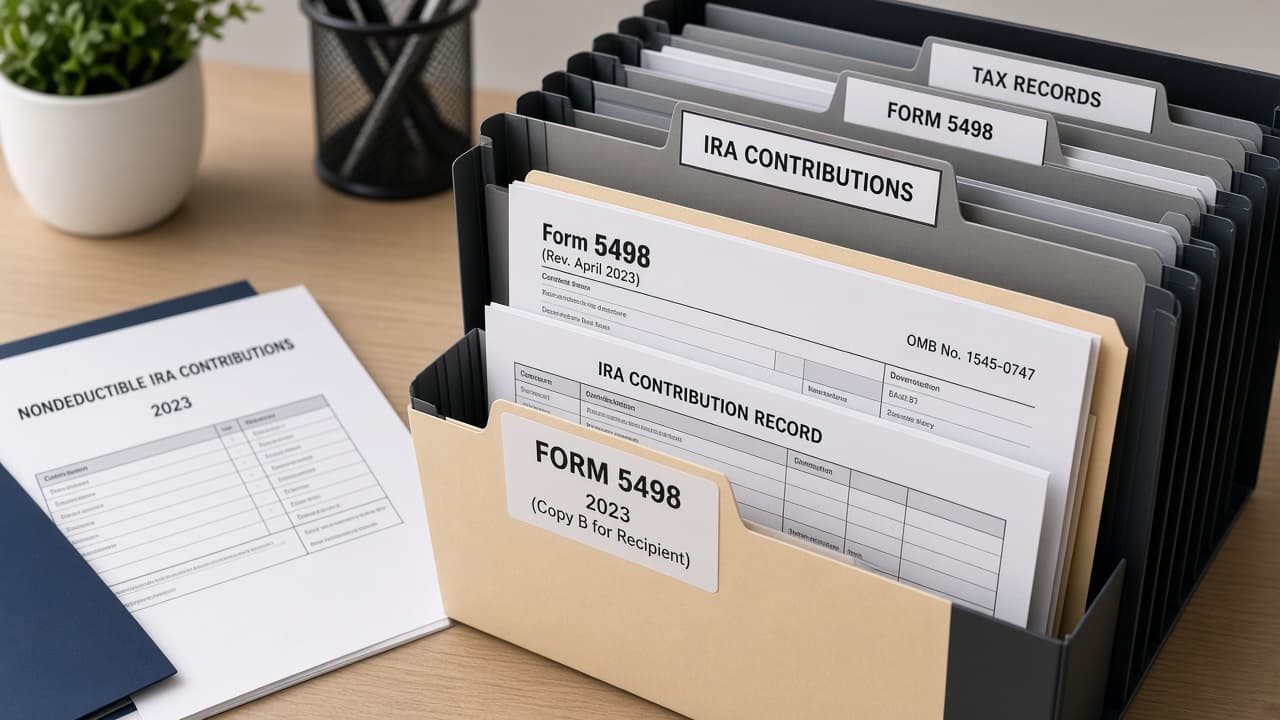
Keep contribution records for tax season. 7d
Forget beneficiary forms after marriage or divorce
Common mistake: assuming a will overrides the account beneficiary. The form on file usually controls who inherits.

Forget beneficiary forms after marriage or divorce
Done when
- Check whether your job offers a 401(k) and match
- Gather ID and bank details
- Decide traditional vs Roth at a high level
- Pick a low-cost diversified fund
- Set a recurring contribution you can sustain
- Confirm cash was invested, not just deposited
- Update beneficiaries after life changes
Eagle Frame's takeaway: enroll in a matched 401(k) if you have one, then open a traditional or Roth IRA at a reputable low-fee broker if you still have room to save. Increase contributions slowly, keep fees low and treat this article as orientation, not a personalized plan.