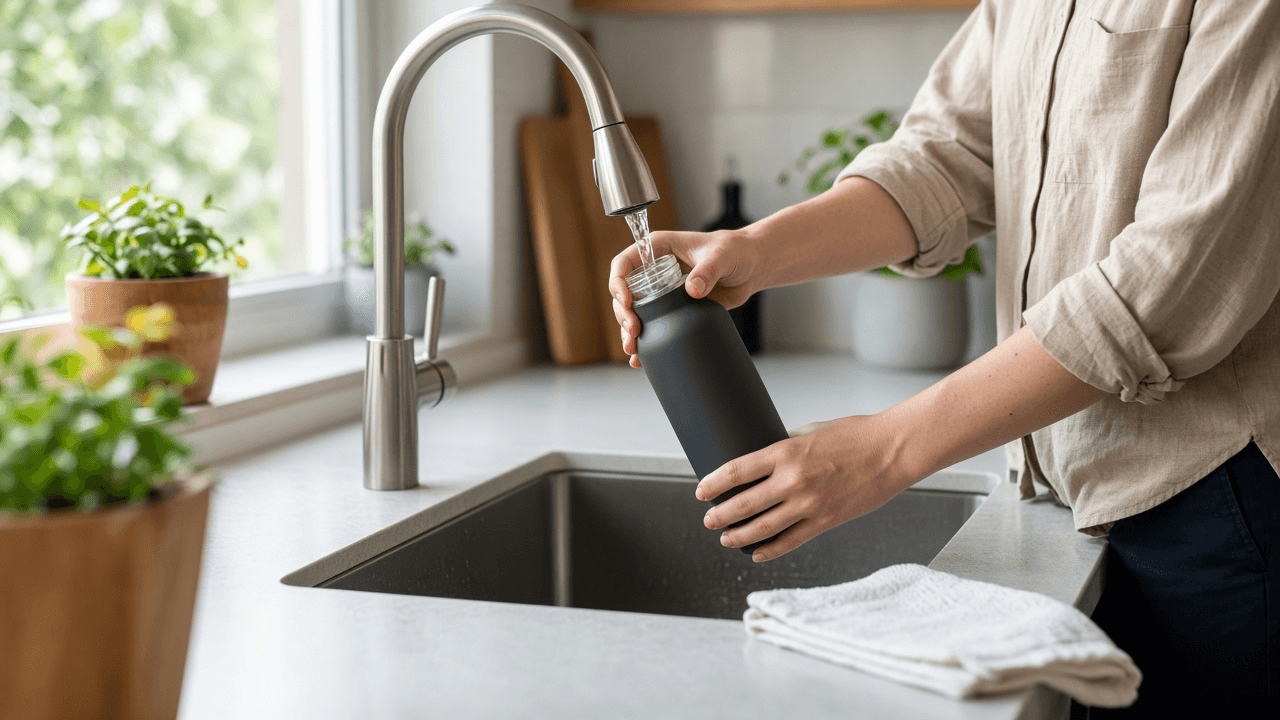
How to stay hydrated
Spread water through the day, lean on food and drinks that count toward fluids and watch urine color and thirst so you catch dehydration before headaches or fatigue set in.
Hydration is not a single giant gulp at lunch. Your body spreads fluid through blood, joints and skin all day. Most healthy adults do fine when they drink regularly and eat water-rich foods. Needs rise with heat, exercise, altitude, illness and pregnancy.
Plain water is the baseline, but coffee, tea, milk and broth count toward daily fluids for most people. Very sugary drinks can add calories without quenching thirst as well. Alcohol pulls water out, so pair drinks with water if you are celebrating.
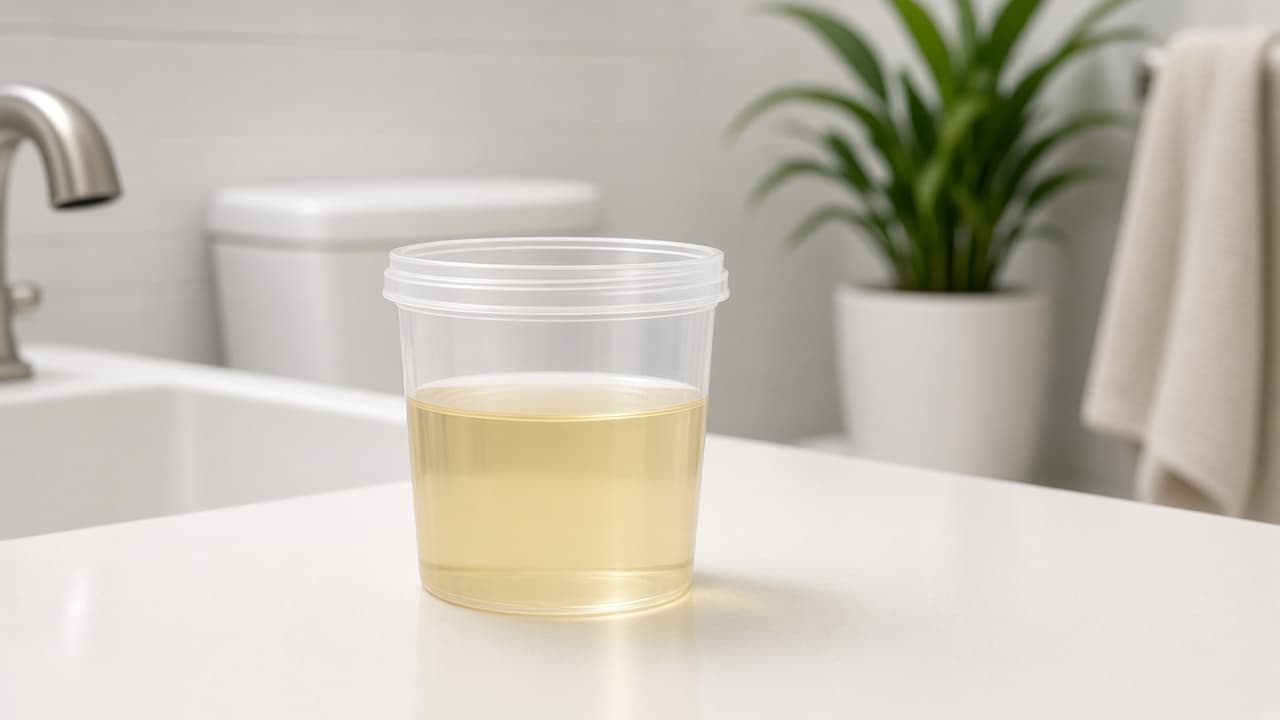
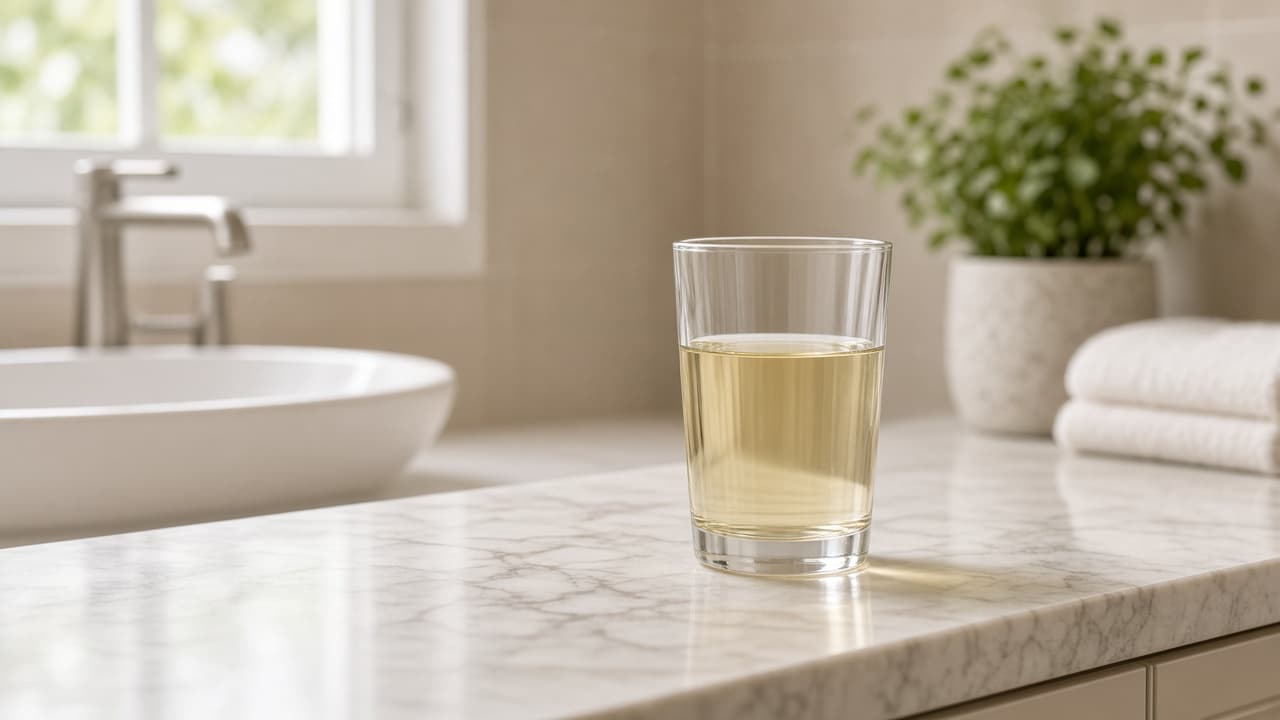
A practical cue is urine color. Pale straw or light yellow usually means you are on track. Dark yellow and infrequent urination often mean you need more fluid, although vitamins and medicines can change color. A morning check is more useful than judging one sample after a large drink.
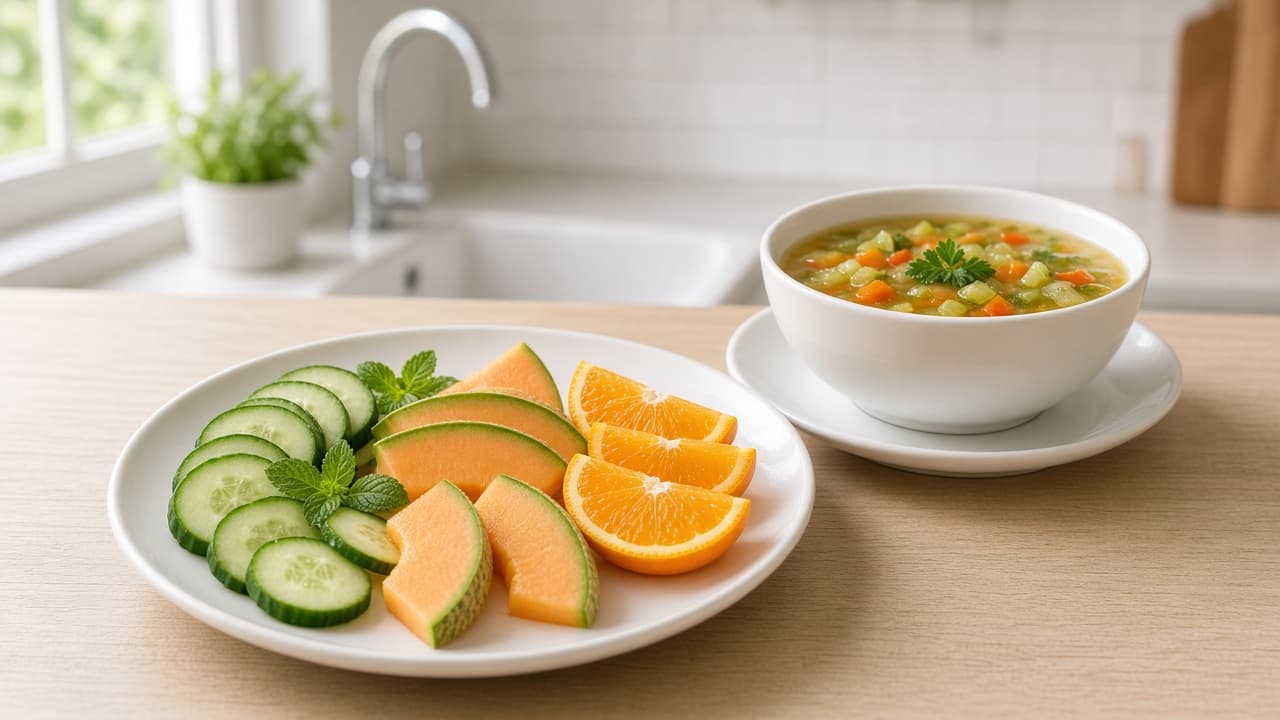
Build habits that fit your day: a bottle on your desk, a glass with each meal, herbal tea in the evening. Foods like cucumber, melon, oranges and soup add volume without feeling like a chore. Older adults and young children may need reminders because thirst signals weaken.
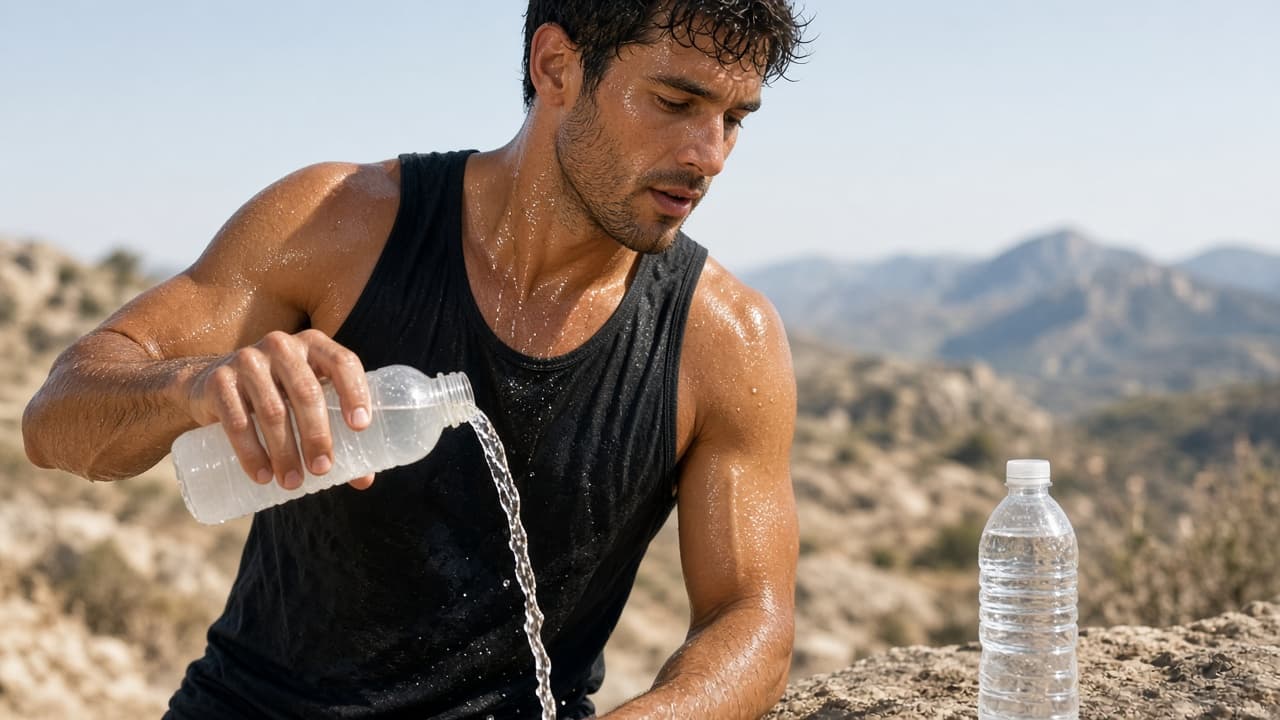
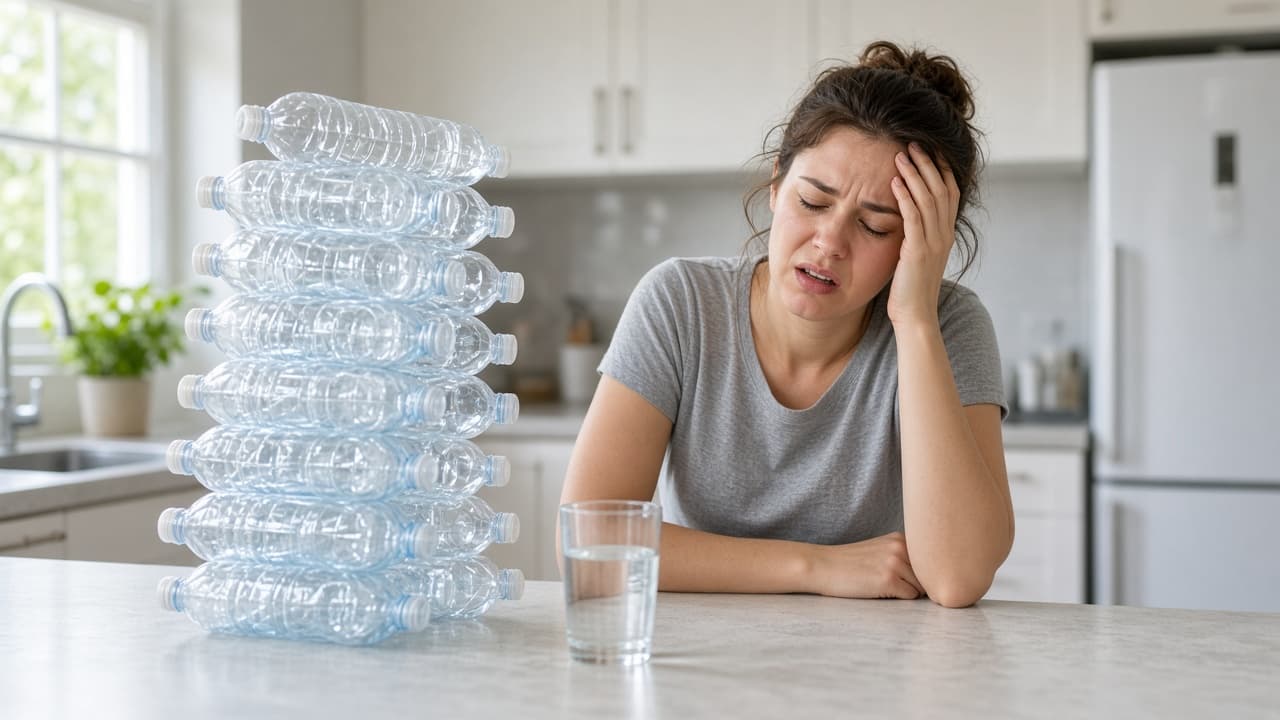
Exercise advice needs balance. For moderate work in heat lasting less than two hours, NIOSH suggests about 8 ounces of water every 15 to 20 minutes and no more than 48 ounces in an hour. During ordinary exercise, drink in response to thirst instead of forcing a preset volume. Prolonged heavy sweating may call for balanced electrolytes or salty food, while most short workouts need only water and normal meals.
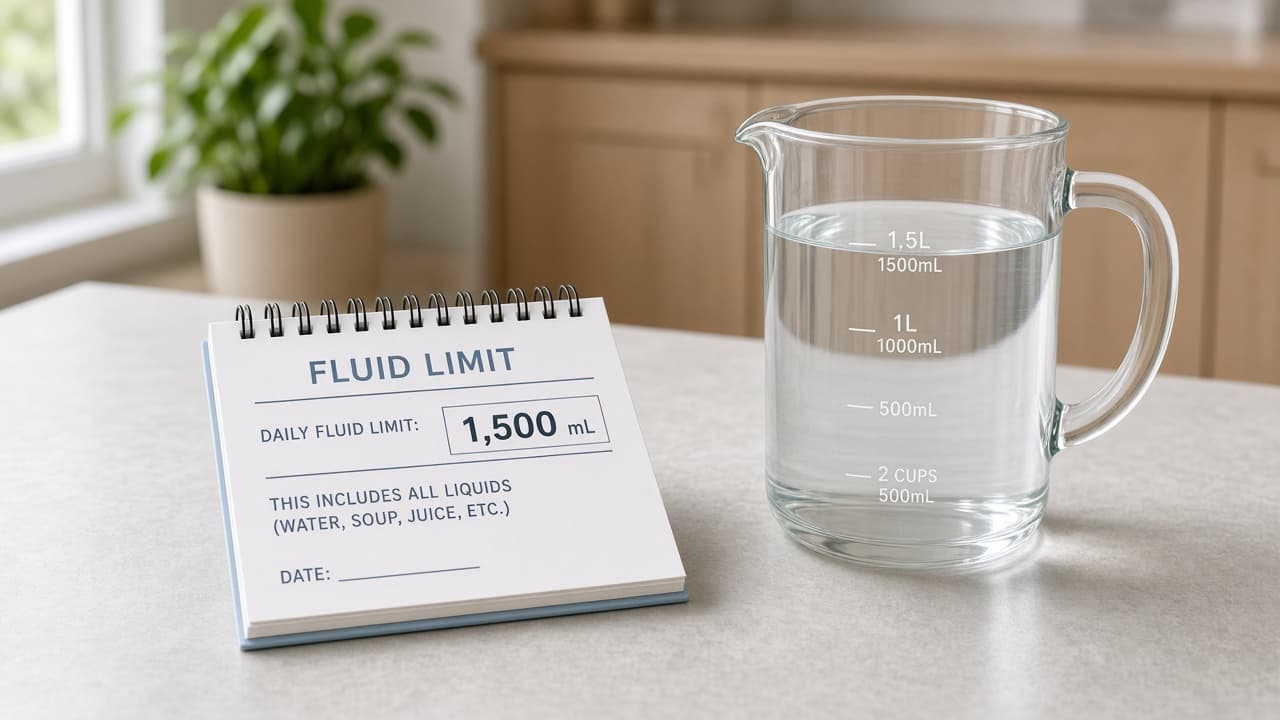
Too much fluid can dilute blood sodium, a dangerous condition called hyponatremia. Headache, nausea, confusion or seizures after heavy drinking need urgent medical care. People with heart disease, kidney disease or a prescribed fluid limit should follow their clinician's target rather than a general bottle goal.
Step-by-step guide
Time: Ongoing habit; first setup about 10 minutes
What you need
- Reusable water bottle you like to carry
- Glass or pitcher for home
- Optional: hydration app or phone reminder
- Water-rich snacks like fruit or yogurt
- Electrolyte tablets or oral rehydration for illness
- Travel-size bottle for commutes
Before you start
- Extreme water intake in a short window can be dangerous. Spread intake through the day.
- Persistent dark urine, dizziness or confusion needs medical attention, not only more water.
- Kidney, heart or fluid-restriction conditions require clinician guidance on volume.
- Do not rely on thirst alone during intense heat or endurance exercise.
Step 01
Set a bottle size and daily refill goal
Start with visible cues instead of a rigid number. A bottle on your desk and a glass at meals cover most quiet days.
Do this step in order
1a
Choose one bottle size and a refill target
Pick a bottle that fits your bag. Aim to finish and refill it at least once on a normal workday, more if you exercise.
1b
Pair water with routines you already have
Drink a glass when you wake up, with each meal and when you sit at your desk. Anchors make the habit automatic.
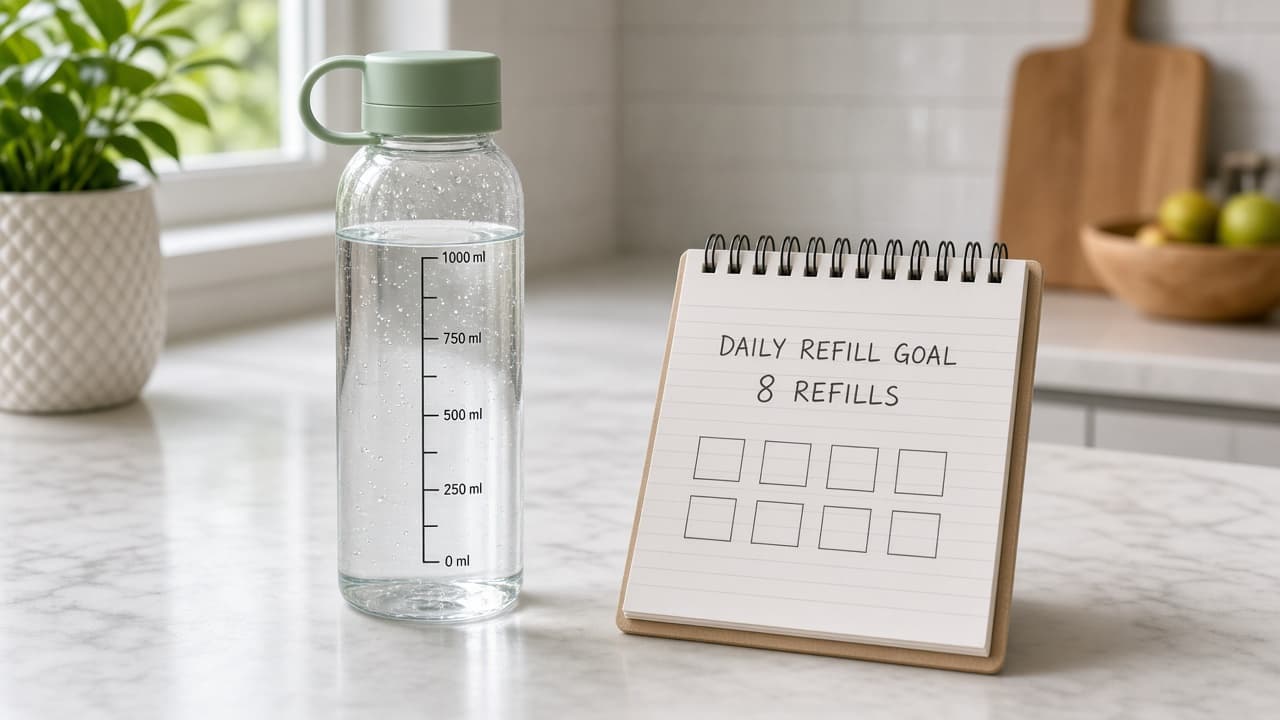
Tie sips to wake-up, meals and desk time. 1c
Flavor lightly if plain water bores you
Add lemon, cucumber or mint. Sparkling water counts. Skip heavy sugar if you are watching calories.
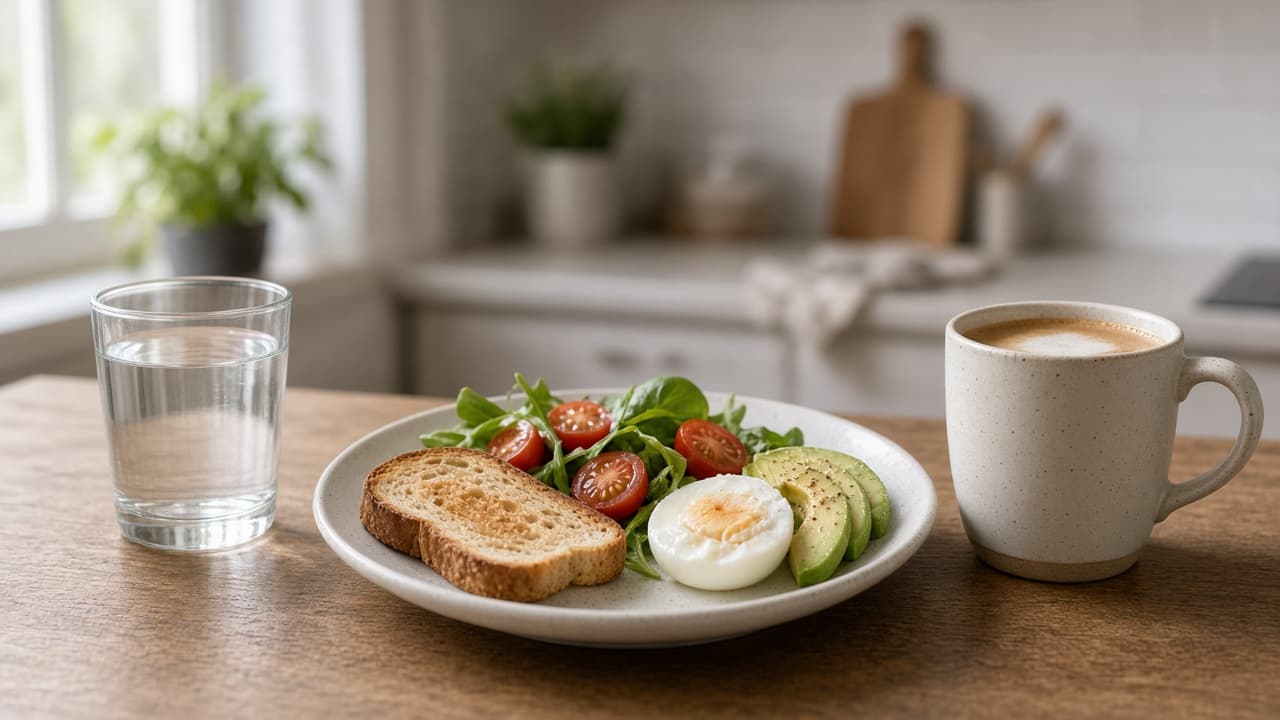
Light flavor can help you finish the bottle. 1d
Chase a perfect gallon total on day one
Common mistake: forcing a huge daily target that you abandon by Wednesday. Start with one bottle plus meals, then adjust.
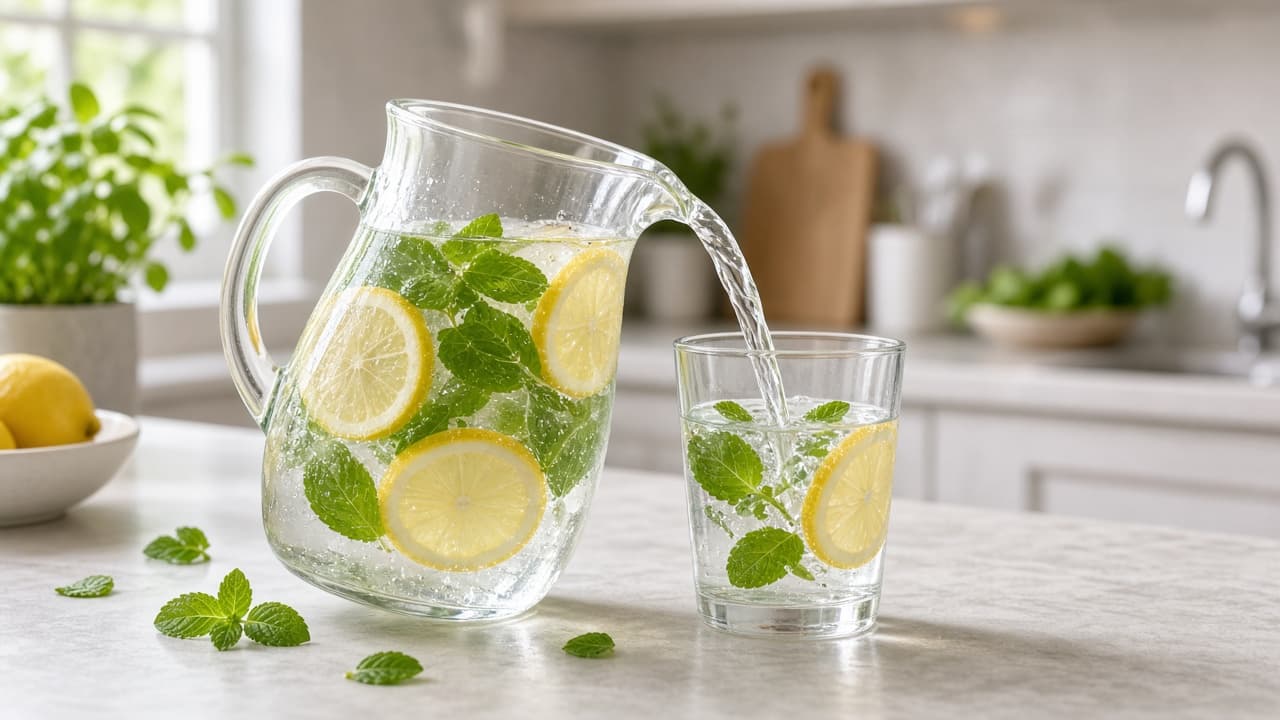
Build the habit before you chase a number.
Step 02
Anchor drinks to meals and daily routines
Tie sips to events you already repeat. Breakfast, lunch and desk time become automatic refill points.
Do this step in order
2a
Drink a full glass with each meal
Sit down with water before you eat. The meal anchor works even when you forget the bottle.
2b
Set a phone reminder for mid-morning
One gentle ping before lunch catches the gap between breakfast and afternoon.

One reminder beats a dozen guilt alerts. 2c
Keep a glass by the coffee maker
Pour water while the kettle heats. Coffee and tea count toward fluids for most healthy adults.
Pair water with your existing morning ritual. 2d
Skip water because you had coffee
Common mistake: treating coffee as dehydrating enough to skip plain water all morning. Balance both unless a clinician limits caffeine.
Coffee counts, but plain water still helps.
Step 03
Adjust for sweat, heat and exercise
Heat and movement increase loss through sweat. Sip before you feel parched during outdoor work.
Do this step in order
3a
Start activity normally hydrated
Drink with the meal or snack before exercise and begin when you are not thirsty. Avoid loading up with several bottles at once.
3b
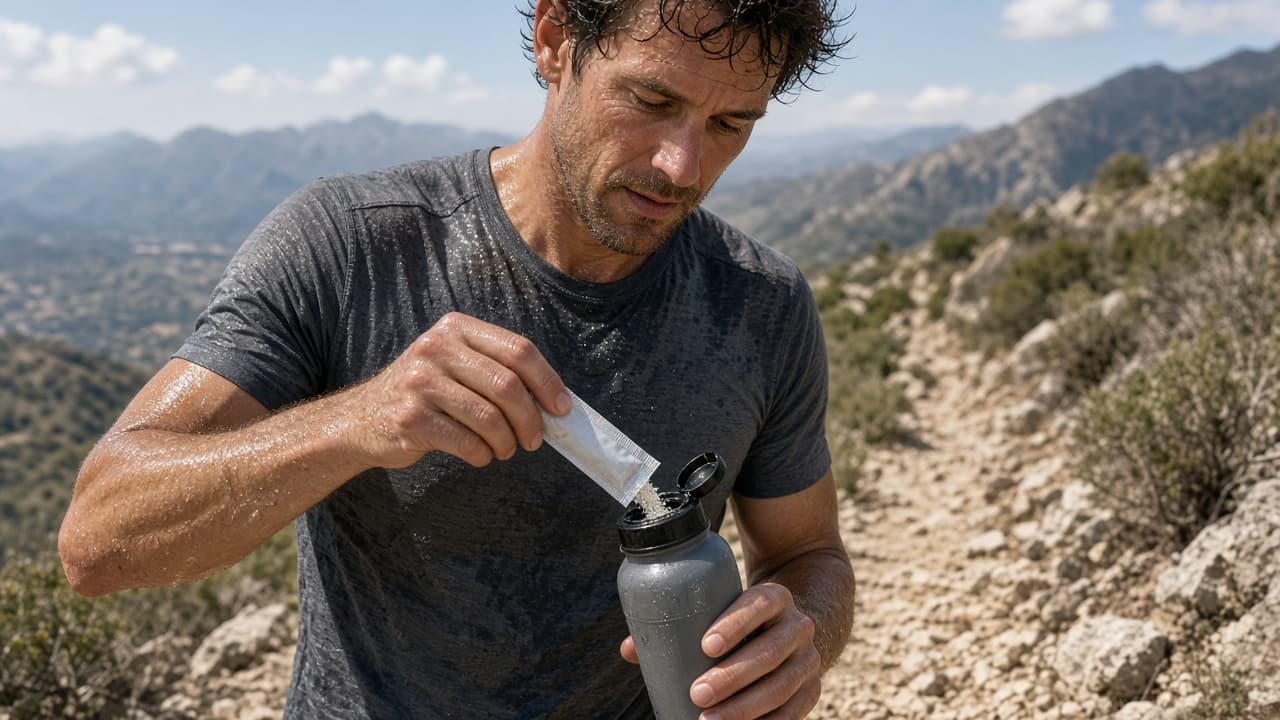
Add electrolytes only when sweat is heavy
Long runs or all-day outdoor work may need a sports drink or electrolyte tablet. Short gym sessions usually need water only.
Reserve sports drinks for heavy sweat days. 3c
Use heat guidance without exceeding it
During moderate work in heat, NIOSH suggests about one cup every 15 to 20 minutes. Do not exceed six cups in an hour.

Sip on a schedule in heat, but do not flood the hour. 3d
Force liters during a short gym session
Common mistake: chugging extra bottles after a 30-minute workout. Thirst plus a normal meal usually covers moderate exercise.

Short workouts rarely need a gallon.
Step 04
Count food and drinks that add fluid
Soup, fruit and yogurt boost hydration without another bottle to track.
Do this step in order
4a
Include water-rich foods at lunch and dinner
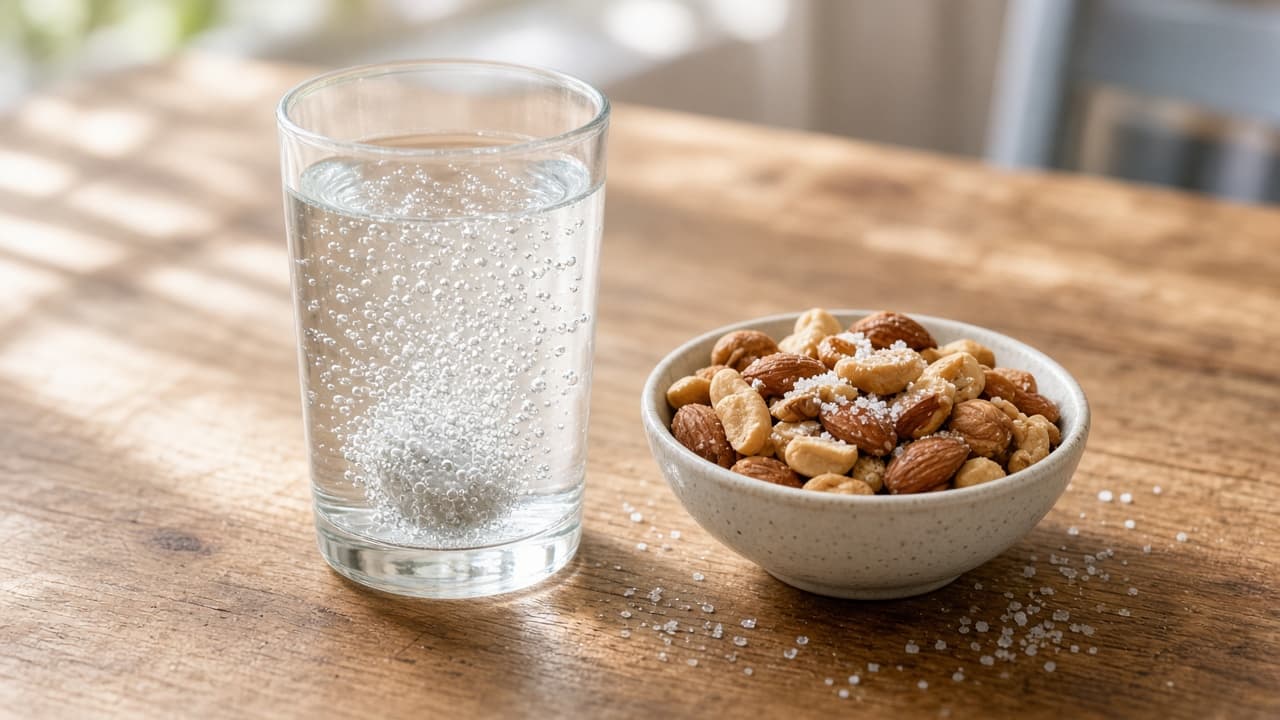
Salad, berries, broth and yogurt boost hydration without another bottle to track.
4b
Count useful fluids without chasing a perfect total
Tea, coffee, milk and broth contribute fluid for most healthy adults. Let thirst, meals and urine color guide small adjustments.
Meals can cover a large share of daily fluid. 4c
Rely only on sports drinks for daily sipping
Sports drinks add sugar most desk days do not need. Reserve them for heavy sweat sessions.
Plain water is the default on quiet days. 4d
Replace meals with juice alone
Common mistake: swapping solid food for sweet juice and calling it hydration. Fiber and protein still matter for steady energy.
Food and water work together.
Step 05
Read urine color and body signals
Pale straw urine is a rough guide. Headache, dry mouth and dizziness can follow mild dehydration.
Do this step in order
5a
Glance at urine color mid-morning
Pale yellow is the usual target. Apple-juice dark or infrequent bathroom trips suggest you need more fluid.
5b
Watch for headache, dry mouth or dizziness
These can follow mild dehydration. Increase water and rest in shade. Seek care if symptoms persist after drinking.
Symptoms can appear before you feel thirsty. 5c
Note medicines and vitamins that change color
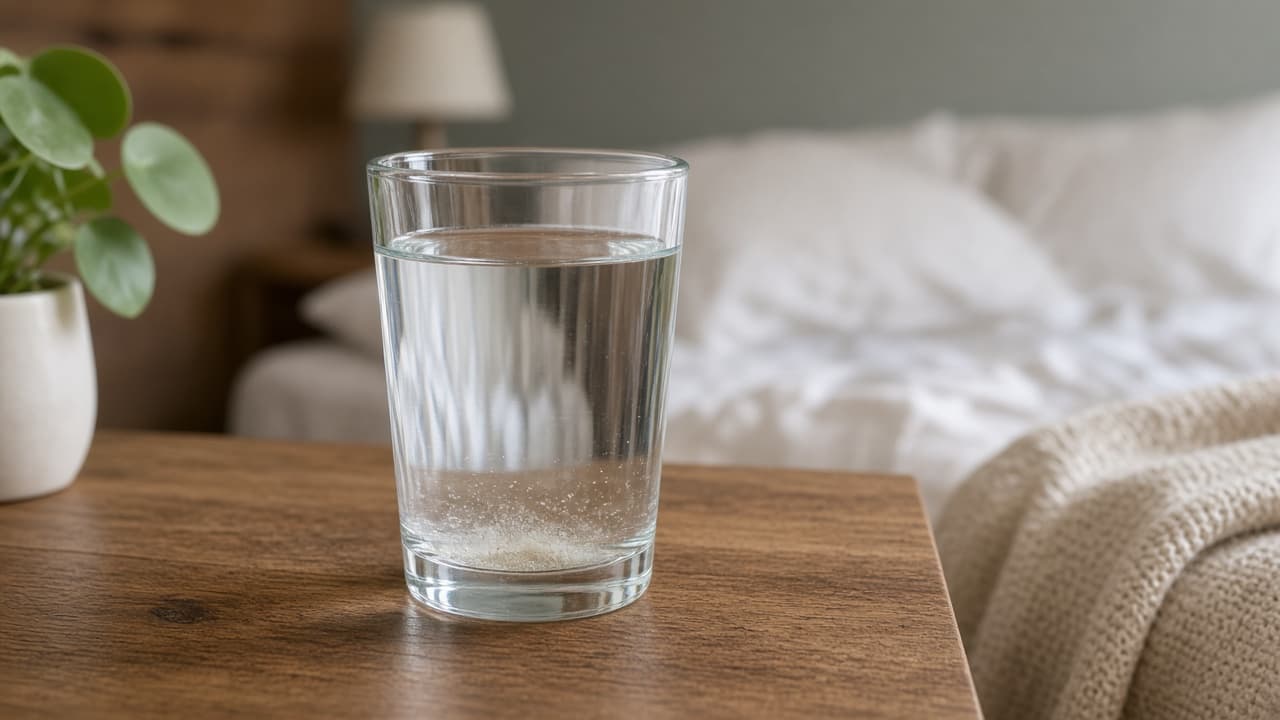
B vitamins can turn urine bright yellow. Judge trend over several days, not one sample.
Supplements can skew a single reading. 5d
Panic over one dark sample after a multivitamin
Common mistake: doubling water because of a single neon-yellow trip after supplements. Track pattern across the day instead.
Trend beats one dramatic sample.
Step 06
Plan for travel, illness and long outdoor days
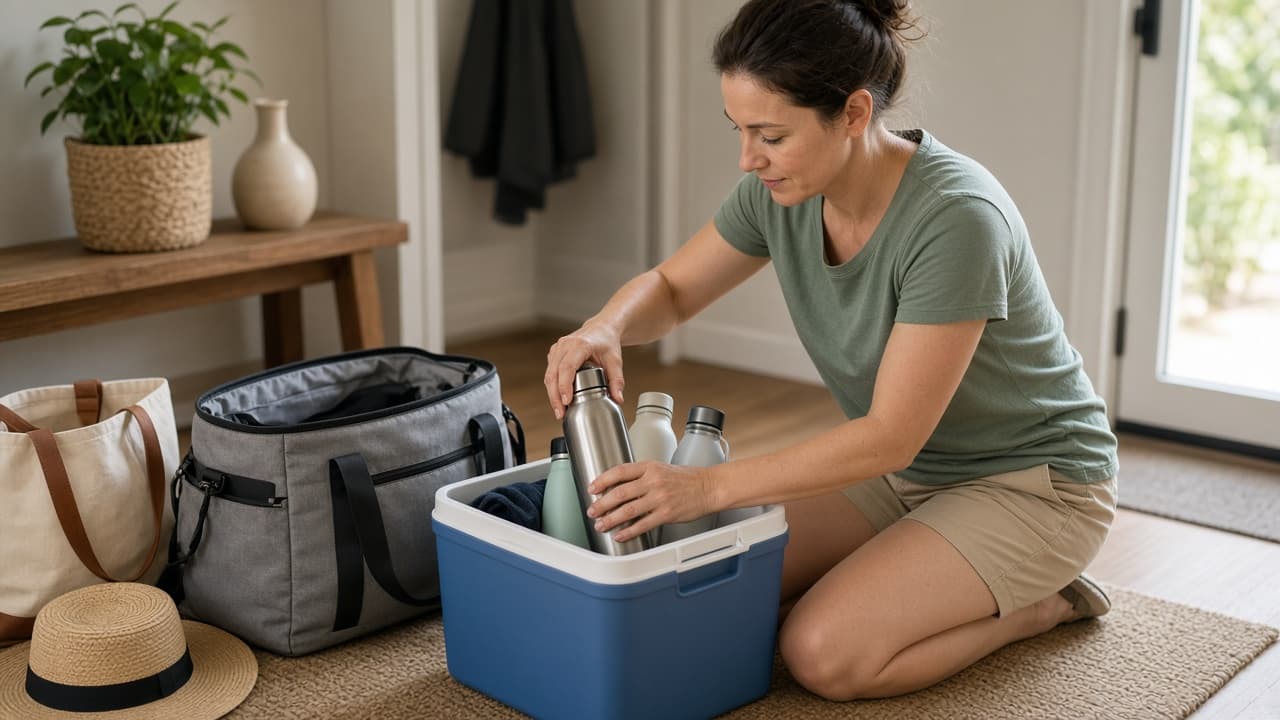
Pack water before heat or travel. Oral rehydration helps when vomiting or diarrhea causes losses.
Do this step in order
6a
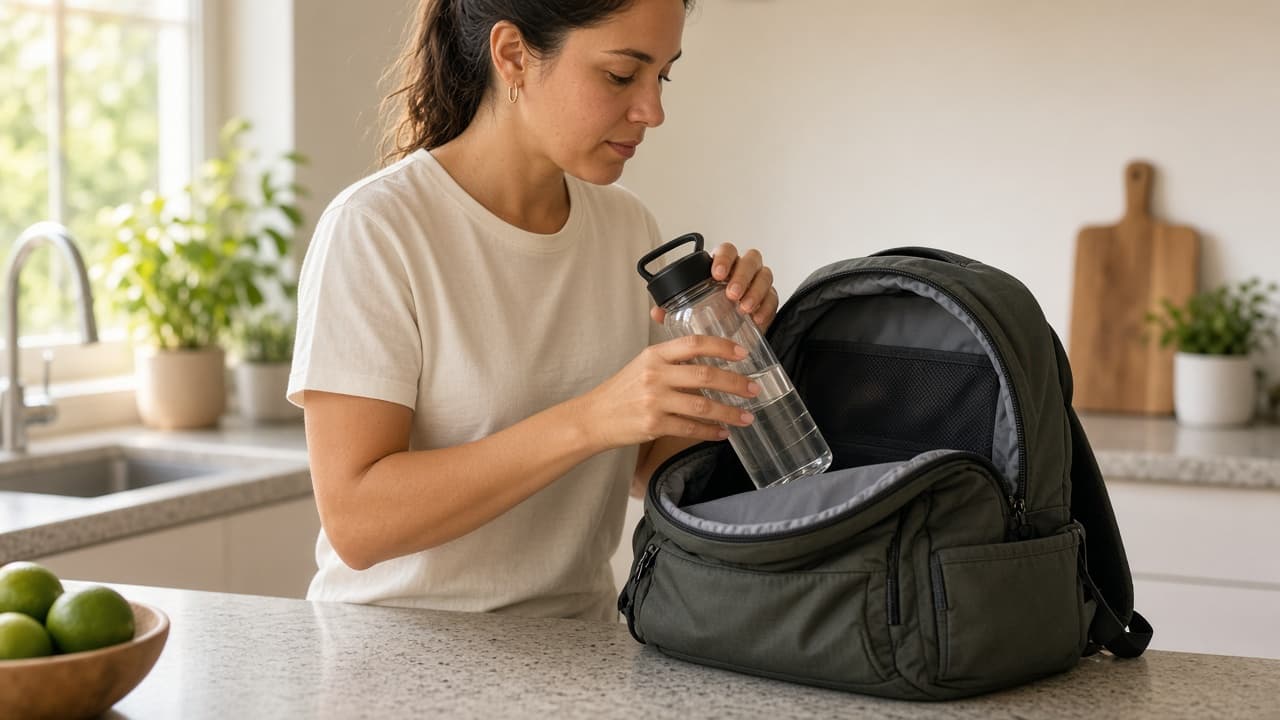
Pack water before heat or travel
Carry a refillable bottle and identify refill points. Drink at meals and take regular small sips when thirsty.
6b
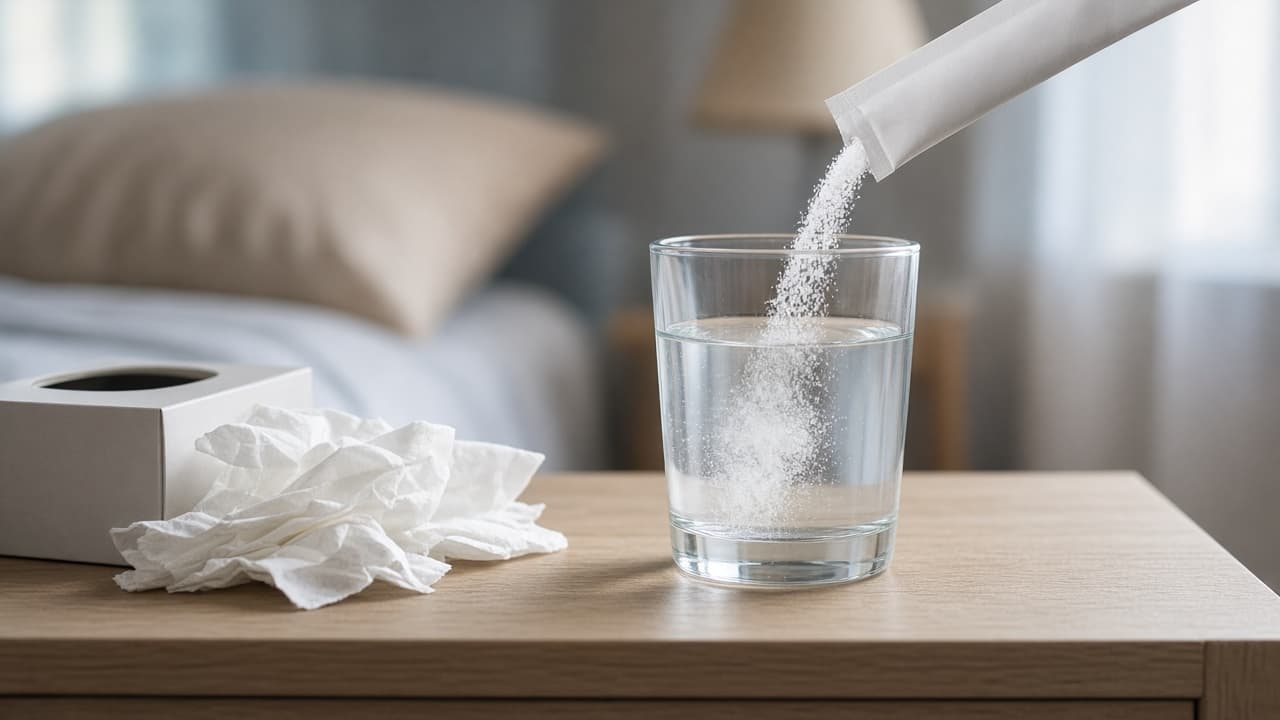
Add electrolytes for hours of heavy sweating
Choose a balanced drink or eat normal salty food during prolonged exertion. Skip salt tablets unless a clinician advises them.
Long sweaty days need salt as well as water. 6c
Use oral rehydration for significant stomach illness
An oral rehydration solution replaces water and salts more predictably than plain water when vomiting or diarrhea causes losses.

ORS helps when plain water is not enough. 6d
Copy a healthy friend's intake on a fluid limit
Common mistake: matching a coworker's bottle count when your clinician capped daily volume. Follow the prescribed limit exactly.

Prescribed limits override social norms.
Step 07
Know medical limits and when to escalate
Too much fluid can dilute blood sodium. Heart, kidney and fluid-restriction conditions need clinician targets.
Do this step in order
7a
Follow medical fluid limits exactly
Ask the prescribing clinician how exercise, heat or illness changes your limit. Do not copy a healthy friend's intake target.
7b
Call a clinician for vomiting or inability to drink
Illness that blocks fluids needs medical support. Do not try to force extreme volumes at home.
Some illnesses need care, not more bottles. 7c
Treat confusion or fainting as urgent
Move the person out of heat and seek emergency help. Confusion can signal heat stroke, severe dehydration or low blood sodium.
Confusion is a red flag, not thirst. 7d
Keep drinking when nausea blocks fluids
Common mistake: forcing large volumes during vomiting. Small sips of oral rehydration or ice chips with medical guidance beat flooding the stomach.
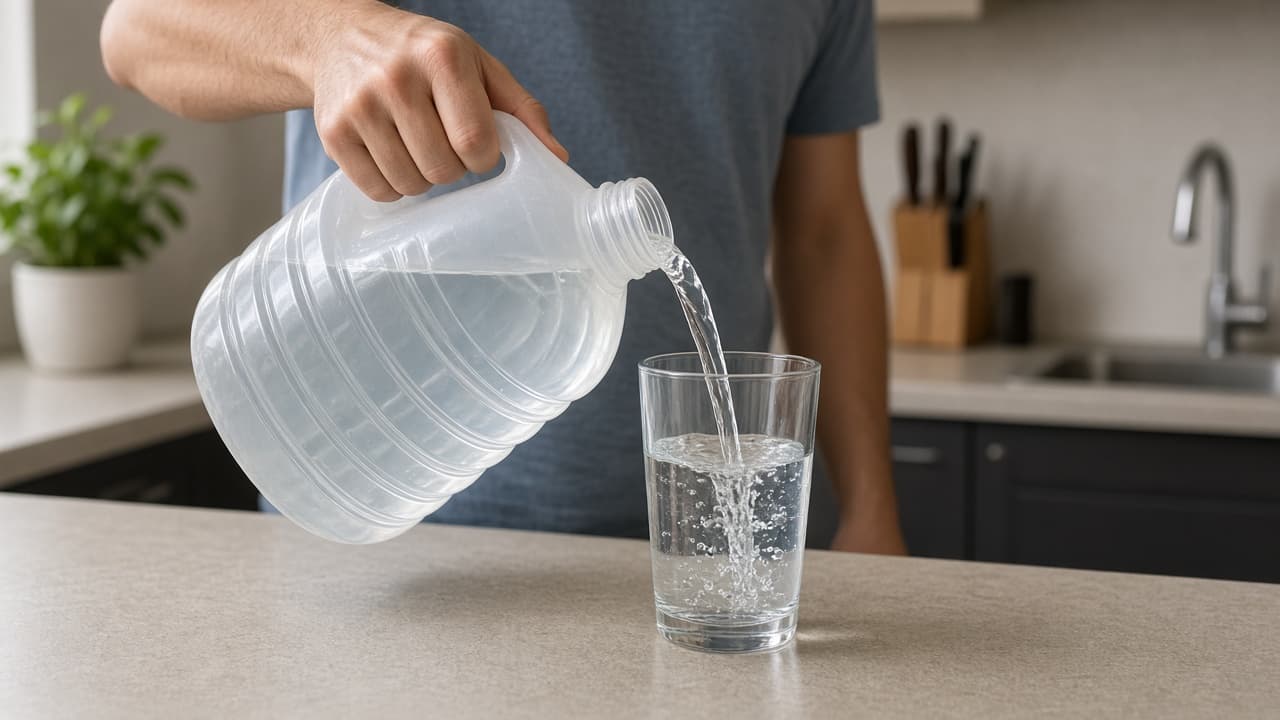
Tiny sips beat a flooded stomach.
Done when
- Fill a bottle each morning
- Drink with meals and during workouts
- Check urine color once or twice daily
- Eat fruits, vegetables or soup for extra fluid
- Increase intake in heat, altitude or illness
- Pack water before travel or outdoor work
- Follow clinician fluid limits when prescribed
Eagle Frame's takeaway: keep water within reach, drink steadily rather than in one flood, use pale urine as a quick check and add extra fluids when you sweat, travel or feel unwell. See a clinician if you cannot keep fluids down or urine stays dark despite drinking.