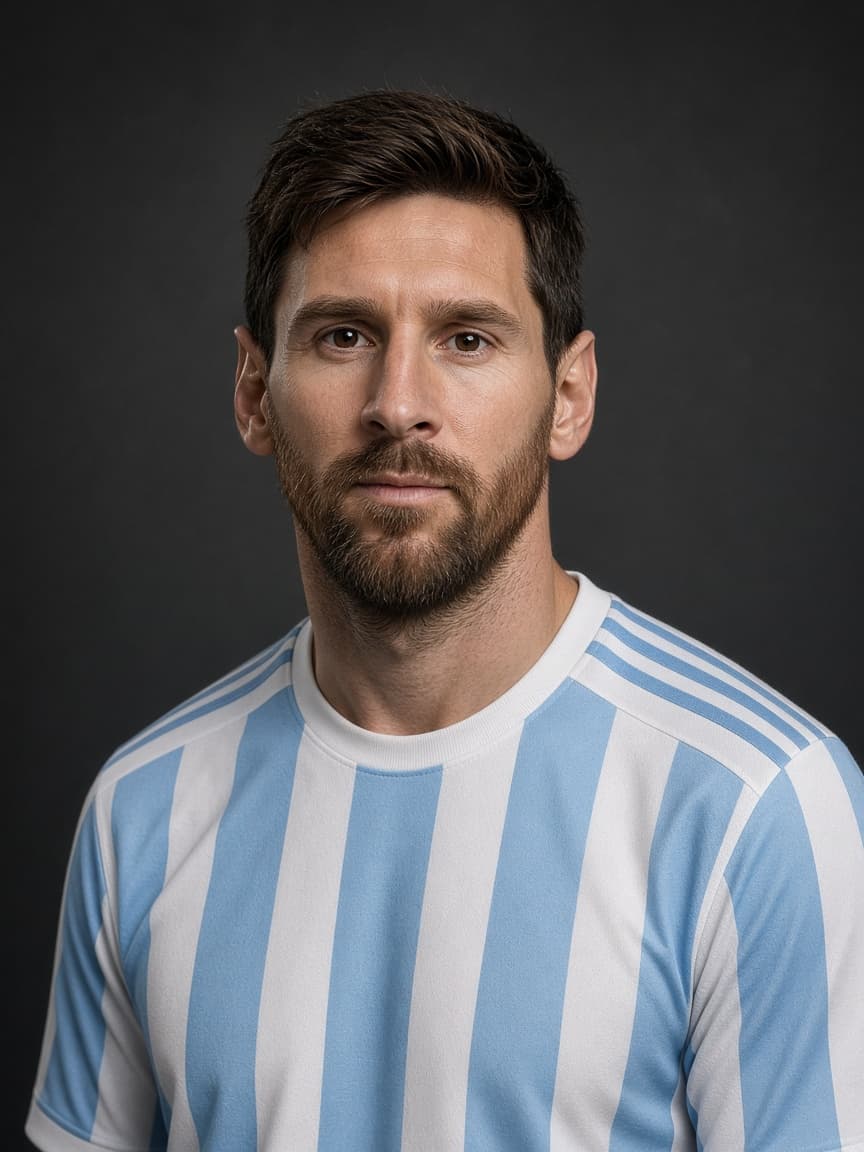
Lionel Messi: from Rosario's dusty pitches to a World Cup and a second act in Miami
Lionel Messi from childhood to now: growth hormone treatment, La Masia, Barcelona's record haul, eight Ballons d'Or, Argentina's long drought and 2022 crowning, PSG, Inter Miami and Forbes-level wealth estimates.
Reported all-competitions goal totals by club (Barcelona career complete; PSG and Inter Miami approximate public tallies through mid-2026)
672goals
Barcelona club total
Goals. Figures shown for this story. Bars use reported all-competitions club goal totals.
Lionel Messi is easy to summarize badly. Call him only a dribbler and you miss the playmaking. Call him only a Ballon d'Or machine and you miss the years Argentina treated him as unfinished business. Call him only the quiet one and you miss a captain who rewrote a country's football mood. The useful story is simpler and stranger: a small boy from Rosario whose body needed medical help to keep growing, and who then spent two decades turning low center of gravity into the highest standard the modern game has seen.
He was born Lionel Andrés Messi on 24 June 1987 in Rosario, Santa Fe Province, Argentina. His father, Jorge, worked in steel manufacturing. His mother, Celia, worked in a workshop. The family lived football the way some families live music: constantly, locally and without needing a manifesto. Leo played with older brothers and cousins in the street and on club pitches until the ball looked glued to his left foot. At Newell's Old Boys, the Rosario club he still supports, he joined a youth side later nicknamed the Machine of '87. Coaches remembered a tiny attacker who scored at a ridiculous rate and entertained crowds with tricks at half-time.
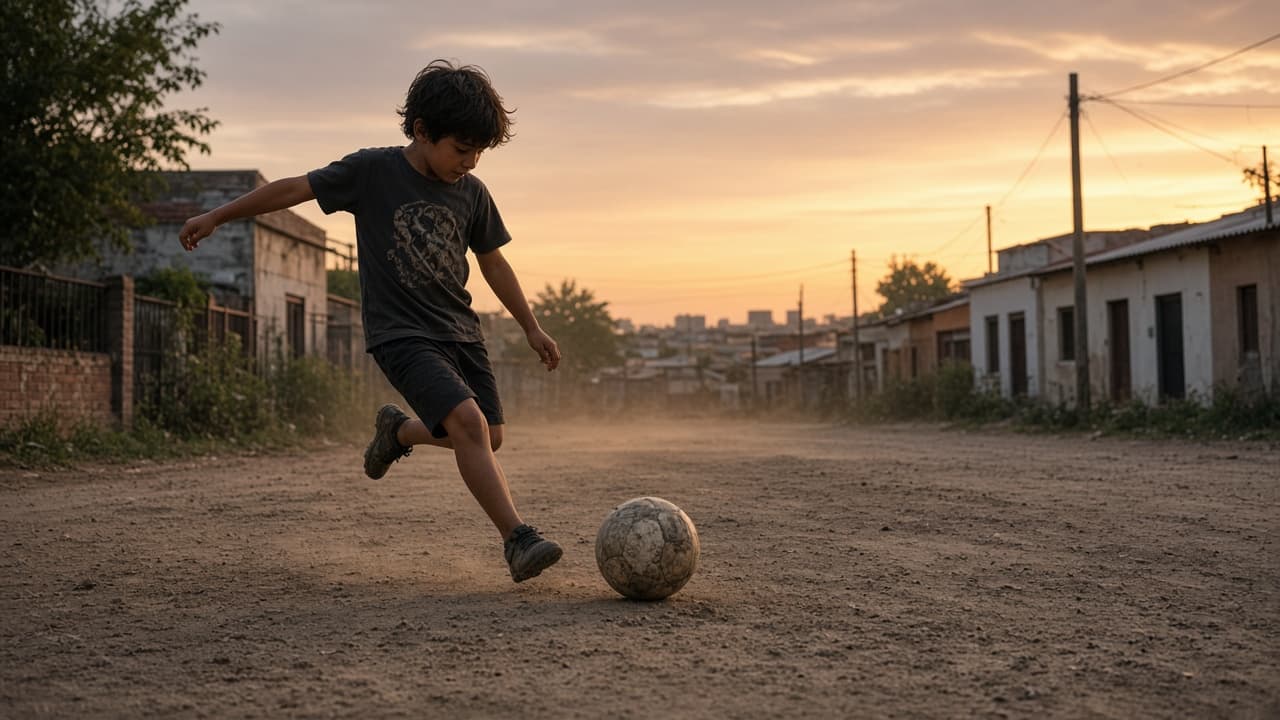
Around age 10, doctors diagnosed a growth hormone deficiency. Treatment was expensive, roughly a thousand pesos a month in local terms that his family's insurance could not cover forever. Newell's interest in helping faded. River Plate looked interested after a trial, then paperwork and club politics blocked a move. Barcelona's academy, La Masia, made a different kind of bet: bring the boy to Catalonia, pay for the medical treatment and see whether the talent survived transplantation. In 2000, at 13, Messi moved to Spain with his father. Homesickness hit hard when his mother and siblings returned to Argentina for stretches. Teammates found him so quiet some wondered whether he spoke at all. The football answered for him.
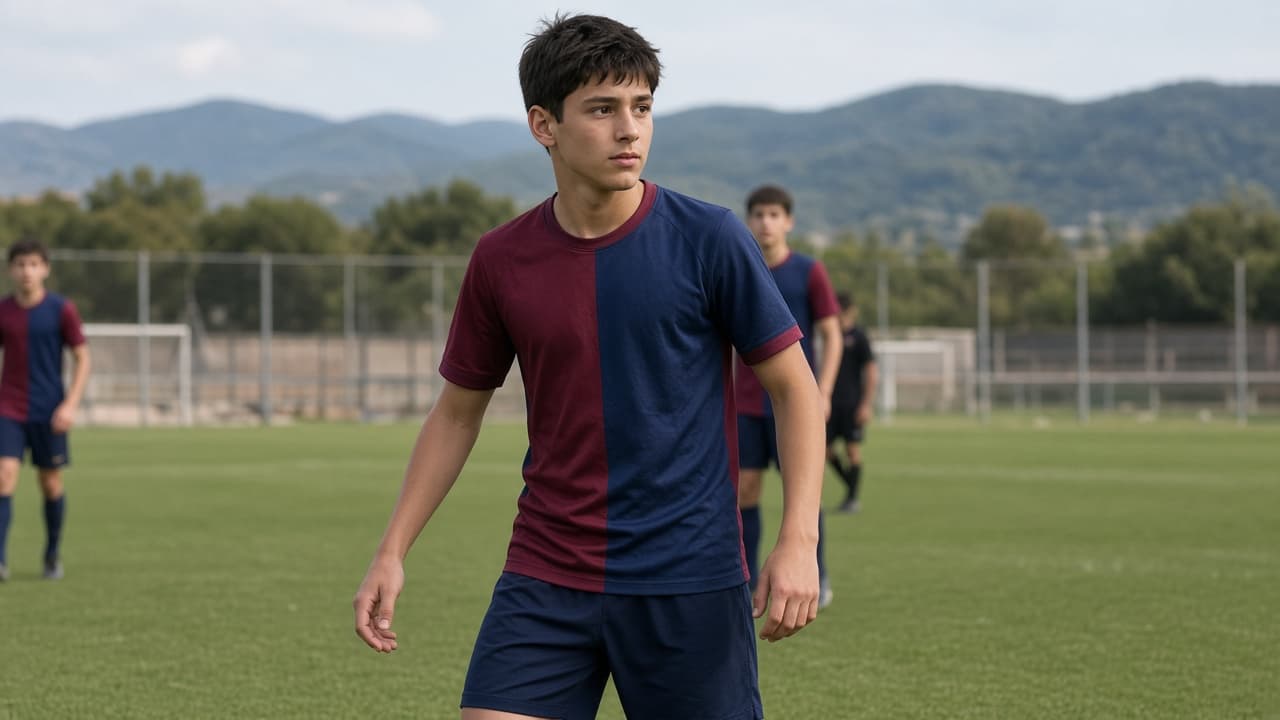
By February 2002 he was cleared for Spanish competition. He became a hub of Barcelona's "Baby Dream Team" youth sides, scoring freely and winning youth trebles that club lore still retells. First-team minutes arrived under Frank Rijkaard. Messi made his competitive debut in 2004 at 17. Early seasons mixed fragility with flashes that froze stadiums: a Clásico hat-trick, goals that echoed Diego Maradona's 1986 World Cup runs against England, and a left-footed cut inside that defenders began to study like homework. Injuries interrupted him. The pattern that mattered more was acceleration. Each healthy stretch made the previous ceiling look temporary.
The 2008-09 season under Pep Guardiola turned promise into architecture. Barcelona won La Liga, the Copa del Rey and the Champions League, the first treble in Spanish club history. Messi was not only the finisher. He floated between false nine and wide creator, receiving between the lines, drawing fouls and inventing assists that looked rehearsed even when they were improvised. The trophies stacked into a sextuple across that calendar stretch. Individual awards followed. In 2009 he won the Ballon d'Or and FIFA World Player of the Year. Then he won the Ballon again in 2010, 2011 and 2012, becoming the first player to take four in a row. The argument about whether he was "best in the world" stopped being interesting. The argument became how long the standard could hold.
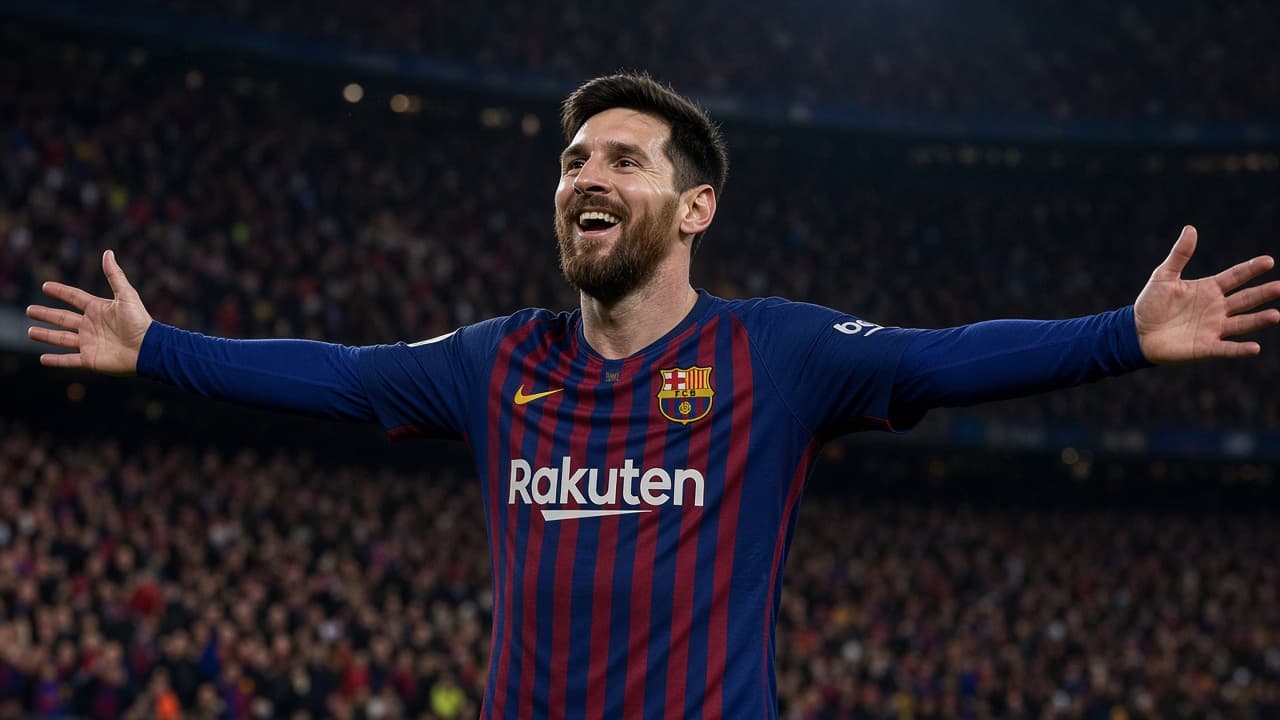
Numbers from those years still read like typos. In calendar year 2012 he scored 91 goals for club and country, breaking Gerd Müller's long-standing mark. He became Barcelona's all-time top scorer while still in his mid-20s. He piled up European Golden Shoes and Champions League top-scorer titles. A second treble arrived in 2014-15 with Neymar and Luis Suárez beside him in the MSN front line, a Spanish-record goal machine that made possession football look like a carnival. Across his Barcelona career he finished with 672 goals in 778 appearances in commonly cited all-competitions tallies, including 474 La Liga goals and 120 in the Champions League. He left as the club's record scorer and appearance maker, with 10 league titles and four European Cups among a club-record haul of major silverware.
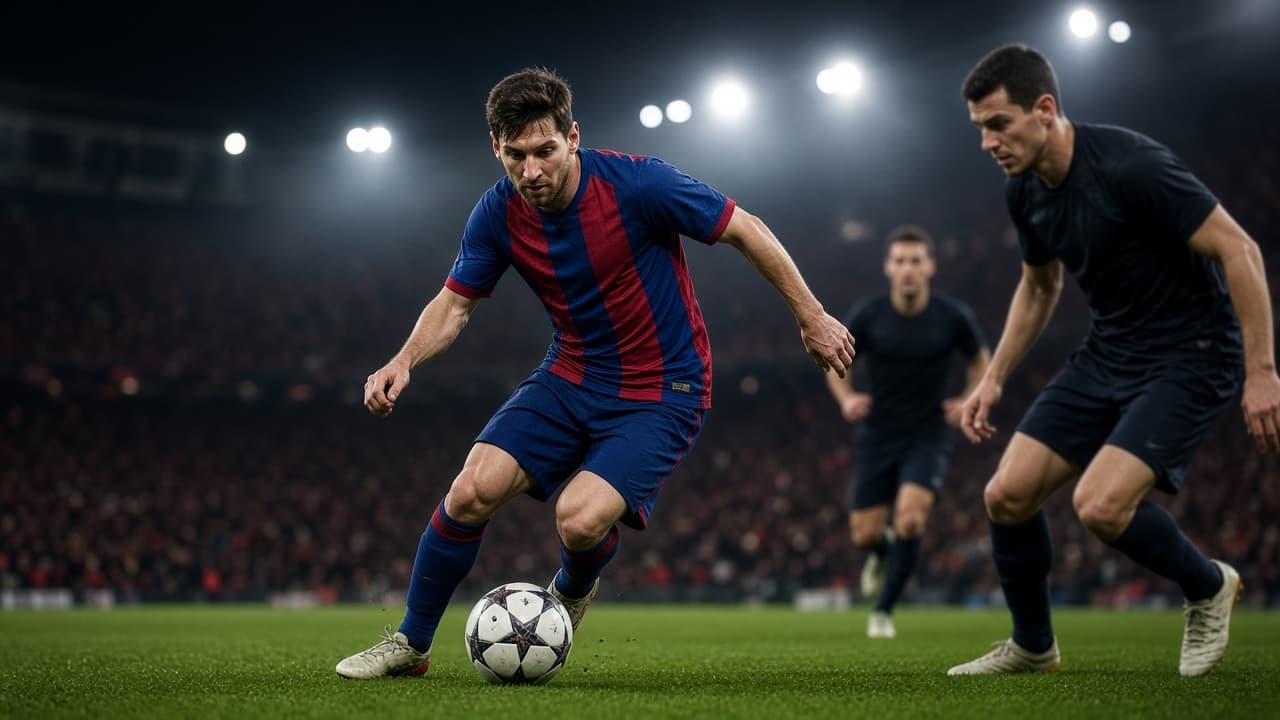
Rivalry with Cristiano Ronaldo defined a decade of European football marketing and, more usefully, raised the floor for elite output. Every Ballon d'Or vote became a culture war. Every Clásico or Champions League night became a referendum. Messi's public style stayed muted: few fireworks in interviews, few manufactured feuds. The drama lived in the tape. Defenders knew the script (cut inside onto the left, curl toward the far corner, slip a no-look pass) and still could not stop it often enough.
Argentina was the unfinished chapter for years. Messi debuted for the senior national team in 2005, won the FIFA U-20 World Cup that year and took Olympic gold in Beijing in 2008. As captain from 2011 he dragged the Albiceleste to the 2014 World Cup final and to Copa América finals in 2015 and 2016, then lost them all. After the Centenario final he announced an international retirement, then walked it back under public pressure and his own unfinished hunger. Critics called him a club giant who shrank in light blue and white. The charge was unfair in volume of chances created and still sticky in the trophy column. That tension became part of his fame.
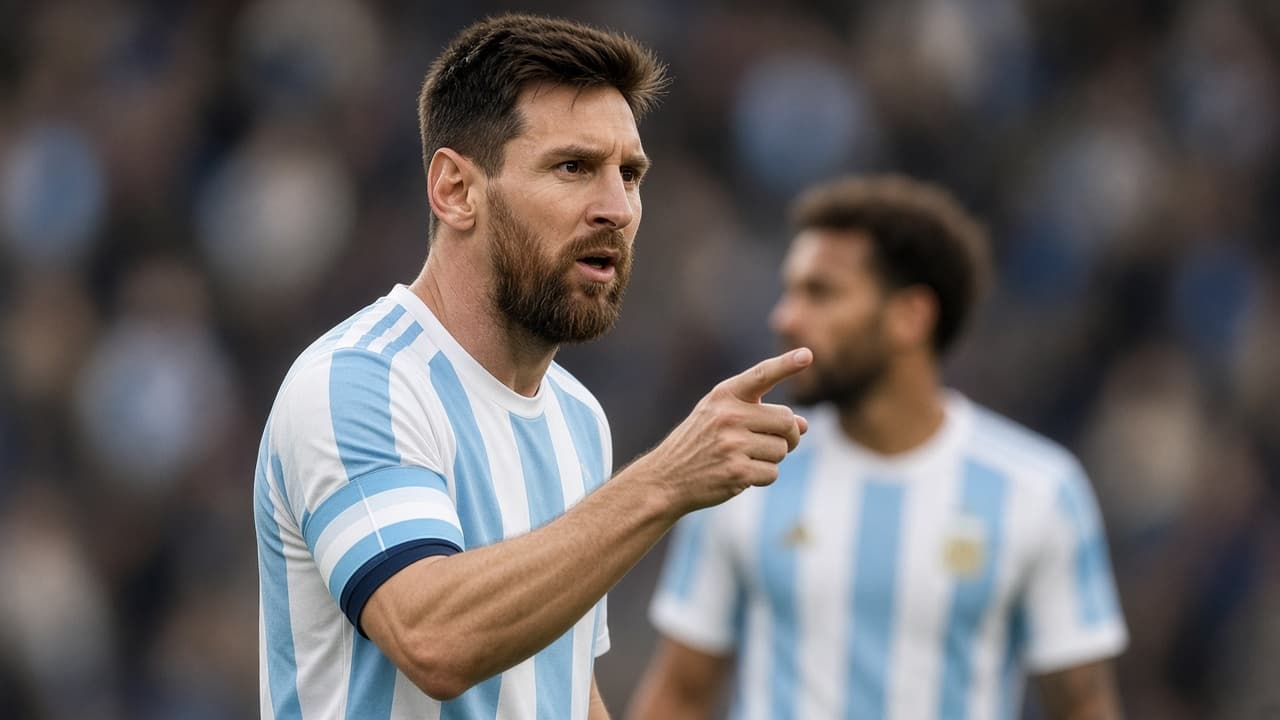
The rewrite began in Brazil at Copa América 2021. Argentina beat Brazil in the final at the Maracanã. Messi shared top honors as best player and finished with the Golden Boot. The Finalissima against Italy followed. Then Qatar 2022 arrived as the career's central argument. Messi scored and created through the knockout rounds, won a penalty shootout epic against the Netherlands, beat Croatia in the semi-final and captained Argentina past France in a final that swung wildly before ending in a shootout. He claimed the Golden Ball as the tournament's best player and, for the first time, the one prize his résumé had been told it lacked. He later won a second Copa América in 2024 in the United States.
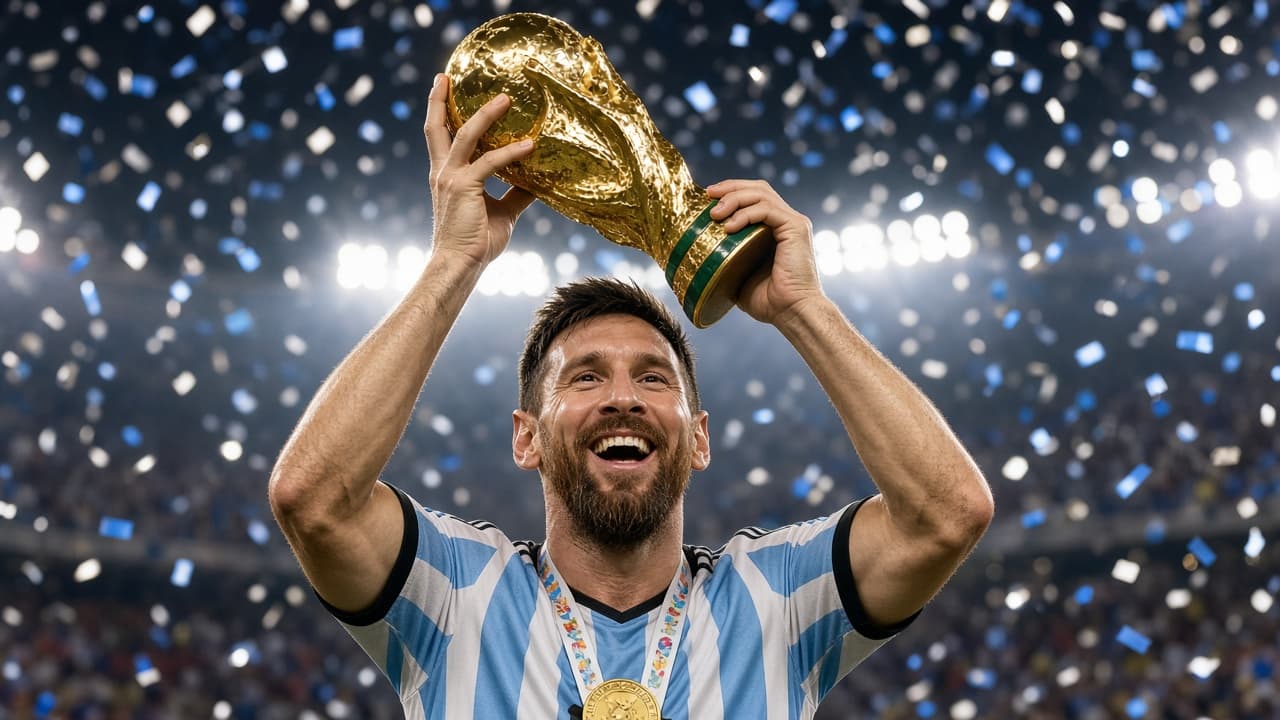
His last World Cup was different. The 2026 tournament across Canada, Mexico and the United States was framed from the start as a farewell tour that might still end in history. Messi was 39. He became the first outfield player widely tracked as appearing in six men's World Cups and, by the final, owned the competition's appearance record at 34 matches. Early in the group stage he scored his first World Cup hat-trick, against Algeria, and kept a scoring streak alive that stretched back into Qatar's knockout rounds. Public tallies for the tournament put him on eight goals and four assists. Along the way he briefly sat alone atop the all-time World Cup scoring list at 21 goals before Kylian Mbappé's third-place finishes pushed the Frenchman past him to 22.
The road back to the final felt like a delayed encore rather than a victory lap. Argentina defended the title with a veteran spine and a captain who could no longer sprint every channel the way he had at 25, yet still received between the lines and forced games to bend. He started a third World Cup final, another first in the men's game. The stage was MetLife Stadium in East Rutherford, New Jersey, a ground that already carried scars for him: the 2016 Copa América Centenario final loss to Chile, the short-lived international retirement that followed and the long walk back. On final night a crowd above 80,000 largely came for a recoronation. Spain denied it.
Ferran Torres scored 37 seconds into the second period of extra time. Spain won 1-0 and became world champions for a second time. Argentina failed to become the first men's champion to defend the title since Brazil in 1962. Messi finished with Silver Ball honors as the tournament's second-best player and individual scoring recognition short of the Golden Boot. Cameras caught him fighting tears as Argentina players faced their own fans while Spain lifted the trophy at midfield. He had 54 touches in the match after a quiet first half. The tape showed effort without the last spell. For once the narrative did not need a plot twist to stay honest: greatness had shown up, and the final still went the other way.
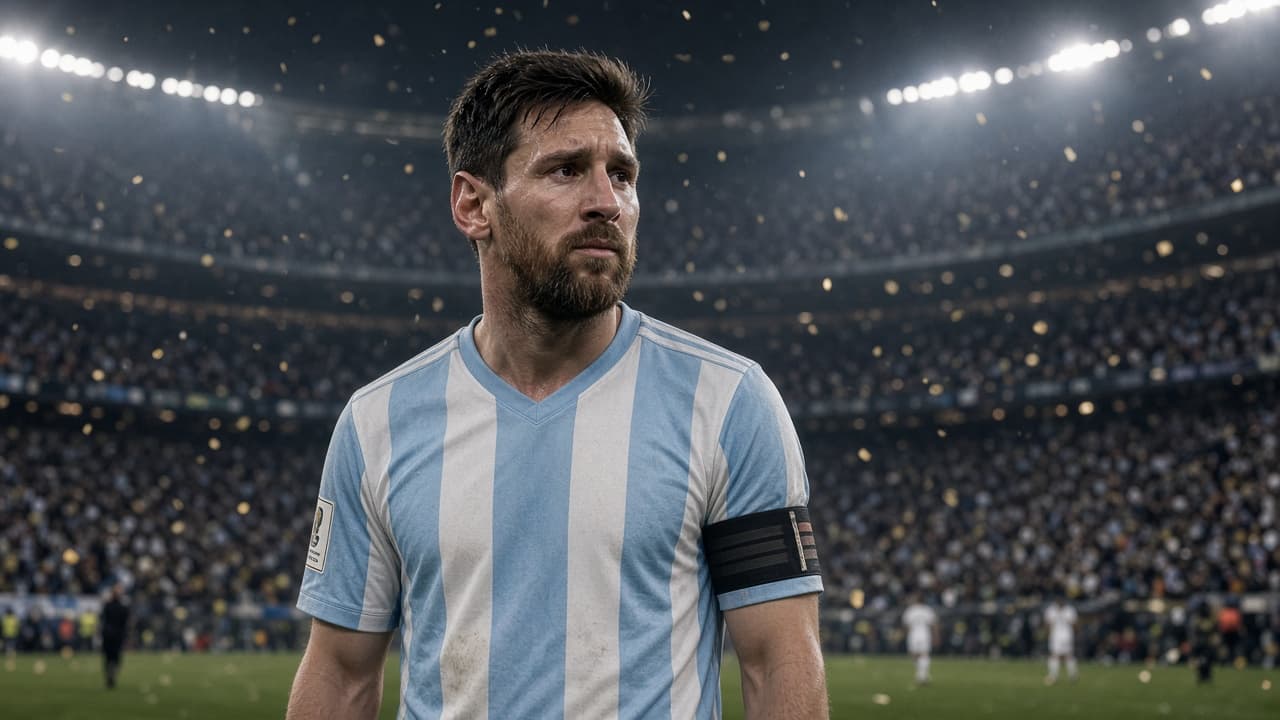
On 31 August 2026 he made the international retirement official. The ledger closed around 207 caps and about 125 goals for Argentina, plus Olympic gold, two Copa América titles, the Finalissima and the 2022 World Cup. The 2026 run did not erase Qatar. It completed the arc: a captain who had already answered the drought question, then returned one more summer to chase a repeat few thought possible at his age, and left the shirt when the chase ended.
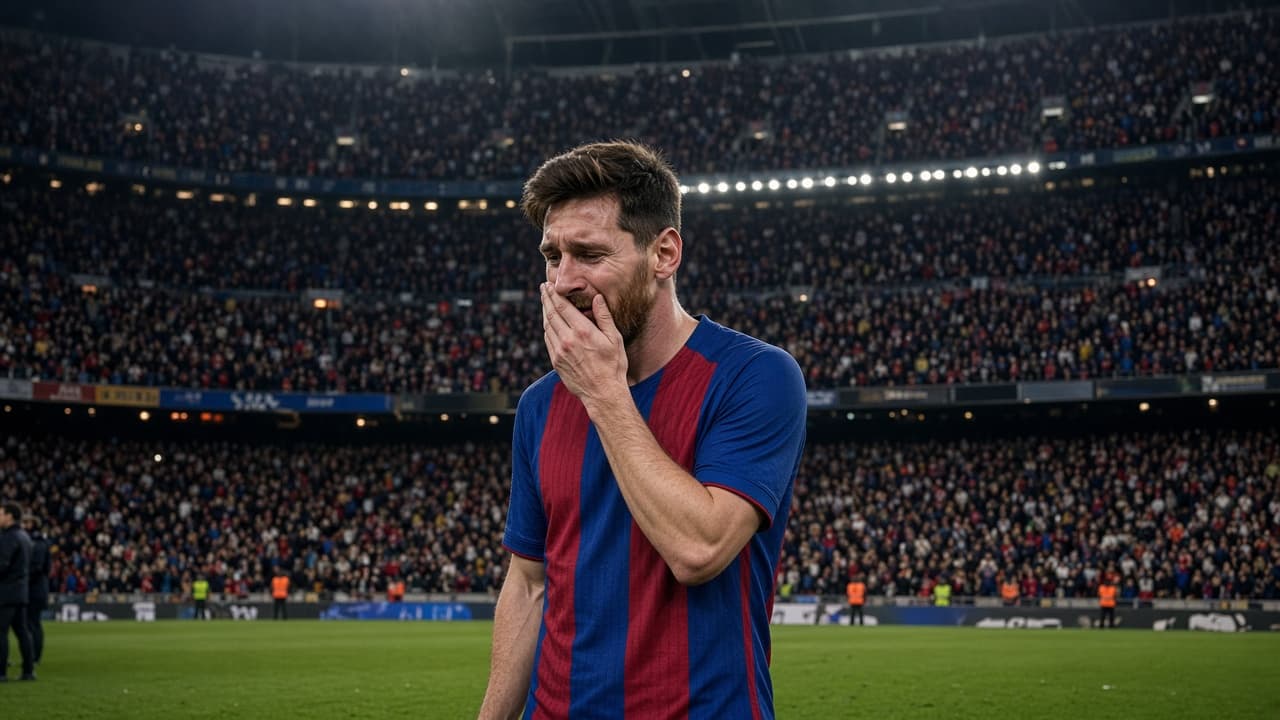
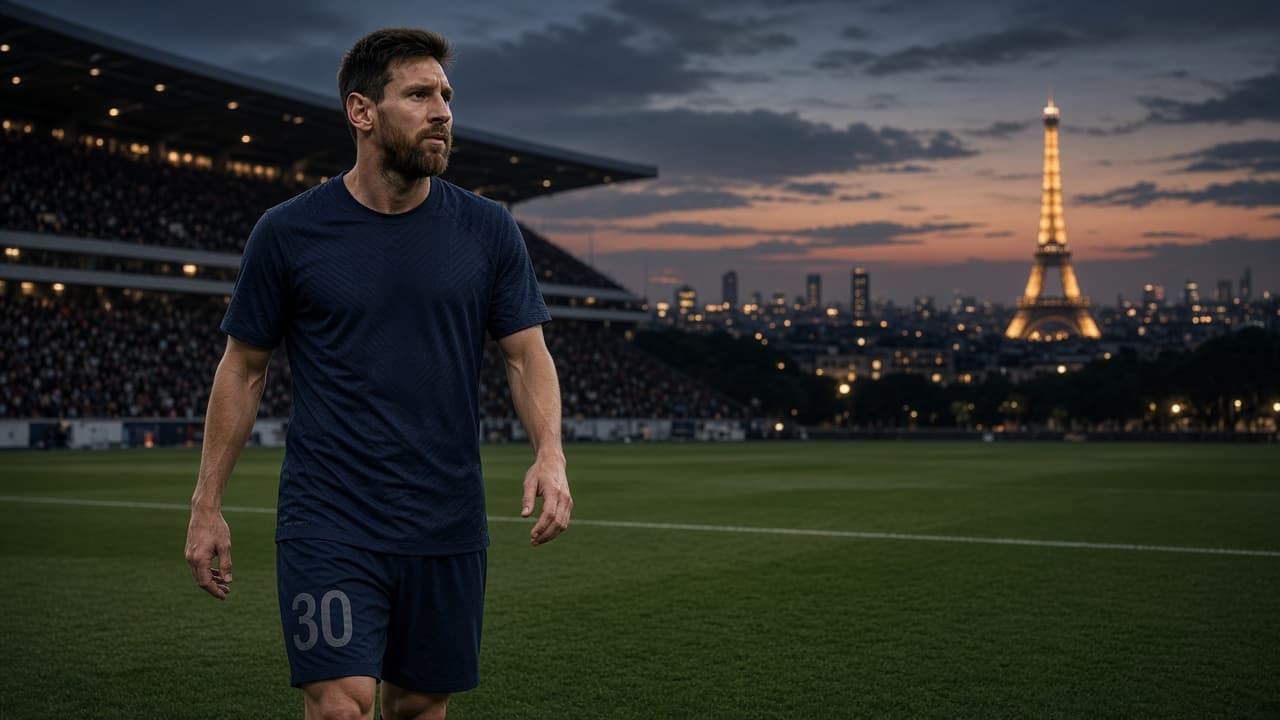
Club life had already cracked before Qatar. In August 2021, Barcelona's financial crisis and La Liga salary-cap rules made a contract renewal impossible despite mutual desire. Messi's farewell at Camp Nou was tearful and public. He joined Paris Saint-Germain on a free transfer, took the No. 30 shirt he had worn on his Barcelona debut and won Ligue 1 titles beside Neymar and Kylian Mbappé. Paris was productive without feeling like home. The Champions League remained elusive. When the PSG chapter closed in 2023, Saudi money circled. Messi chose a different stage: Inter Miami in Major League Soccer.
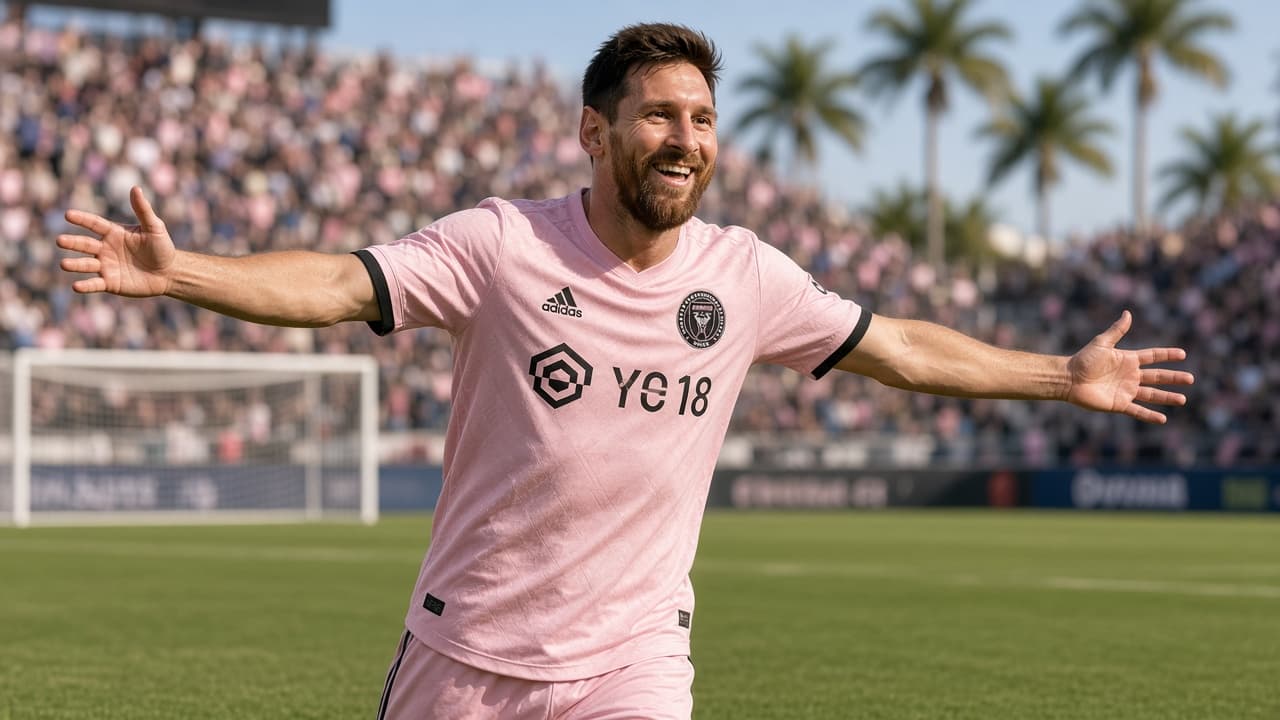
Miami was dismissed by some European voices as a soft landing. Attendance, jersey sales and appointment viewing said otherwise. Messi arrived in July 2023, immediately made Inter Miami a global broadcast event and helped deliver early cup success. He won MLS MVP honors in public tallies for 2024 and 2025 and led the club to its first MLS Cup in 2025. Through mid-2026, approximate public club tallies put him around 68 goals in Inter Miami colors after roughly 32 at PSG. The chart above is the blunt visual: Barcelona remains a mountain; the later clubs are foothills with outsized cultural impact. American football audiences who had treated soccer as background noise suddenly knew the kickoff time.
Individual hardware is easier to count than private ledgers. Messi has eight Ballons d'Or (2009, 2010, 2011, 2012, 2015, 2019, 2021 and 2023), multiple FIFA best-player awards and a stack of domestic and continental boots. Team trophy counts in public databases place him among the most decorated players ever, with Barcelona's 34 club trophies forming the core and Argentina's late gold rewriting the international line. Forbes ranked him among the world's highest-paid athletes across several years, including top spots in 2019 and 2022. In 2020 he became one of the rare team-sport athletes to surpass $1 billion in career earnings. In 2026 Forbes estimated his net worth around $1.1 billion, citing accumulated cash, business interests and an option-style path toward Inter Miami equity after playing days. Those are estimates, not tax returns. What they show is a fortune built first on wages and performance bonuses, then on endorsements and long-tail brand value.
Off the pitch the private life is unusually steady for a global celebrity. Messi married Antonela Roccuzzo, a fellow Rosario native and longtime partner, in 2017. They have three sons. Family footage and low-key holiday photos circulate because fans hunger for softness around a career built on pressure. He has spoken about the weight of expectation in Argentina and about the loneliness of the early Barcelona years. Tax disputes in Spain produced headlines and legal outcomes that sat awkwardly beside the on-field myth. None of that erases the privilege of his success. It does remind readers that the quiet public face was never the whole ledger.
Challenges sit beside trophies. Chronic injury risk never fully left a player whose game depends on sharp changes of direction. The Barcelona exit showed that even a club legend can lose a negotiation to accounting rules. PSG proved that assembling superstars is not the same as building a Champions League organism. Miami brought travel load, summer heat and the suspicion of skeptics who only respect European minutes. Internationally, the years of finals losses taught a brutal lesson about narrative: output without the last lift gets remembered as lack. Messi's response was stubborn return rather than reinvention into a different sport. He kept receiving the ball between the lines until the story changed.
What makes the career attractive on the page is not perfection. It is continuity with craft. A Rosario kid needs hormone treatment and crosses an ocean. A shy La Masia teenager becomes the axis of Guardiola's Barcelona. A four-time Ballon winner absorbs a decade of Argentina heartbreak, then captains a World Cup. A forced goodbye from Camp Nou becomes Paris, then a pink shirt that made MLS appointment viewing. The fan culture (GOAT debates, edit videos, national holidays timed to finals) can look noisy from outside. From inside it is literacy: close reading of movement as a popular sport.
If you want a single through-line, use problem-solving plus loyalty under pressure. Messi's early advantage was solving crowded penalty areas with tiny touches. His later advantage was carrying that solution across club systems, continents and age curves until even skeptics had to update the spreadsheet. Plenty of forwards score. Fewer make an entire sport rearrange its arguments around their left foot.
Eagle Frame's takeaway: Lionel Messi's life story is not only a trophy list. It is a case study in turning physical limitation and geographic uprooting into durable excellence. Start with Rosario and the growth hormone bet, keep La Masia and Guardiola's treble in view, treat the Argentina drought as the long middle act, mark Qatar 2022 as the national unlock, keep the 2026 MetLife farewell in the frame and see Miami as proof that late chapters can still move markets. Everything after that is a footballer defending the right to keep receiving the ball one more time.