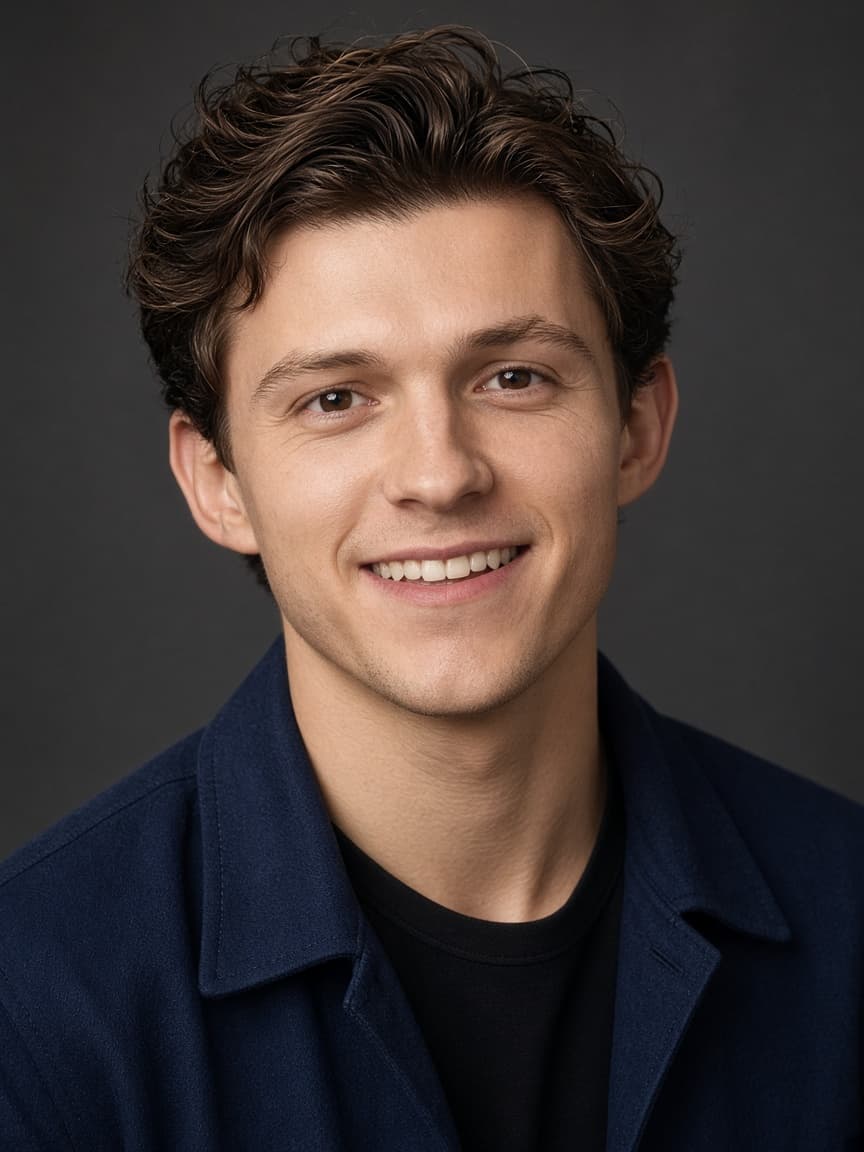
Tom Holland: from a Wimbledon dance class to Spider-Man and back to the stage
Billy Elliot at twelve, a breakout in "The Impossible," a decade as Spider-Man, sobriety and a non-alcoholic beer business. How Tom Holland built a career that did not depend on the mask.
Tom Holland has spent a decade inside the most valuable costume in Hollywood and used the time to build a career that does not need it. He is a trained dancer who can carry a West End stage, a dramatic actor who peaked critically in a film about addiction, a businessman with a non-alcoholic beer brand and, since 2025, engaged to the co-star he met on a Spider-Man set at nineteen. The part everyone knows is the smallest part of the story.
He was born Thomas Stanley Holland on 1 June 1996 in Kingston upon Thames, south-west London. His father, Dominic Holland, is a stand-up comedian and author. His mother, Nicola, is a photographer. He is the eldest of four brothers, with twins Sam and Harry born in 1999 and Patrick in 2004. He attended Donhead Preparatory School and later the BRIT School for Performing Arts and Technology in Croydon. The family home was busy, competitive and funny, and Holland has always credited his father's stage discipline more than any acting class.
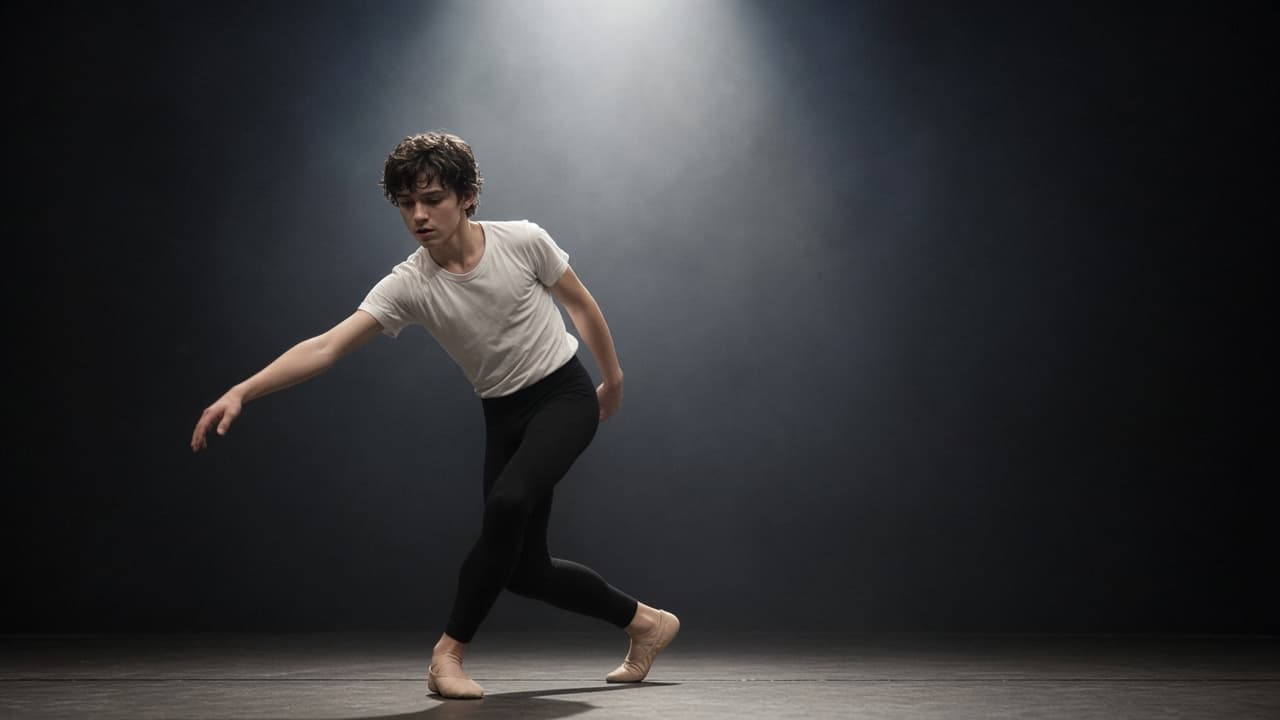
The break came through dancing. He took hip-hop classes at Nifty Feet Dance School in Wimbledon, and in 2006 a performance at the Richmond Dance Festival caught the eye of the choreographer Lynne Page, an associate of the team behind "Billy Elliot the Musical." Holland went through two years of auditions and training, joined the production in 2008 as Michael, Billy's friend, and took over the title role in September 2008. He played Billy for around two years, performing the demanding ballet, tap and acting workload eight shows a week before he turned fourteen.
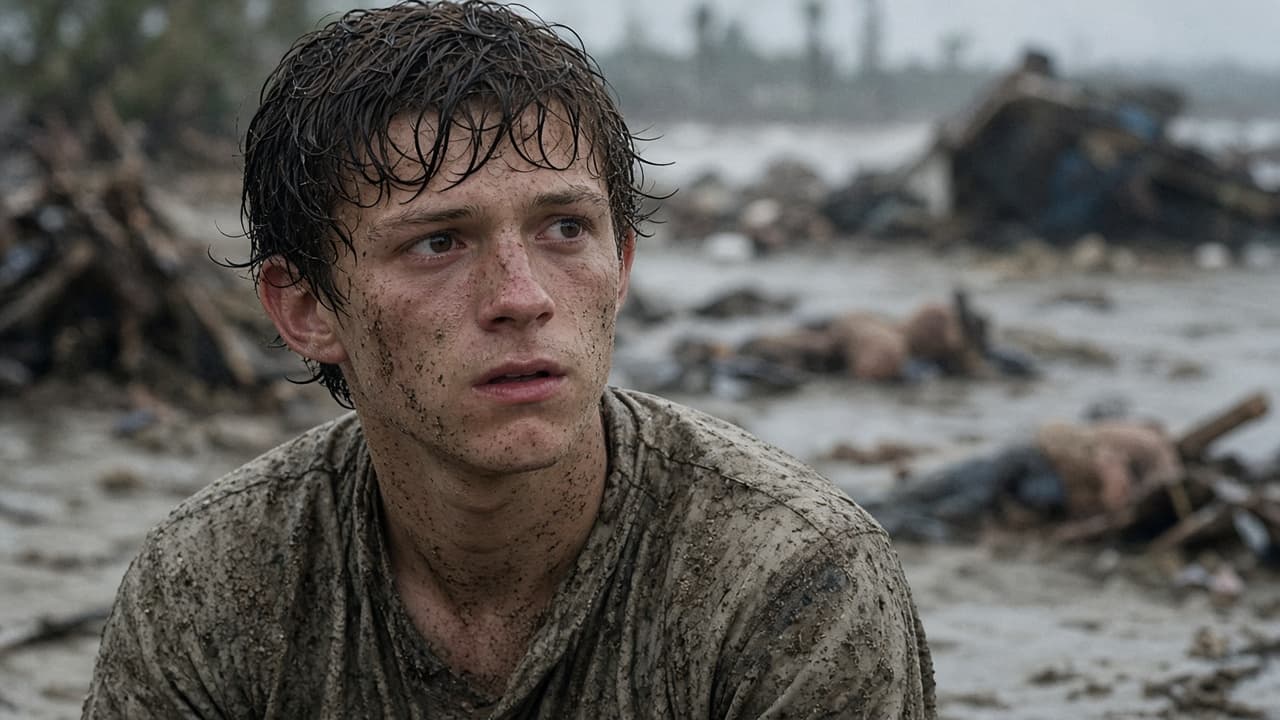
His first film role was his hardest. In "The Impossible," released in 2012, he played Lucas Bennett, the eldest son of a family caught in the 2004 Indian Ocean tsunami, opposite Naomi Watts and Ewan McGregor. The shoot involved long days in water tanks in Spain and Thailand, and the performance carried the emotional weight of the film's second half. He won the London Film Critics' Circle award for Young British Performer of the Year and several other new-talent prizes, and the industry filed him as a serious actor rather than a stage novelty.
He worked steadily through his late teens in "How I Live Now," the Tom Hardy vehicle "Locke," the BBC's "Wolf Hall" and Ron Howard's "In the Heart of the Sea." Then in June 2015 Marvel Studios and Sony announced he would play Peter Parker. He was nineteen, and he had auditioned partly by performing backflips in the room, a detail he has told so many times it has become a set piece. He first appeared in "Captain America: Civil War" in 2016, at which point the character had already been rebooted twice in fourteen years and audiences were openly tired of the idea.
The Holland version worked because it played the age honestly. "Spider-Man: Homecoming" in 2017 treated Peter Parker as an overexcited teenager with homework, and the performance let him be small in scenes with Robert Downey Jr rather than posture through them. He carried the character through "Avengers: Infinity War," "Avengers: Endgame," "Spider-Man: Far From Home" and, in December 2021, "Spider-Man: No Way Home," which passed $1.9 billion at the global box office and became one of the highest-grossing films ever released. He also played Nathan Drake in "Uncharted" in 2022, a video-game adaptation that took around $400 million worldwide and proved he could open a film without Marvel attached.
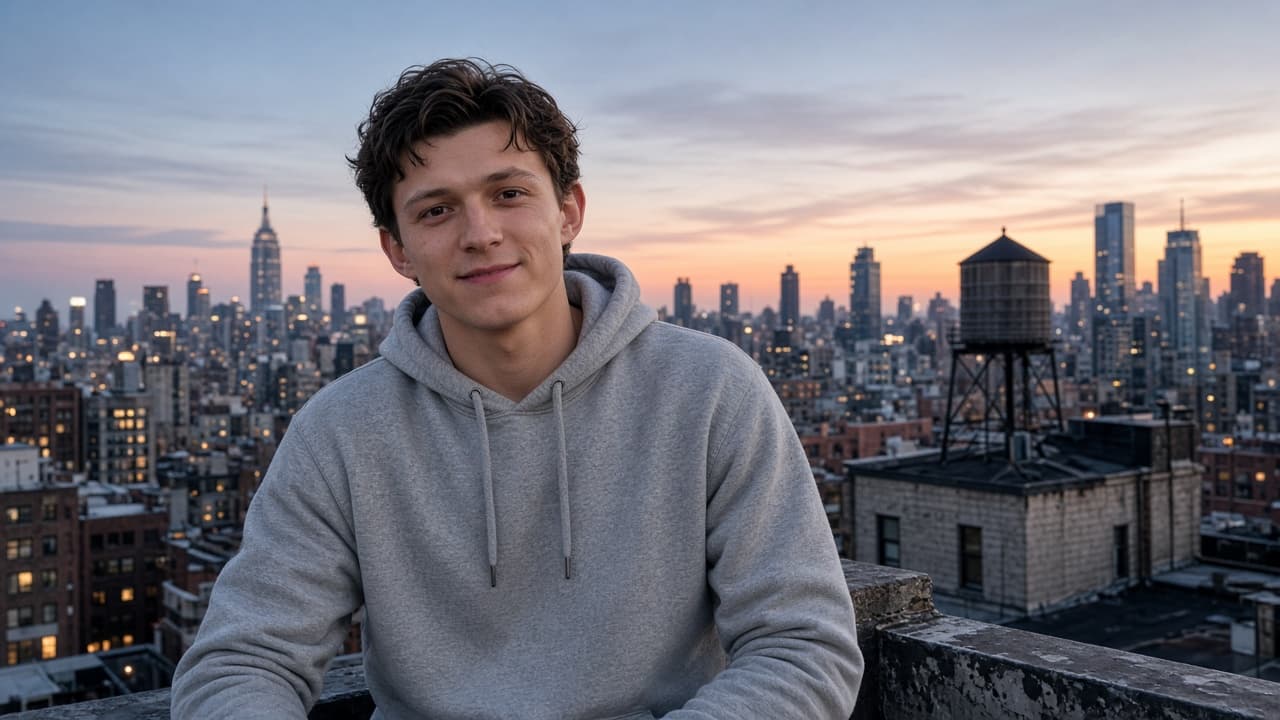
Between the blockbusters he kept reaching for harder material. He played a damaged veteran in "The Devil All the Time" in 2020, a Vietnam medic turned addict and bank robber in the Russo brothers' "Cherry" in 2021 and a man with dissociative identity disorder in the Apple series "The Crowded Room" in 2023. The last of those wore him out. He finished the shoot, took a publicly announced break of about a year and spoke afterwards about how badly the role had affected his sleep and his sense of self.
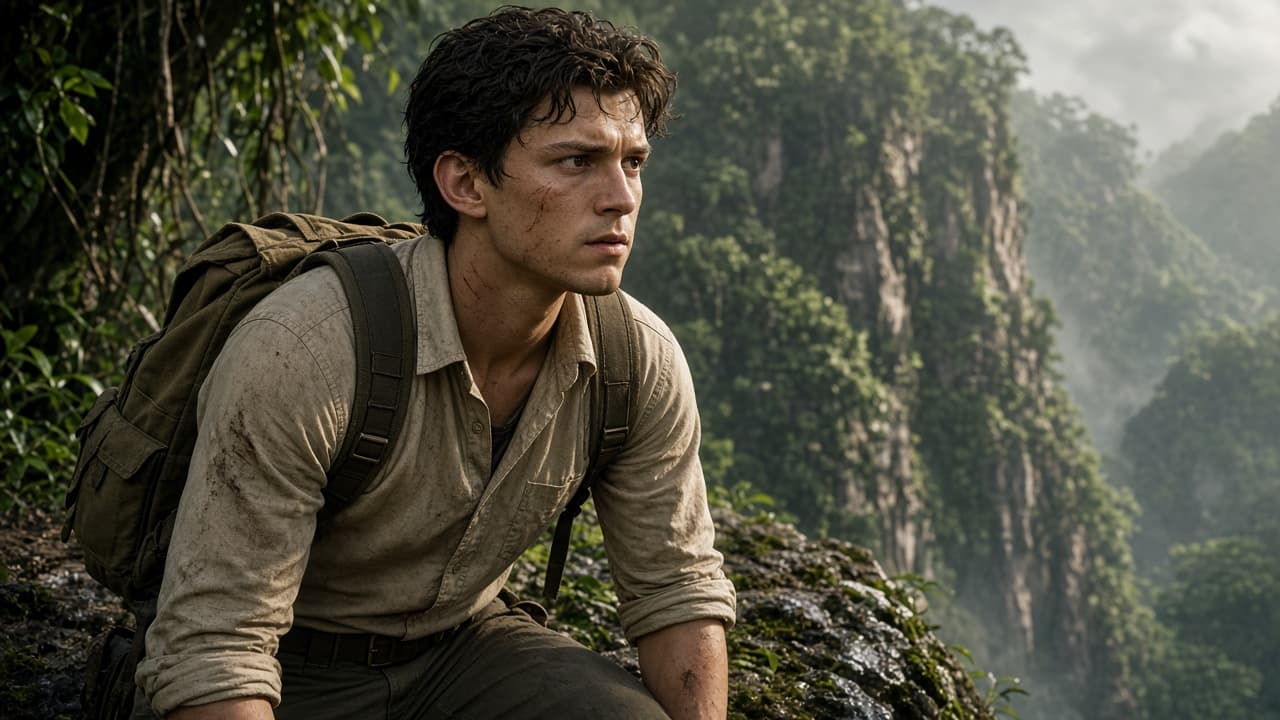
The most consequential decision of his adult life had nothing to do with a script. He gave up alcohol after a Dry January in 2022, initially as a test, and found within weeks that he could not stop thinking about it. He extended the break, reached a year and went public in 2023, describing himself as an alcoholic and saying the change had improved his sleep, his clarity and his relationships. In 2024 he launched BERO, a non-alcoholic beer brand, framing it as a practical answer for people who want to stay in the pub without the drink. He has been careful to talk about it as his own experience rather than a prescription.
He returned to the stage in 2024, playing Romeo opposite Francesca Amewudah-Rivers in Jamie Lloyd's stripped-back "Romeo and Juliet" at the Duke of York's Theatre in the West End. The run sold out in hours. It also became a test of a different kind when Amewudah-Rivers was subjected to racist abuse online after her casting, and Holland used his platform to back her publicly alongside the production and hundreds of Black British actors who signed an open letter.
His relationship with Zendaya began as a Marvel press-tour rumour and turned out to be the real thing. They met in 2016 on "Spider-Man: Homecoming," were photographed together in 2021 and have since kept their private life deliberately quiet, a choice both have explained as protecting the only part of their lives they control. Their engagement was confirmed in January 2025 after Zendaya wore a ring at the Golden Globes. Holland has said he expects to stop acting at some point to raise a family, which sounds like a press-junket line until you notice how rarely he says anything else about it.
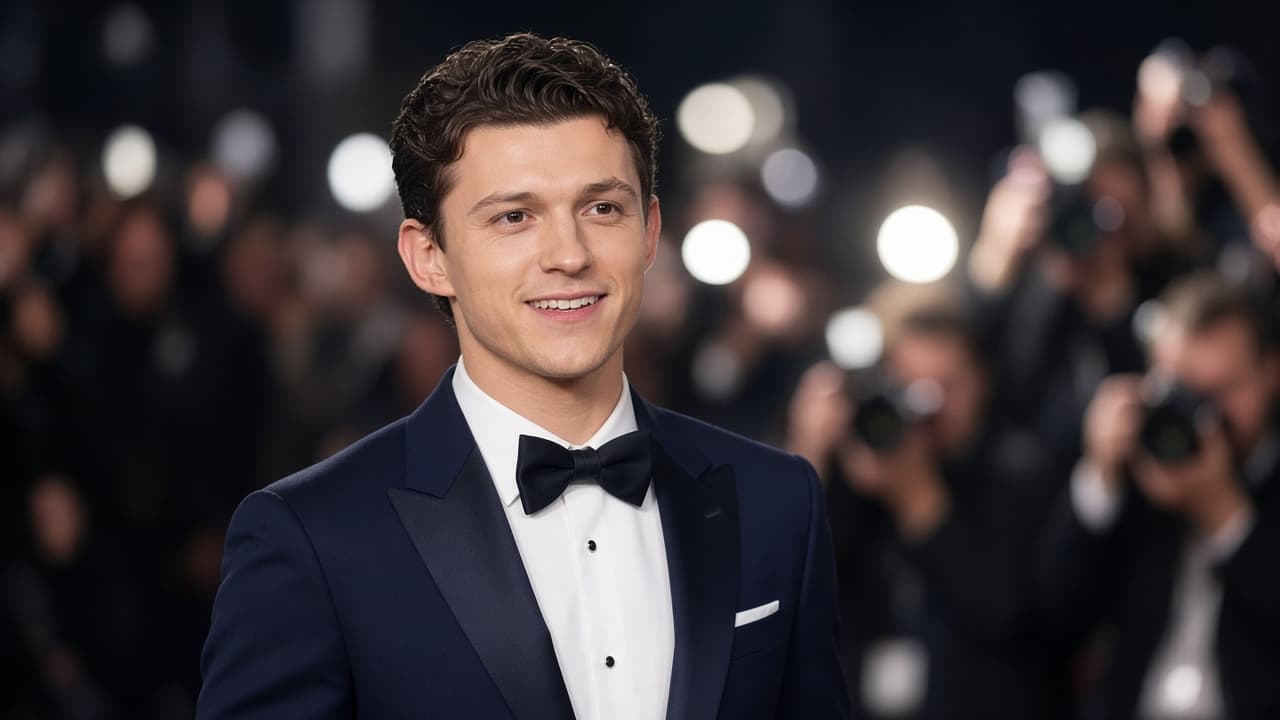
The work ahead is a mix of the familiar and the ambitious. He returned to the suit for "Spider-Man: Brand New Day," a shoot briefly paused in September 2025 after he suffered a concussion performing a stunt, with release set for 2026. He also joined Christopher Nolan's adaptation of "The Odyssey," a cast heavy with awards contenders. Alongside all of it runs the Brothers Trust, the charity he and his family founded in 2017, which funnels money from fan events and appearances to small organisations that cannot afford fundraising departments.
The tidy summary is a boy who danced his way into a musical and then into a superhero franchise. The more useful one is that Holland kept treating each stage as training for the next. Ballet gave him stunt work. The West End gave him stamina. Marvel gave him leverage, and he spent that leverage on a stage run, a drinks company and a public account of his own drinking. Whatever happens to the mask, he has already built somewhere else to stand.